Sacramento US attorney fired after questioning immigration raid speaks out
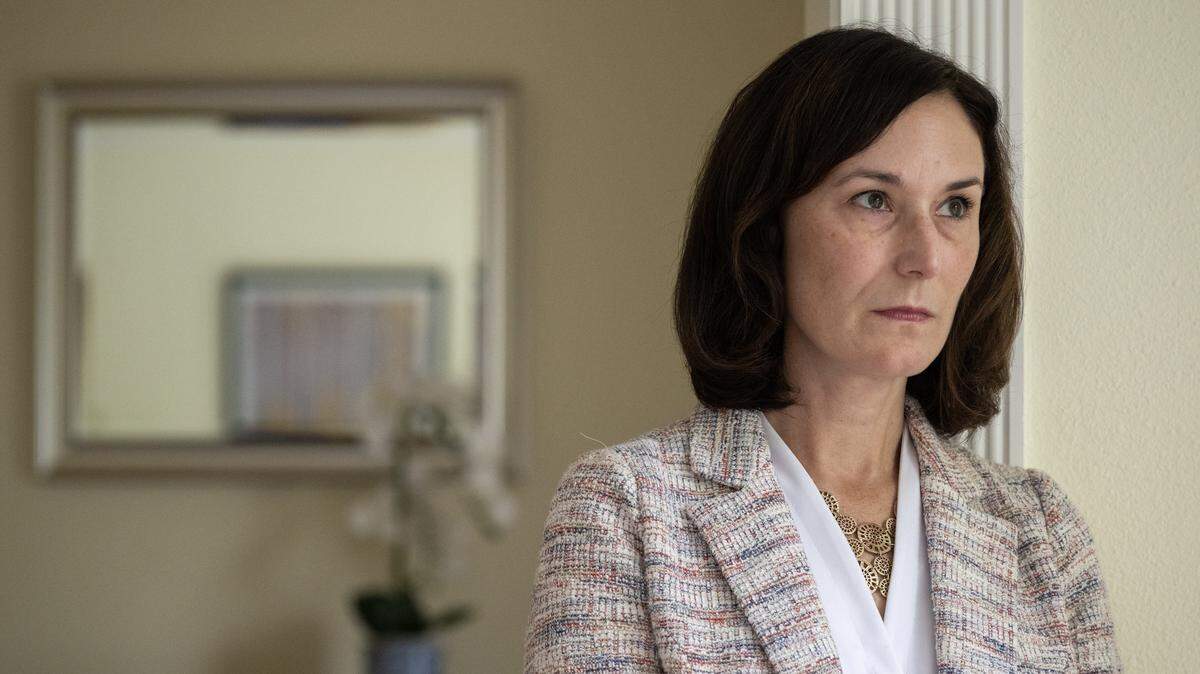
As the acting U.S. Attorney for the Central Valley region that includes Sacramento — and a Democrat — Michele Beckwith knew her leadership role would only last until President Donald Trump appointed someone from his own party to head the office of nearly 100 federal prosecutors.
But Beckwith wasn’t expecting the abrupt way her more than 15 years of service as a prosecutor for the U.S. Department of Justice would come to an end, just hours after she expressed concern about the administration’s approach to an impending immigration raid in July.
Her termination appears to have been the start of a spate of firings of prosecutors by Trump’s Justice Department: two days after Beckwith’s phone and computer went dark, Attorney General Pam Bondi fired Maureen Comey, the daughter of former FBI Director and Trump foil Jim Comey, a longtime prosecutor in New York’s Southern District. In September, Erik Siebert, a Trump appointee, resigned under pressure as the acting U.S. Attorney for the Eastern District of Virginia after he declined to prosecute Jim Comey and New York Attorney General Letitia James.
In her first interview since The New York Times reported that her termination came two days before a controversial immigration raid at a south Sacramento Home Depot store that netted 12 people — seeking work as day laborers, a student on his way to a clothing store and a U.S. citizen — Beckwith described the incidents leading up to her departure carefully, with the precision of a lawyer. She said she is challenging the firing through the federal government’s Merit Systems Protection Board.
Beckwith’s situation has thrust the career prosecutor into an unexpected limelight, and highlights the risks that federal employees take if they express concerns about the Trump administration’s actions or policies.
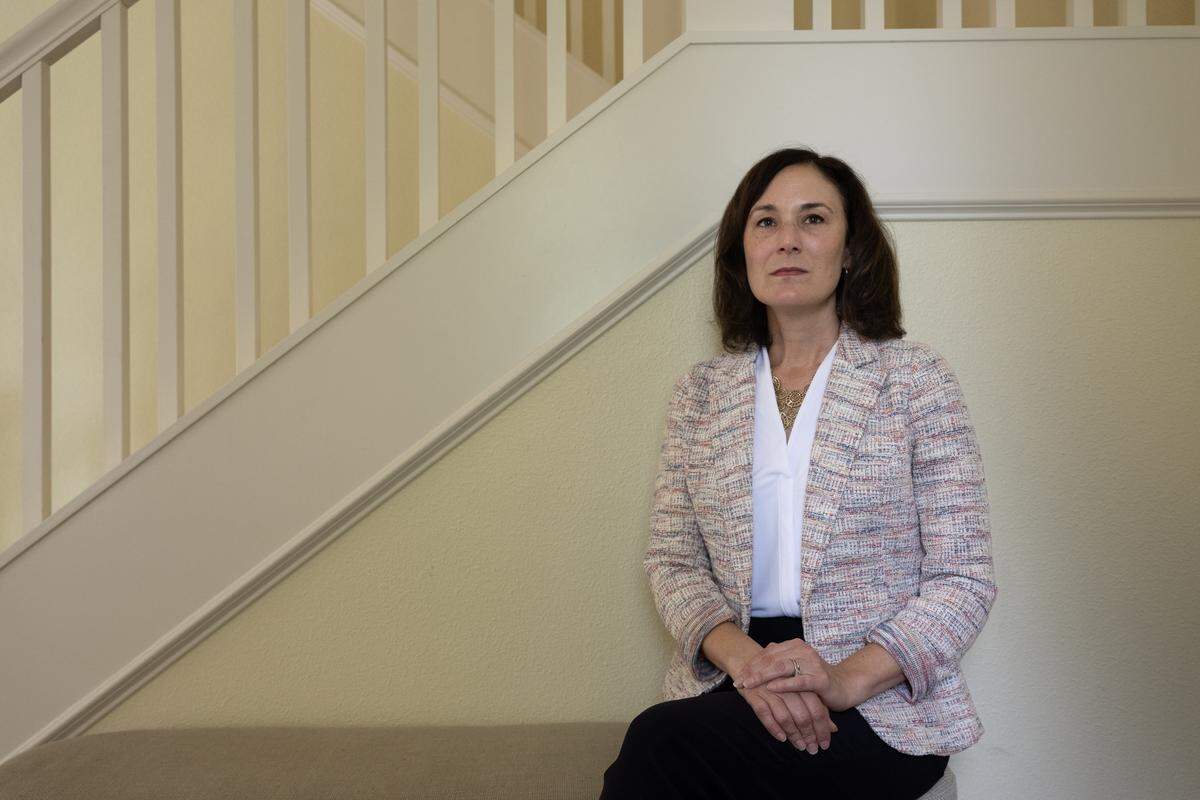
“I don’t really want it to be about myself,” she said. “Other people are going through the same thing.”
Rather than losing her job altogether, an acting U.S. Attorney would more typically go back to being a line prosecutor or take on some other responsibility when a new appointee comes aboard, she said.
“I’m challenging it because I just don’t think it was lawful for them to fire me,” Beckwith said.
Beckwith, 48, took over running the U.S. Attorney’s Office for the Eastern District of California after her boss and mentor, Phil Talbert resigned in January to make way for an eventual nominee.
She focused on the core work that federal prosecutors take on every day, building and litigating criminal cases involving sex crimes, drug trafficking, gun violence and immigration cases that generally involved people who committed crimes, got deported and then came back into the United States.
“My goal was just to keep trying to do the normal work we always did,” she said.
When the administration shared new guidance or priorities, she and her team worked to understand and comply with them, Beckwith said.
“We were working hard to discern and implement new department guidance while still adhering to the principles of federal prosecution,” she said.
But by July, it was clear that the department was also starting to deal with a growing number of civil cases, many of them filed by lawyers for immigrants detained in the administration’s aggressive enforcement raids.
In April, a judge in one of those cases, in federal court in Fresno, issued an injunction ordering the government to stop detaining people in the Central Valley region included in the Eastern District without reasonable, individualized suspicion that they were in the country illegally.
On July 11, in a different case, a federal judge in Los Angeles added more specificity, saying it was illegal to stop people simply because of their perceived ethnicity, an accent that might identify as someone who is not a native English speaker, or their presence at a workplace associated with immigrant work.
Three days later on July 14, Beckwith was informed that agents with U.S. Customs and Border Protection planned a sweep in Sacramento, targeting people seeking day labor opportunities at the Home Depot on Florin Road.
She was concerned because she was aware of the court orders, both of which said raids conducted by the agency had violated the Fourth Amendment, which protects against unreasonable searches and seizures by the government, Beckwith said.
She expressed her concerns to superiors in the Justice Department. Then she decided to reach out directly to Gregory Bovino, chief patrol agent of Customs and Border Patrol’s El Centro sector, who had led many of the immigration operations in inland California.
“I did raise concerns to a number of people, and to Bovino directly,” Beckwith said.
“We expect compliance with court orders and the Constitution,” she said she told him.
Neither the Department of Justice nor Bovino responded to requests for comment. In the Los Angeles case, the U.S. Supreme Court on Sept. 8 overturned the temporary restraining order banning stops based on ethnicity, accent and workplace, although that case is still playing out in the lower courts.
But five and a half hours after her communication with Bovino, Beckwith looked at her official phone. It was locked. She checked her work computer. “This device has been disabled,” a message said.
“I think I’ve been fired,” she said out loud to a nearby colleague.
A check of her personal communications devices confirmed her fears.
“I checked my personal email and I had an email from the White House ... saying I was terminated effective immediately,” Beckwith said.
The DOJ officials announced her termination the next morning, saying she would temporarily be replaced by Fresno prosecutor Kimberly Sanchez. Attorney Eric Grant, who served as deputy assistant attorney general in the first Trump administration, was nominated by the president to take over the role in August.
Beckwith was admitted to the California Bar in 2006, and became a federal prosecutor in 2010 as an assistant U.S. attorney in Sacramento. She rose to head the criminal division in 2019 and became first assistant U.S. attorney under Talbert in 2022.
She’s spent much of the past three months trying to chart her next steps. She is hoping to win her job back through the appeals process through the protection board, and decided to speak up about her decision to challenge the firing.
“People are standing up and making it clear that their loyalty is and commitment is to the Constitution and the rule of law,” Beckwith said. “I admire that courage, and I think it’s important that people continue to do that.”
This story was originally published October 4, 2025 at 5:00 AM.