More ‘No Kings’ Trump protests planned in 5 Sacramento-area cities. When & where?
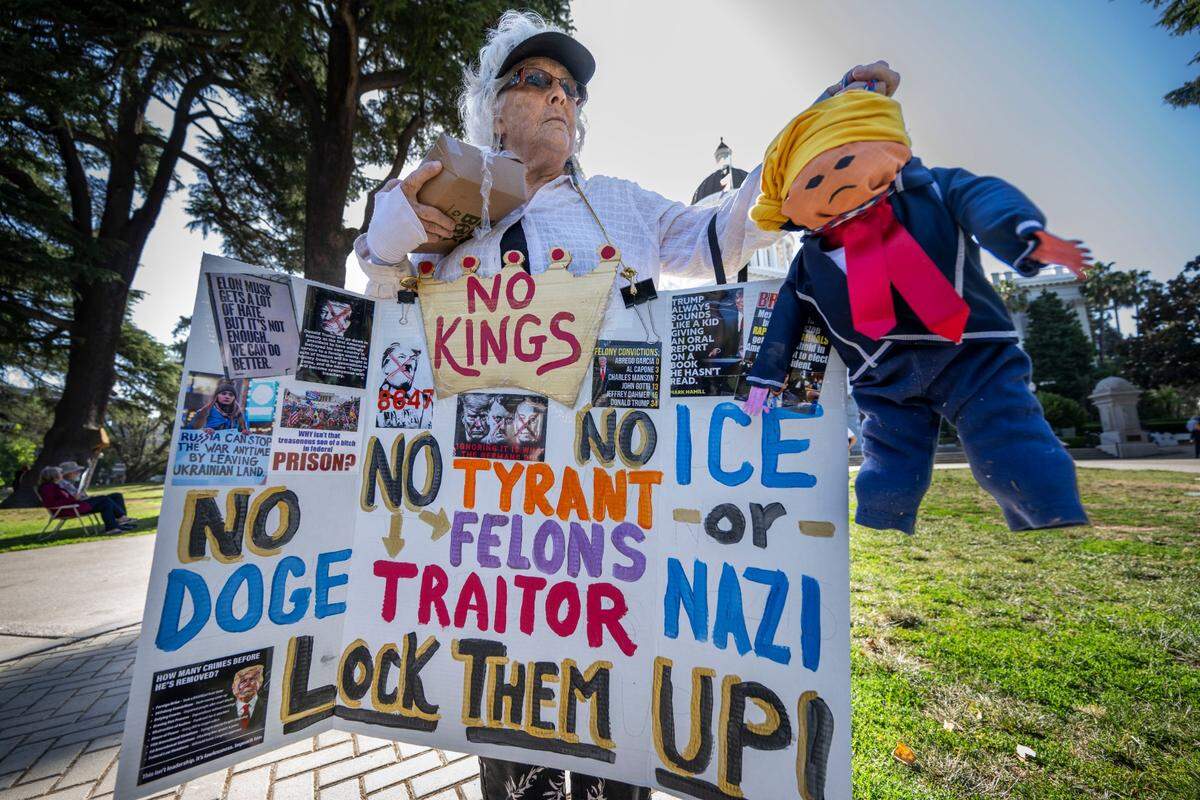
Protesters are gathering across the Sacramento area once more to rally against President Donald Trump and his administration’s policies.
Months after “No Kings Day” demonstrations drew millions of participants across the United States, community members will come together on Saturday, Oct. 18, to peacefully protest Trump’s “authoritarian actions and power grabs,” organizers said in an Oct. 11 news release.
“Together, millions will send a clear and unmistakable message: we are a nation of equals, and our country will not be ruled by fear or force,” organizers said in the release.
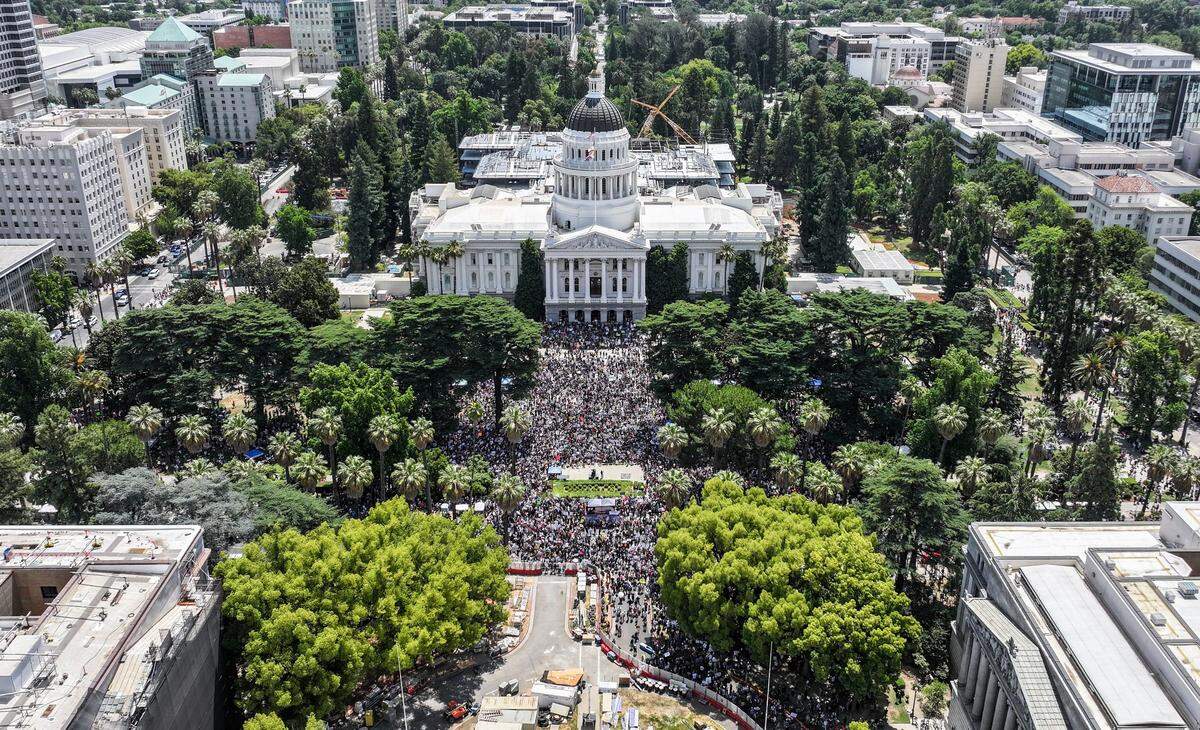
As of Tuesday, Oct. 15, more than 2,500 No Kings events were planned in all 50 states, organizers said Monday, including dozens in cities throughout California.
Here’s what to know:
What is No Kings Day?
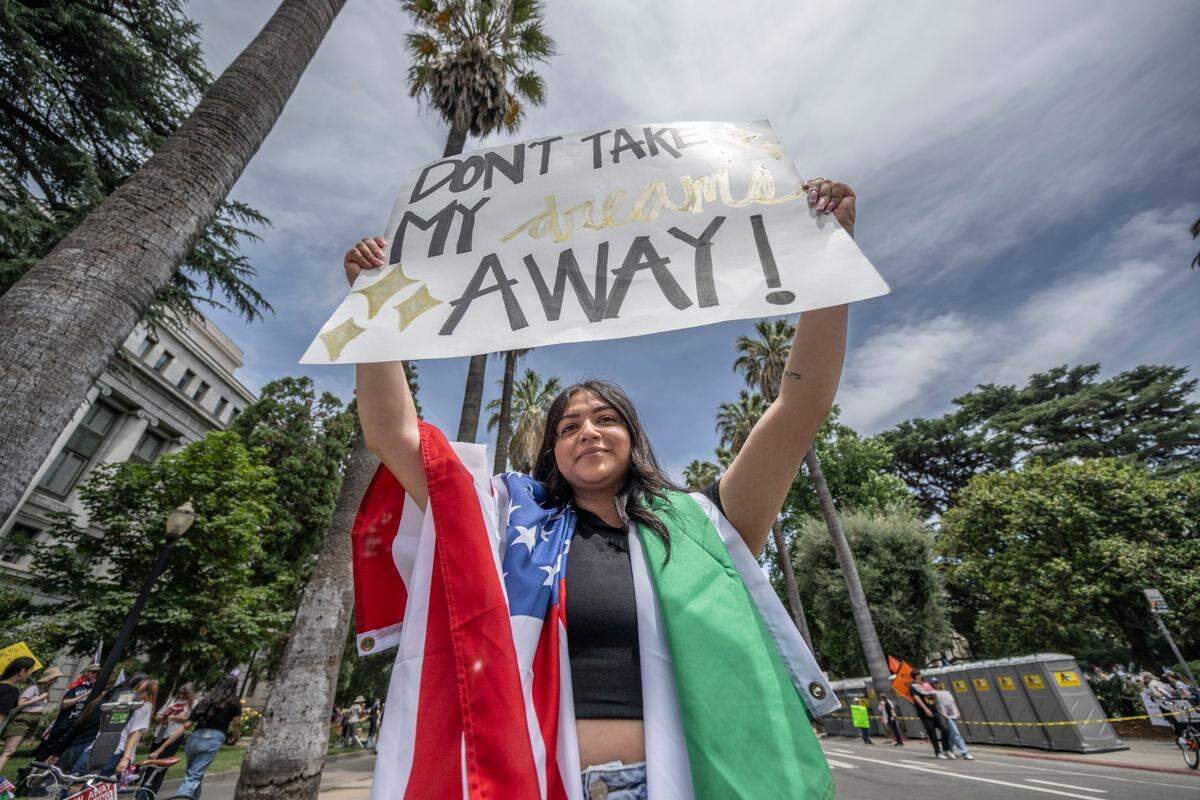
Organizers described No Kings as a “nationwide day of defiance.”
“From city blocks to small towns, from courthouse steps to community parks, we’re taking action to reject authoritarianism — and show the world what democracy really looks like,” organizers said on the official No Kings website.
Several grassroots political organizations — including the American Civil Liberties Union, American Federation of Teachers and League of Conservation Voters — have partnered with protest organizers.
No Kings protesters previously gathered for anti-Trump demonstrations on June 14 — the same day as a massive military parade in Washington, D.C., to celebrate the U.S. Army’s 250th birthday. The lavish event, which cost an estimated $45 million, coincided with Trump’s 79th birthday.
More than five million people participated in the June day of action, No Kings organizers said.
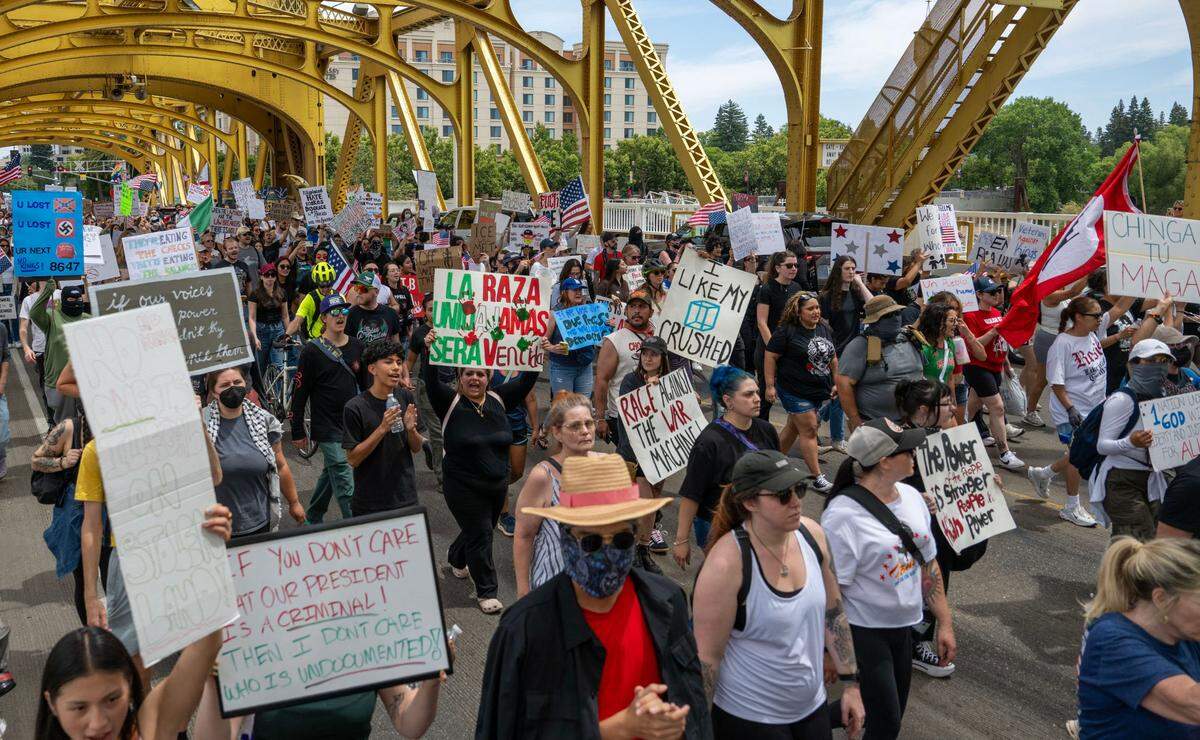
That included more than 5,000 protesters in Sacramento, The Sacramento Bee reported at the time.
Why are people protesting President Trump?
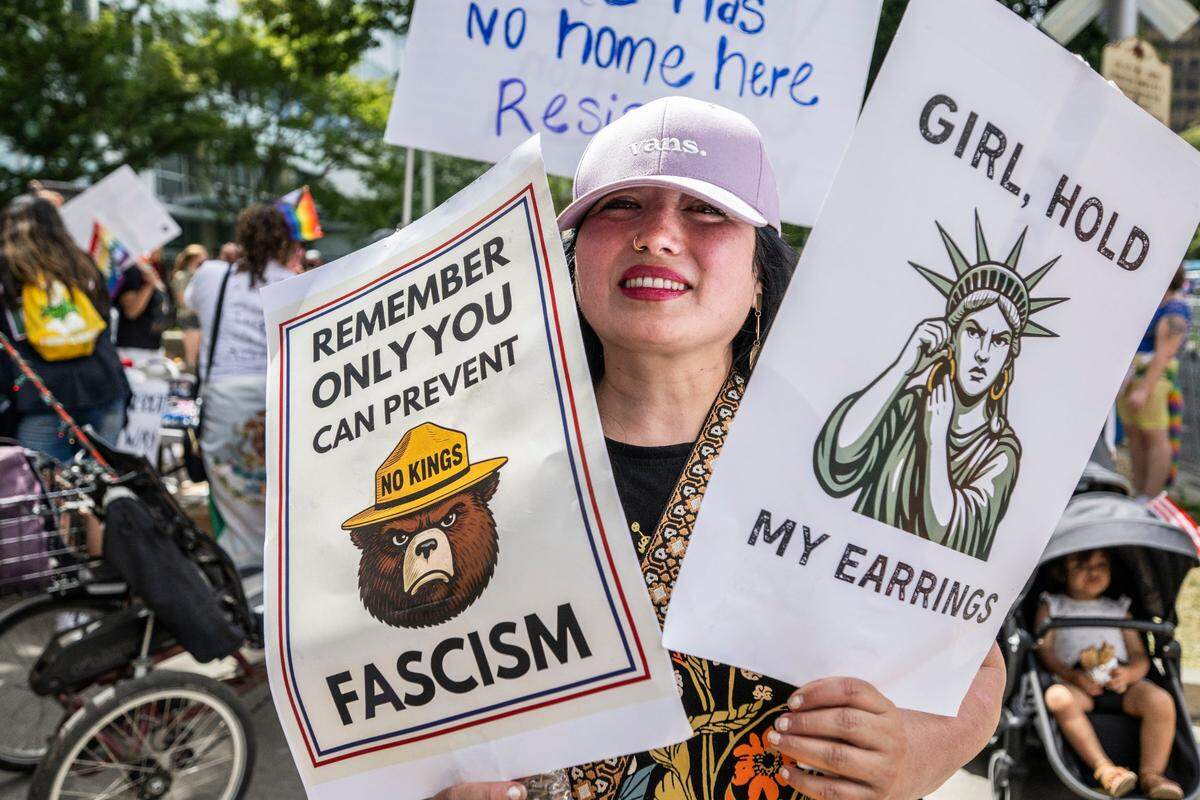
Demonstrators will gather on Saturday, Oct. 18, to protest “violent authoritarian attacks” on American freedoms, organizers said, including the deployment of federal troops to Los Angeles, Chicago and other U.S. cities.
The Trump administration is targeting immigrant families and “profiling, arresting and detaining people without warrants,” No Kings organizers said.
Other reasons for the Oct. 18 protest include the “gutting” of health care, environmental protections and education, organizers said.
Where are No Kings protests planned in Sacramento area?
There are several demonstrations planned throughout the Sacramento area for No Kings Day on Saturday, Oct. 18:
The locations include:
- Sacramento Parade to the Protest: 9 to 10 a.m., southwest corner of Sutter’s Fort State Historic Park, 2701 L St.
- Sacramento: 10 a.m. to noon, west steps of California State Capitol, 1315 10th St.
- Davis: No Kings Yolo March and Rally: 1:30 to 3:30 p.m., Civic Center Park, 615 B St.
- Elk Grove: 10 a.m. to 1 p.m., in front of DSW Designer Shoe Warehouse at Bruceville Road and Laguna Boulevard
- Folsom: 10 a.m. to noon, Folsom Boulevard Bridge at Folsom Boulevard and Greenback Lane.
- Roseville: 10 a.m. to noon, Roseville Galleria at Galleria Boulevard and Roseville Parkway.
What are my rights as a protester in California?
According to the American Civil Liberties Union of Northern California, the First Amendment protects the right to organize a protest, express your opinion and photograph events while on public property.
“The First Amendment and the California Constitution protects your right to expressive speech,” Chessie Thacher, a senior staff attorney at the American Civil Liberties Union of Northern California, previously told The Sacramento Bee.
“That means that you have the right to say what you want to say, but with exceptions,” Thacher said.
Those exceptions include true threats, defamation, harassment and obscenities.
When can police interfere with protests?
When protesters fail to comply with legal restrictions, such as evoking violence, law enforcement can intervene, the ACLU website says.
“Civil disobedience is a public, nonviolent, conscientious yet political act contrary to law, usually aimed at bringing about a change of the law or government policy,” as defined by the U.S. Department of Justice.
However, “civil disobedience is not protected speech under the Constitution,” the UCLA Police Department said.
An act of civil disobedience includes sitting on a public road to block traffic.
This story was originally published October 15, 2025 at 6:00 AM.