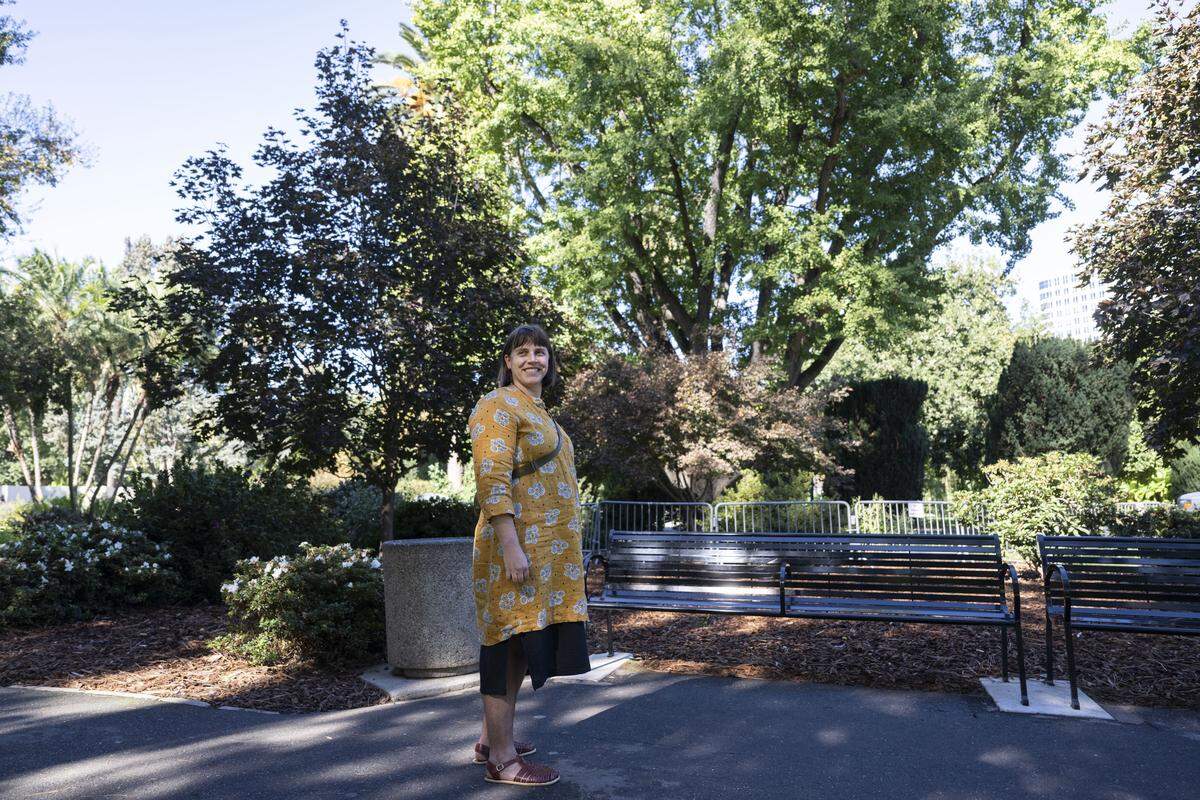
California fences Capitol ginkgo to protect people from horrible-smelling fruit
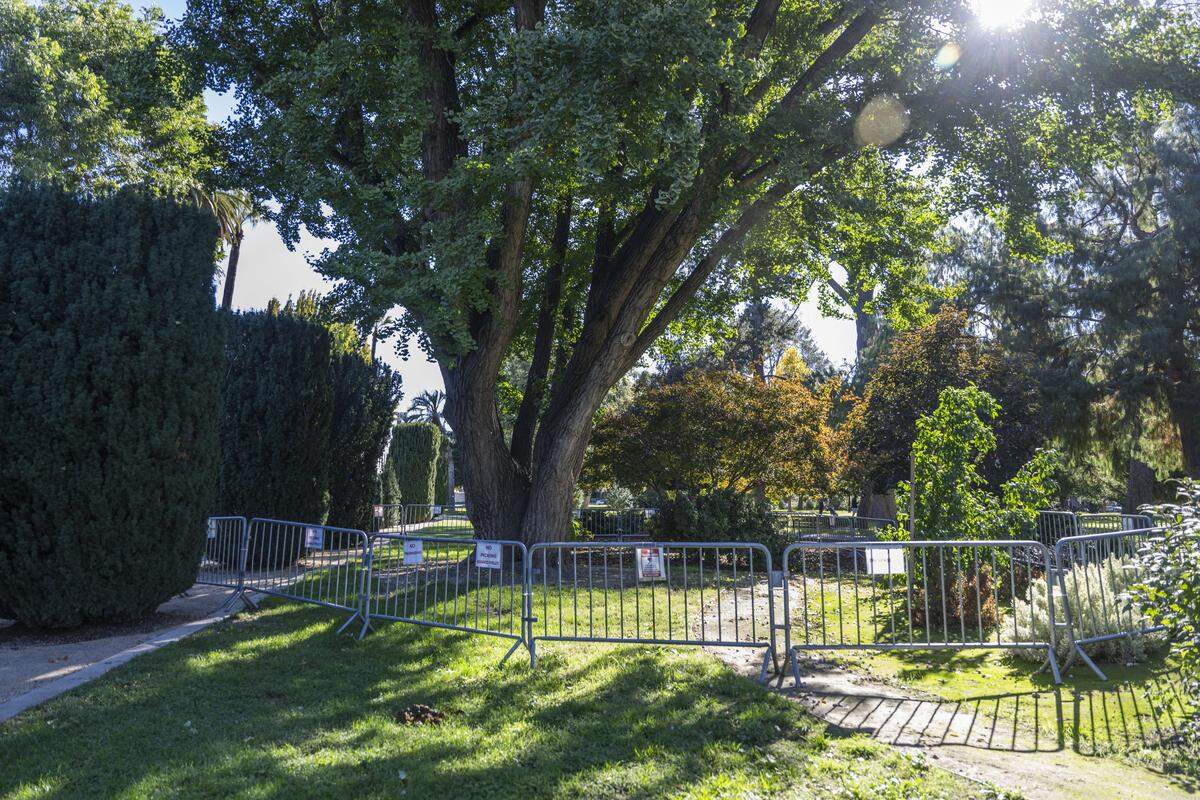
A ginkgo tree at the California state Capitol was fenced off this month because its putrid fruit was both a slip and a sniff hazard.
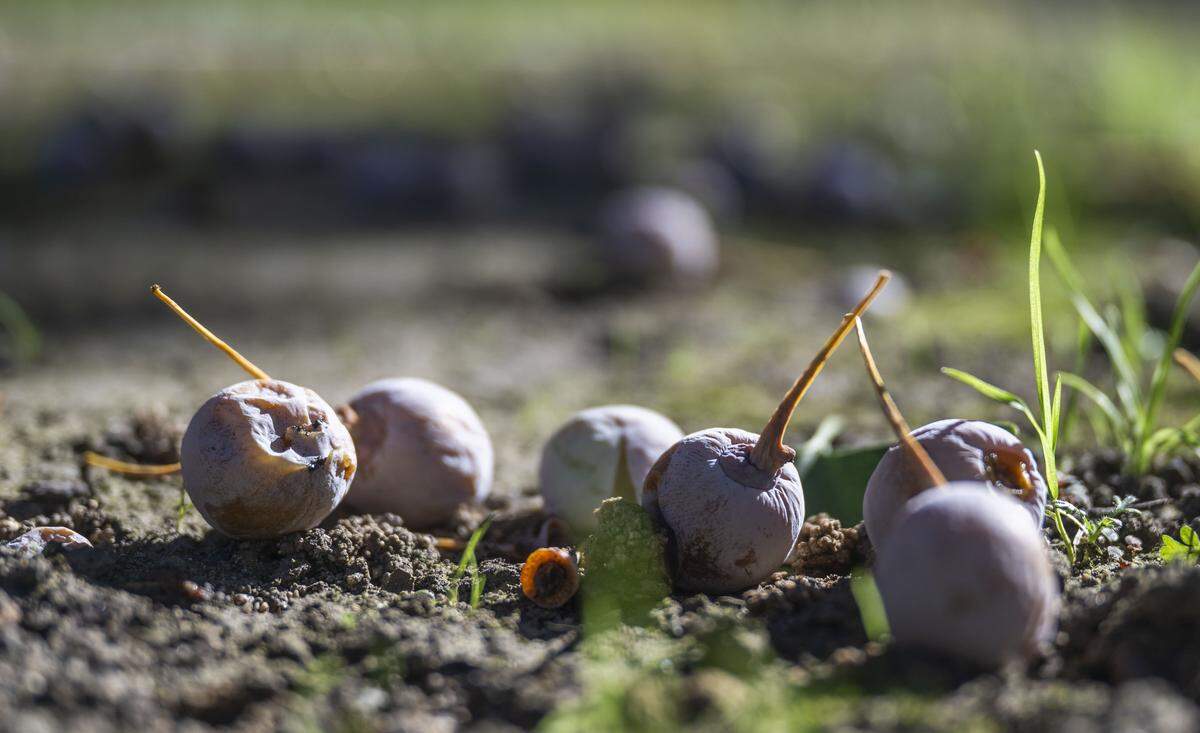
Incidentally, the berries — technically seeds with a casing — do contain toxins and should be handled only with gloves. However, Department of General Services officials said that staffers who work in Capitol Park were primarily concerned that people might step on fruit that fell to the ground, or that foragers might leave berry detritus because they were only after the seeds inside.
Spokesperson Jennifer Iida explained that any unsuspecting person dragging a berry underfoot could be “leaving the slippery flesh of the fruit on the sidewalk, lawn and the roadway creating an unpleasant smell and a potential safety hazard.”
Ned Friedman, director of Harvard University’s Arnold Arboretum, wrote in an essay that a ginkgo’s seed coat contains butyric acid. “This,” he explained, “is the same chemical that dominates the smell of rancid butter and vomit.”
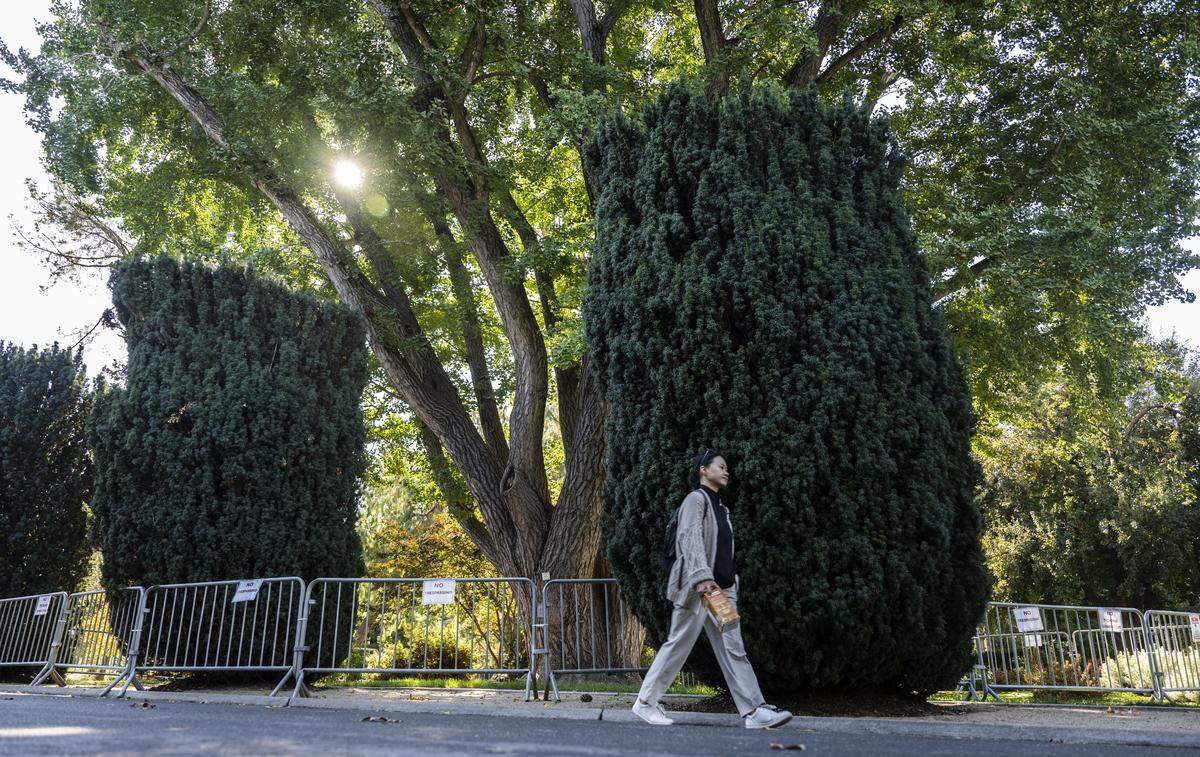
Vomit is not something that many people enjoy smelling, and Iida said the department has received many complaints that the two fruiting ginkgos, members of an ancient species with distinctive fan-shaped leaves that turn a stunning shade of yellow in the fall, just plain stink. These two trees, Iida said, are about 75 years old: One is in a publicly accessible area, and one is in a construction zone. Both are “in good health,” she said.
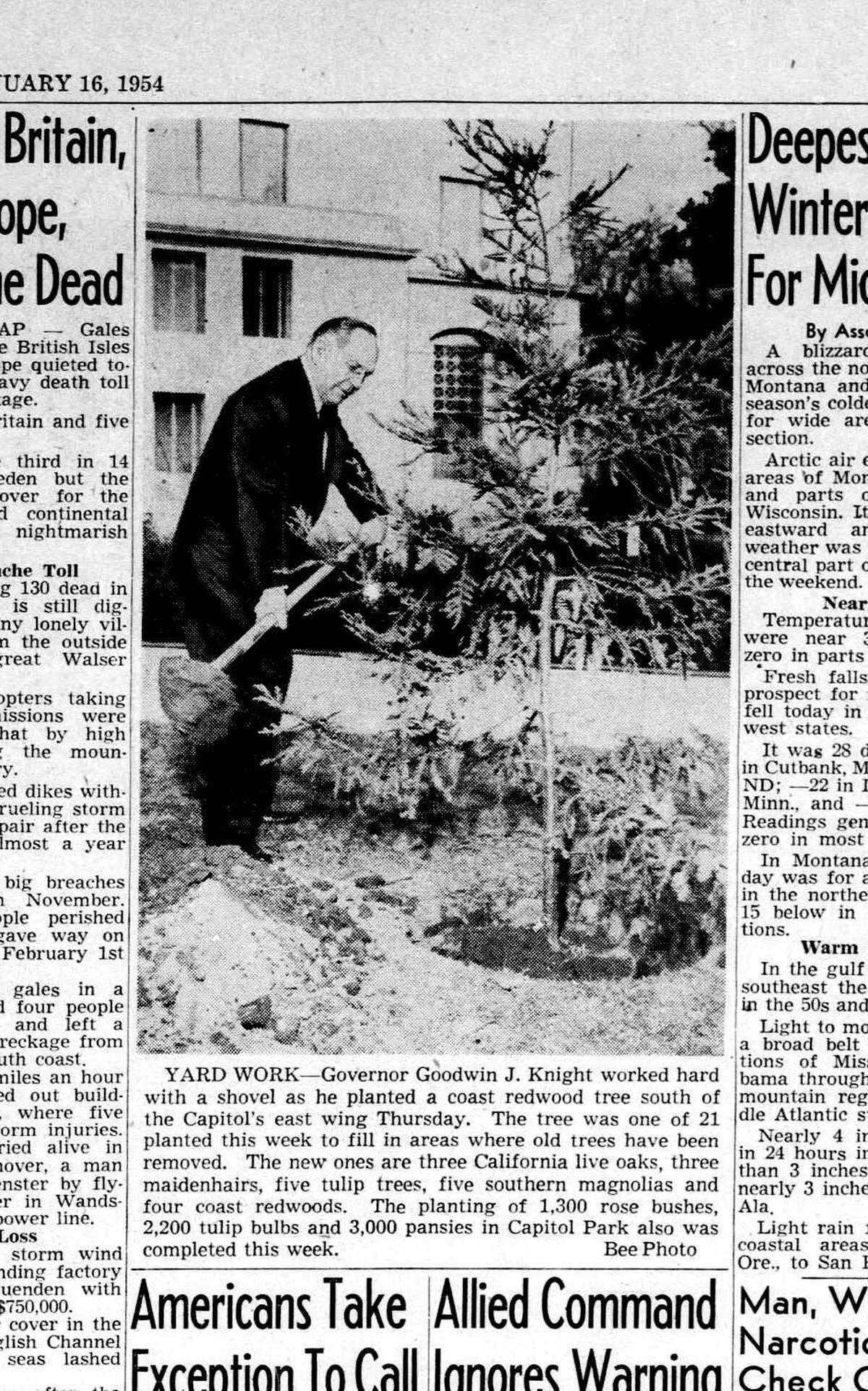
According to Bee archives, the trees were two of three ginkgo, or maidenhair, plants planted in 1954 by Gov. Goodwin Knight and other state officials to replace trees that had been removed in the park.
Foraging isn’t harmful to them but, Iida said, it might spread around their arboreal malodor.
And so, because of the possibility of bodily or olfactory injury, personnel in the Facilities Management Division elected to erect temporary gates around the trees. On these barriers, they have zip-tied laminated signs that say “NO PICKING GINKO FRUIT.”
Scrupulous observers of signs and barricades curious to take an even closer whiff can visit a nearby ginkgo tree fruiting in front of 2130 P St.
Why look for stinky ginkgo berries?
Foragers in the know have multiple ginkgo spots around town, but the fruit is relatively uncommon. Male ginkgo trees look pretty much the same as the female trees; despite the apparent similarity, the male trees are vastly preferred in U.S. landscaping because they do not bear fruit that smells like rancid butter.
If you can get past the smell to get to the seed, you can use those seeds in many classic Asian dishes, which have to be prepared carefully because the seeds also contain poisonous toxins that are lessened but not eliminated by cooking. The seeds are used in traditional Eastern medicines as well. Would-be Capitol foragers may be after the seeds as an ingredient, but they may also want to cultivate a bonsai tree.
Many people are most familiar with ginkgo biloba dietary supplements; those are derived from the non-toxic leaves, not the seeds.
While the supplements are often sold as memory-boosting, the National Center for Complementary and Integrative Health says that the evidence on ginkgo’s health benefits is inconclusive at best. You wouldn’t need a memory boost for the stench of a ginkgo berry, though. It’s unforgettable.