White House says recovery plan for wolves not necessary in California, elsewhere
The Trump administration said this week that it would not develop a new recovery plan for gray wolves, a move environmentalists say could be a first step toward removing endangered species protections for the apex predators in California and beyond.
Protections for wolves were removed during the first Trump administration, but reinstated after a legal settlement negotiated during the presidency of Joe Biden in 2022. The settlement added wolves back to a list of endangered species and required the government to either draft a new recovery plan or determine that one wasn’t needed.
“We find that a recovery plan for the listed gray wolf entities would not promote their conservation because listing is no longer appropriate,” Gina Shultz, acting assistant director of the U.S. Fish and Wildlife Service, wrote in a report issued Monday.
Wolves were hunted to local extinction in California but began to return in 2011 after a wolf known as OR-7 migrated into the state from Oregon. They now number between 50 and 70 in the state, a return that has been hailed as a conservation victory.
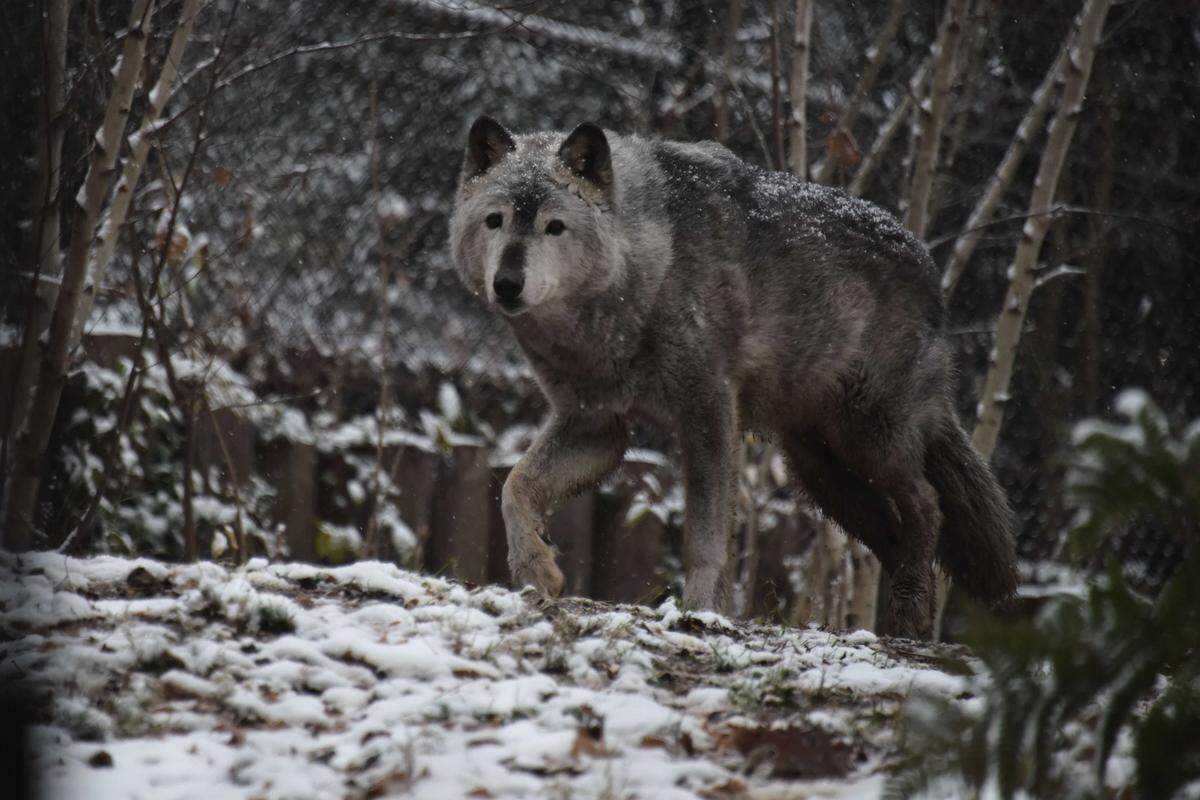
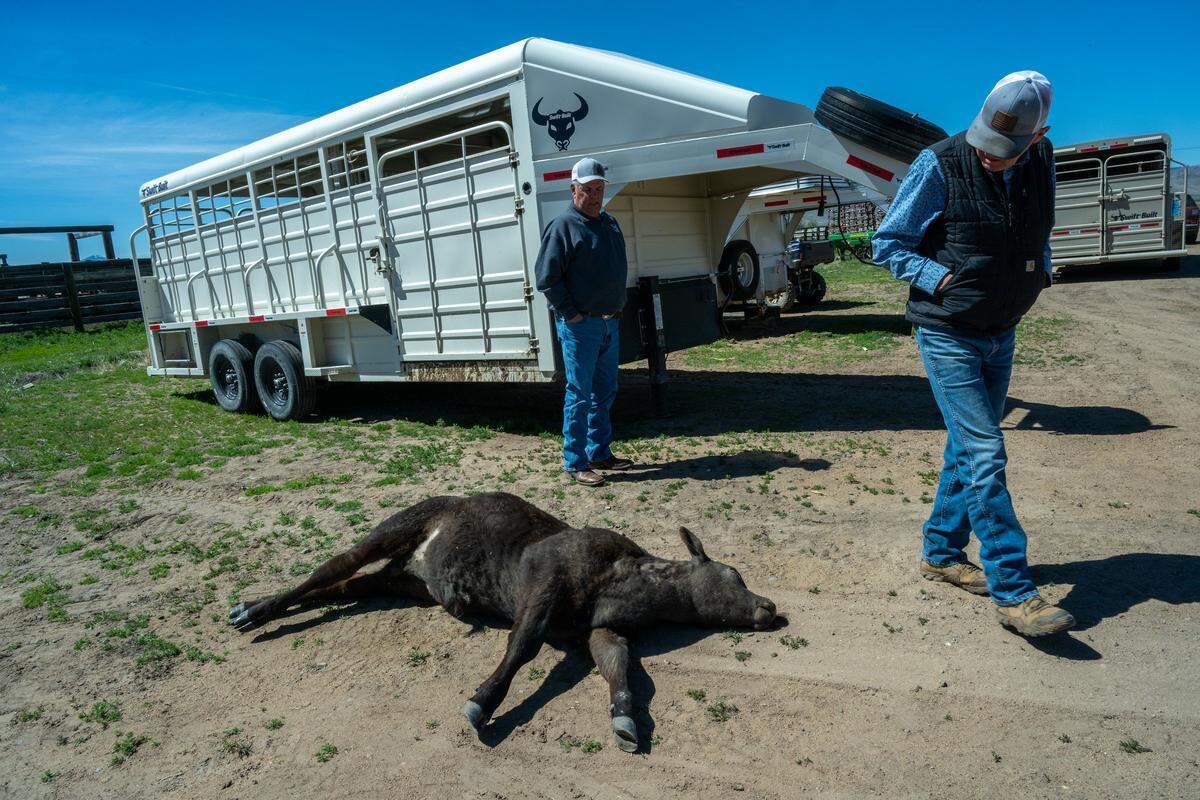
In recent months, however, wolves have been the center of controversy in the state’s northern cattle rangelands, where the Beyem Seyo pack killed more than 87 calves in about six months, leading state wildlife officials to euthanize four of them.
A search for the pack’s remaining three juveniles has been underway since late September, as the scientists and game wardens with California Department of Fish and Wildlife attempt to capture the three young males and move them to a sanctuary.
The administration’s finding that protections for wolves are no longer necessary is based on an outdated definition of their population, said Collette Adkins, carnivore conservation director for the Center for Biological Diversity, which filed the original lawsuit challenging the first Trump administration decision to de-list the animals.
The federal government’s rules, some of which date back to the 1970s, only look at wolf populations in the Great Lakes area and parts of the Northern Rockies, because that was the only place where they had survived the mass hunting that led to near extinction in other parts of the United States, she said.
Now, with budding populations of wolves in California, Oregon, Washington, Colorado and elsewhere, recovery plans should take into consideration other parts of the country, she said.
“Courts have repeatedly made it clear that our country’s gray wolves have not recovered in places like the southern Rocky Mountains and West Coast,” she said.
Her organization plans to file another lawsuit, challenging the finding that wolves do not need protection or a recovery plan, Adkins said.
In California, gray wolves are currently protected under both the federal and state endangered species acts. If federal protections are removed, the predators will retain protections under state law, she said.
The state is in the process of developing plans for a new phase of its own wolf recovery program. This new phase, which is based on the number of successful breeding pairs in the state, will ultimately allow ranchers and local law enforcement agencies a modest increase in the types of activities they can engage in to keep the animals away from livestock and human dwellings.