100-year-old Sacramento-area woman helped U.S. win WWII as a Rosie the Riveter
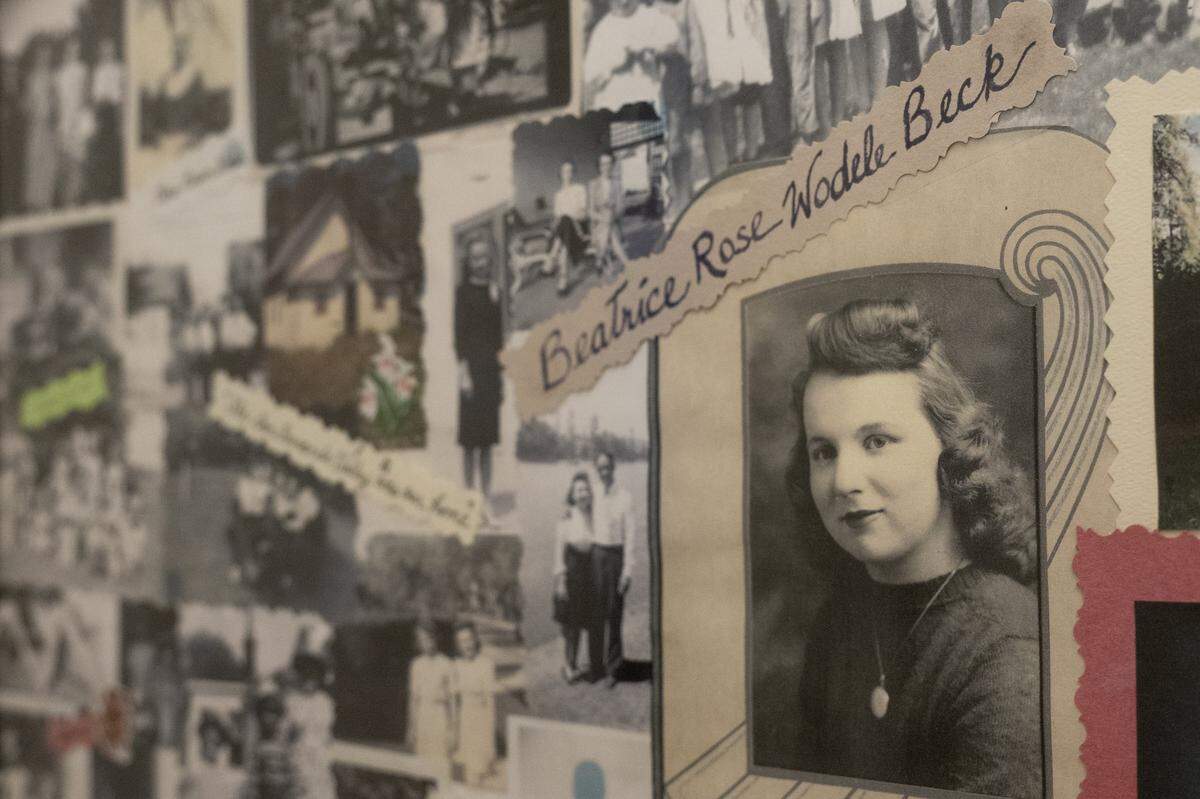
Beatrice Beck’s room holds reminders of the work she did during World War II.
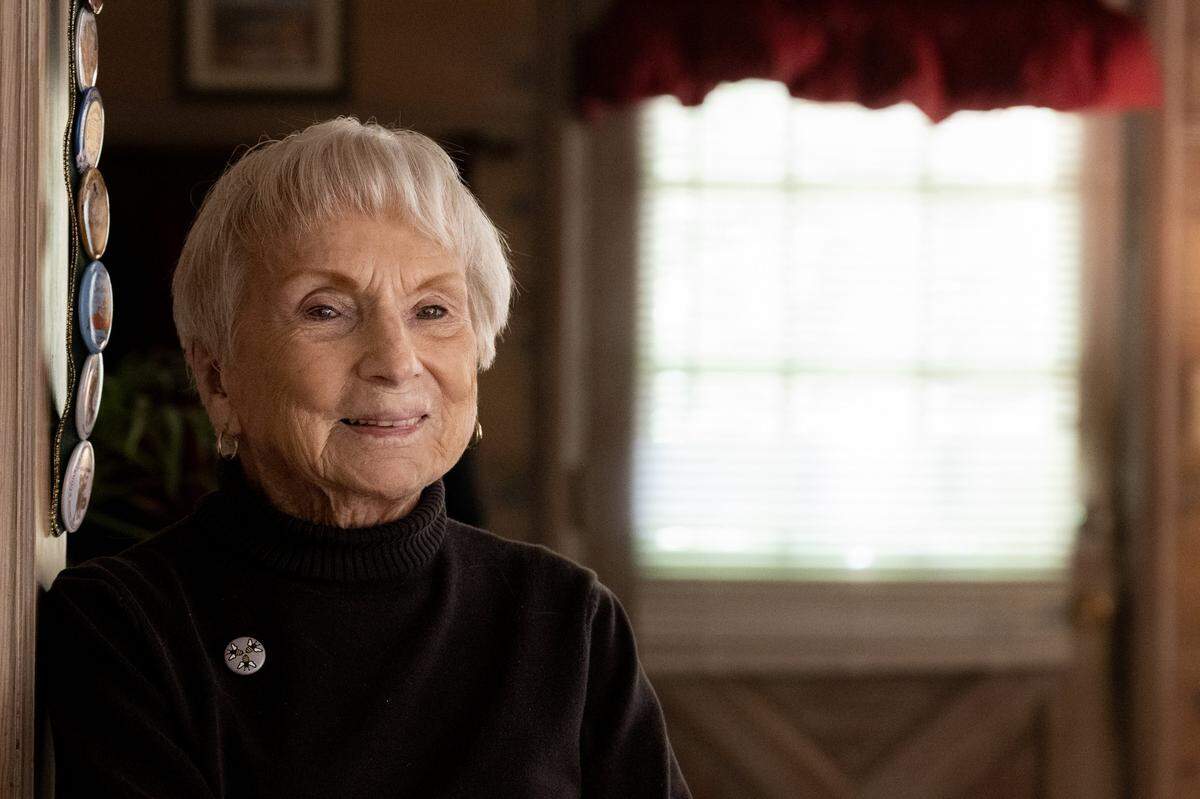
Beck, who is 100 and lives with her daughter in Nevada City, helped build planes during the war at what was then Lockheed Aircraft in Southern California. Beck and other women who built planes, ships and more, reflecting a popular icon, Rosie the Riveter that was on wartime posters, in a song and in a film.
In Beck’s room, a framed local newspaper article from last December commemorates her milestone birthday. Multiple Rosie illustrations are on her walls. On a counter, there’s a Rosie the Riveter coffee mug.
Beck is part of a group whose vital service during the war has led to late-in-life recognition. The Rosie the Riveters got a Congressional Gold Medal in 2024.
There were millions of these women at the peak of World War II. Today, former Rosies who are nearly 100 come to the Rosie the Riveter World War II Home Front National Historical Park in Richmond to tell their stories to visitors, said Sarah Pritchard, executive director of the Rosie the Riveter Trust.
But to Beck, who is shy and unassuming, what she and the other women did during the war was just work.
“I didn’t mind doing it,” said Beck, during an interview at home in Nevada City. “It was okay.”
How the Rosie the Riveter movement started
During World War II, the idea of Rosie the Riveter was used to recruit women to work in defense factories in place of men who were being drafted into the military in large numbers following the attack on Pearl Harbor in December 1941.
“Rosie’s got a boyfriend Charlie,” went part of the song “Rosie the Riveter,” recorded by Four Vagabonds in early 1943. “Charlie, he’s a Marine. Rosie is protecting Charlie. Workin’ overtime on the riveting machine.”
It wasn’t the only Rosie the Riveter-related media to come out in 1943.
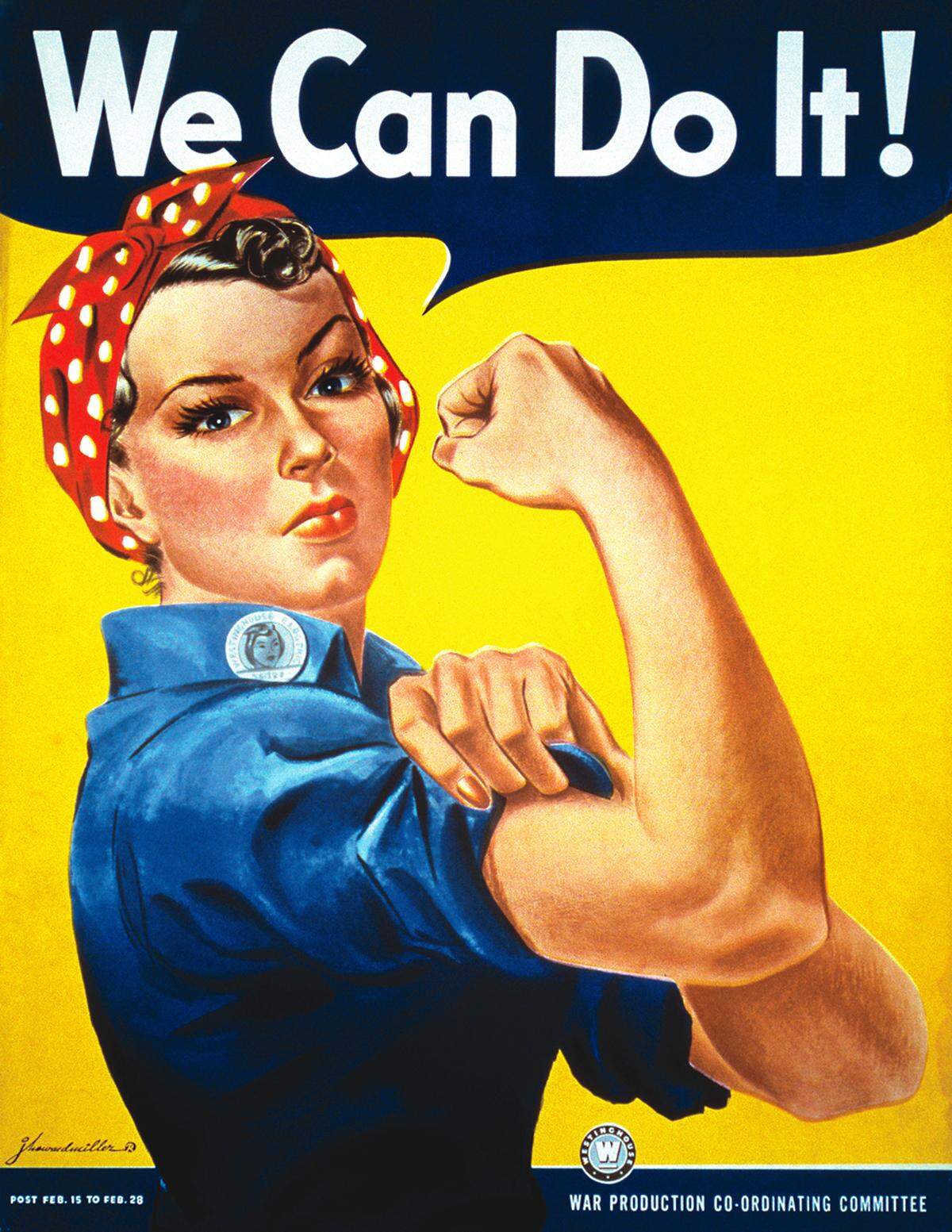
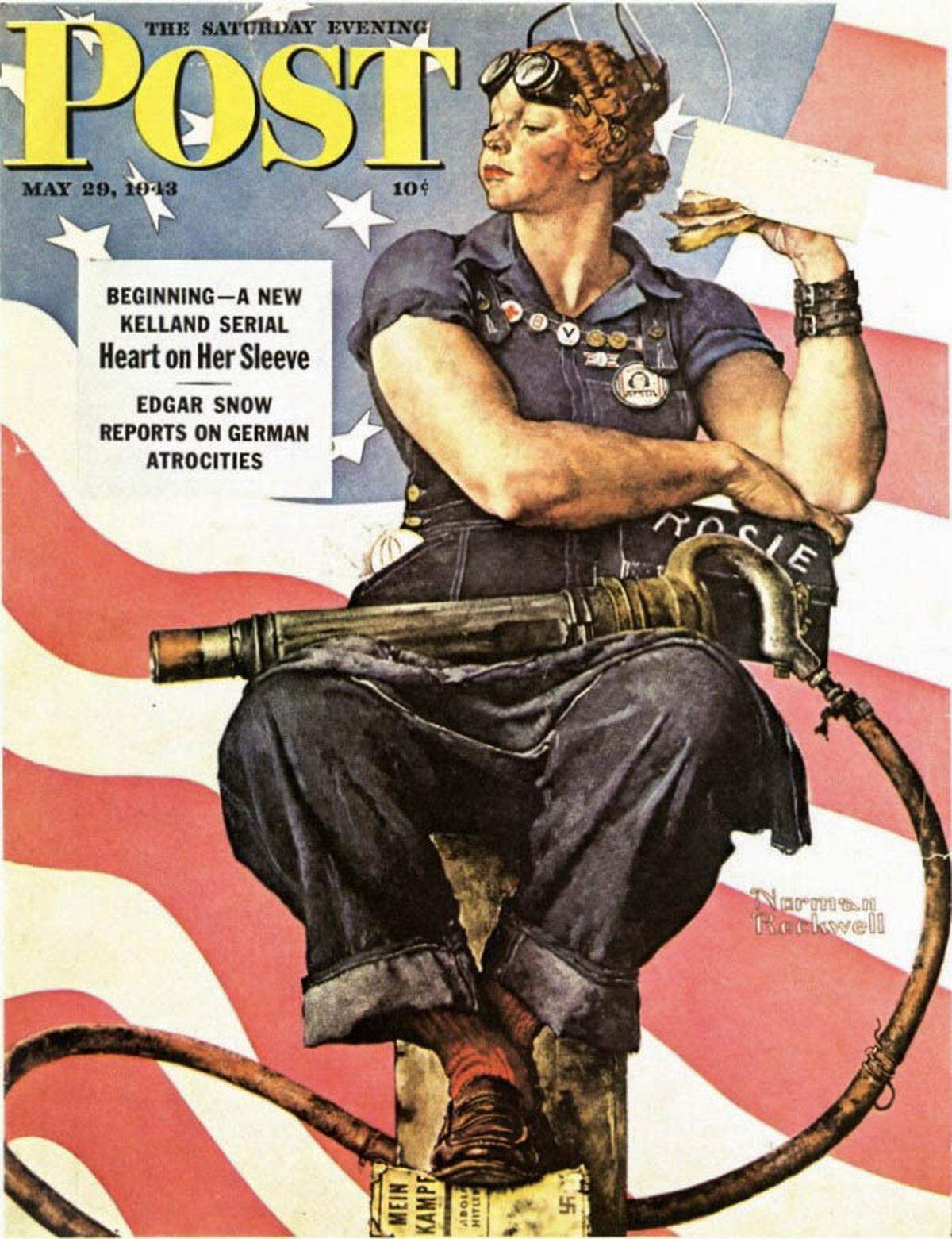
Norman Rockwell did a painting of Rosie for the May 29, 1943 cover of The Saturday Evening Post. A few months before that, J. Howard Miller created the “We Can Do It!” poster for Westinghouse Electric. Kim Guise, senior curator for The National WWII Museum in New Orleans said Miller’s poster was meant to be in use only a short time.
“It was kind of like a hiring poster, a job ad that was meant for their factory,” Guise said. “It was a corporate work but also tied into the recruiting of women workers.”
About this time, Beck, who was born Beatrice Rose Wodele on Dec. 27, 1924, was graduating from high school in Wabasha, Minnesota. She’d been one of 18 children born to a woman who won a $500 diamond ring on Art Linkletter’s radio show in 1947 because no one else on the show had so many kids.
As for Beck, by 1943, she’d tired of life on the 320-acre farm she’d grown up on. “She decided she didn’t want to be on a farm anymore because all those kids had to do all the farm work,” said Beck’s daughter Sandy Beck, a retired nurse who has her mother living with her in Nevada City. “They were the hands.”
Beatrice Beck already had two sisters, the future Bernice Kondro and Catherine Whitcomb, who were living in Southern California. She decided to hitch a ride with her brother John Henry Wodele, Sr., who’d been drafted into the military, out to California to be with her sisters.
At least three of Beatrice Beck’s brothers would serve in World War II.
Going to work at Lockheed
Wodele and Beatrice Beck arrived in California in July 1943. Her daughter said that by about August, she’d gone to work at Lockheed in Burbank where her sisters had gotten jobs.
This came as more women were working. Ellen Hartigan-O’Connor, a UC Davis professor and historian of women and gender, said there were 18 million women in the paid workforce at the end of WWII, compared to 11.5 million women before the war. They were also landing better work with the roles at places like Lockheed.
“It’s very physical labor, but it’s categorized as skilled in new kinds of ways that offer women higher pay and… in some ways, better working conditions,” Hartigan-O’Connor said.
There was a broad cross-section of women. Some, like Beck, were just out of high school. Others had children who received some of, if not the first government-subsidized childcare, while the moms went to work.
“They were just regular folks who stepped up to do extraordinary things,” said Letitia Moore, former board president for the Rosie the Riveter Trust.
Without the work the Rosies were doing, the war might not have been winnable for America. Tom Butt, a founding board member of the Rosie the Riveter Trust, is former mayor of Richmond, where the Rosies built ships. “The only way the allies could really get ahead in that war was to get more ships out there faster than the Nazis could sink them,” Butt said.
At Lockheed, work was so critical and guarded that camouflage covering was used to make the factory resemble a residential neighborhood and deter Japanese bombing raids. The job was far from recreational, though Beck had the chance to socialize after tasks were done. “It wasn’t fun doing the work, but after we did what we did, we sat and jibber jabbered,” she said.
There was also a romantic component. Beatrice Beck and Bernice Kondro each married men who’d worked for Lockheed.
Beatrice Beck didn’t remember how she met her husband Andrew Beck, who was 16 years older than her and died in 1999 at 91. Sandy Beck said her parents met on the bomb bay rack of a B-17, one of the planes her mother worked on.
Andrew Beck had been born in Pennsylvania and came to California around the 1930s when he’d done crew work on films like “Mutiny on the Bounty.” He’d tried to enlist in the military but was unable to pass the physical, his daughter said. She said he had a double hernia and high blood pressure.
The interview with The Sacramento Bee took place on what would have been Beatrice and Andrew Beck’s 80th wedding anniversary.
After the war
Like many women, Beatrice Beck was laid off from Lockheed in the months following America’s victory in the war. In general, Rosies were overlooked after the war in favor of men who were returning from the military.
Unlike many women, though, Beatrice Beck’s story working in aviation wasn’t close to finished. Sandy Beck said that when she was a young girl, her mom returned to Lockheed. Aside from occasional layoffs when work got slow, Beatrice Beck worked for Lockheed until 1986.
“When I tell people she was Rosie the Riveter, I say, ‘And then she continued building planes until she retired,’” Sandy Beck said.
Asked what motivated her mother to work for Lockheed as many years as she did, Sandy Beck replied, “She knew how to do it and it was decent money.” She also noted that there were good benefits and an old-fashioned pension that Beatrice Beck was still drawing.
Beatrice Beck is also slight but determined. Cathy Biondi, a longtime family friend, said she’d welcomed the Beck women to a mountain gathering when Beatrice Beck was in her 70s. Biondi’s long driveway had three feet of snow. Some men in their 20s tried to dig it out but gave up. Eventually, Biondi realized Beatrice Beck wasn’t inside.
“Bea was just out there all by herself with the snow shovel and dug the entire thing out... all the way out to the street,” Biondi said.
In the post-war years, people close to Beatrice Beck like her nephew Peter Wilke, 75, sometimes heard her talk about the work she was doing for Lockheed. “She would tell me about work on the assembly lines and the kind of conditions,” Wilke said. “Everything had to be just so. And they had to make sure that once the part moved on, it was ready.”
Still, she hasn’t always been one to regale those around her with stories of her wartime service. Her great-nephew Ryan Wodele, a 47-year-old Navy veteran, said he’d only become more aware of Beatrice Beck’s service in the past seven or eight years.
“She’s very humble and she’s fairly quiet and doesn’t kind of have long stories about those days,” Wodele said.
Sandy Beck and her mother go for walks of at least 30 minutes every day that weather permits. They sometimes get recognized in public. “Now you’re popular,” Sandy Beck said to her mother during the interview for this story. “People on the street come up and talk to you.”
Hartigan-O’Connor said the Rosies were important for people to understand that women were “fully part of the American past and that their efforts in labor and in activism during World War II helped create the world that we live in today.”
Guise said she wanted it to be that when people think of the Greatest Generation, the term given to people born from roughly 1901 to 1924, they picture women alongside men.
“These women are a force of nature,” Guise said.
If you go…
What: Rosie the Riveter World War II Home Front National Historical Park
Where: 1414 Harbour Way S #3000, Richmond, CA 94804
Hours: 10 a.m. to 5 p.m. daily
Cost: Free
More info: https://www.nps.gov/rori/index.htm
This story was originally published December 13, 2025 at 5:00 AM.