‘Luminous’ supermoon, 2 meteor showers to light up California sky. Here’s when
A larger-than-usual full moon and two radiant meteor showers will soon dance in the California night sky.
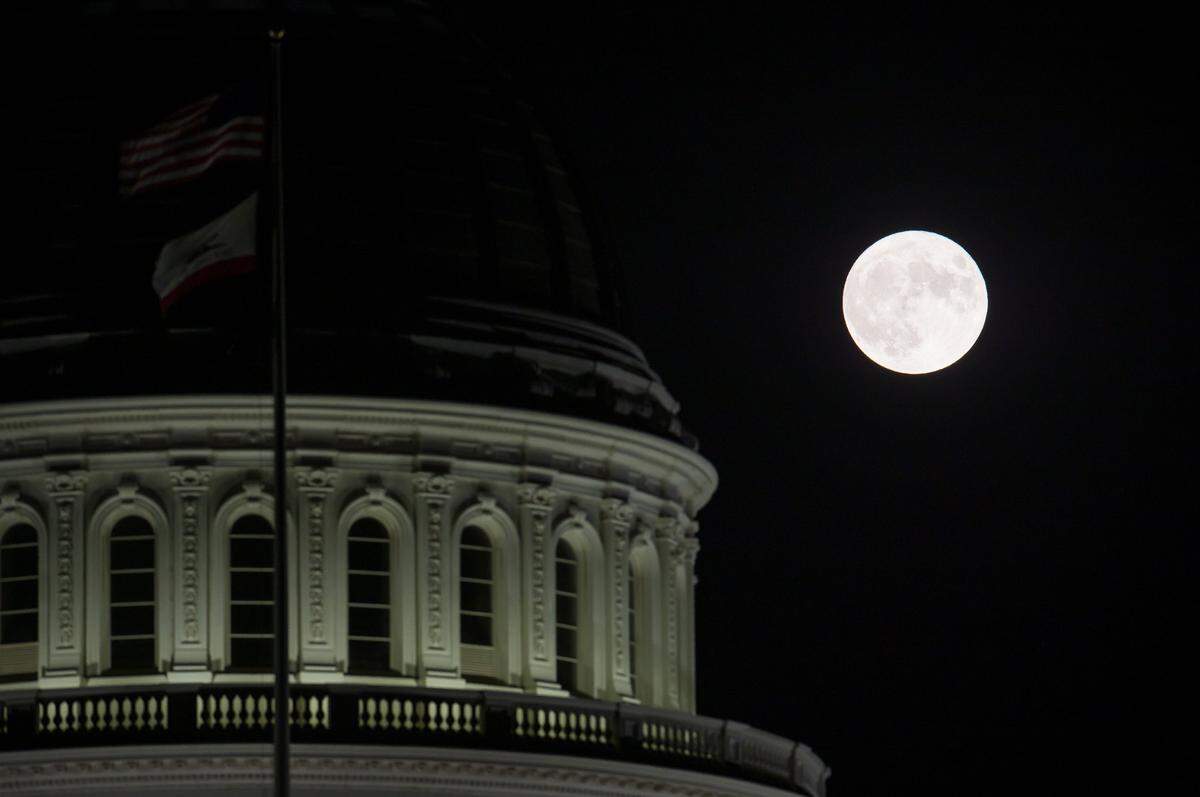
The final full moon of 2025 will also be a supermoon, appearing bigger and brighter to astronomical observers.
It’s the third massive moon in a row to appear above California.
This “rare streak” of supermoons presents an uncommon opportunity for skywatchers, according to National Geographic.
Here’s how to catch some of the most dazzling celestial sights in store this December.
When to watch December supermoon in California
The 12th full moon of 2025 will reach peak illumination at 3:14 p.m. on Thursday, Dec. 4, according to online calendar Time and Date.
The supermoon will look larger than typical because the full moon is happening at perigee — the point when the moon is at its closest to Earth, National Geographic said.
“At this time, the moon can appear up to 14% larger and 30% more luminous than when it’s at its farthest point from our planet, known as its apogee,” the publication said.
December’s cold supermoon is the third of three supermoons scheduled to take place in 2025, according to the Old Farmer’s Almanac.
The large winter moon can create slightly higher tides, called king tides, along California’s coastlines, “though the effect is modest,” the almanac said.
The Golden State is also one of the top 10 states in the nation to view the cold supermoon, according to the Supermoon Visibility Index from Action Network.
California ranked No. 6 on the list, with New Mexico landing the top spot. The index based its rankings on “sky clarity, humidity, elevation, and darkness,” the Action Network said.
How did cold moon get its name?
The December full moon is called the cold moon, according to the Old Farmer’s Almanac.
Originating from the Mohawk peoples, the name refers to the seasonal drop in temperatures that occur throughout the last month of the year.
In the United States, the December full moon has also been called the long night moon, since it rises amid some of the longest winter nights, as well as the drift clearing moon, the snow moon, the frost exploding trees moon and the hoar frost moon, the almanac said.
According to the Almanac, ancient pagans in Europe named it the “moon before yule,” referencing the winter solstice Yuletide festival celebrating the return of sunshine and longer days.
How to see Geminid meteor shower
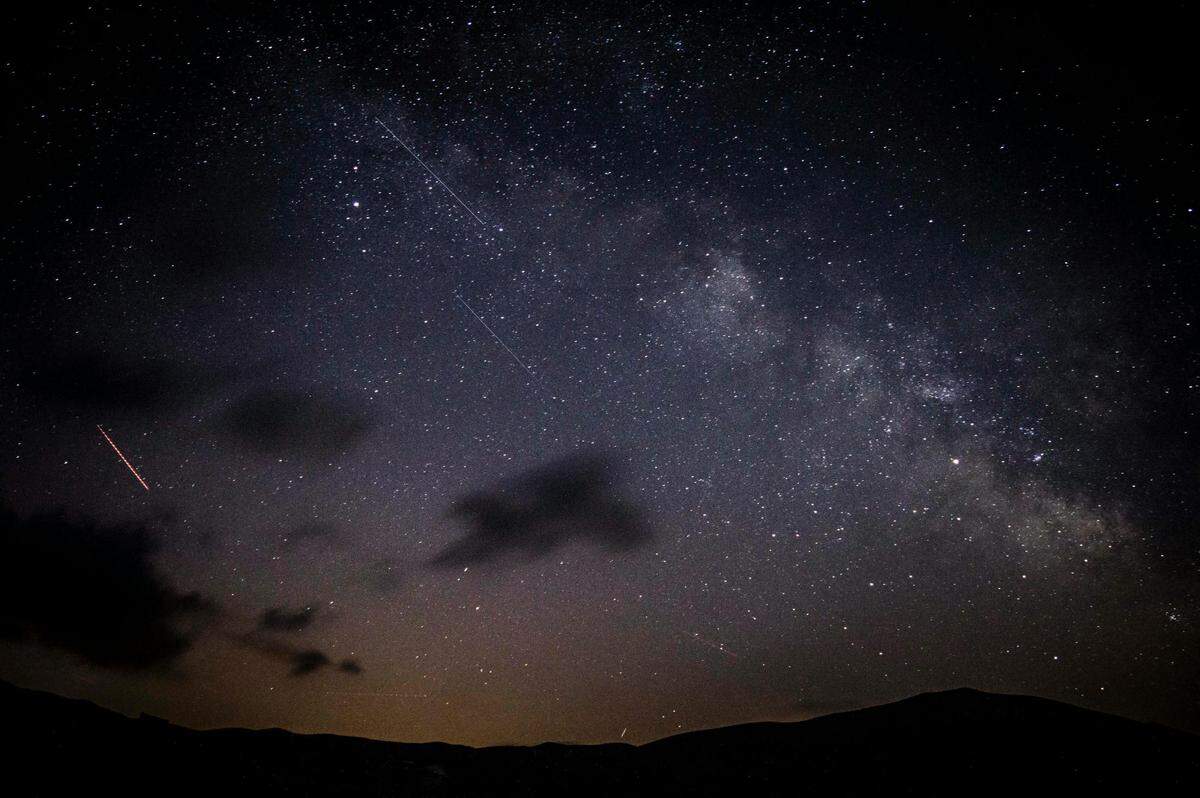
One of the most prolific and reliable meteor showers of the year will peak overnight from Saturday, Dec. 13, into Sunday, Dec. 14.
During its peak, the Geminids produce between 60 and 120 meteors per hour under pristine dark sky conditions, National Geographic said.
The fast and bright meteors originate from the asteroid 3200 Phaethon and tend to be yellow in color, according to NASA.
The sparkling shower begins around 9 or 10 p.m. and lasts until dawn, NASA said.
Stargazers have the best chance of sighting shooting stars if they venture away from city lights and lie flat on the ground, looking up with their feet facing south, the space agency said.
This year’s shower is “exceptionally favorable” because skies will remain dark until the waning crescent moon rises around 2 a.m., according to National Geographic.
“Watch for the spectacle’s yellow-tinged streaks and especially bright flashes, known as fireballs, which can appear anywhere in the sky,” National Geographic said.
When is the winter solstice?
The shortest day of the year — when California experiences the fewest hours of sunlight during the day — takes place on Sunday, Dec. 21.
The winter solstice marks the start of the winter season and the longest night of 2025, according to the Old Farmer’s Almanac.
The solstice occurs when the sun travels south in its path across the sky, the almanac said.
“On the day of the winter solstice, we are tilted as far away from the sun as possible, which means that the sun’s path across the sky is as low in the sky as it can be,” the Old Farmer’s Almanac said.
You can observe the solstice by standing outside at noon and taking a glance at your shadow, the Almanac said.
On the winter solstice, you’ll cast the longest shadow of the year due to the sun’s tilt.
What’s the best time to watch Ursid meteors?
The second meteor shower of the month peaks overnight from Sunday, Dec. 21, into Monday, Dec. 22, according to National Geographic.
While not as abundant as the Geminids, skywatchers can still observe up to 10 shooting stars per hour under dark, clear skies and a dim crescent moon, National Geographic said.
The majority of meteor activity takes place in the hours right before dawn, but shimmering streaks could appear at any time of night, the publication said.
This story was originally published December 3, 2025 at 5:00 AM.