
El Dorado County residents denounce new public comment policy. ‘Ludicrous’
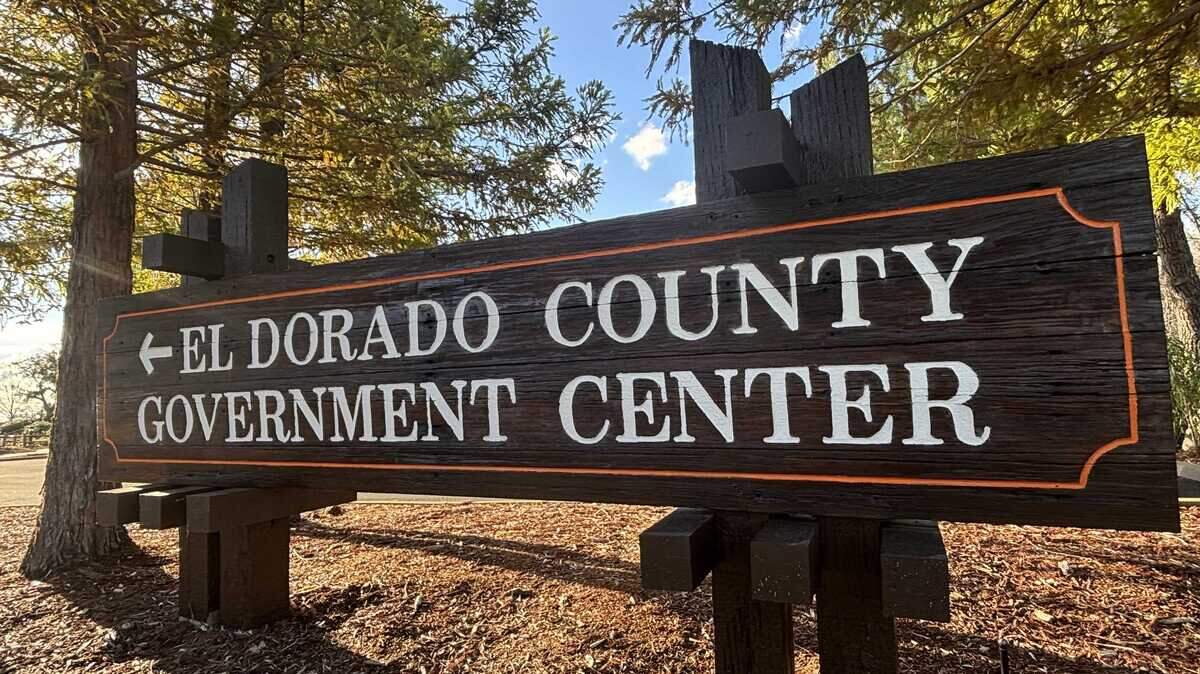
Several El Dorado County residents expressed their displeasure with changes, which took effect Tuesday, to the public comment period of Board of Supervisors meetings.
The changes stem from a Nov. 18 item during which the Board of Supervisors discussed “potential adjustments to the format of regular Board meetings.” The November agenda did not mention any changes to public comment but listed the change in posted meeting minutes. The new policies were announced publicly in a Dec. 22 email after the board unanimously voted to approve a new method to hear from constituents.
During the November meeting, staff were directed to make two changes to the public comment sections.
- The first change affects the Department Matters section of the Board of Supervisors meeting. Previously, residents were allowed to make three-minute comments before each item was heard. Now, under the new change, an individual has a single three-minute comment at the beginning of the section during which they can speak, said El Dorado County resident Gina Posey.
- The second alteration combined the public comment for both the consent agenda and closed session sections. Now, residents can speak once for both sections.
Both changes prompted concern from residents during Tuesday’s meeting.
“This is … ludicrous,” said Kris Payne, a 45-year El Dorado County resident, “and should be reconsidered. I don’t think it’s going to work in the long run.”
El Dorado County spokesperson Carla Hass did not respond to emailed questions. The new policy’s goal, according to the Dec. 22 email, is to “improve overall efficiency and make it easier and more convenient for the public to participate.”
Mary Chan, a treasurer with the Taxpayers Association of El Dorado County, cast doubt on the county’s desire to increase efficiency. The new rules force constituents to divide their 3 minutes across multiple unrelated topics and choose which topic they would like to voice their opinions.
“That filters participation rather than streamlining government,” Chan said.
Chan added a majority of California counties require public comments when agenda items are heard. El Dorado County is an outlier, she said.
David Loy, the legal director for the First Amendment Coalition, said although the Brown Act allows government agencies to make “reasonable rules” for its meetings, he is concerned that the strict time limit would unlawfully deprive residents of the chance to offer meaningful input on the board’s decisions.
“The right to give public comment cannot be reduced to a charade,” he said.