First okapi born at Sacramento Zoo is ready to meet you — and he needs a name
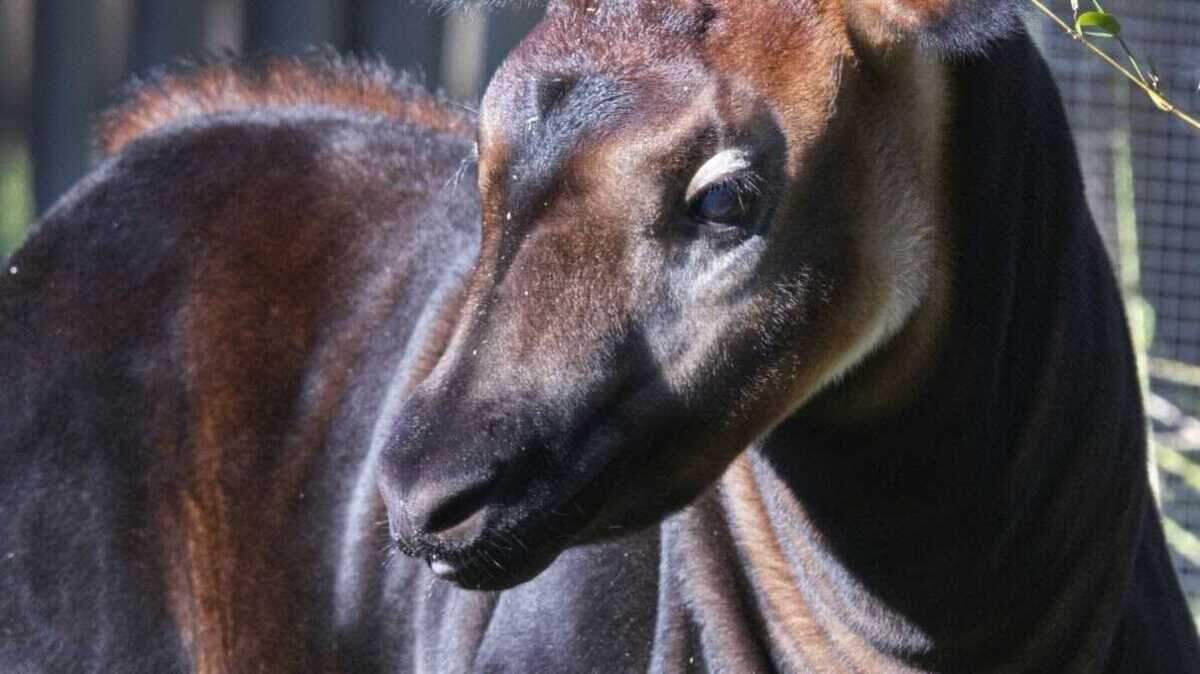
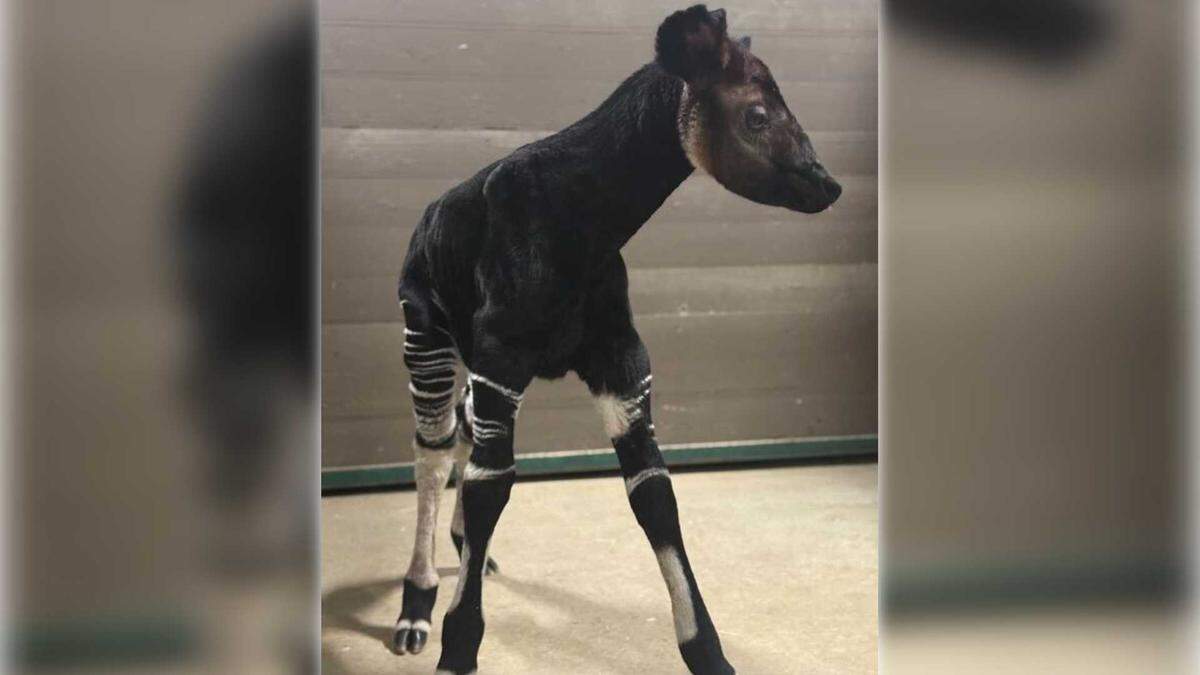
The Sacramento Zoo is inviting its supporters to help name its newest and rarest arrival — a male okapi calf born in October who became the first okapi ever born at the Land Park facility.
Zoo officials announced Friday that supporters can take part in a naming contest that will also raise money for animal care and conservation work. The calf, born to mother Kivuli, is now making his official debut to visitors after spending his first months largely out of public view.
As The Bee previously reported, the calf’s birth marked a milestone moment for the zoo and for okapi conservation. Zoo officials said both the calf and Kivuli were healthy following the birth, which occurred during the day and was partially visible to some zoo guests from the side yard of the okapi habitat. At the time, officials described the birth as the result of extensive collaboration across the zoo’s various departments.
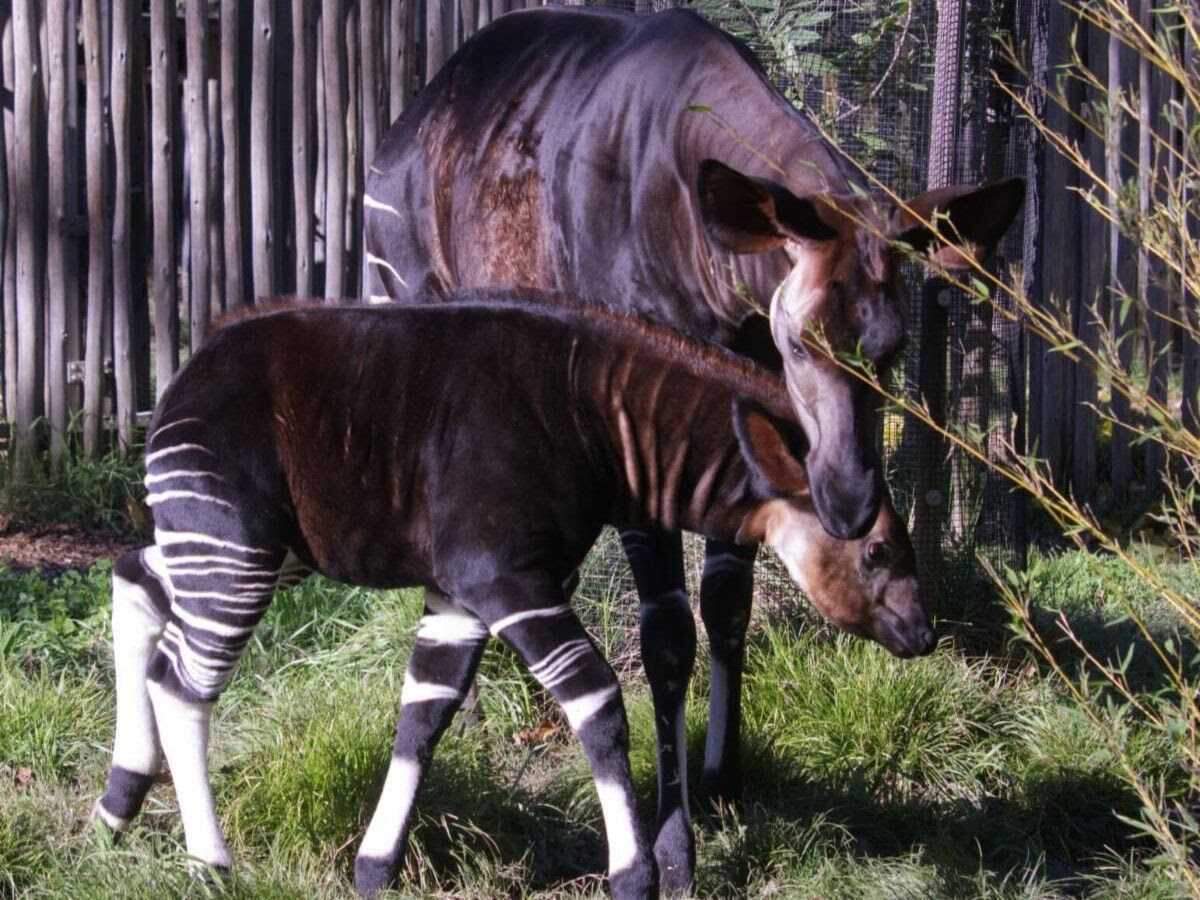
The vote comes as the calf and his mother are becoming more comfortable sharing habitat space together. Okapi calves typically spend their early months hidden, with little movement or visibility, a survival behavior common to the shy, solitary species.
The birth marked a milestone for the Sacramento Zoo and for okapi conservation. Okapi are the only living relative of the giraffe and are considered endangered in the wild, with conservationists estimating between 10,000 and 15,000 remain globally.
Here’s what to know about the okapi and the zoo’s naming contest and the animal itself:
How the naming vote works
The contest opened Friday morning and supporters can vote for their favorite name by donating through the Sacramento Zoo’s website. Each donated dollar counts as one vote, with a minimum $5 donation required to participate in the fundraiser.
“All proceeds help give world-class care of all the Sacramento Zoo’s animal residents and support conservation work around the globe,” the zoo said.
Members of the public can also submit write-in name choices on their ballot, which is available at saczoo.org/help-name-our-baby-okapi.
Voting ends at 5 p.m. Wednesday, Feb. 4, and the winning name will be announced the following Saturday, Feb. 7.
The name options
The zoo’s animal care team selected three finalist names, according to the zoo, each tied to the calf’s family or to okapi conservation:
Mambasa
Mambasa is a town in the Ituri Province of the Democratic Republic of the Congo, “land native to the okapi and an important location for the zoo’s conservation partner, the Okapi Conservation Project,” according to the zoo.
Mojo (or Mo Jr.)
“Mojo, or Mo Jr., names the calf for his adored father, Molimo,” zoo officials said.
Molimo arrived at the Sacramento Zoo from the Denver Zoo in 2018 and has since become a favorite among visitors.
Moki
“Moki is a term of endearment used by keepers for the calf, and is a combination of the names Molimo, the calf’s father who was born at Disney’s Animal Kingdom near Orlando, and Kivuli, the calf’s mother,” the zoo said. Kivuli arrived at the zoo in July 2024 as match for Molimo through the Okapi Species Survival Plan.
When can visitors see the calf?
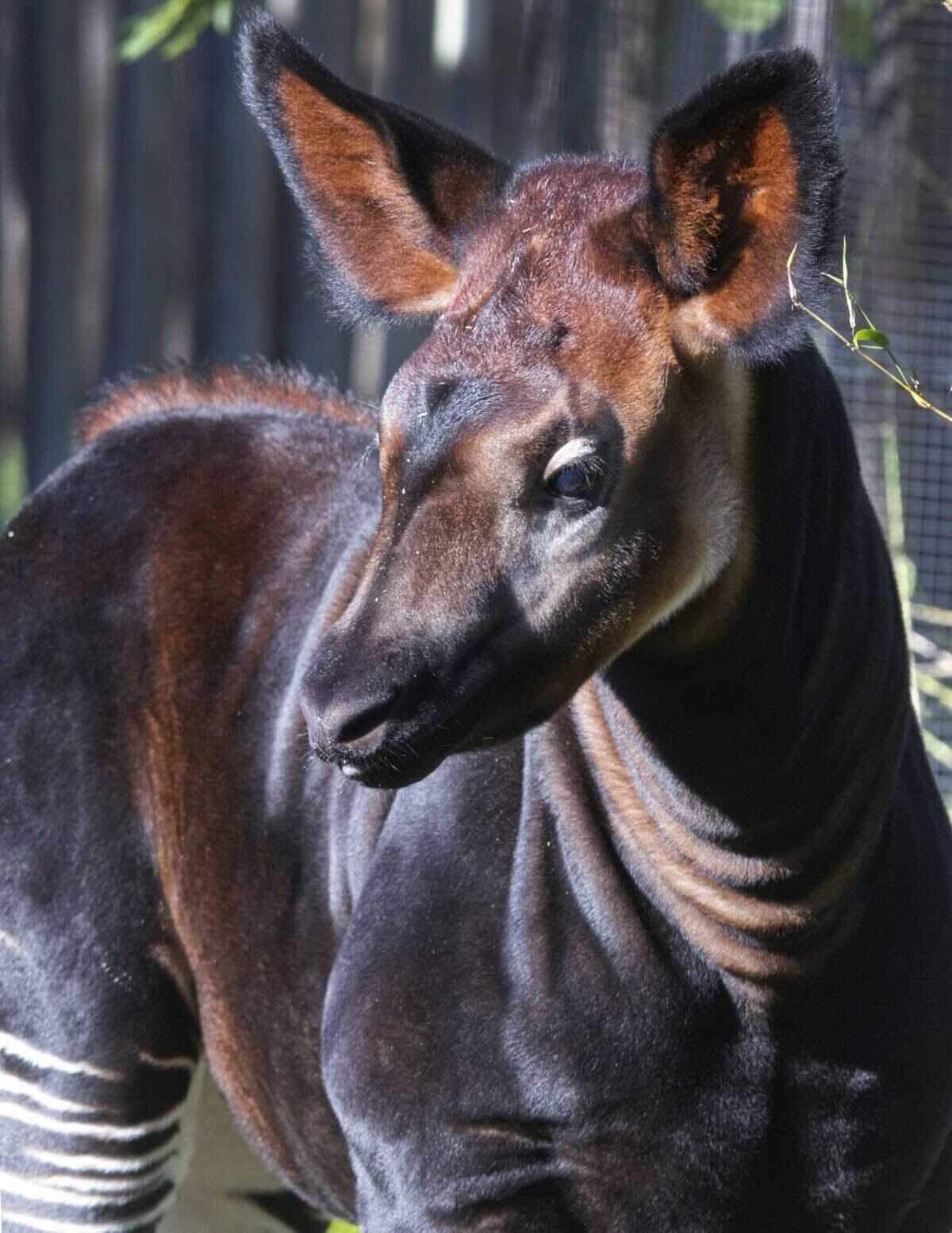
The calf and his mother are now spending time together on habitat, though sightings are not guaranteed, as okapi are generally shy animals.
“Okapi calves typically spend the first few months of their lives hidden, with little movement or visibility,” the zoo said. “As the calf grows, he becomes more adventurous and curious. Currently, the calf’s presence on habitat is guided by his comfort.”
Okapi mothers leave calves hidden and alone for long periods because calves have little scent, which helps protect them from predators in the wild.
A milestone birth for the zoo
The calf’s birth on Oct. 9 marked a major milestone for the zoo.
“This successful birth reflects teamwork across our animal care team, veterinary staff, facilities staff, horticulture team, nutrition, development and leadership,” zoo officials said in a statement at the time.
The birth was visible to some zoo guests, who had a partial view of the delivery from the side yard of the okapi habitat, officials said.
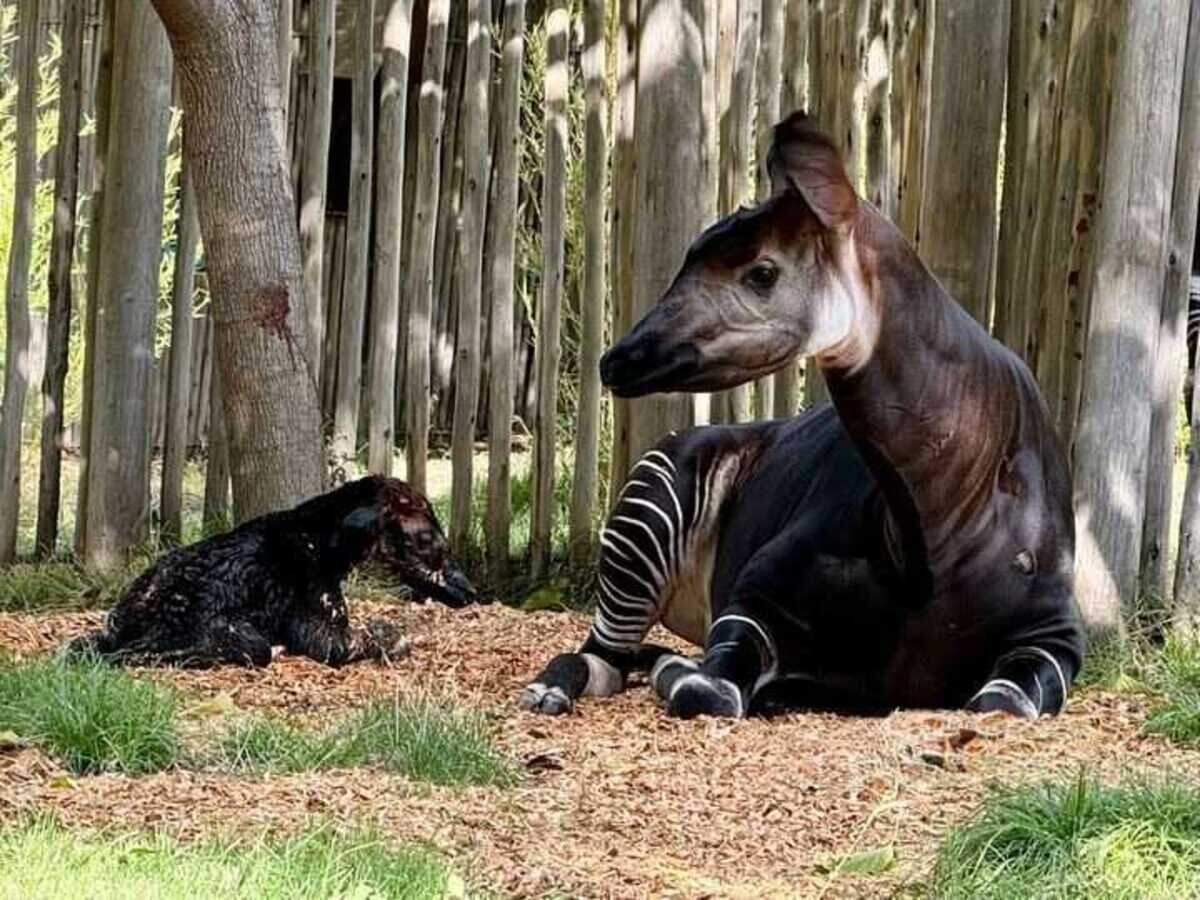
What is an okapi?
While they look like a zebra’s distant cousin, with distinctive striped markings on their hindquarters and legs, okapi are actually the closest living relative of the giraffe, and one of the oldest living mammal species on Earth, zoo officials said in recent Bee stories.
The herbivores are distantly related to deer and cows. It is native to the dense forests of central Africa, mainly around the Democratic Republic of the Congo. They are known for their shy nature, dark coats and distinctive white striping on their legs.
One distinctive characteristic of the okapi, according to the San Diego Zoo Wildlife Association is that they have a long, dark blue, prehensile tongue used to strip leaves from tree branches. Adults can weigh 400 to 700 pounds and stand about 5 feet tall at the shoulder.
Years in the making
As The Bee reported in 2019, okapi arrived at the Sacramento Zoo for the first time in decades with the opening of a new habitat designed specifically for the species the year before. The zoo became the first in Northern California to house okapi since the 1970s, marking a significant expansion of its conservation role.
There are currently around 100 okapi in the North American population, and the Sacramento Zoo is one of around 30 Association of Zoos and Aquariums-accredited zoos that care for the species, according to zoo officials.
Conservationists estimate okapi populations have declined by more than 50% over the past 24 years.
Are okapi endangered?
Yes, okapi are considered “endangered” by the International Union for the Conservation of Nature, with an estimated wild population between 10,000 and 15,000, according to conservation groups.
The artiodactyls can be elusive and mysterious, and their behavior suits their habitat, according to the Okapi Conservation Project. The mammals live mainly in closed, high-canopy forests, many of which are extremely difficult to study because of political unrest in their African range.
Why the birth matters
The species is threatened by habitat loss, poaching and armed conflict in its native range. Humans are the primary predator, according to the San Diego conservation group.
The Sacramento Zoo participates in the Species Survival Plan for okapi, which focuses on maintaining a healthy population in human care while supporting conservation efforts in the wild. Zoo officials have said the successful birth reflects years of planning and coordination within that program.
The Sacramento Zoo is the third institution to house okapi in California, with animals also living at the Los Angeles Zoo and the San Diego Zoo and Safari Park.
For zoo visitors, the naming contest offers a chance to take part in a rare moment — helping name an animal that represents both a local first and a global conservation effort.