
Why do enthusiasts like backcountry skiing? Educator talks ‘intensive’ sport
Tens of thousands of acres make up the central Sierra Nevada, and skiers have enjoyed the plentiful slopes and cliffs for years, no ski resort required.
Backcountry skiing recently entered the spotlight in following a historic, fatal avalanche in the Lake Tahoe area. Though it has existed as long as skis have, it took off in popularity in recent years, according to Wendy Antibus, education manager for the Sierra Avalanche Center.
It’s difficult to estimate the number of people who tour the U.S. backcountry in the winter, but a survey by Snowsports Industry America showed a significant year-over-year increase in backcountry alpine touring at the end of the 2022-2023 ski season.
Antibus compared backcountry touring to SCUBA diving, as it requires significant preparation and training before skiers and snowboarders are ready to safely participate.
Here’s what to know about this popular mountain sport.
What is considered backcountry skiing?
Simply put, backcountry activities are winter sports done outside patrolled resort bounds.
At ski areas, including resorts like Palisades Tahoe and Sugar Bowl, dedicated ski patrollers survey the mountain daily to determine which parts of the mountain can open for use, as well as prepare other areas with avalanche mitigation.
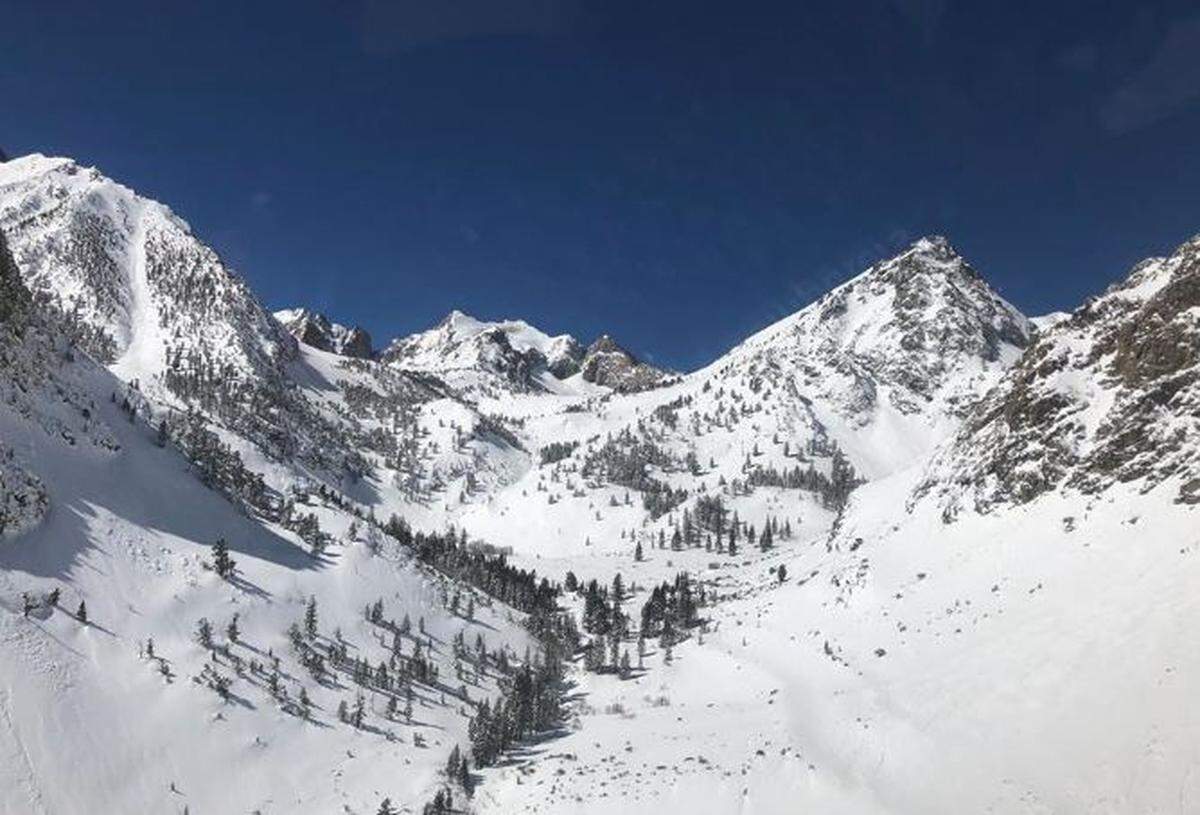
Areas beyond a ski area’s posted boundaries — whether they’re deep wilderness or open hills next to the highway — or in-bounds areas of resorts that are unmaintained are considered backcountry terrain.
These backcountry areas are not guaranteed to be mitigated for avalanches, though groups like the Sierra Avalanche Center and the U.S. Forest Service frequently visit the backcountry to monitor avalanche conditions and risks in any given area. That naturally invites risk to people who choose to recreate there, but many decide the reward is well-worth the risk.
Why do people ski and snowboard in the backcountry?
Skiing and snowboarding in non-patrolled areas comes with a variety of perks and challenges alike.
According to Antibus, many winter sports fans have turned to backcountry touring because of conditions at ski resorts.
Antibus said she and other backcountry skiers have noticed long lift lines, heavy traffic heading to resorts, difficulty parking and rising lift ticket prices at popular Tahoe-area resorts, which have pushed away lifelong fans. In the 2024-2025 season, more than 7.25 million people visited 36 California resorts, according to Ski California.
The COVID-19 pandemic led to a boom in backcountry enthusiasts around the Tahoe area as resorts temporarily shut down, according to Antibus. The mountains were more crowded and the introduction to backcountry safety classes she taught filled up in early and late 2020, she said.
Though the initial backcountry fever has since died down, Antibus said the number of people recreating in the backcountry remains higher than pre-pandemic. Though Antibus said it’s heartening to see a wide love for the sport, certain challenges have arisen as a result.
As backcountry terrain is not operated and maintained, the trailheads leading to popular runs usually don’t have designated parking, and on busy days the roads have started filling up with cars and folks heading out to catch fresh tracks or play in the snow, she said.
However, Antibus said the ability to ski “in a quieter place away from crowds and just connect with nature” outweighs many of the risks and downsides to skiing off-piste. Antibus said the problem-solving aspects of backcountry skiing are among her favorite thing about the sport.
“I think for me, the appeal is when I’m getting out and getting really good quality exercise,” she said. “I like and appreciate the challenge of finding good snow in the backcountry, safely.”
How can you get started backcountry skiing?
Antibus said one of the first thing aspiring backcountry travelers should strongly consider is taking a basic backcountry avalanche safety course.
“I have tremendous respect for the mountains and how capricious the weather can be, and also just how small I am as a human being and how I really need to think about and manage my personal risk,” she said.
The American Institute for Avalanche Research and Education developed a curriculum of avalanche safety courses which are offered all over the Tahoe area. The AIARE courses include one-day classes focused solely on rescue and best practices as well as an intensive two-level series that provide multi-day education on backcountry safety and avalanches.
The Sierra Avalanche Center has a list of providers who offer AIARE training courses in the central Sierra Nevada.
“I think people really underestimate how intensive of a sport it really is to get into, it’s more than just purchasing the gear you need to get out there,” Antibus said.
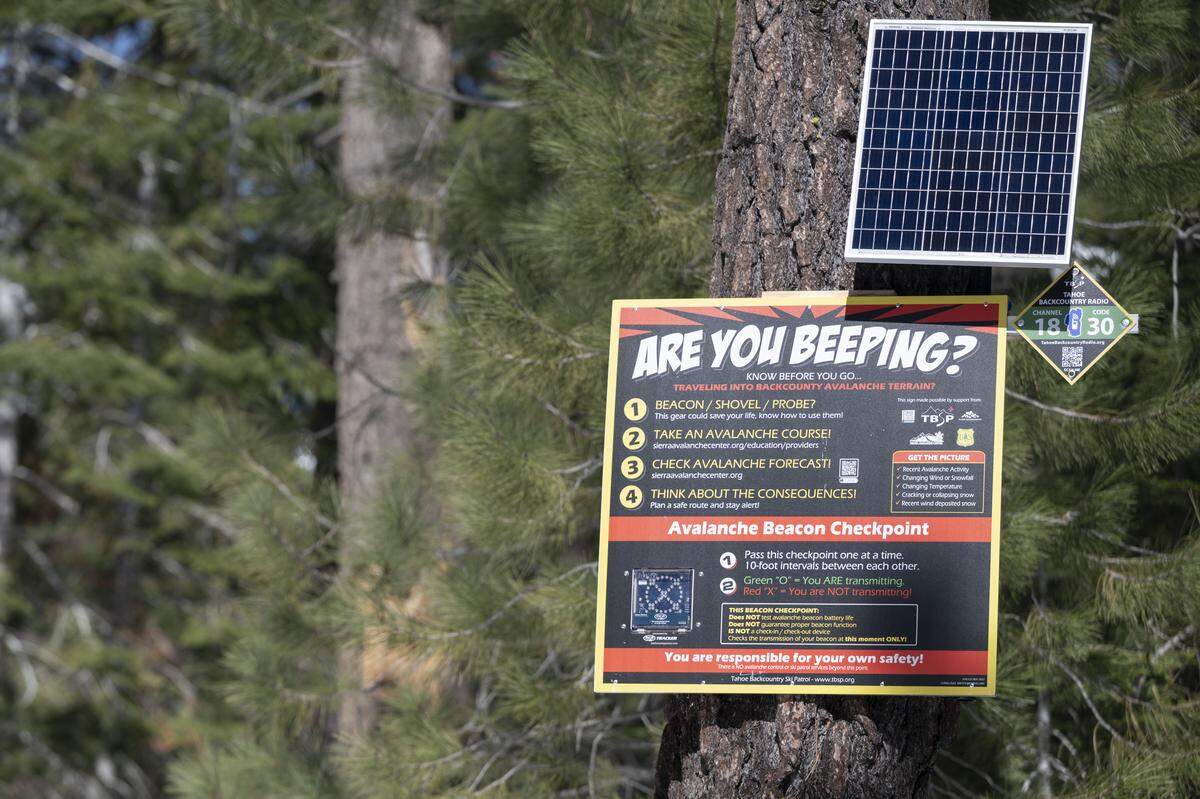
Once skiers and riders have the appropriate gear and training, The Tahoe Backcountry Alliance, which is a group of backcountry enthusiasts advocating for preservation of the Tahoe area’s backcountry recreation, has a map of known well-known trailheads to quality touring areas around the central Sierra Nevada on its website.
The alliance has also published an etiquette guide to responsibly enjoying off-piste terrain.
Skiers and riders are encouraged to carpool to the trailhead and avoid blocking the road when parking, and asked to respect the area around the trailhead when arriving.
On the mountain, folks should keep the area they are skiing in clean from litter and other waste as well as being courteous to fellow backcountry enthusiasts. Skiing safely through avalanche terrain and planning ahead to avoid triggering a slide is part of this courtesy, according to the advocacy group.
After a fun day touring, folks should be mindful of the area and avoid posting the exact location of certain hotspots on social media to prevent it becoming overwhelmed, the group said.
.jpg)