New bus shelters to shield Sacramento heat. Riders can help pick the design
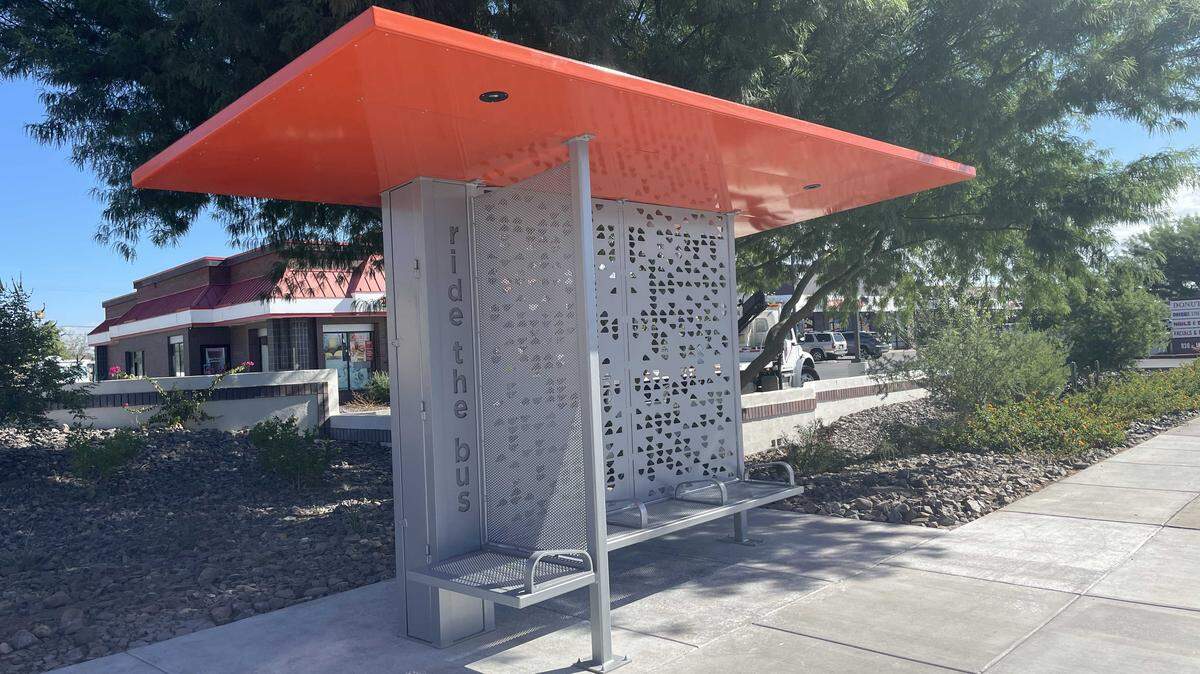
New bus shelters, which will be selected with input from Sacramento Regional Transit riders, are expected to provide relief from the capital city’s intensifying heat.
Through the end of this month, Sacramento Regional Transit riders can take a survey to help choose the design for about 16 to 20 new shelters aimed at reducing heat exposure as climate change drives higher temperatures in the region. Construction is expected to be completed next spring, RT spokesperson Jessica Gonzalez said.
In the survey, riders can select one of two heat-resilient designs for installation across RT’s more than 3,500 bus stops. Respondents can also explain why they are or are not satisfied with the existing 446 shelters and share their opinions on the importance of features such as climate protection, seating and ADA accessibility.
According to previous Bee reporting, seven of Sacramento’s 10 hottest summers occurred within the last decade. In response, the Extreme Heat and Community Resilience Program awarded Regional Transit a $449,900 grant in 2024 to construct the shelters, according to an RT news release. The program, under Gov. Gavin Newsom’s Office of Land Use and Climate Innovation, funds projects that reduce or prevent heat exposure.
The two bus shelter designs — labeled “Tempe” and “Brazos,” based on locations where they are already in use — are similar in cost and durability and feature a reflective roof designed to minimize heat absorption and keep riders cooler. The designs were selected after RT reviewed national studies, interviewed manufacturers and gathered feedback from a technical advisory group that included staff from surrounding cities, Sacramento County and North Natomas Jibe, a nonprofit that promotes sustainable transportation.
Notably, Both designs do not include glass, which riders said can trap heat by allowing sunlight in while blocking airflow and is often damaged by vandalism, according to RT’s 2023 Bus Stop Improvement Plan. Both include benches with armrests between seats — a design commonly used to prevent people from lying down.
The main difference is that the Tempe design is custom-made, while the Brazos shelter is prefabricated, which may be easier to maintain, Gonzalez said.
“SacRT is particularly interested in hearing which design riders prefer and what specific features they value,” Gonzalez said. “Public feedback through the survey is an important part of the final decision‑making process, but it is one factor among several.”
The survey is available online through April 30. Paper forms will also be provided at select bus stops and at RT’s customer service and sales center at 1225 R St.
The agency will also consider factors such as feasibility, maintenance needs and long-term performance, Gonzalez said. Cost will be discussed but likely will not play a major role because the two options are similarly priced.
The new shelters will be installed at locations identified in the 2023 Bus Stop Improvement Plan. The plan identified about 40 stops as “shelter ready,” meaning they require little to no improvements and serve at least 20 daily riders.
Tentative locations include Citrus Heights, Elk Grove, Rancho Cordova, Sacramento and unincorporated Sacramento County, Gonzalez said. Locations considered “high need” will be prioritized.
In May, RT is expected to begin the permitting process, which could continue through July depending on city review timelines. The shelters are expected to arrive in October, about six months after they are ordered, with installation set to begin in November. Construction could continue through March 2027.
The program is one of several efforts by local leaders to address climate change. Earlier this year, Sacramento officials drafted the SacAdapt plan to prepare transportation networks for intensifying climate impacts, including extreme heat that can damage asphalt and light rail tracks.
This story was originally published March 26, 2026 at 10:00 AM.