FEMA slows Grizzly Flats rebuild after Caldor Fire. ‘We need to help ourselves’
Jenny Magidson’s tuna casserole is “just heaven in your mouth,” her granddaughter says.
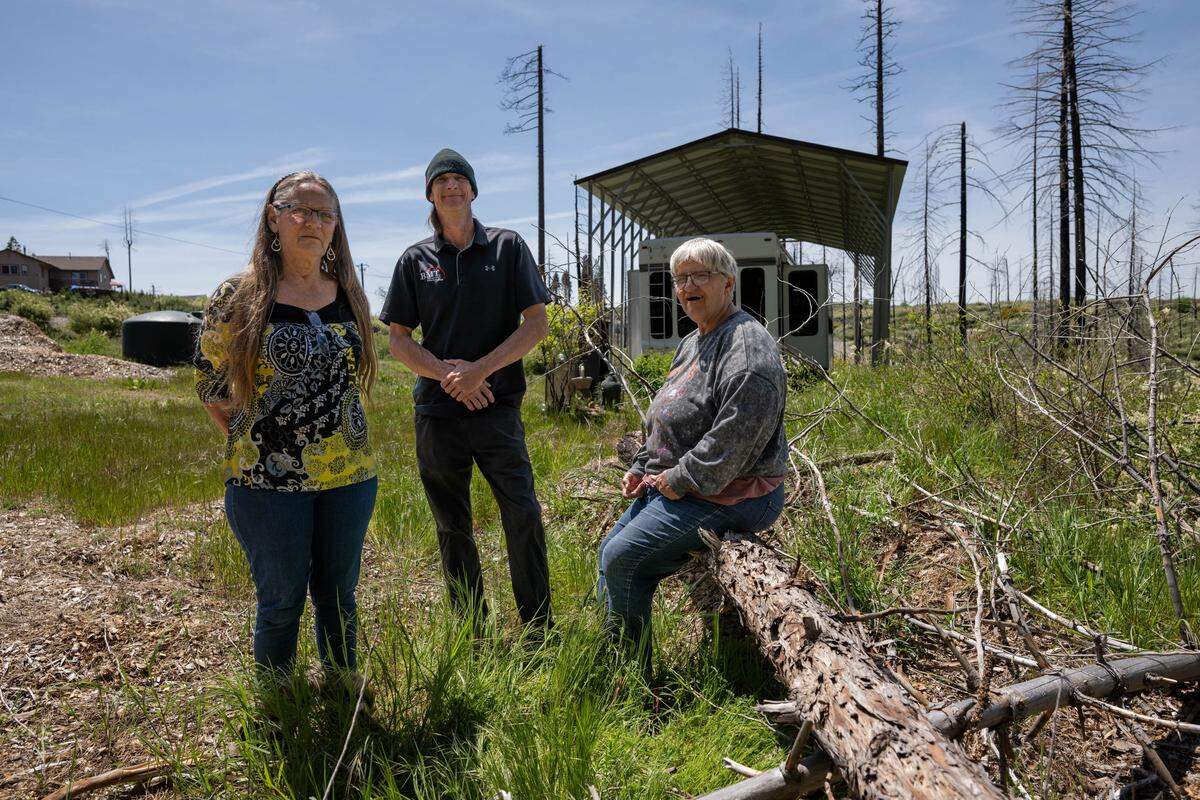
Before the Caldor Fire, Magidson would open the front door of her Grizzly Flats cottage and call a dinner invitation through the trees to a house about 200 yards away, where her son, Tobe Magidson, lived with his fiancée, Kristi Williams; and his two children, Bella and Tobe Jr. Magidson.
About 40 feet in the opposite direction stood a trailer where her sister, Penny Singleton, stayed. All were invited, even the dog.
It was like a small family village. Tobe Magidson shoveled snow off his mother’s front porch before she stepped out with her morning coffee. Meanwhile, the children could explore the outdoors.
When the Caldor Fire hit Grizzly Flats, Jenny Magidson packed her Mazda Miata with grocery bags as her dog sat in the passenger seat. Ashes fell as they fled with the convertible’s top open.
For survivors like the Magidsons, this coming fire season is a reminder of the blaze that started almost five years ago on Aug. 14, 2021, and burned for 68 days. The Caldor Fire spread across nearly 221,900 acres in El Dorado, Alpine and Amador counties.
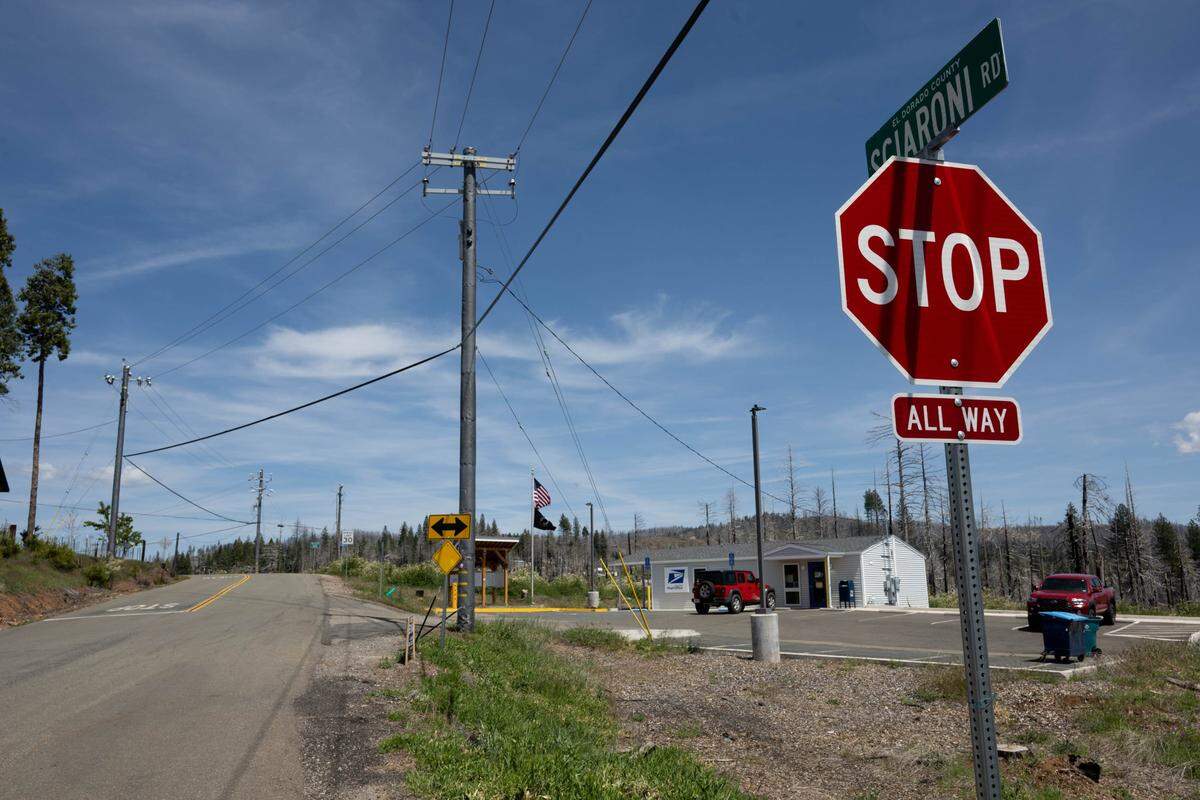
Jenny Magidson’s cottage is one of about 785 homes destroyed in her community, according to the Governor’s Office of Emergency Services, about two-thirds of those in Grizzly Flats. Nearly 600 were primary residences.
Nearly five years later, only a small share have been rebuilt, leaving families like the Magidsons split between homes. El Dorado County has received about 115 applications to build in Grizzly Flats, and as of mid-April, about 70 of those projects are built.
Those who returned to rebuild feel a sense of responsibility. El Dorado County Planning and Building Director Karen Garner said the community is home to contractors and retired individuals on a fixed income. Before the fire, U.S. Census data showed Grizzly Flats’ unemployment rate was four times higher than the national average before the fire.
“They moved up into the Grizzly Flats area because it is remote,” Garner said. “It is away from the urbanized areas, and that’s what they could afford.”
Financial troubles are not why residents like the Magidsons want to rebuild in Grizzly Flats. Tobe Magidson said he wants to continue calling the community home because everyone looks out for one another, and it’s a good place to raise a family.
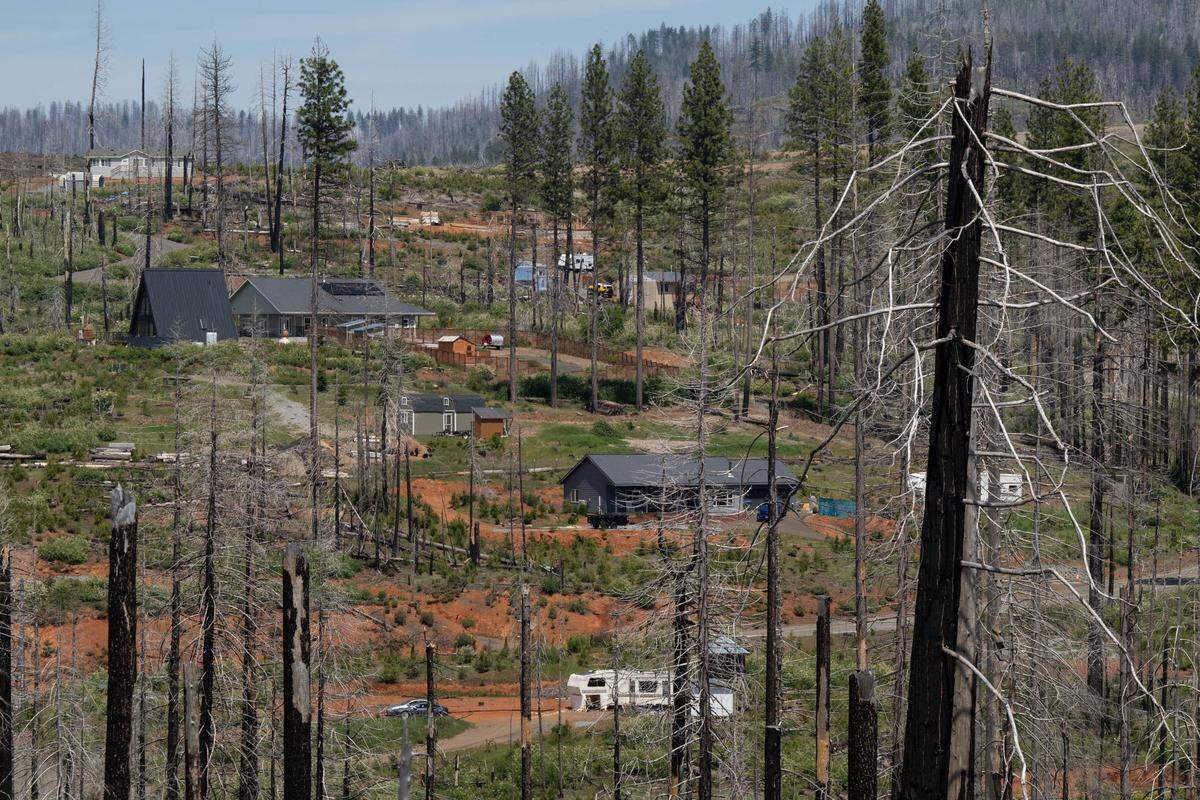
However, the rebuild has proven difficult. Grizzly Flats residents didn’t receive the federal assistance they expected, Garner said. Under former President Joe Biden, the Federal Emergency Management Agency approved public assistance for government entities, but it denied aid to individuals rebuilding their homes. The federal agency didn’t respond to The Bee’s inquiry.
At the same time, Food Bank of El Dorado County founder Mike Sproull said the region wasn’t prepared for the fire’s outcome. There was not enough emergency equipment, like tents, nearby for such a large population. Now the food bank brings supplies to Grizzly Flats and plans to build a 10,000-square-foot emergency warehouse to store essential items in case a similar incident happens again.
“I realized during the Caldor Fire, and other disasters here, that we need to help ourselves,” Sproull said.
For many, getting those resources meant seeking refuge away from Grizzly Flats. The Magidson family wasn’t able to reunite near home until a year ago. Jenny Magidson and her sister initially traveled to Texas while the rest of the family stayed about an hour from Grizzly Flats in Camanche. The grandmother now shares a recreational vehicle with her sister while the rest live in a rental home a 10-minute drive away.
Just beyond the reach of Jenny Magidson’s dinner calls, another family lost not just a home, but pieces of Grizzly Flats’ history. Ben Aubry’s family has lived in Grizzly Flats since the mid-19th century. His mother’s side — the Tyler family — owns a combined 200 acres, where seven houses once stood before the fire, including the homestead his grandmother grew up in.
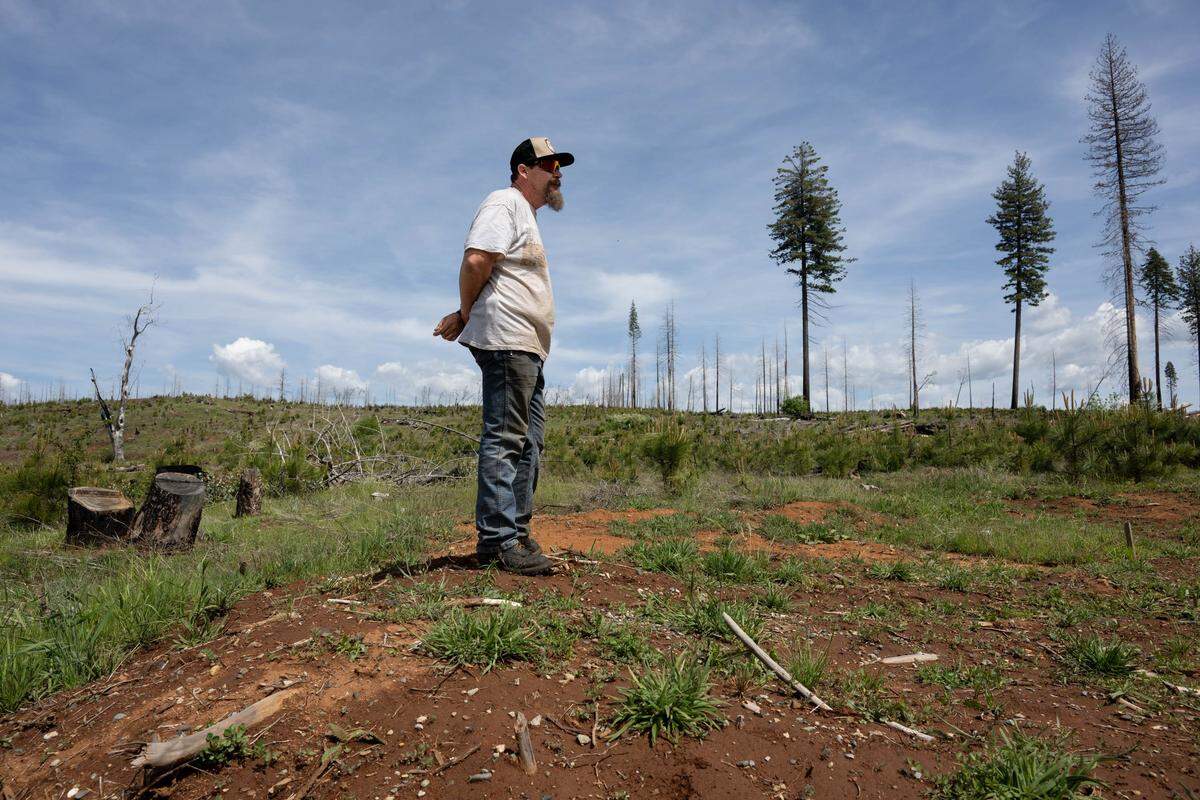
He now lives in a fifth-wheel trailer at his mother-in-law’s property in Somerset with his wife and two children.
Grief came in phases, Aubry said. First, he felt the silence where the wind-blown trees used to be. Then, realized that individual FEMA assistance wasn’t coming. All while his mental health took a hit, and he gained about 100 pounds in the years following the fire.
“I gained over 100 pounds, and then my amazing wife told me one day … that I had to stop being sad and get back to work,” he said. “I’ve since lost 125 pounds.”
Others, such as Tobe Magidson, struggle to process what was lost. He thought his old house was his permanent home. He kept family heirlooms there. They are now gone.
“I don’t think I’ve had time to process, even after all this time,” Tobe Magidson said. “I just keep going, and have to keep going.”
Financial woes in Grizzly Flats factor into the community’s slow recovery, as fire insurance proved expensive. Garner said some residents, like the Magidsons, didn’t have fire insurance for a number of reasons, such as being dropped, not finding an affordable rate or not wanting to pay for a plan on a paid-off house. Some with insurance also struggled to rebuild, Garner said, as reimbursements didn’t cover what they needed.
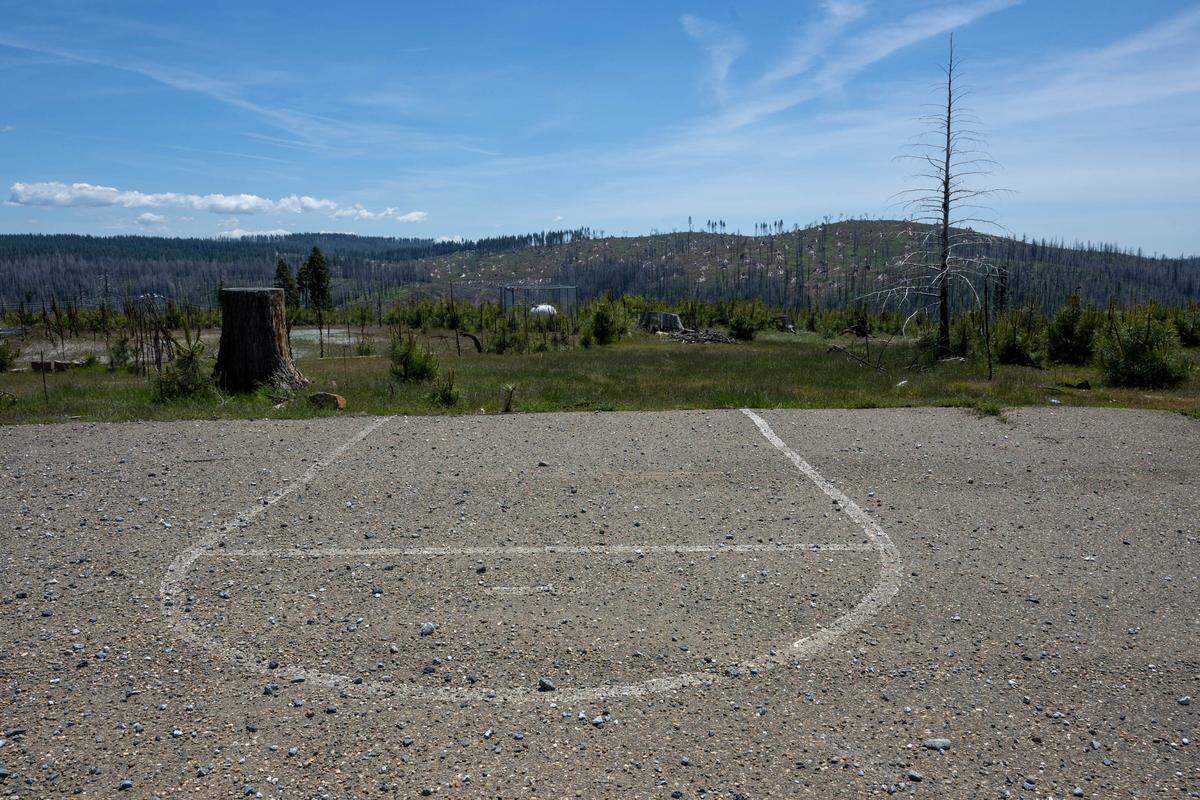
One example is the old Walt Tyler Elementary School, a two-room school house that served 36 children in pre-kindergarten through fifth grade. The school was initially quoted $1.1 million from its insurance company, Schools Insurance Authority, according to Pioneer Union School District Superintendent Patrick Paturel. After negotiations, Chief Business Official Mike Henkel said that amount increased to $4.1 million.
The district also received about $350,000 from FEMA, according to Henkel, which Paturel said was “just enough to clean up the dirt.”
A groundbreaking for a new $9 million Walt Tyler Elementary School was expected this April. However, Paturel said, it will be delayed until the remaining $3 million is procured. The school hopes to secure state funding to bridge the gap.
Today, the school district projects about 24 students who would otherwise attend the Grizzly Flats school are part of an hour-and-twenty-minute bus route to Pioneer Elementary in Somerset.
Many residents, like the Magidsons and Aubry, were among those who weren’t insured.
Aubry built his home about eight years before the Caldor Fire struck. He cut down trees, dragged the wood with a Toyota Land Cruiser and processed with a portable mill, using his life savings of about $67,000. Because he didn’t get the wood inspected, Aubry said he couldn’t get fire insurance on his home, leaving him without an insurance payout.
“I took everything I had and built my first house, and it only stood for eight years,” he said.
A new program could help the families. Twelve new homes are expected to be built with a partnership between El Dorado County and HomeAid Sacramento.
The two entities are expected to cover the cost of the homes, about $146,000 each. These Title 25 rural dwelling homes — built under modified code requirements — are about 750 square feet with two bedrooms and one bathroom.
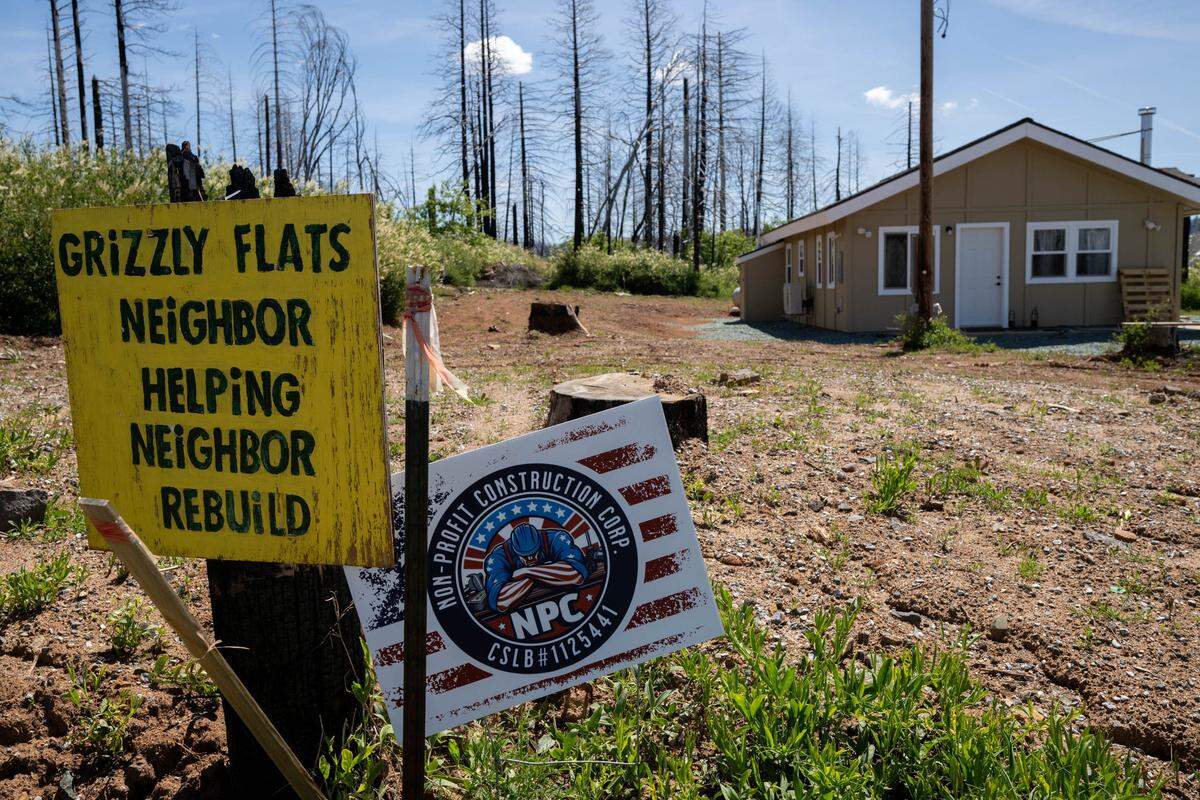
Outside the new project, one Title 25 home — owned by Mac MacNeil and Cathie Adams — was finished last November in Grizzly Flats by the Nonprofit Construct Corporation. The two residents, who are in their 70s, were living in an RV with uneven floors leading up to moving in this past November.
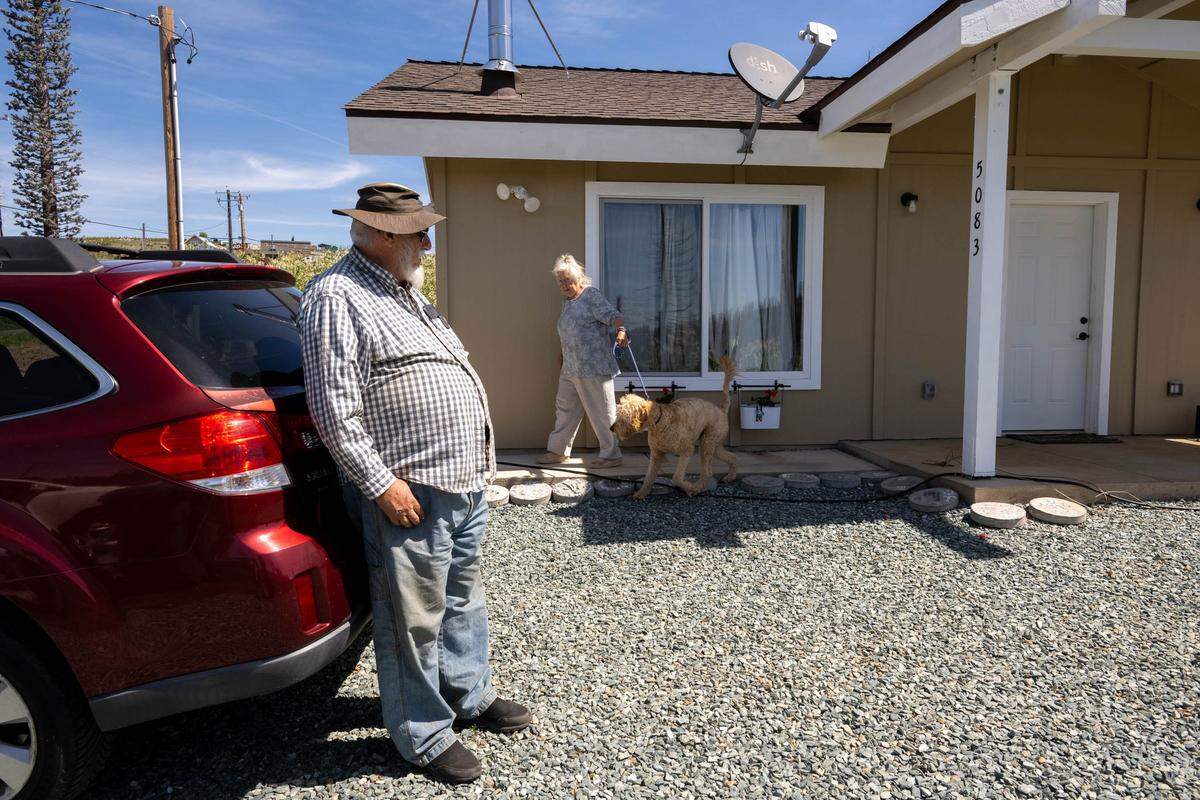
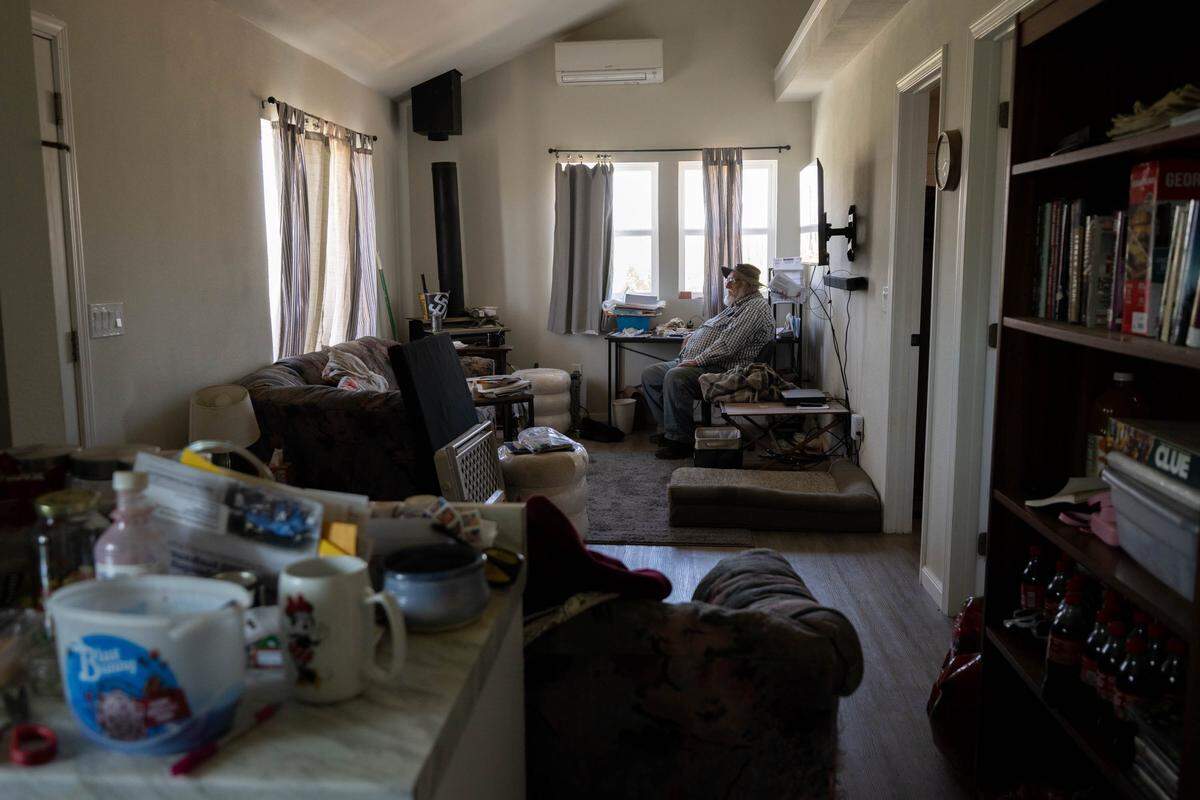
“It’s watertight and that we have a bathroom and kitchen that works,” Adams said about her favorite part of the house. “That we’re not camping anymore.”
However, for some families, the clock to build these homes is ticking. The county’s policy that allows residents to live in RVs is set to expire at the end of the year, causing concerns of homelessness to cross Garner’s mind. Generally, recreational vehicles are removed from the property 30 days after the permit expires, according to El Dorado County code.
“It would … likely force them out of Grizzly Flats because there’s no homeless shelter,” Garner said. “There’s no affordable apartment complexes in Grizzly Flats that they could take advantage of.”
The county will likely consider extending the RV policy, Garner said, who plans to ask the county board to extend it by a year and a half. The expiring RV policy could impact the Magidson family, but they have faith the county will extend it.
“Everybody’s worried about it,” Tobe Magidson said. “I think the Board of Supervisors will do what’s right.”
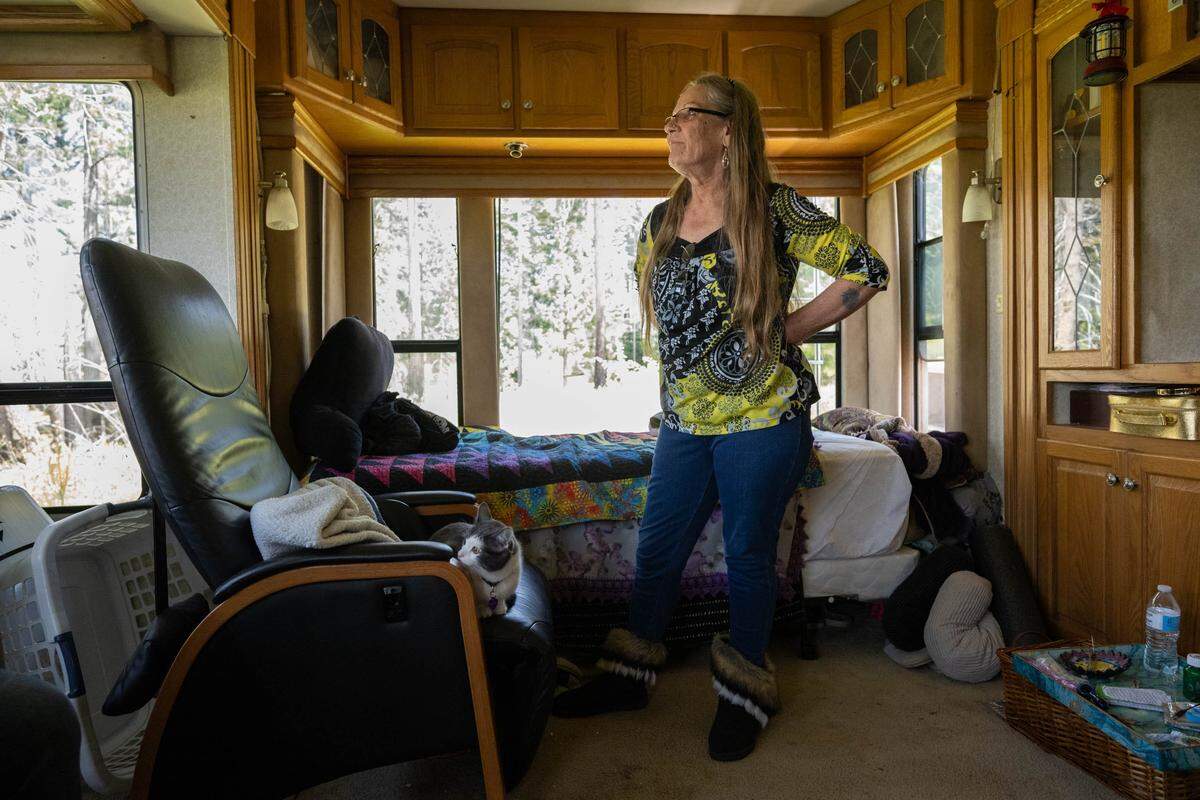
As the impending deadline approaches, one thing is on the Magidsons’ minds — keeping the family together. Once their new Title 25 home is built, Tobe Magidson plans to rebuild the little Magidson family village in some capacity, with accessory dwelling units for his mother and her sister.
And while Jenny Magidson’s dinner invitations may no longer be heard through a dense forest of trees, she’s ready for those calls to return to the plains of Grizzly Flats, bringing family together at the dinner table.
For the first meal, she plans to serve a pot roast filled with potatoes, celery and carrots.
This story was originally published May 10, 2026 at 5:00 AM.