Vacancies at Sacramento-area shopping center worry residents, tenants. What’s next?
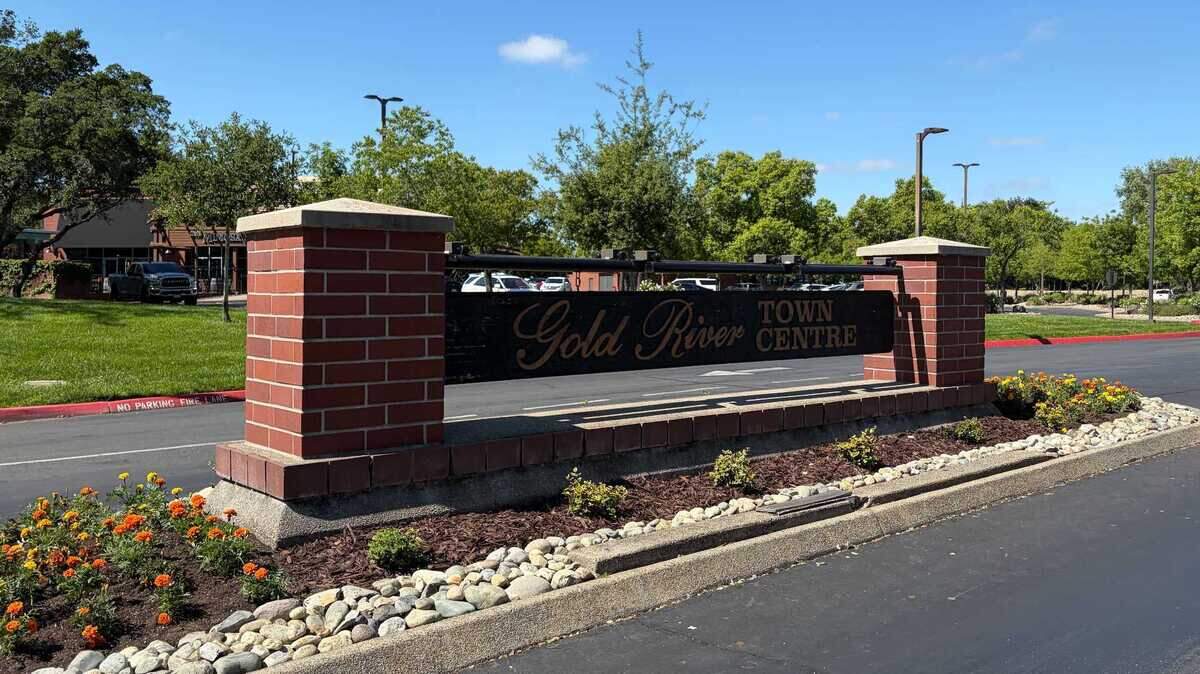
A Gold River shopping center has become a cause for concern for some residents as businesses have closed and vacancies have gone unfilled for years.
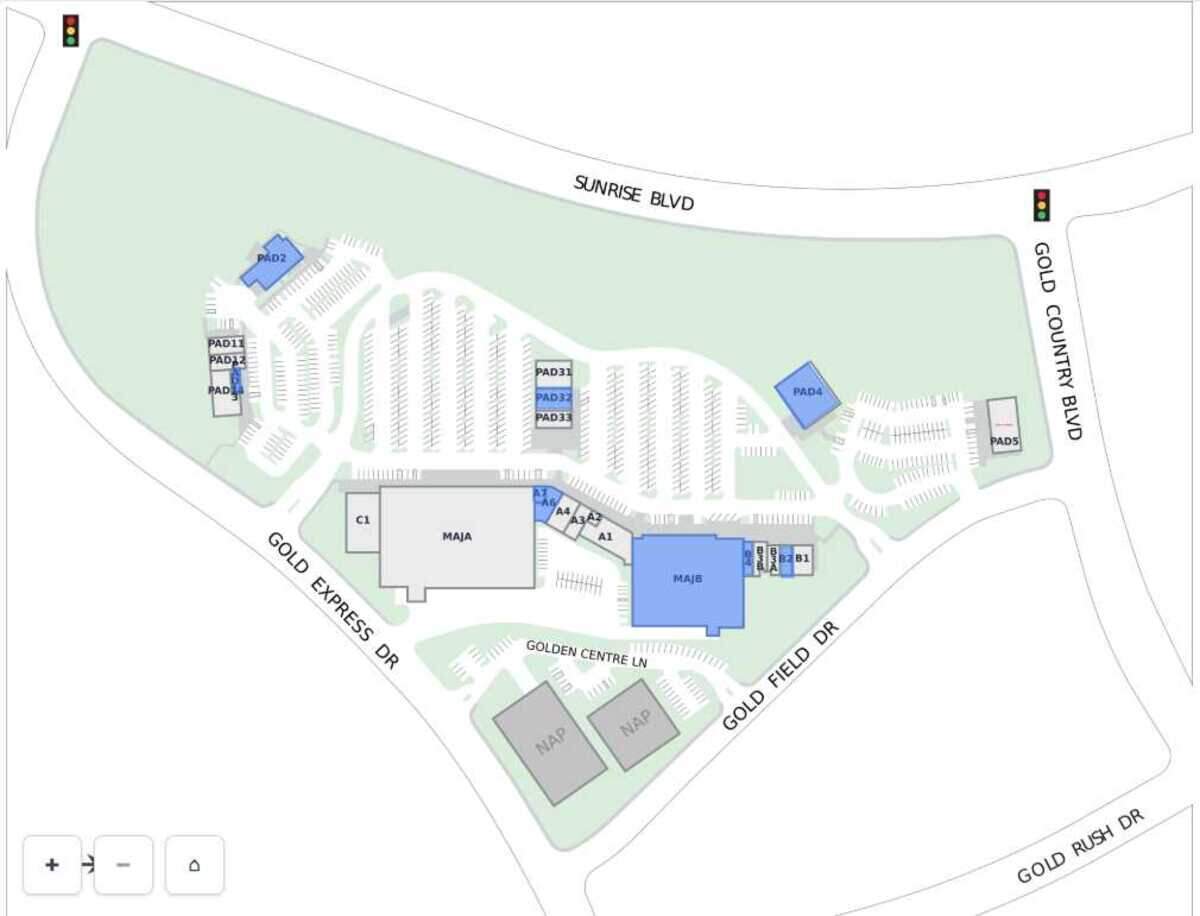
Gold River Town Centre, located on the southeast corner of Sunrise Boulevard and Gold Country Boulevard, is a 139,470-square-foot neighborhood center with tenants like Bel Air Markets, Mimosa House, Wells Fargo and Jack’s Urban Eats.
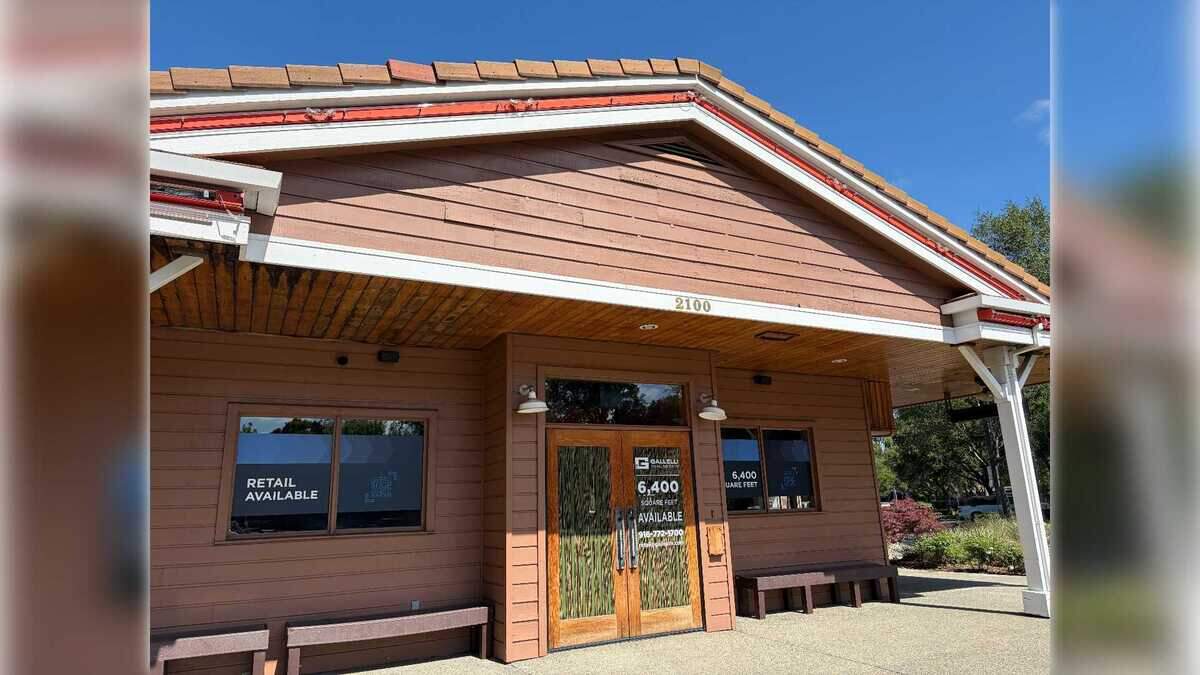
But closures like a hair salon, a shoe repair store, a dessert spot, Starbucks, Rite Aid, Applebee’s and Outback Steakhouse hit the center, and some have not been filled since, leaving 10 of the property’s 24 units vacant and about 37% of its square footage unfilled.
The Starbucks location closed in 2025 after the company announced it was shuttering stores that were not meeting financial targets or where the company was “unable to create the physical environment” expected by customers and employees. Similar chain closures like Outback Steakhouse, which closed in April 2020, as well as Rite Aid and Applebee’s, stemmed from corporate decisions.
First Washington Realty, a national real estate investment management firm, acquired the center in 2022 through its purchase of property owner Donahue Schriber Realty Group, years after the pandemic closures that first affected the center.
Tenant’s concerns
Gold River Community Association board member Dave Spencer said he has lived in Gold River since 2010 and described the center as once “vibrant” before major closures began in the months leading up to the COVID-19 pandemic. Those vacancies have persisted, he said.
“I know that retailing has changed,” Spencer said. “We don’t live in the ‘80s anymore, sure, but there needs to be some places for people to go.”
The closure of the Starbucks was especially significant, Spencer said, as the store and its outdoor patio served as a common gathering place.
“The community wants that to be a hub again,” Spencer said.
Corey Bafford, a dentist who lives in Gold River and operates his practice in Town Centre, said that the shopping center was a “selling point” for him when moving to the area because of its walkability to homes and its options for restaurants and shopping close by. He said issues with the centers’ vacancies are “nerve-wracking,” as he wants the center to succeed.
“We feel like there’s no movement,” Bafford said. “It’s sad to see. It’s frustrating.”
Bafford opened his practice in September after purchasing it from a previous owner who had operated there for about 30 years.
Bafford said he has a five-year lease and pays about $6,000 a month for his 1,585-square-foot space, making his cost per square foot a little under $4 per month. He also pays about $3,000 a month in common area maintenance fees, which are fees paid to landlords for upkeep in the center’s shared areas like parking lots and landscaping. But residents say there have been concerns about the upkeep.
“I’m paying all this money, but there’s not much we get from them,” Bafford said.
Bafford said he has spent about $30,000 to update flooring and paint and plans to replace the air conditioning unit at an additional cost of $30,000. Under his lease, First Washington is expected to reimburse about $16,000 of those improvements. He also said the plumbing has ongoing issues due to the building’s age.
“I feel like I’m buying a used car and paying a premium,” Bafford said. “That’s a lot of money for a new business.”
According to LoopNet, an online property listing site, a nearby shopping center on Sunrise Boulevard between Trinity River Drive and Coloma Road has eight vacancies ranging from 980 square feet to nearly 22,000 square feet. Prices range from $1.25 to $1.95 per square foot per month, and tenants are responsible for all property expenses — taxes, insurance and maintenance — commonly known as triple-net, or NNN, leases.
Spencer also said residents have raised concerns about upkeep, including lighting and landscaping, and that vacant spaces could attract unhoused people seeking shelter.
“That’s the last thing we want, is to have that to become a big homeless camp,” Spencer said.
Sigrid Bathen, a Gold River resident for more than 30 years, said the center has been in “continual decline” in recent years. She said the center remains “very busy” and serves as a primary shopping destination for Gold River and nearby Rancho Cordova residents.
While some closures were tied to national corporate decisions, Bathen said smaller businesses have also shuttered without replacement.
“We’d like to see the center thrive as it had been for so many years,” Bathen said. “We don’t see the investment that’s necessary to return to that.”
First Washington’s efforts to fill vacancies
A representative for First Washington Realty said the company is “actively engaged” in attracting new tenants and reported “positive leasing momentum.”
On Jan. 7, the Gold River Community Association and First Washington Realty held a town hall that exceeded the roughly 100-person room capacity and filled a 100-person Zoom link, Bathen and Spencer said.
At the meeting, company representatives said the center would remain retail-focused and that improvements would be made to parking lot lighting and landscaping. Bathen said about $30,000 had been spent on landscaping.
A representative for First Washington said that following the town hall and a subsequent survey, the company has taken “meaningful steps based on community input,” including the addition of LED lighting in the parking lots.
Bafford said landscaping and maintenance issues have improved since the meeting, and Bathen called those changes “a good sign.”
The center would also organize more community events, and an arts and crafts market with about 40 vendors is scheduled to take place in the center on May 17, the representative said.
A second community meeting was promised but had not yet been scheduled, Bathen and Spencer said.
First Washington is also part of the portfolio of CalPERS, the California Public Employees’ Retirement System, which residents discussed at the town hall.
Bathen said she and others in the community were concerned by CalPERS’ involvement if the center was not making as much money as it could be with a large number of vacant properties. While Bathen acknowledged that CalPERS has a “huge number of investments and they can’t monitor all of them closely,” she said it was troubling that the center appears to the community to be struggling.
CalPERS declined to comment.
The state of real estate in Sacramento
Steve Edwards, president and CEO of the Edwards Co., a boutique brokerage in Sacramento, said that the Gold River Town Centre is primed for success, as it has the right amount of nearby population density, average income of residents and passing traffic.
The affluent census-designated area northeast of Rancho Cordova’s city limits has about 7,844 residents as of the 2020 Census and is bordered by the American River to the north, Hazel Avenue to the east, Sunrise Boulevard to the west and Highway 50 to the south.
“That is a very well-located shopping center in an established neighborhood with significant traffic counts on Sunrise Boulevard,” Edwards said.
While the Sacramento retail market remains strong, Edwards said higher interest rates, construction costs and tenant improvement expenses have made leasing more difficult. The industry has been “morphing and downsizing” in recent years.
First Washington Realty, Edwards said, is “one of the best in the business” and “well-respected” as a shopping center owner with a national portfolio. It also manages shopping centers like Pavilions Center in Arden Arcade, Laguna Crossroads in Elk Grove and Natomas Marketplace.
Vacancies are likely tied more to broader retail trends than mismanagement, he said.
“It’s not for lack of trying,” Edwards said, adding that he is “adamant that this is absolutely a priority” for First Washington Realty.
“This is a big investment, and they are looking to get that rent. They want to fill this,” Edwards said.
It’s also important to fill vacancies with tenants that are complementary to others in the center, something Edwards called “co-tenant synergies.”
Edwards also said filling larger restaurant spaces is challenging, as the number of strong national chains that could support that size business is “dwindling,” and the cost of doing business in California is too high for many national chains looking to expand.
Smaller restaurants would also likely struggle to sustain the rent needed for a space that size, Edwards said, and costs like remodeling older kitchens could cost $500,000 to $1 million. Costs to remodel the building and break it into smaller units would also be high, Edwards said.
Edwards said that while nearby residents have “every right to be concerned” about the vacancies in Town Centre, he urged “patience.”