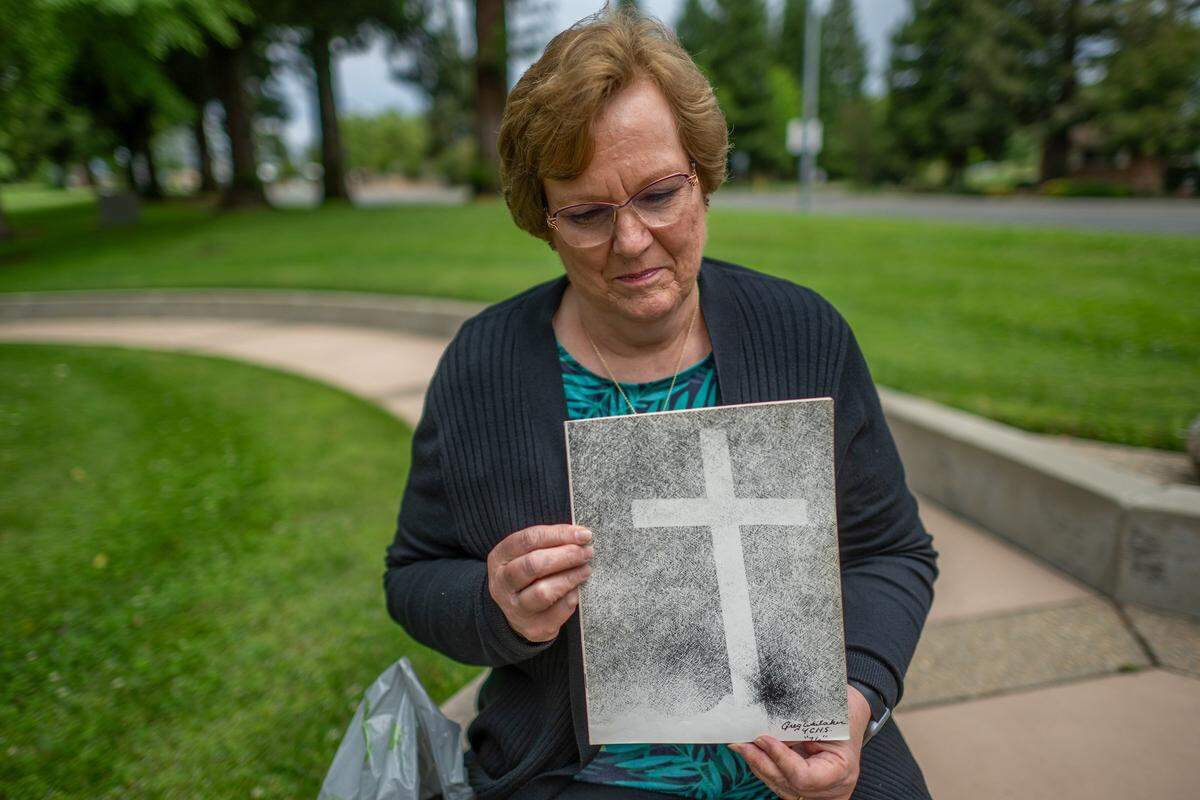
Survivors carry weight of deadly Yuba City choir crash 50 years later. ‘Won’t be forgotten’
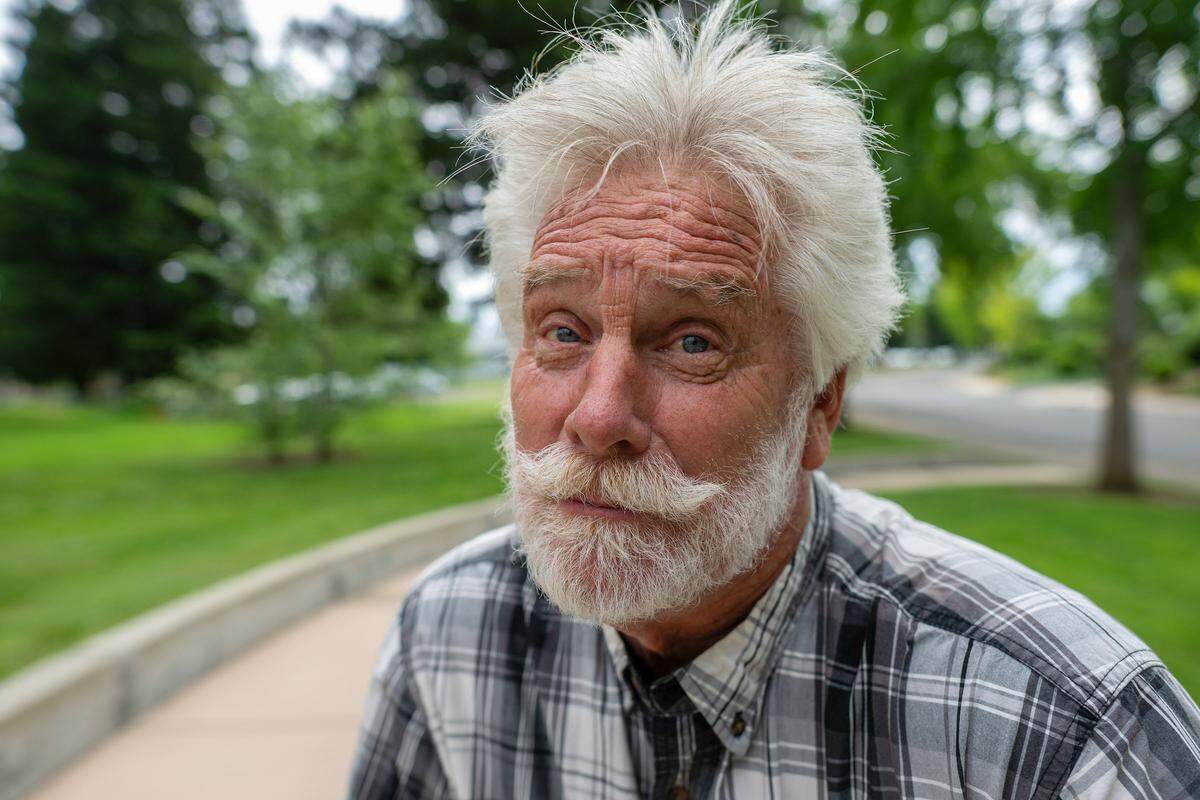
Richard Ethington sat at the front of the chartered bus, behind the driver’s right shoulder. He heard a noise spring from the dashboard.
Ethington, a senior at the time familiar with farm trucks and mechanics, thought it sounded like a buzzer sounding a problem with the air pressure system, related to the brakes. The driver, on just his second route with the charter company after years of long-haul trucking, was less concerned. He was commanding the vehicle for the first time, and said his employer told him the sound was normal.
Meanwhile, Dean Estabrook tailed the bus full of his Yuba City High School choir students from his personal car, a two-vehicle caravan en route to a choral exchange in the Bay Area. His wife, Cristina Estabrook, rode inside the bus as a chaperone, next to Ethington.
While driving behind the bus, the choir director saw what looked like a strip of rubber dangling from the undercarriage in front of him, as vapor and steam appeared to shroud the loose part.
He pulled ahead and guided the bus to a rest area off the freeway.
The driver, transporting 51 passengers — almost all young high school choir singers — pulled off of the highway and came to a stop, a noteworthy detail given the events that unfolded soon after.
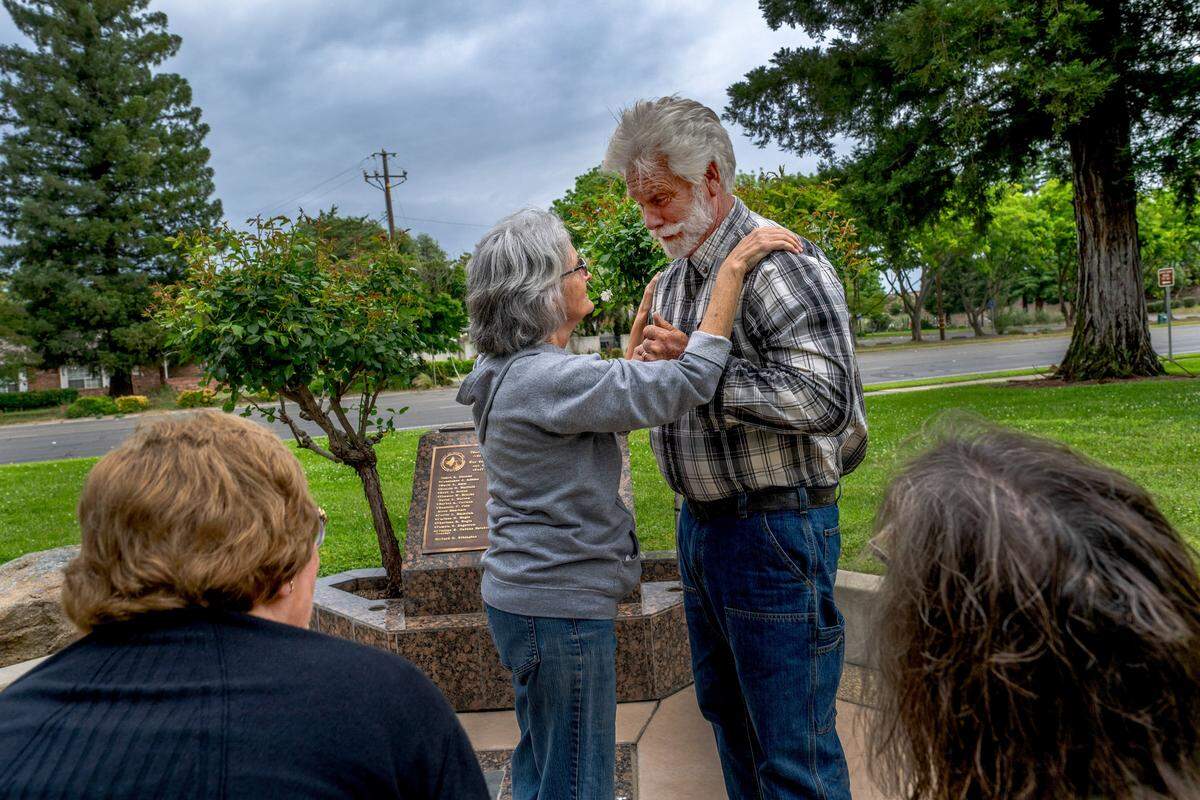
The bus idled in a parking lot while the driver, Evan Prothero, and the choir director deliberated. The engine may have been low on oil, based on the driver’s reading of the gauges. Inside the bus, students — ever the teenage archetype — were napping, chatting and stretching. Some students wanted to be there, and some did not.
It was a Friday, and they were outside of Martinez, an East Bay city not far from Orinda, where the choir had a “friendship day” planned at Miramonte High School on May 21, 1976.
Having talked through Prothero’s reading of the bus gauges, Estabrook and the driver agreed to take the next exit to service what they thought was low engine oil. Prothero shifted the bus into drive and rejoined the flow of traffic on Highway 680.
Estabrook, according to a National Transportation Safety Board report documenting the ill-fated trip, had not told the driver what he saw beneath the bus.
With a student riding in his car, the choir director led the way to the Marina Vista offramp in Martinez, just across the Benicia-Martinez Bridge.
He could see the bus following behind him in his rearview mirror.
Ethington, still seated behind the driver, lowered his head onto his arms to rest, but kept his eyes open.
The bus slightly decelerated as it turned onto the exit ramp, a right-hand turn that sharply curved downward from the freeway.
“I saw his foot hit the brake — nothing there,” Ethington said. “So I started raising my field of view. I saw him grab the steering wheel, saw his face in the mirror. I knew what was going to happen.”
What happened was the end for some and the beginning for others: a moment that shaped the lives of the 23 survivors inside the bus and the families of the 29 who died. This moment 50 years ago tested the fabric of Yuba City, then a much smaller farming community, and the resilience of those in Martinez who responded to the tragedy of strangers that fell on their doorstep. Each community will host a memorial service to commemorate the anniversary later this month.
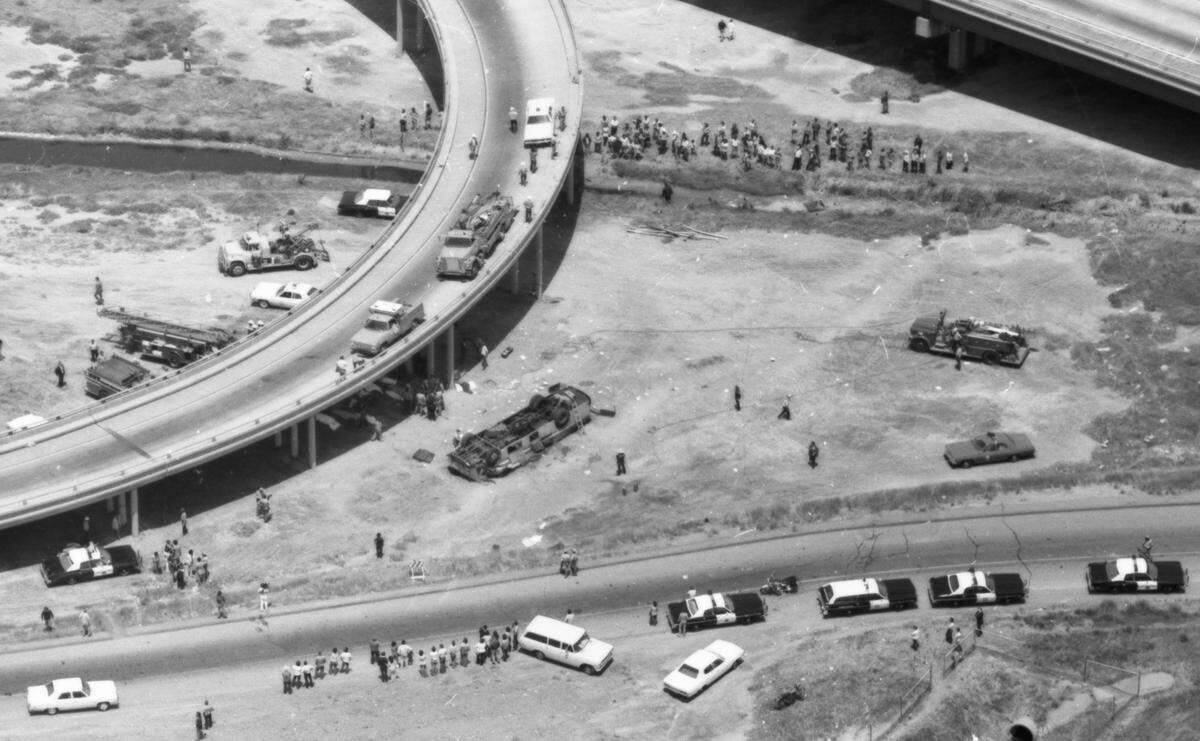
The aftermath of the crash has far outlasted the time it took for the chartered bus to hit a curb, climb and ride a guardrail, and land on its roof more than 20 feet below, trapping the living and the dead inside.
‘Like an accordion’
The first report of a crash near Marina Vista Road came at 10:56 a.m. Soon after, responders learned a school bus was involved.
Xon Burris remembers thinking students must not have been present, because it was late in the morning and in the middle of a school day.
That thought changed when Burris, 23 years old and only a few months into what became a long firefighting career, arrived with the first Contra Costa County fire engine and truck.
They saw the crash site and time slowed down. They would need more help.
“The bus, when it flipped over and crashed, it was like an accordion, and it went down below where the windows go,” Burris said. “So there was no light in there at all. It was pitch black in there.”
Imagine lowering the roof of a bus down to the bottom of its windows, forcing its passengers down below that lid. Then flip that container upside down and drop it more than 20 feet. That was essentially the scenario responders arrived at just after 11 a.m.
The crushed roof trapped students inside between the ground and the floor of the bus above them. The windows collapsed down to their sills. The inside was very dark and, as those who were there agree, surprisingly quiet. Not serene, considering the lives at stake, but somehow calm.
Estabrook saw the bus careen across the offramp and over the guardrail, and raced to the ground below. He sent the student who was his passenger to drive for help as fast as she could.
He and a sheriff’s sergeant who happened to be in the area of the crash managed to open part of the driver’s side emergency door, which had been flattened closer to the size of a window, before the first crew of responders arrived. One student, Tom Randolph, sprung loose through the narrow hole and was relatively unscathed. He would later learn that his twin brother, Robert, had died. At least one more student sprung free. The rest were trapped inside.
That small crawl space, accessible through what was left of the emergency exit, was the only way inside the bus until responders carved a second entry point beside it, enough space for one person to enter what others clamored to escape.
“I was the only one who could fit in there,” Burris said.
Inside he went.
Reaching survivors
The first students Burris found in the bus were dead.
Even with only four months of experience at the time, their condition was clear. Lying on his back with a hydraulic rescue tool, often known as “jaws of life,” with a scissors attachment in hand, he shimmied inside the bus, cutting through one seat at a time to reach the next set of students.
“I couldn’t see anybody’s faces because the seats and the posts blocked everything. You could see a few hands, a few legs, but nobody’s faces,” Burris said. “It was probably like a foot high, the space you had to work in. All by myself, I started cutting seats.”
He methodically gashed the seats, removing the bodies he reached while the growing glut of responders outside experimented with more effective ways to rescue and evacuate.
He cut out one seat to find a boy who had clearly died, when daylight from behind him shined on another face. It was a young girl, and she was alive.
“All you could see were two eyes with bright blue eye shadow on,” Burris said.
If there was one survivor, maybe there were more.
For what felt like hours, but proved to be less time, he ripped away three seats and removed five students, four of whom were dead.
He remembered how strangely quiet it was inside the overturned bus. Almost as strange was the voice that would occasionally cut through the silence, proving at least another survivor was in there.
A calming presence
Who remembers what from that day varies greatly from survivor to survivor, responder to responder. Such are the whims of memory. Fifty years have passed, taking with them life and death, memories and details.
The survivors and responders that day remark on the eerie stillness of the atmosphere. You expect shrill screams and panic. Surely those, to some degree, were present. Then the machinery was whirring as responders tried to force their way through the steel-enforced bus.
But the prevailing auditory sense that stands out in memory is an uncanny calmness, met by a student trapped inside, alive and aware, who cut through the stillness to comfort his peers while their fates remained sealed between earth and steel.
From his home in the Hollywood Hills, Perry Martin remembers the whole day from beginning to end, starting with how his mother made him go on the choir trip, and, consequently, take the bus that day.
Martin, 18 and a senior, sat beside Kris Huston, then his girlfriend, who had the window seat.
“The first sign of trouble along the way, at some point, the hydraulic doors opened automatically while we were on the road, and a big gust of wind blew through the bus,” he said.
The National Transportation Safety Board report on the incident, completed more than a year after the crash, identified several concerning factors about the condition of the chartered bus, a 1950 Crown Coach — not a school bus in the traditional sense but fashioned and painted as one — and the bus driver’s lack of familiarity with the vehicle. He had been hired by Student Transportation Lines about a week before, and had not driven that specific bus prior to that trip, according to the report.
Investigators meticulously documented the warning signs that should have alerted the driver to the looming braking problems. The central issue pertained to the air compressor drivebelt, which apparently passed a pre-trip inspection despite its poor condition. It broke during the trip, and the driver failed to recognize the gauges that indicated the problem and its severity.
The subsequent investigation revealed that the dangling object Estabrook spotted before flagging down the bus was the broken compressor belt. The gauge tipping into low territory was for the air pressure reserve that controlled the braking system, not the oil level, as the driver thought.
Once all went awry on the offramp, the driver may have prevented the wreck by pulling the emergency brake. But he was unable to find the lever to his right.
Of course, none of the passengers knew all of that at the time.
It was a different time, one without cellphones on students or seatbelts on buses.
For the passengers, the bus hitting the first curb was unexpected and disorienting. The second collision, as the bus rode the guardrail, told Martin whatever was happening would get worse. He relaxed his body, lowered himself into the seat and awoke moments later, trapped but alive.
“The space was really dark and cramped, it was like being trapped inside a crushed tin can,” he said.
He checked the pulse of his girlfriend beside him and felt none. Then he heard Estabrook, his choir teacher, distraught and calling to students outside the bus.
“I told him I was OK,” Martin said. “I didn’t know what was going on, but I was OK. Obviously, many weren’t.”
Jan Roberts-Haydon remembers Martin holding her hand and assuring her they would be fine.
“I’d be awake, and I’d pass out.” Roberts-Haydon said. “I’d be awake, and I’d pass out.”
She was 15, and she remembers other details from the crash she would rather not talk about.
Martin held her hand and called out to whomever could listen without knowing how many had died. Meanwhile, news of the crash had reached Yuba City, and the students on campus.
Finding out what happened
Empty chairs dotted the classroom where Lisa Covington Bubienko, a sophomore at Yuba City High School, took an exam that Friday morning 50 years ago.
On a normal school day, members of the choir would have occupied those seats. Until that class, the school day had seemed like a normal one.
But her teacher, typically gregarious, seemed flustered. He paced in and out of the classroom. The students were unsure why.
After class, he told them what he and the faculty knew, which was not much. Students had questions.
Was everyone OK? Was anyone OK?
Little was known about what had happened about 100 miles away.
“If you know a God, pray to your God, because we have no idea what’s happened, but it’s terrible,” Bubienko recalled her teacher telling the class.
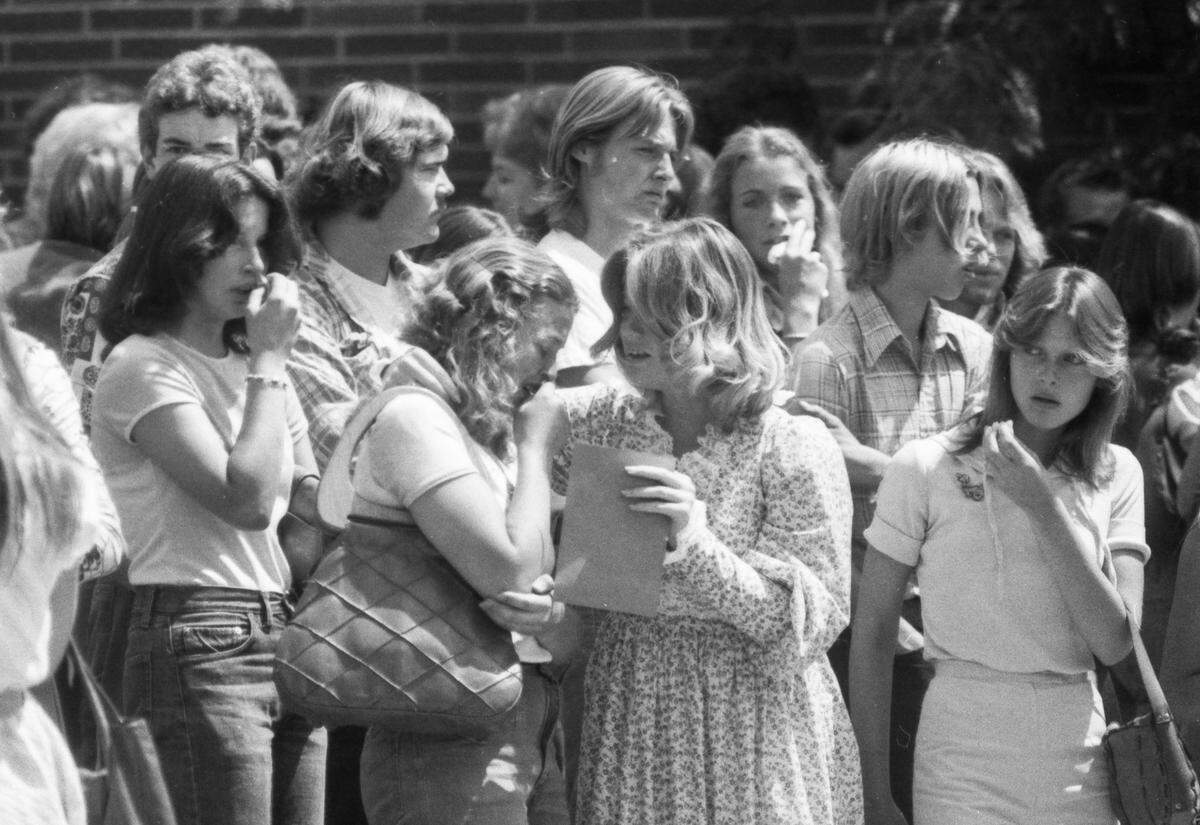
An open-ended question remains all these years later about how to process a tragedy such as the one that befell Yuba City and Martinez. The students on campus, with little information and more than enough vagueness to envision the worst, did just that.
Students lined up at the lone payphone on campus. Reporters soon descended, leading to subsequent lore of a sort of revolt, with students, particularly varsity athletes, chasing reporters away, even — as legend has it — locking some in the music room.
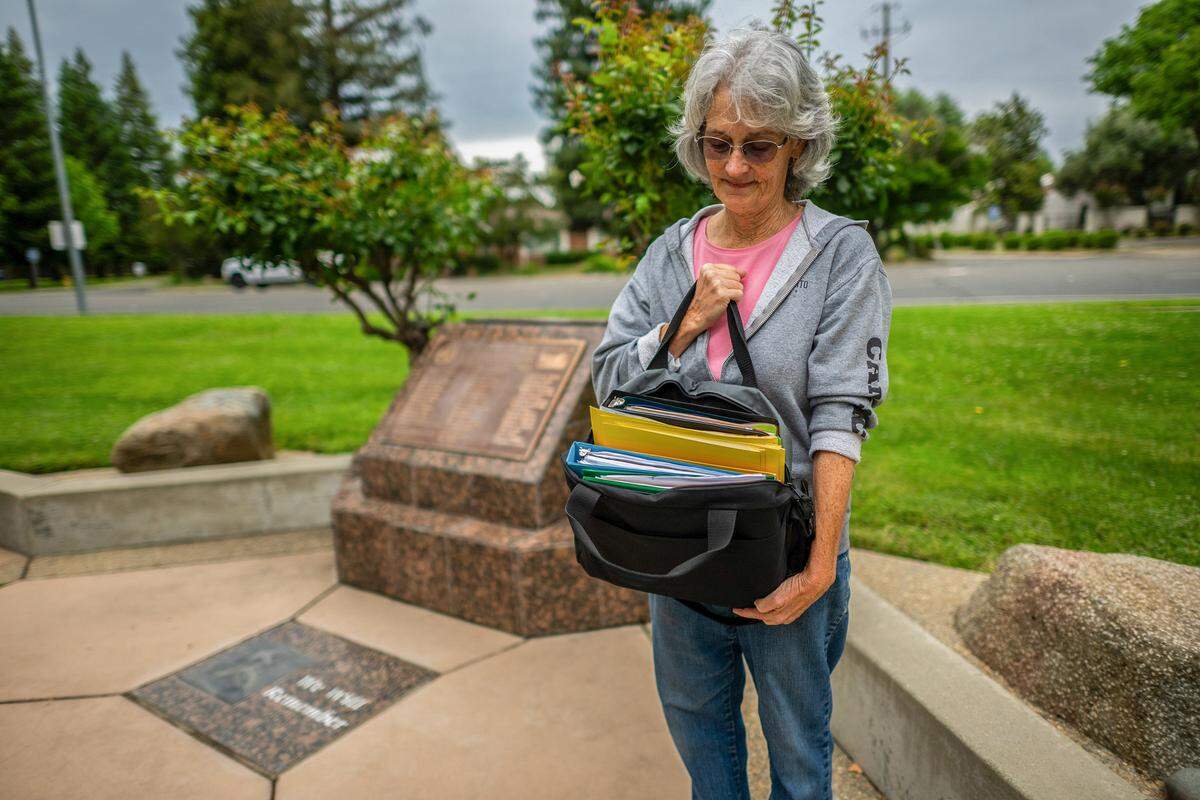
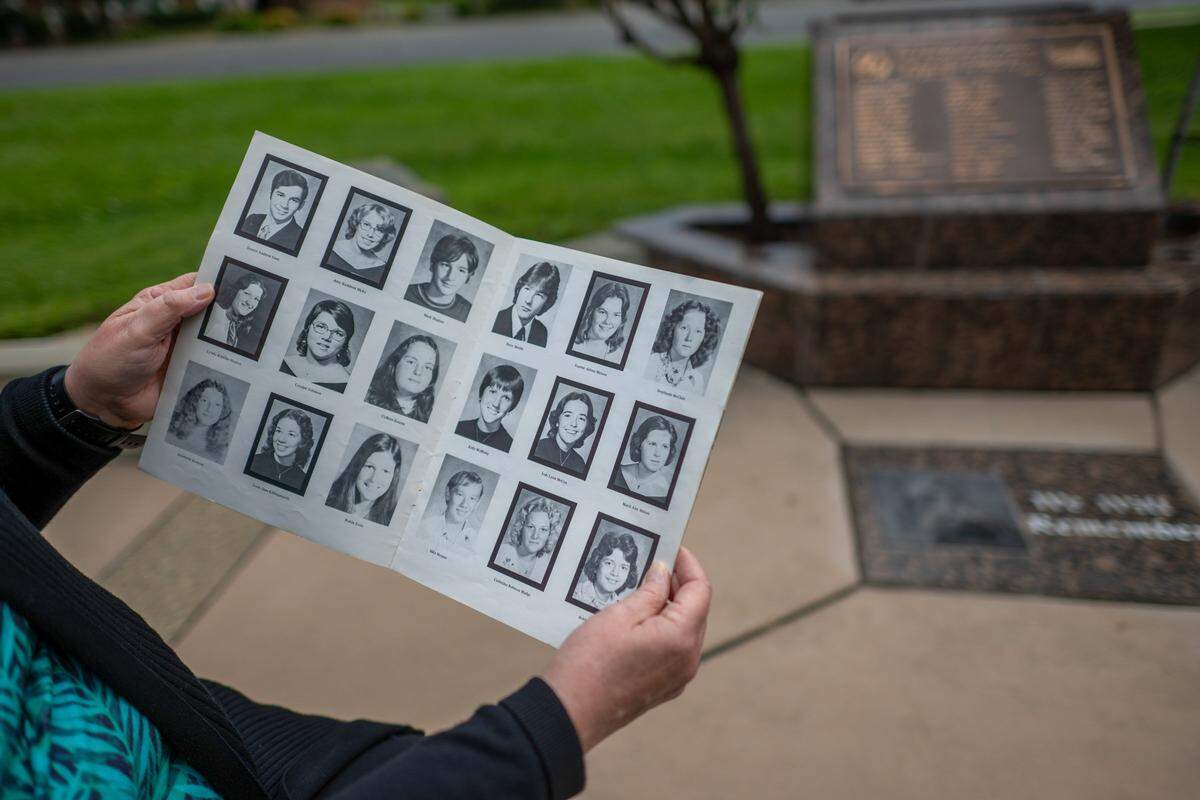
The names of confirmed survivors began airing over the radio as students began leaving school early. At least one student rushed to jot the names down as fast as they could, Covington Bubienko said, making a record of the limited information they had.
By that evening, TV news stations broadcasted images of the bus smashed into the ground, leaving little room to imagine how those trapped inside could have possibly escaped.
While family members and peers in Yuba City waited for more information, Burris writhed deeper into the bus, and responders in Martinez formulated a plan to rescue the people left inside.
‘These kids won’t be forgotten’
Christine Dean heard a procession of sirens pass by the restaurant where she was eating breakfast.
Still in her first year as a coroner’s office investigator, she had just finished working an overnight shift. When her colleague found out about the crash and rallied the table of Contra Costa County deputies to the scene, Dean, who was 25, had no way of knowing how that day would shape her life.
Years later, married and with children of her own, Dean would become a mess anytime her kids rode a school bus for a field trip. She would even follow the buses carrying her daughter to basketball games throughout the season.
How could she, or anyone else doing their job that day, have known how what they saw would change their lives?
“It was just flattened,” Dean said of the bus. “It’s pretty unimaginable how flattened it was.”
Dean began setting up a side morgue under the freeway to prepare for the bodies, how many of which they knew not what to expect. Eventually, 28 covered bodies would lie below that overpass.
Tow trucks unsuccessfully tried to pull and lift the bus to no avail. Burris was still inside, but the attempts to carve a greater entry point were largely ineffective.
Two slow-moving cranes appeared, positioned on the freeway above.
The student riding with Estabrook, who the choir director sent frantically driving for help, had raced to the neighboring oil refinery, where two cranes were dispatched to intervene.
Law enforcement cleared a path for the machine operators to drive from the refinery to the freeway overhead.
Burris vacated the bus and cables descended from the arms of the cranes, latching onto the exposed undercarriage.
The operators lifted the bus about a foot from the ground and stopped. Moments later they lifted the bus several more feet.
“When it lifted up, the bodies just started to fall out,” Dean said.
The circle of responders pulled survivors from the bus and took them to area hospitals.
“Then reality set in,” Burris said.
With the bodies removed, clean-up efforts began. The kinds of items you would expect to find students packing for a field trip were scattered around the site: sleeping bags and shoes, sheet music and homework.
The bus careened off the ramp about 10:56 a.m. Cranes lifted the bus at 11:48 a.m. By about 12:30 p.m., Dean said, she was at the deputy’s union hall, a makeshift command post where the choir student families, many of whom did not know what happened to their child, arrived to learn their fate.
“These children are not forgotten,” Dean said. “And I told that to the parents when I did notifications: These kids won’t be forgotten.”
Tireless despite capping her overnight shift with an unconscionable tragedy, she notified the families, then worked in the morgue until about 3:30 a.m., when the last body was released to a funeral home.
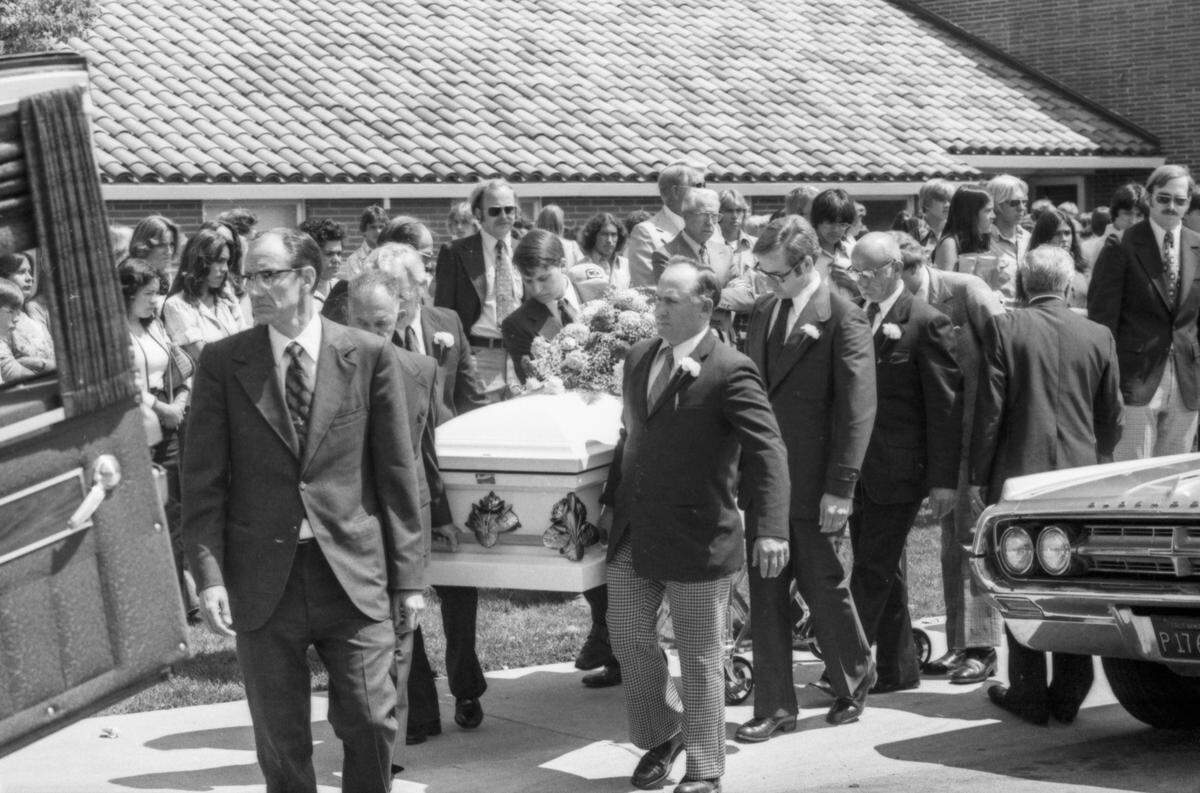
Processing a tragedy
The question of how to process, or what to make of, a sweeping tragedy lingers for the people and communities still living with the memories of the crash.
Even in the days and weeks after, each survivor had their own unique perspective to reconcile. Virtually all spent time at a hospital, but some were hurt more than others. The mental and emotional burden was not universal either.
The differences — many of which existed before the crash — between those students splintered and grew with time, as happens with young people and relationships.
“The only thing we have in common is this accident,” Roberts-Haydon said. “We were all very different people, and had very different experiences afterward. Our families were different, our churches were different, our friends were different. If you left right after high school, your experience was very different from if you stayed.”
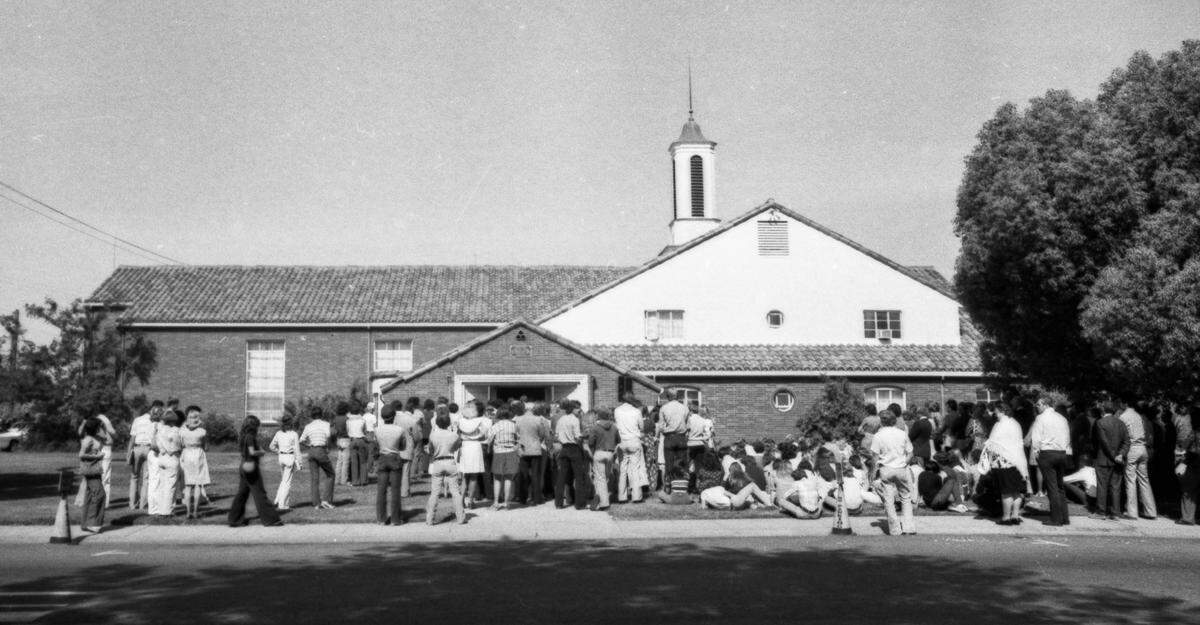
Roberts-Haydon, who was comforted by Martin while trapped in the bus for more than 50 minutes, was a sophomore. She and the younger survivors returned that fall for another school year, while the disaster essentially capped the high school careers of the seniors involved.
For some, moving on from the crash happened naturally.
“When I walked away from that accident and dusted myself off, I was prepared to move on and not look back at it,” Martin said.
This year will mark his first time attending a memorial service for the crash, and he intends to be at both.
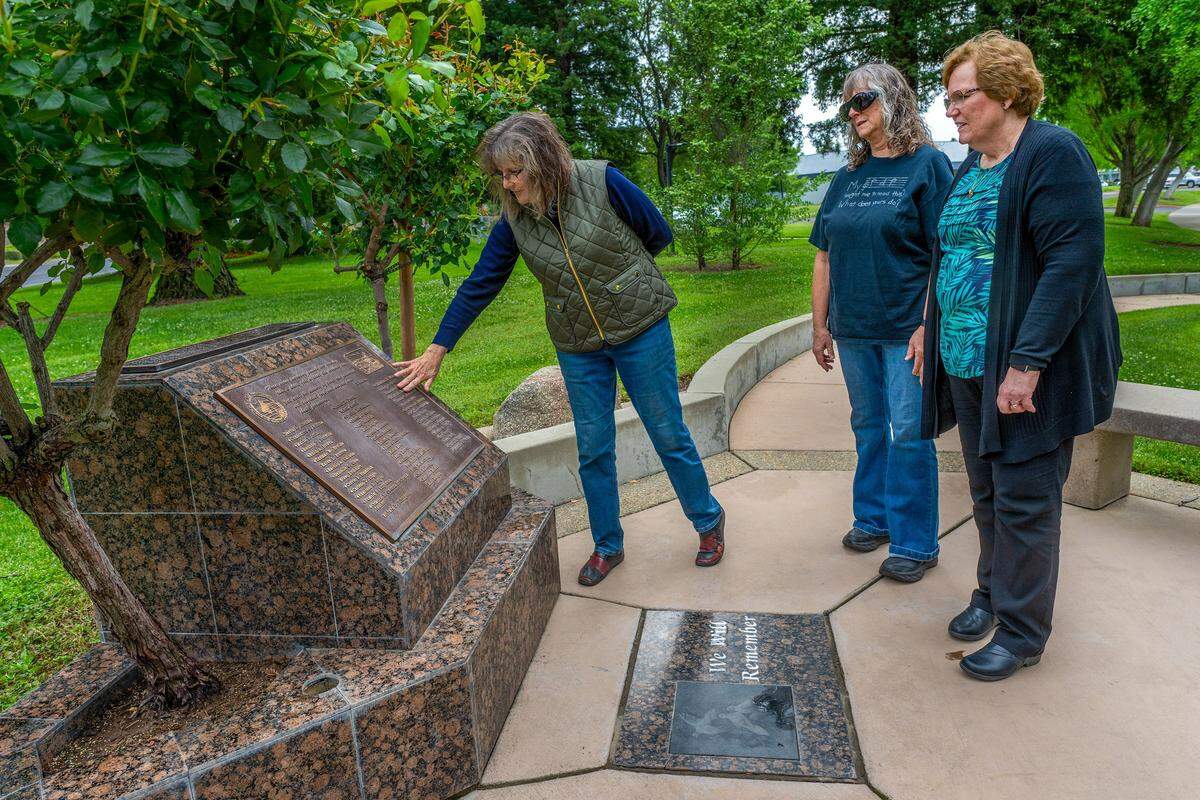
The Martinez remembrance takes place at 11 a.m. Thursday, May 21, at the memorial site near the waterfront and Ferry Point Picnic Area. The Yuba City memorial is at 11 a.m. Saturday, May 23, at the memorial site between Veterans Memorial Circle near Butte House Road.
Responders in Martinez first organized a memorial for the 20th anniversary in 1996, pitching in funds to build a monument and plaque. A public display in the community that lost 29 lives took longer to make. An identical memorial site was built in Yuba City in 2011 for the 35th anniversary.
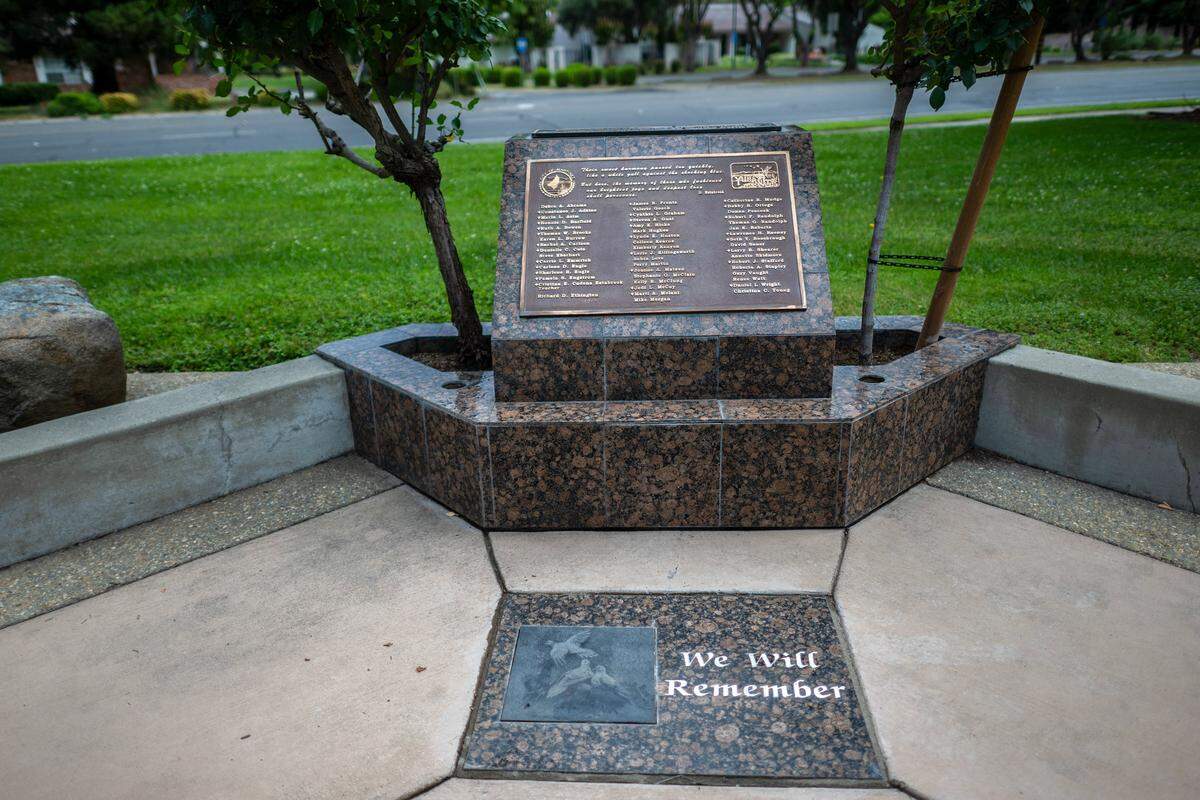
“It was so painful for people in Yuba City to even talk about it or think about it that we couldn’t have put a public monument up before we did,” Covington Bubienko said, “because it was raw for so long.”
Reminders were everywhere in the town, then a much smaller community, in the weeks and months after.
The first memorial was at the high school football field, a week after the crash, when the tragedy was still raw, while some survivors remained hospitalized. Following that was a steady stream of funerals, coinciding with empty seats in classrooms. The mere presence of survivors could trigger emotions of all kinds from family and friends of those who died.
The driver, Prothero, was seriously injured but survived the crash. Ethington, the student who saw the pressureless brakes fall flat and a reflection of the driver’s distraught face, visited him in the weeks after.
“I just told him I had no anger at him,” Ethington said. “I know he would have died a hundred times, if he could have, to stop it.”
He was the only student to testify to the National Transportation Safety Board, effectively demonstrating to federal investigators that the gauges worked properly, which indicated that the driver misread them.
The crash and subsequent findings factored into safety changes for buses and drivers, including more defined and detailed inspection processes before and after trips, and improved training and testing for drivers.
Prothero was one of only a few adults involved. Estabrook, the choir director, was not on the bus, but his wife, who was on board as a chaperone, was killed in the wreck.
To hear it from the people who knew Estabrook, staying in the community was not a seamless decision. Ultimately, he chose to continue teaching at the high school and leading the choir.
Today, his legacy in the district’s music program is carried on by way of someone who would not exist if not for the tragedy.
Coming full circle
Christina Young, 17 and a senior, was one of the last survivors to leave the hospital. As such, the choir director, a longtime family friend, made a deal to take her out for “dining and dancing” once she was able. It was a double-deal made with the band director and another student still hospitalized, but Christy was cleared from the hospital and out of a wheelchair first.
That was before she became Christy Estabrook.
Sometime later, while Christy was in college, and after she turned 18, she and Estabrook began dating. They married a few years after the crash, when Christy was 20.
The age difference — more than 18 years — paired with the former student-teacher relationship, and all the weight of the crash, meant that not everyone in town was fond of the new couple. She even shares the same first name of Estabrook’s first wife, albeit with the addition of the letter “h.”
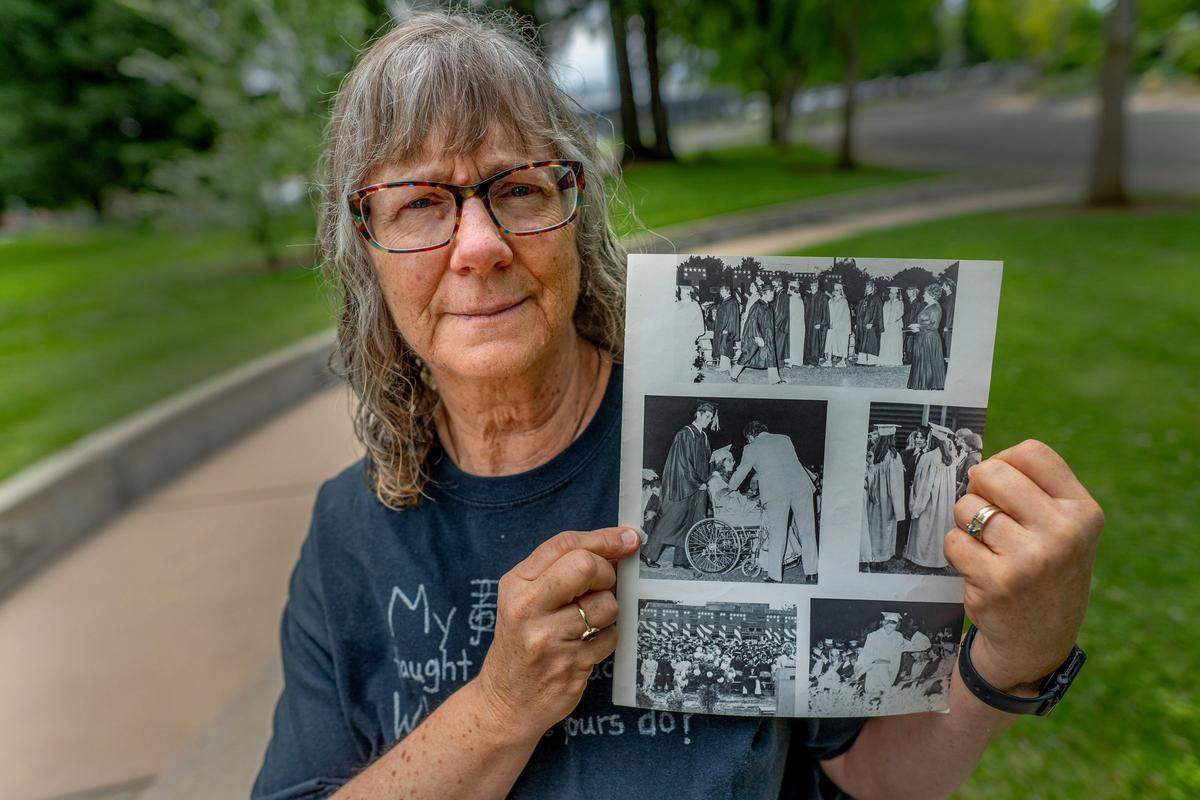
“At first, obviously, I felt a kind of psychological competition from his (first) wife, but he kept saying, you know, ‘I’m not comparing you. I’m not trying to do anything that would make you feel less-than because of her,’” Christy said. “I just knew she was a very vibrant, vivacious person. Brought him really deep happiness.”
For years, Estabrook continued teaching and leading the choir, and Christy worked as a music teacher for Yuba City Unified School District for 30 years.
Their marriage of 46 years ended with Estabrook’s death in November. He was 85.
“I was super glad to share his life with him,” Christy said. “I revered him as a teacher. So many people did. He had 300 people show up at his memorial. He was so fair, and nonjudgemental, and tried to give everybody a fair shake.”
Adrian Mora, the only child born to the Estabrooks, was especially close with her father. Now in her 40s, married with children of her own, she is acutely aware of the unlikely and unpopular sequence of events triggered by tragedy without which she would not be alive.
“It feels like everything has come full circle,” Mora said.
She lives in the Yuba City house she grew up in, and teaches in the district she attended, where her parents both taught, and where both of her young kids are now students. The same district whose tragedy nearly shattered a community, yet set in place the lives — good or bad, right or wrong — and legacies that followed.
“Nobody expects a bus crash,” Mora said. “(My mom) never expected to marry my dad, who was her teacher. They weren’t planning on having kids. They were told they were having a boy, and it ended up being me. All these things that weren’t supposed to happen or shouldn’t have happened, and here we are. And I think she and I feel really lucky for that.”
Survivors are quick to acknowledge, if not apologize for, their luck. The line of thinking is a twisted one when enduring a near-death experience and living with the consequences for 50 years qualifies as the better of the two inciting outcomes from that day: life or death.
The survivors organizing anniversary events and sharing their stories with reporters have done all right, but they still live in the aftermath of the crash, to some extent, each in their own way.
Some are less fortunate, living with debilitating injuries and emotional trauma, to say nothing of the siblings, parents, family and friends of the students who died. Several of the original survivors have since died of other causes.
They all endured the same tragedy and reckoned with it in different ways. It happened 50 years ago, but the two communities, 23 survivors and the many who helped them survive have not forgotten.
“It was a beautiful thing of humanity people showed for strangers,” Ethington said.
Those affected and their communities are still processing a moment that may always be a part of them. To remember is trying to come to grips with what it meant. True to their word, they have not forgotten the lives lost or forever changed that day.