Sacramento plans to honor a hotel demolished to build I-5. Learn its history
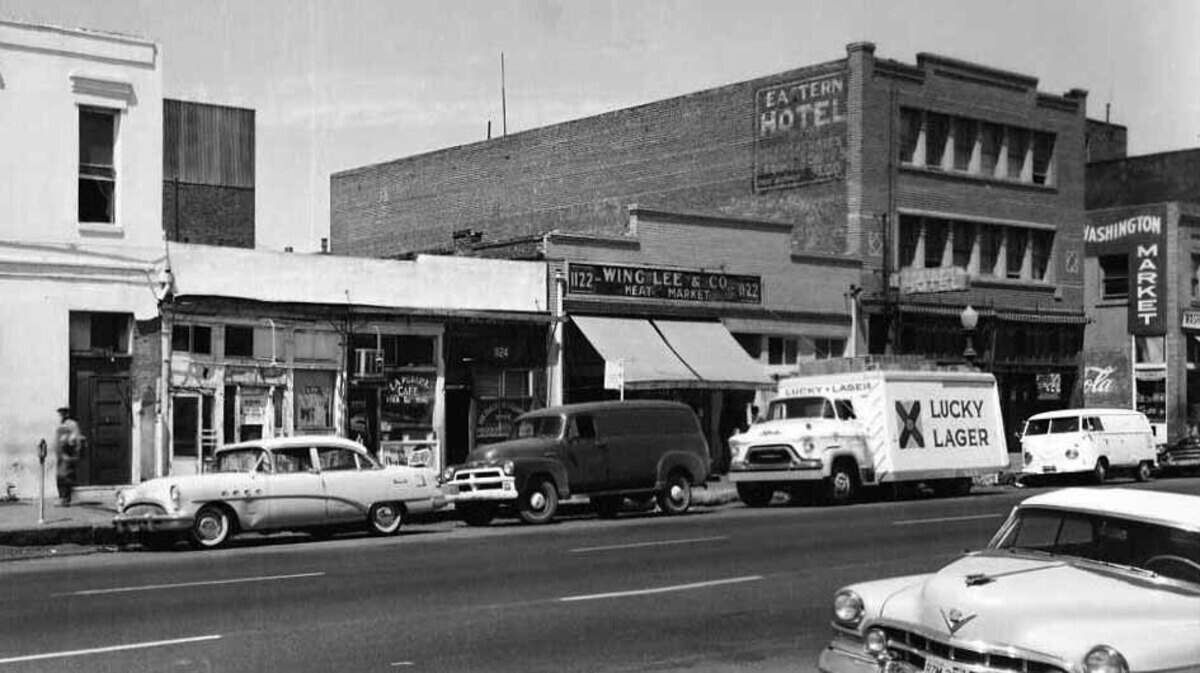
The land west of Third Street in Sacramento is crossed unremarkably today by people driving through downtown on Interstate 5, but nearly 175 years ago it played host to an important moment in civil rights history.
In the 1850s, an enslaved man named Archy Lee was brought to California, a free state. Lee fled to Hackett House, a Black-owned hotel that stood at 1118 Third St. before the freeway was built. Lee subsequently had his freedom affirmed in court.
“This case was a very important decision that established that if a slave is brought into a free state, they are free,” said Sean de Courcy, preservation director for the city of Sacramento.
The hotel, later known as the Eastern Hotel, was demolished in the 1960s. Now the city is looking to honor Hackett House. On April 15, the city’s preservation commission voted to support nominating the hotel for the National Underground Railroad Network to Freedom, a program of the National Park Service.
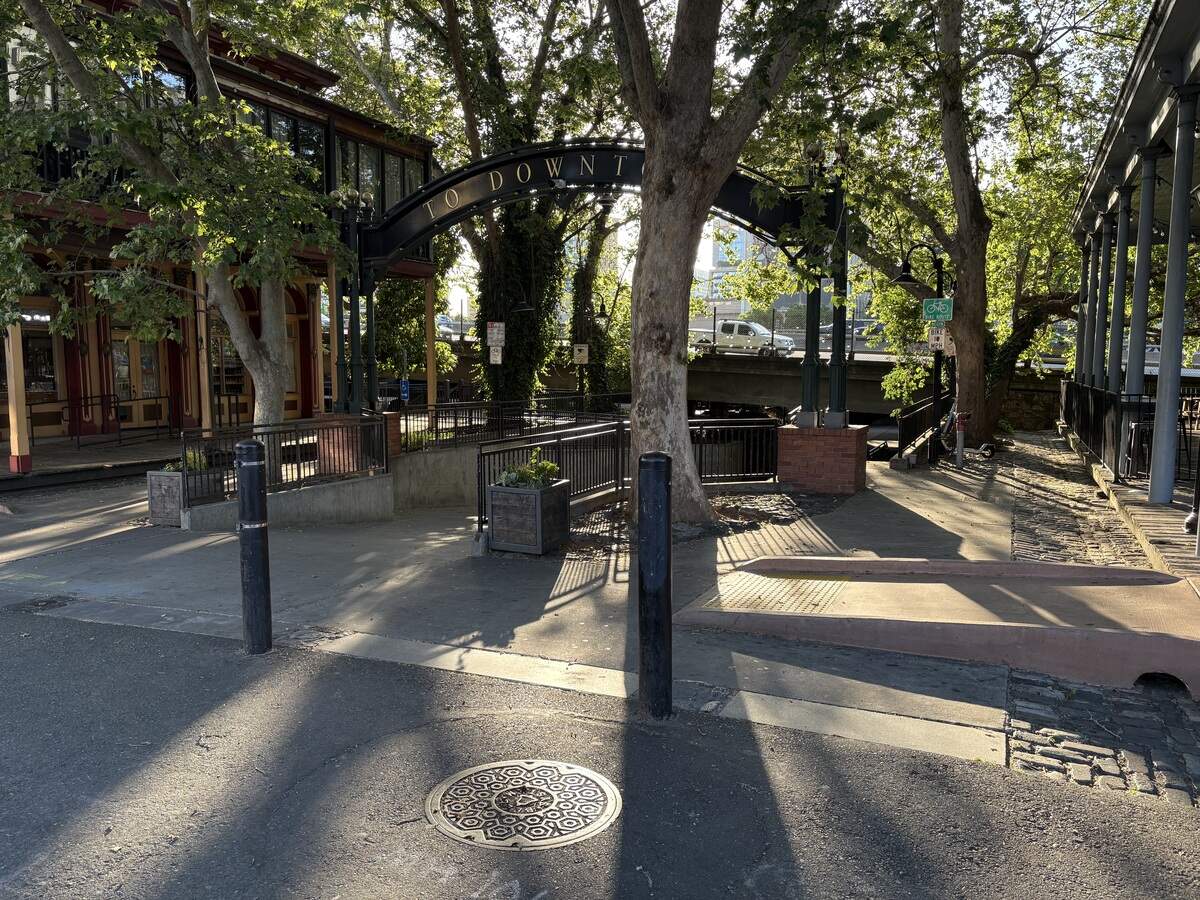
Because the former hotel land is largely covered by freeway, the city plans to designate a portion of a nearby pedestrian tunnel connecting Downtown Commons and Old Sacramento in honor of the site.
Why the Hackett House became historically important
Lee was 18 when Charles Stovall, a Mississippi man, took him to Sacramento in October 1857. Bringing an enslaved person to California wasn’t unusual, according to an NPS article about Lee.
“Many enslaved African Americans reached the western terminus of the California Trail in the mid-nineteenth century,” according to the article. “Most of the newcomers, including Lee, were unaware of the state’s ban on slavery and would not have learned about it if not for a highly organized network of Black and white abolitionists.”
Stovall started a local private school and hired Lee out to work for a few months. Around this time, two local Black men, Charles W. Parker and Charles Hackett, “made Lee aware of his rights.” After Stovall planned to return to Mississippi in January 1858, Lee fled to Hackett House, where he was arrested.
A legal dispute centered around whether the federal Fugitive Slave Act of 1850 could be enforced in California. While a judge soon ordered Lee freed, Stovall appealed to the California Supreme Court, which ruled in his favor. Lee was incarcerated once more.
Finally in April 1858, U.S. Commissioner George Pen Johnston freed Lee.
“Lee’s was the last fugitive slave case in California, but the emancipation of all enslaved people in the United States would not occur for another seven years,” according to the NPS.
Lee almost immediately went to British Columbia as part of a gold rush. He later returned to Sacramento, where he died in about 1872 at the age of 33.
Aside from Lee, Hackett House had a notorious history, which The Sacramento Bee alluded to when the building sold at auction in May 1858. “It was built with the wages of sin, and there has always been a sort of blight on the place,” The Bee noted.
A 1982 story in The Bee listed Hackett House among historic brothels Flor de la Mer, the Palace and the Shingle House.
“There was no red light district as such in Sacramento; the brothels were simply houses mingled among the businesses, saloons and residences of what is now Old Sacramento. The law looked on them leniently, if not benevolently.”
De Courcy said he would take news accounts from Hackett House’s era “with a grain of salt,” given the hotel’s Black ownership and the fact that newspaper writers of the day were likely white.
Hackett House was included in the city’s award-winning African American Experience Project, which it completed in 2023, de Courcy said.
What happens next
NPS could announce Hackett House’s acceptance into the National Underground Railroad Network to Freedom program in the coming weeks.
“I’m glad that this is coming together,” Sacramento Preservation Commissioner Max McSlavkin said during the meeting on April 15. “And I didn’t know the story. I thought it was fascinating and very cool.”
It could be some time, though, before a plaque honoring the former hotel is placed in the tunnel.
“Even if we do it now, it would still take probably a year,” de Courcy said.
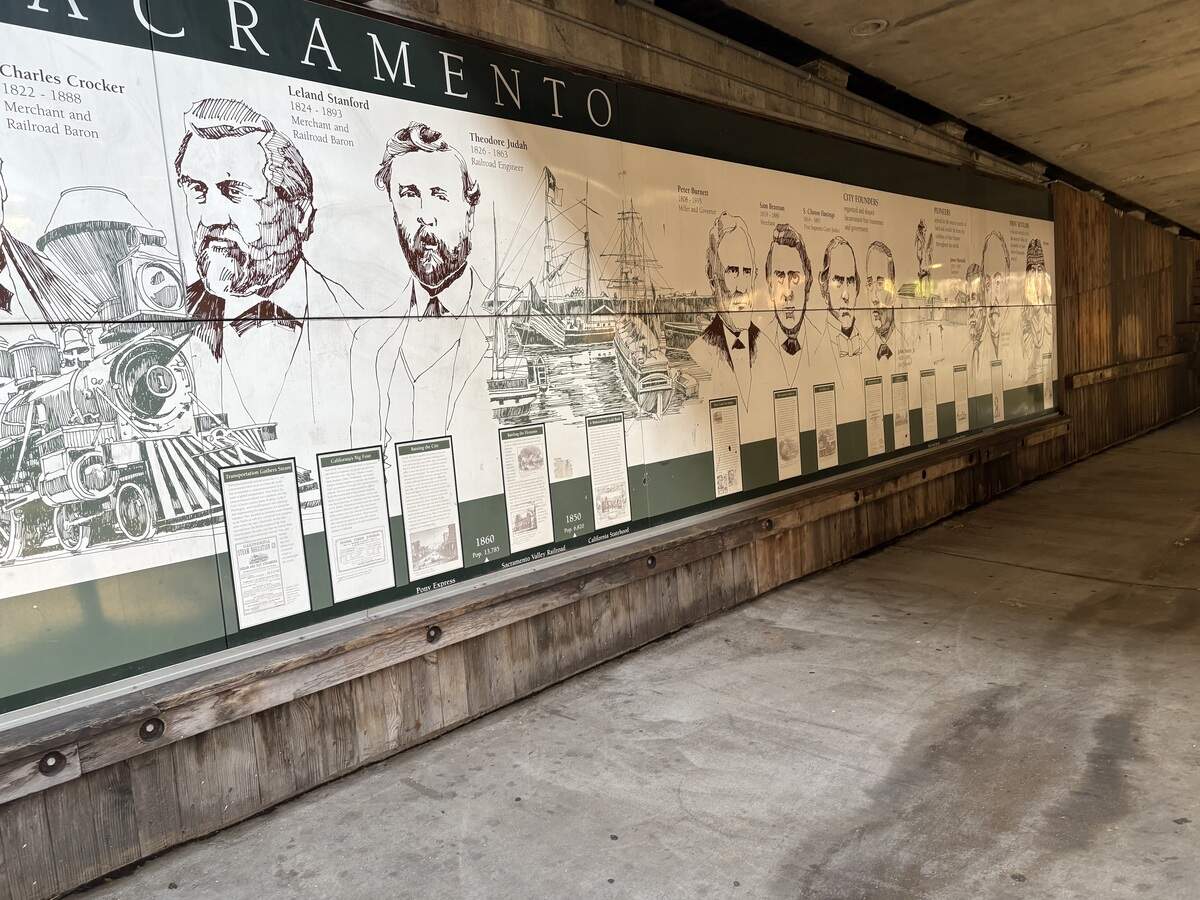
Commissioners McSlavkin and Ella Cross both questioned a historical mural in the tunnel, which includes controversial pioneers John Sutter and Peter Burnett, during the meeting. Cross said that perhaps the mural needed to be removed as “it affects the visitor experience and the reception of the Hackett House plaque.”
In reply, de Courcy said that it was his understanding that the mural was being reworked by the city’s economic development department and the Center for Sacramento History.
De Courcy said he feels positive about the progress in honoring Hackett House’s history.
“We’re hoping to build on this project and continue to tell these stories,” de Courcy said.
This story was originally published April 25, 2026 at 6:00 AM.