Did one California agency block another from investigating Esparto fireworks blast?

Reality Check is a Sacramento Bee series holding those in power to account and shining a light on their decisions. Have a suggestion for a future story? Email realitycheck@sacbee.com.
The explosion tore through a fireworks warehouse in Esparto last July 1, killing seven workers, prompting investigators from multiple agencies to descend on the small farming town to determine how it happened.
Cal-OSHA, the agency charged with investigating workplace safety and finding out what happened here, was one of the agencies on the site. Sources familiar with the investigation said Cal-OSHA’s team was repeatedly prevented from doing its job by Cal Fire, another state agency.
According to multiple officials and emails, a unit of four arson and bomb investigators from Cal Fire’s Office of the State Fire Marshal — which regulates fireworks in California — told witnesses at times not to talk to Cal-OSHA investigators and did not provide documents vital to Cal-OSHA’s investigation.
Parallel worker safety and criminal investigations are fairly common. On the federal level numerous agreements spell out cooperation between the U.S. Justice Dept and federal OSHA when they have parallel investigations. But in California, tensions over the Esparto investigation simmered for months and resonate today.
The schism was partially resolved through high-level meetings between the agencies and a memorandum of understanding forged last August. But dueling investigations, with one allegedly impeding the other, resulted in a delay in Cal-OSHA’s work, sources said. The agency is on the clock with its investigations, mandated by the state to complete accident investigations within six months, and, sources said, delays affect its ability to assess fines and determine criminality, and may have harmed families ability to receive restitution.
A document marked “confidential,” addressed “the investigation of and potential enforcement actions surrounding the explosion at the fireworks warehouse in Esparto, California, on July 1, 2025,” and prescribed a process for both agencies to share information with each other.
Cal Fire spokesperson Emily Weinzheimer, asked about the alleged blocking of Cal-OSHA investigators, said Cal Fire’s actions were part of a process.
“CAL FIRE investigators were conducting a criminal investigation and initially wanted to ensure all interviews were completed prior to other investigators (OSHA) conducting interviews,” she said in an email. “To ensure both agencies achieved their statutory responsibilities, Chief (Daniel) Berlant reached out to Deputy Director Adam Romero at Cal/OSHA to ensure both agencies were aware of one another’s processes and ensured cooperation among both agencies.”
The criminal investigation resulted in eight people indicted by the Yolo County Grand Jury, including former Yolo County sheriff’s lieutenant Samuel Machado. Five face murder charges.
Still, according to state officials, who did not wish to be identified because they were not authorized to speak publicly about the case, some of the consequences for Cal-OSHA were:
- It was not able to speak to multiple witnesses for months, missing a key window when recollection is clearest.
- Cal Fire did not share information about its interviews, keeping Cal-OSHA in dark about some individuals now facing serious criminal charges
- Officials also said that Cal-OSHA was unable to determine within the statute whether Black Star Fireworks, whose owner Craig Cutright was charged with making false statements and possession of illegal explosives, had employees despite some evidence that he did. Cal-OSHA issued no citations to Blackstar.
- Cal-OSHA’s Bureau of Investigations, which recommends labor code-based criminal prosecutions, has been delayed in its investigation by Cal Fire, too, sources said. They noted that impeding the BOI work can hurt families — resulting prosecutions from its work can result in seven-figure restitution.
Attorney Mark Berry, who represents the family of Angel Boller, an 18-year-old worker who died, witnessed the tension.
“I was troubled by it,” he said. “The Vollers were troubled by it.”
Interview allegedly blocked
Berry said on July 21, two Cal-OSHA investigators — Joey Crawford and Martin Lapp — drove to Lodi to interview Julian Voller, Angel’s brother and a two-year employee with Devastating Pyrotechnics, the fireworks company operating the warehouse.
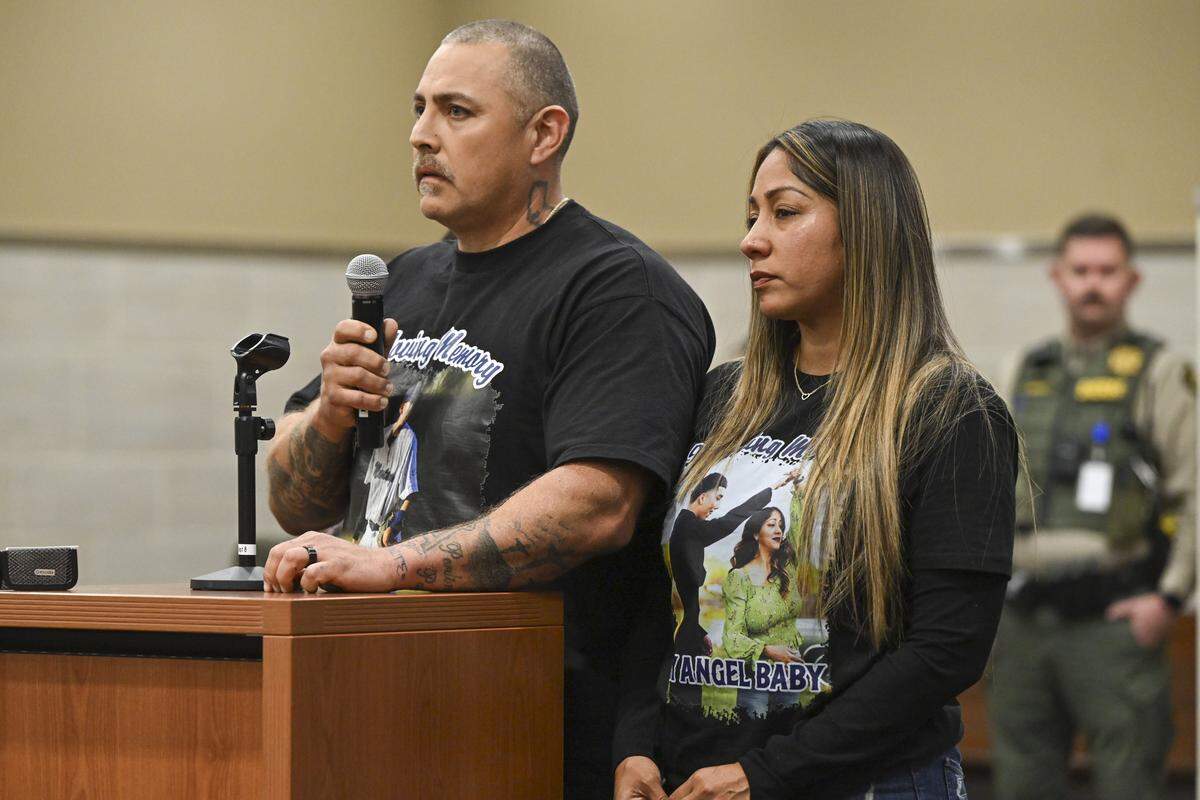
Crawford and Lapp wanted to speak to Voller because he was one of the only surviving workers. Julian had escaped only by chance, having taken his daughter to Great America that day for her birthday. When word of some kind of explosion had reached him. Julian rushed to Esparto, dialing Angel’s cell phone the whole way. It went straight to voicemail, Berry said.
Voller was close with his younger brother Angel, a star baseball player who had just graduated from high school. The two had spoken on the phone shortly before the blast.
When the Cal-OSHA investigators arrived in Lodi, Voller was a no-show.
Berry later apologized by email to Crocker, Cal-OSHA’s Sacramento District Manager, explaining that an arson and bomb investigator for Cal Fire, Gershom Slonim, had told Voller not to grant the interview.
“Mr. Crocker: I am sorry you unnecessarily had to drive to Lodi,” Berry wrote. “I was requested not to produce Julian for our July 21 2025 meeting. I was told that such a meeting could interfere in the criminal investigation.”
In an interview, Berry explained that Julian had talked to Slonim days earlier. “Julian is a victim who has lost so much. But he was treated like a suspect,” Berry said. During that interview, Slonim told Voller he needed to take his phone for a day. But the phone was never returned.
“After several calls about it, we just gave up,” Berry said.
Slonim did not respond to a request for comment.
Even though the phone was not returned, Slonim contacted him and instructed the lawyer not to produce Voller for a scheduled Cal-OSHA interview, Berry said.
Berry said the request was unsettling.
“Julian cares deeply about getting to the truth and seeing that those responsible face justice,” he said. “It was hard to understand why speaking to Cal-OSHA would be a problem.”
Voller was not interviewed until mid-September. “The OSHA guys could not have been nicer, once we finally spoke to them,” Berry said. “The same for ATF and the Yolo County DA, a class act. I did not have the same experience with Cal Fire.”
Others said they were told not to talk
Berry and a state official familiar with Voller’s account said he painted a troubling picture. Workers earned $20 an hour in cash and received no safety training, despite daily contact with explosives, often coming home after 12-hour days with blackened hands and faces after handling so many explosives.
In the days before the explosion, employees raced through the warehouse on a propane-powered forklift that occasionally leaked, loading and unloading black-market fireworks. Douglas Tollefsen, one of the five defendants facing murder charges, is said to have tested fireworks inside the warehouse — packed with explosives — months before the blast according to Berry and other sources.
Another family member of a victim said she was also instructed not to speak to Cal-OSHA.
Maria Melendez, whose husband Joel Melendez Jr. was killed, said arson and bomb investigator Slonim asked if she had been contacted by Cal-OSHA. “I said yeah, they want to speak,” she said.
Slonim, Melendez said, told her not to speak to Cal-OSHA.
“It felt very controlling,” she said. “...It just felt like he was interrogating me. It didn’t come off very nice. I was 20-weeks pregnant, planning Joel’s funeral, and he just kind of came at me. I don’t know if that is just his personality, but the experience was troubling.”
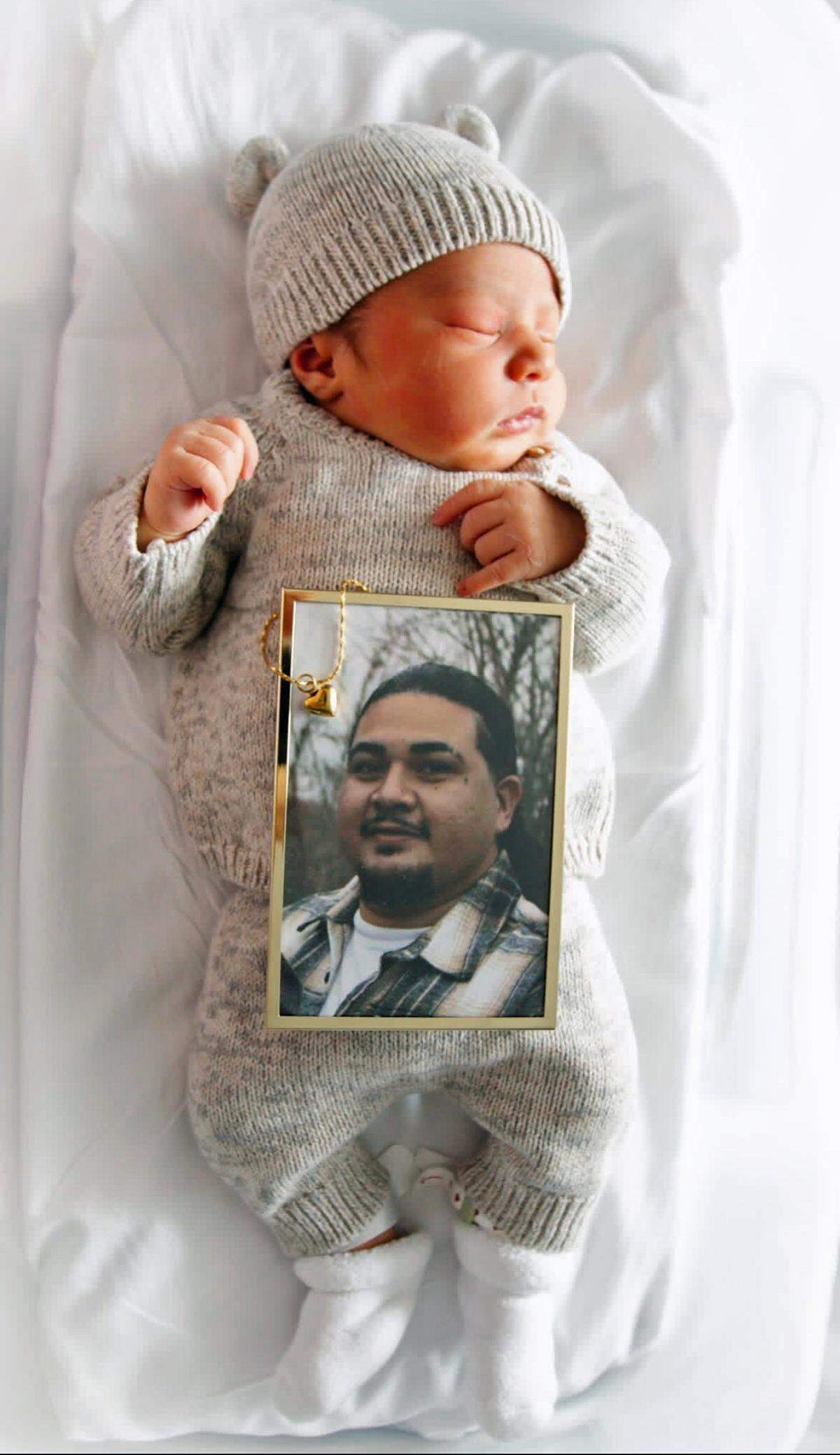
Melendez’s second son Jeremiah — his late father’s middle name — was born the day after Thanksgiving. She said preventing future accidents and ensuring those responsible face justice will be important to her sons..
Multiple investigations, time limit
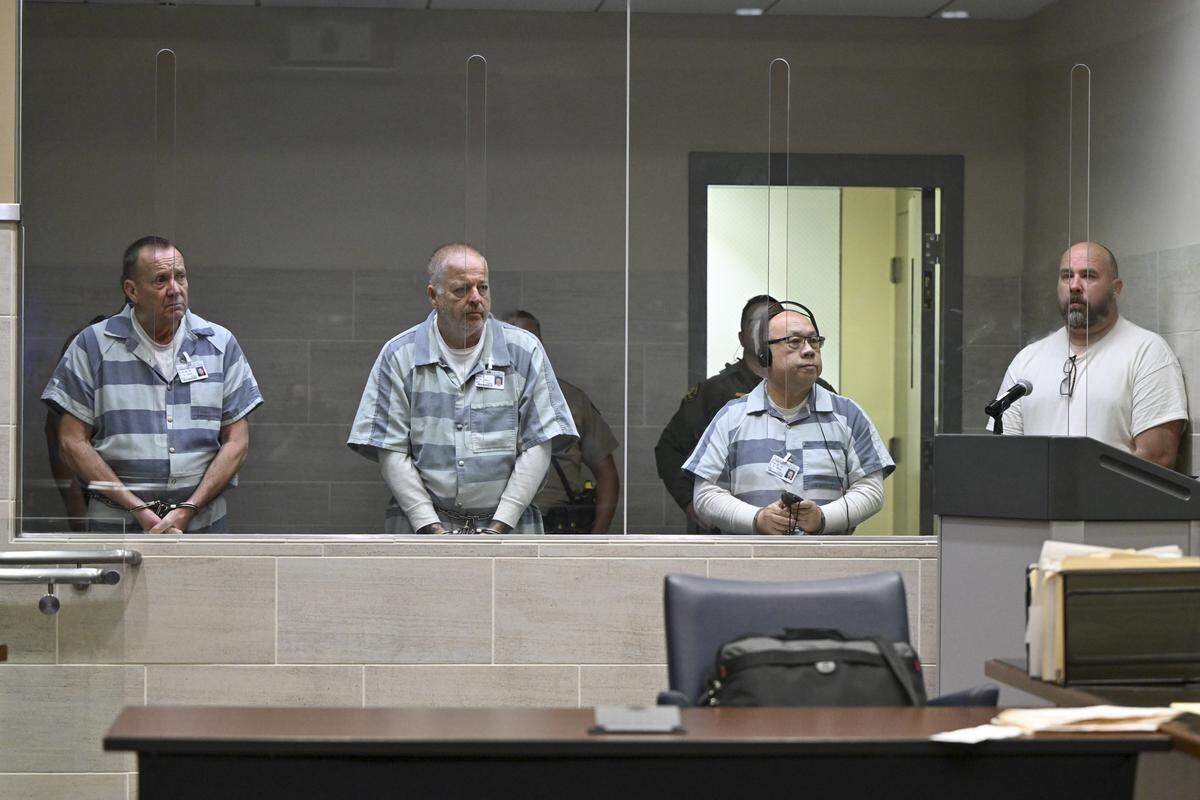
The arson and bomb investigators from Cal Fire played a prominent role in the Esparto case partly because the explosion happened on a compound owned by Machado, today charged with second-degree murder. This posed a conflict for Yolo County District Attorney Jeff Reisig because the county’s enforcement agency was allegedly involved.
He asked the state attorney general to take over the case.
In a letter turning down that request, Attorney General Rob Bonta placed his faith in Cal Fire.
“We understand that Cal Fire — not the Yolo County Sheriff’s Office — is currently leading the investigation of this incident,” he wrote. “We are confident Cal Fire is able to conduct a complete, thorough and unbiased investigation.”
Cal Fire and Cal-OSHA officials met to yield better cooperation.
Michael Bright, who leads Cal-OSHA’s Bureau of Investigations, wrote in an Aug. 8 email to Bryan Gouge, Cal Fire’s chief arson and bomb investigator, that “there was a plan in place for Cal Fire to reach out to the individuals that need to be interviewed so the Cal-OSHA enforcement staff could complete their investigation.”
Bright said in the email he believed “it would be a good idea to schedule a meeting.”
At that meeting the following week, , one attendee who wished not to be identified because they were not authorized to comment, said Cal-OSHA attorney Danielle Lucido stated that their investigators were still “being blocked.”
Cal-OSHA said that Lucido was not available for an interview at this time.
Addressing Cal Fire arson and bomb investigators Slonim and Bryan Gouge, State Fire Marshal Daniel Berlant appeared frustrated that problems persisted, the attendee said. The attendee said Berlant instructed Gouge and Slonim to do what was necessary to clear the obstacles.
Berlant did not respond to a question as to whether the arson and bomb inspectors had been ordered to block Cal-OSHA’s efforts, or acted on their own. Cal Fire spokesperson Ricardo Coronado said in an emailed statement: “Decisions regarding witness interviews and sequencing were made to preserve the integrity of the criminal inquiry.”
Officials familiar with Cal OSHA’s investigation said tensions with Cal Fire affected Cal OSHA’s investigation to the extent where citations would have been higher than the $221,000 that was assessed, if there was more cooperation.
Why did it happen
Before the explosion, the same unit of Cal Fire missed warning signs about the company Devastating Pyrotechnics, whose principals have now been charged with second degree murder. The families of the victims have filed a $35 million claim against Yolo County and state fireworks regulators alleging negligence.
Attorney Kyle Tambornini, who represents several of the families, said he understood the challenges Cal-OSHA experienced. But he said he has also been troubled by revelations that the team of Cal Fire investigators had missed what he called “red flags” pointing to serious problems with Devastating Pyrotechnics, which could have led to actions that would have prevented the tragedy.
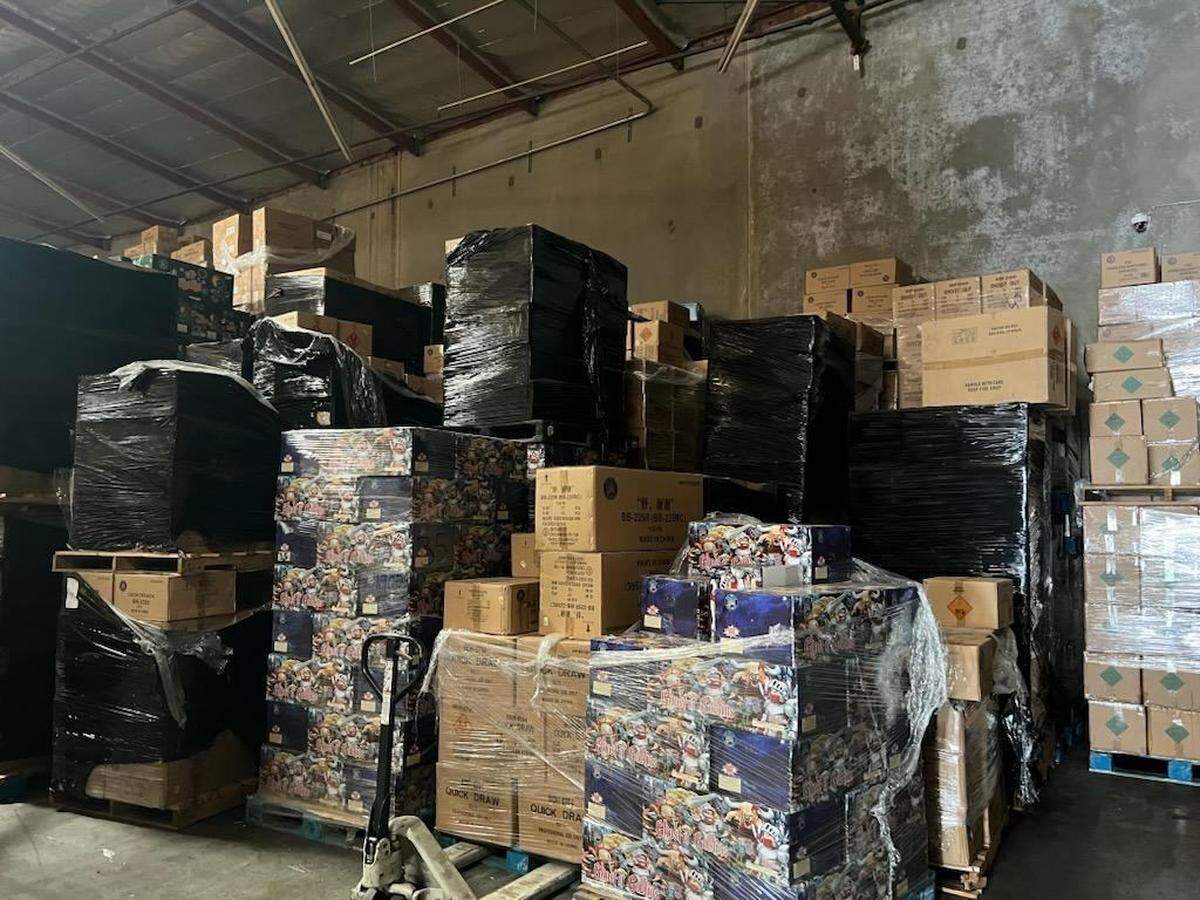
Among the red flags, the team of arson and bomb investigators — Gouge, Slonim, Charles Elder and Nicholas Schroeder — seized hundreds of thousands of pounds of illegal fireworks dangerously overstuffed with explosive material in Commerce six weeks before the Esparto explosion.
Cal Fire had said that the connection between Esparto and Commerce was not clear. The search warrant which authorized the raid made clear that the target of the raid was dangerous fireworks and explosives owned by Devastating Pyrotechnics.
After the raid, the fireworks remained in the warehouse while officials figured out how to destroy such a large cache. Attorneys for the fireworks company lobbied via emails, obtained by The Bee through public records requests, and phone calls to Schroeder and other officials to be permitted to bring them to Esparto. There, according to one email, they would have permission from the Yolo County Sheriff's Office.
The requests to transport the fireworks was denied. Cal Fire also did not scrutinize the Esparto operation
After the July 1 explosion, Cal Fire fielded media questions about the Commerce raid’s connection to Esparto. An internal email July 11 from Schroeder to Berlant and Gouge said, “It’s only a matter of time till they connect Commerce.”
Asked what was meant by this email, Cal Fire spokeswoman Kayla Washington stated: “It is a reference to the media connecting the two individual cases.”
For Tambornini, this raises questions.
“Look, these guys were tough, but a lot of investigators are,” he said. “They could have just been trying to protect the criminal investigation. But given so many missed opportunities ...one has to at least ask the question: Were they trying to control the evidence to make sure it didn’t bite them in the ass?”
Berry said that “the way that Cal Fire handled their side of the investigation, the insensitive manner they treated Julian when he just lost his brother, freezing out Cal-OSHA, all of that raises a lot of questions.”
He added: “Now that we have had indictments and the criminal process is moving forward, that is providing families some assurance that things are being taken care of and that they will see justice.”
This story was originally published May 6, 2026 at 5:00 AM.