Davis City Council votes to place 1,250-unit housing project on November ballot
The Davis City Council voted unianimously Tuesday that a proposed 1,250-unit housing development was ready for Davis voters to consider. The Willowgrove project would develop 232 acres north of East Covell Boulevard and east of the Wildhorse neighborhood.
“It’s very exciting, it’s been a long time coming,” Davis Mayor Donna Neville said during the council meeting.
The council voted 5-0 to certify the project’s environmental impact report, the final hurdle before it could go to voters. Willowgrove — just north of Mace Ranch and east of Wildhorse along East Covell Boulevard in the city’s northeastern fringe — is the second-largest development in the city’s housing development pipeline.
Under Davis’ Measure J-R-D, first passed in 2000, any development that rezones agricultural land for urban use must be approved by voters.
City staff said the project was ready to be placed on the November ballot, Senior Planner Eric Lee told council members. The staff report said their fiscal analysis found the project would have a cumulative negative impact of $190,422 over 15 years, which staff described as “essentially neutral,” but would provide more than $6.8 million in additional affordable housing funding.
The city held a workshop April 21 to present the project and take questions and feedback. Most public comments were positive, Lee said. The project was approved by the Davis Planning Commission last month.
Before the vote, each council member spoke in favor of the development.
“This is one I fully support,” Councilmember Josh Chapman said. “I think it goes above and beyond.”
What does the project include?
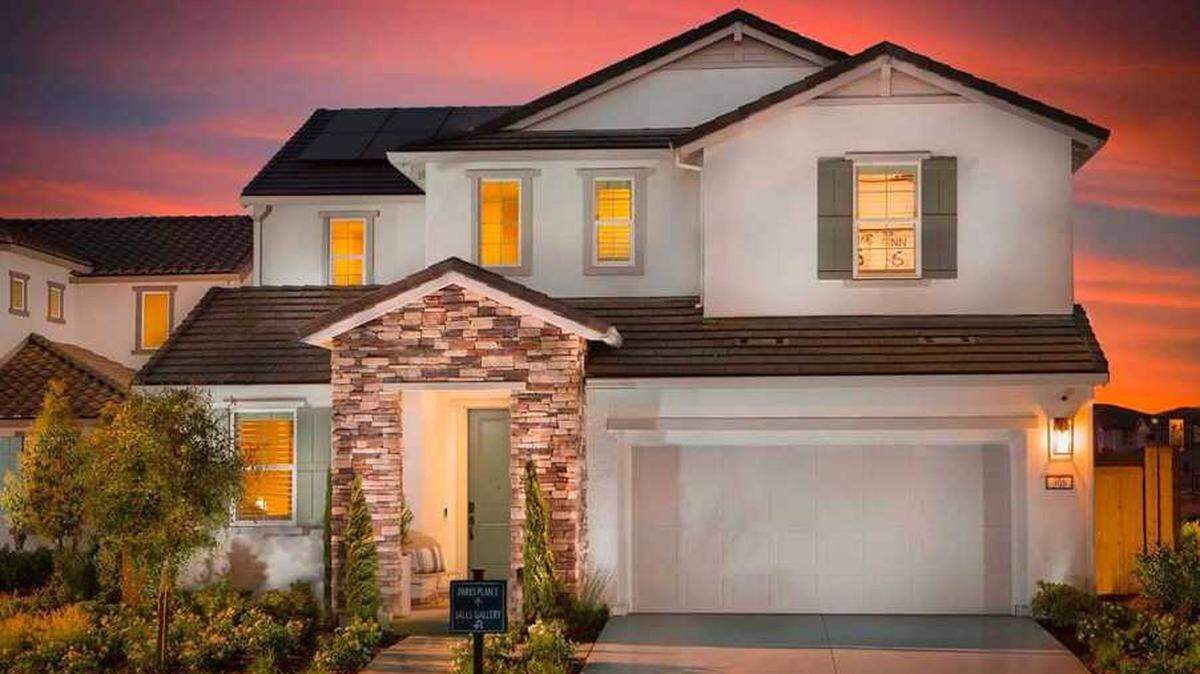
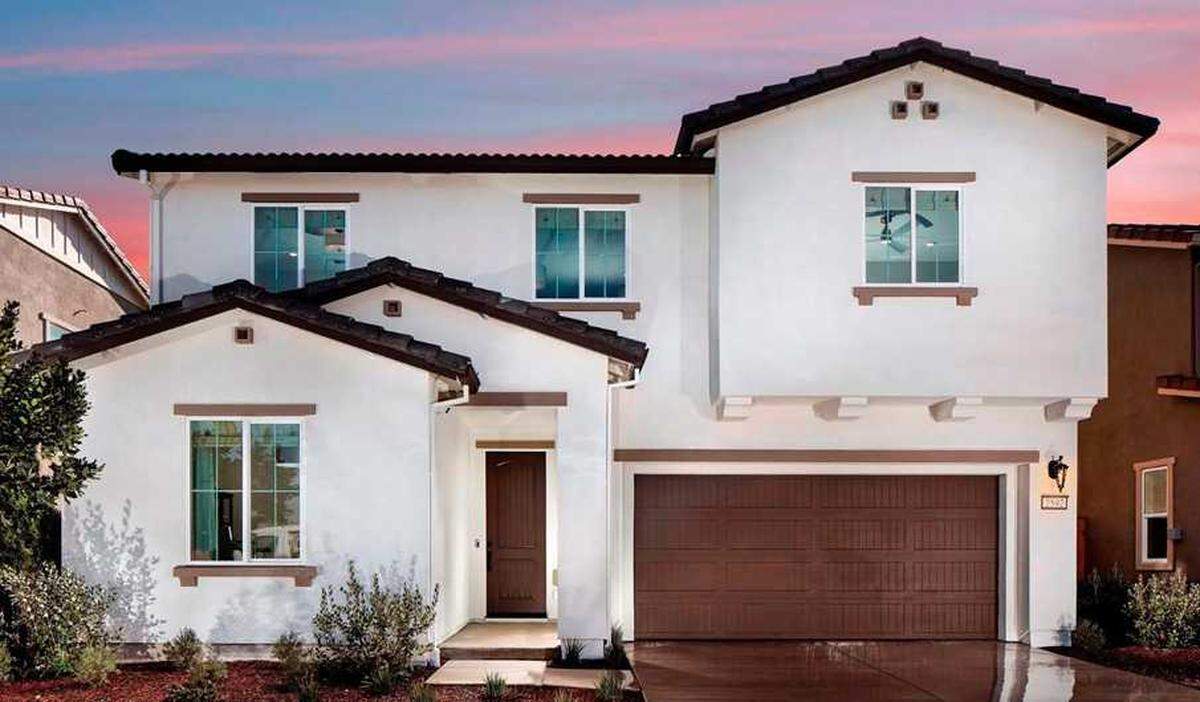
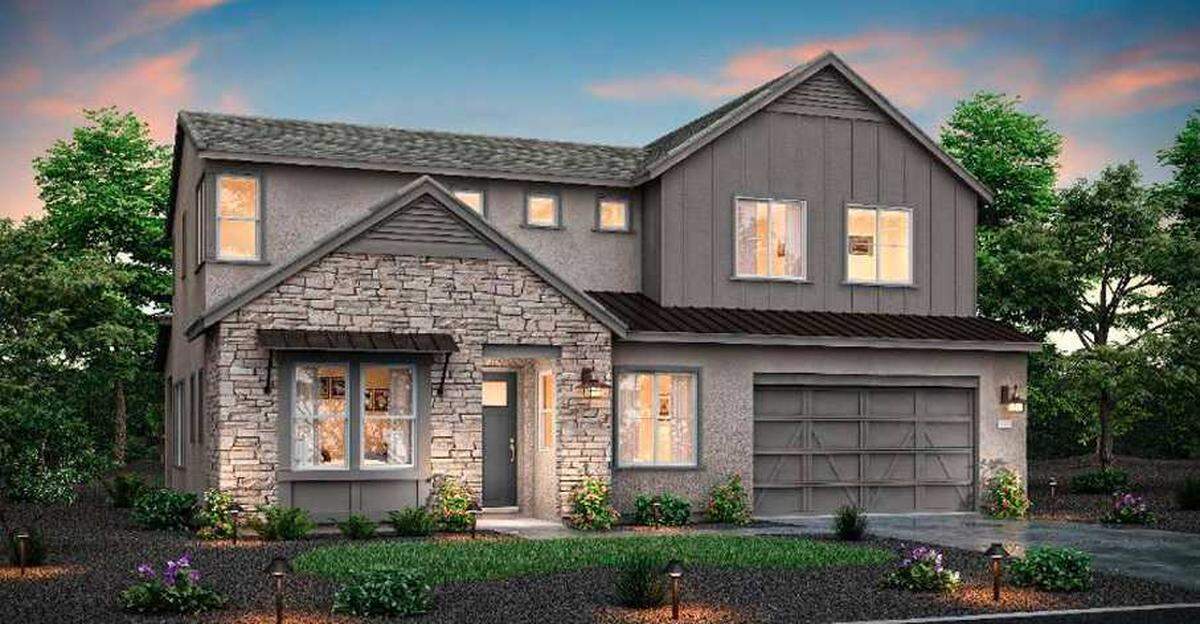
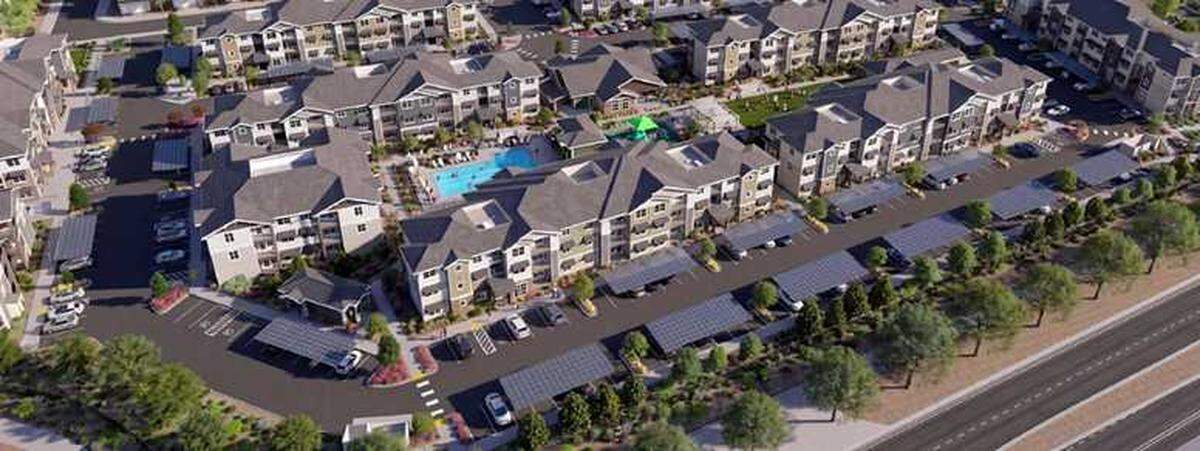
The Willowgrove proposal includes 197 low-density units, which typically are detached single-family homes; 515 medium-density units, which typically are smaller single-family homes and townhouses; and 538 high-density units, which typically are apartments or condos.
The developers plan to build 288 townhomes and condos priced for middle-income families. Davis’ mix of student housing and million-dollar homes has made it hard for young families to move to or remain in Davis. Many of the homes in Davis’ development pipeline are intended to bring that “missing generation” back to the city.
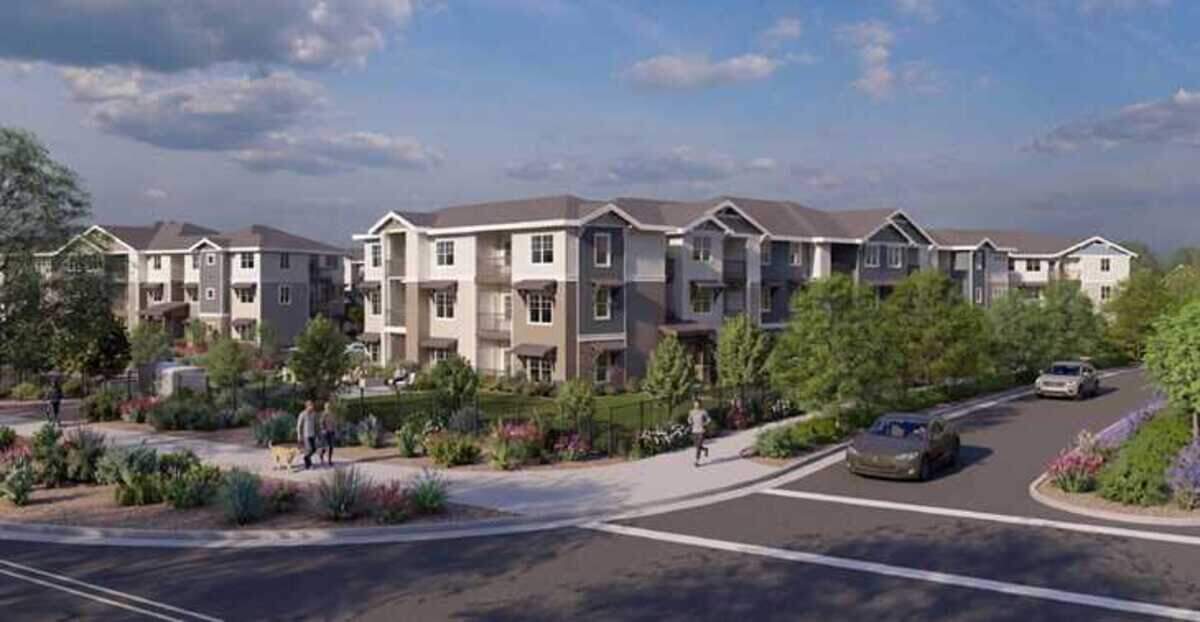
The development would include 250 affordable housing units. Most of those units would be high-density housing in a three-story apartment building on about 10 acres of the site. Developers have partnered with Alta California Regional Center to make 20 units available to people with physical or intellectual disabilities. Willowgrove would also include 20 townhomes priced for moderate-income families.
The proposal includes a separate two- or three-story building for the high-density market-rate units. Both the market-rate and affordable high-density homes would be located in the southwestern corner of the development site, closest to public transit options and downtown Davis.
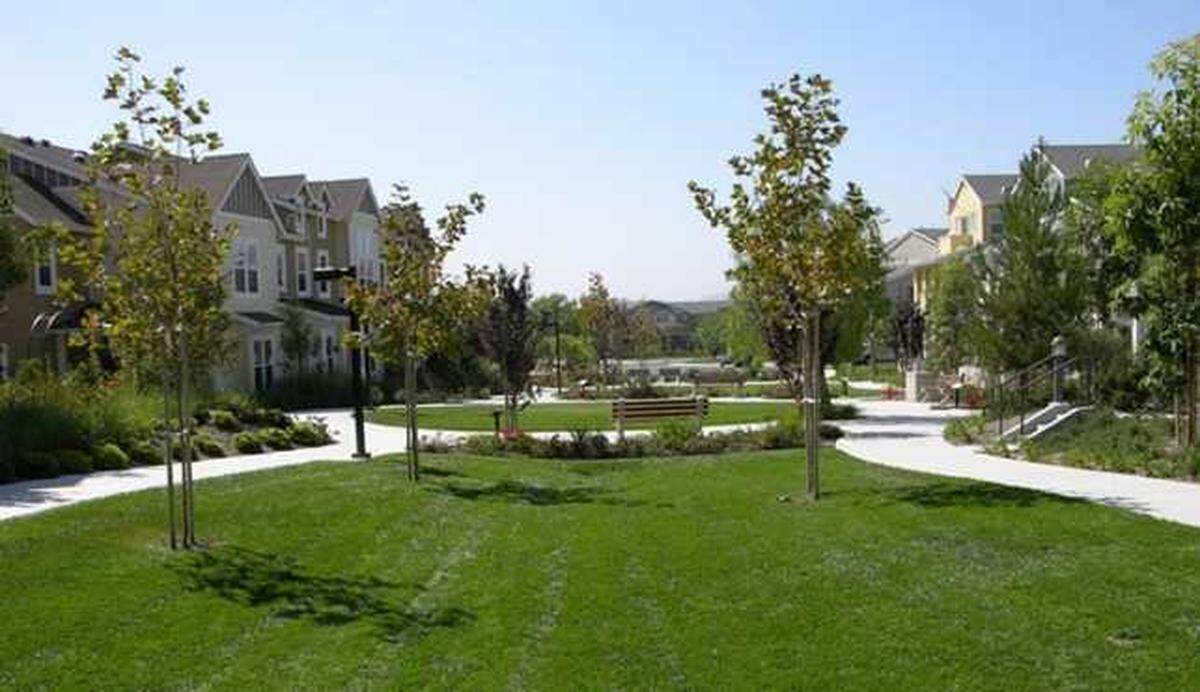
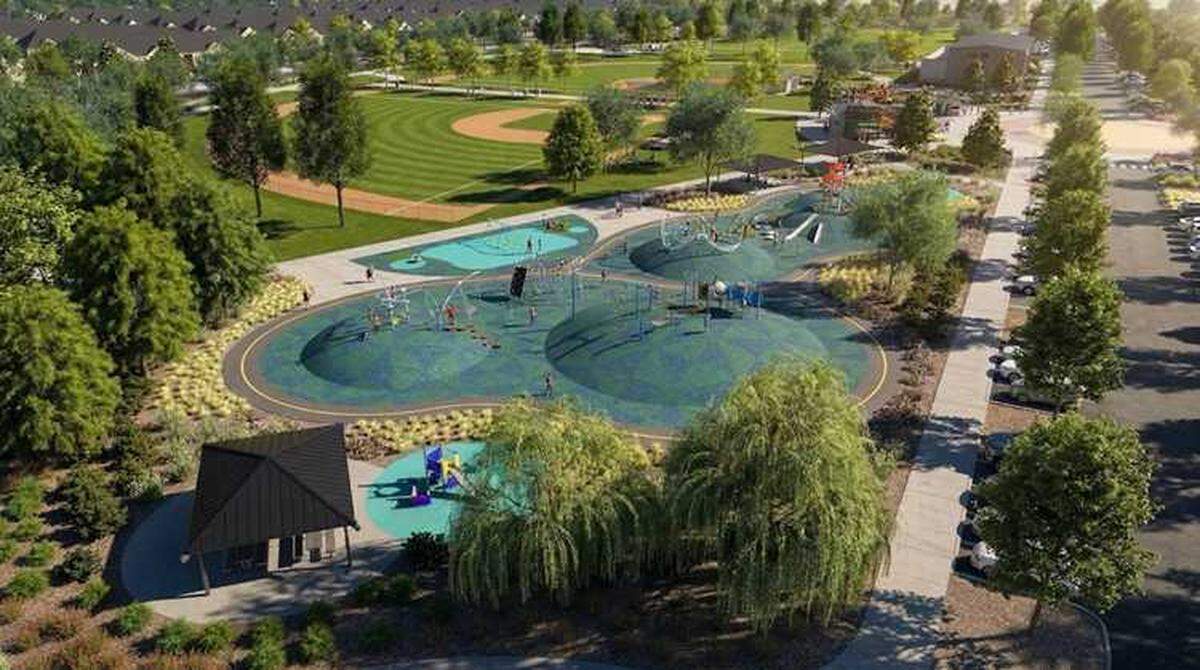
The Willowgrove proposal also includes 74 acres of shared spaces, including a community park, a garden and a neighborhood greenbelt. It includes planting 2,500 trees and removing about 50 trees from East Covell Boulevard. The project also includes 5,000 square feet of retail space for businesses such as cafes and coffee shops.
What would the project’s impact be?
Bre Moebiu, counsel for the Willowgrove project, said the proposal is “shovel ready” and would bring several benefits to the city. The project would increase the city’s property tax base by more than $1.2 billion and bring more students into Davis Joint Unified School District, she said.
The project’s environmental impact report was conducted by Nick Pappani of Raney Planning and Management Inc., who presented the report’s findings to the council.
Because the project would permanently convert farmland to urban space, it “would result in substantial unplanned population growth,” Pappani said. The project would exceed the city and region’s threshold for added vehicle miles traveled. Developers have suggested mitigation strategies, but those would not bring the project below the threshold, he said.
The report offered five alternatives, as required by the California Environmental Quality Act. Among the proposals were smaller project footprints, fewer units on the same footprint and canceling the project altogether. Increasing the density of housing units would mean converting less farmland and could help the project meet vehicle emissions targets.
What do residents think?
The project has been shaped by community input since its earliest iterations, Moebius said. It had been discussed in 70 public meetings over the past five years, she said.
More than 20 people spoke in favor of the development on Tuesday. They said they were in support because it would help address the city’s housing crisis, increase DJUSD’s student enrollment and would include housing units for people with disabilities. Among the commenters in favor was DJUSD Board President Hiram Jackson.
“We see a lack of housing as connected to declining district enrollment,” Jackson said.
The decision comes as voters consider Village Farms, an 1,800-unit development proposal that will appear on the June ballot as Measure V. Willowgrove has proven less controversial, even among Measure V opponents.
Several commenters spoke in favor of the athletic fields included in the proposed community park, including three fifth-grade softball players from Montgomery Elementary School and a group of third-graders.
As part of the deal, according to the city staff report, the developers would kick in $1.8 million to the Housing Trust Fund, giving the city the ability to offer “housing ownership opportunities for moderate-income buyers” within Willowgrove’s potential future footprint.
During public comment ahead of the vote, resident Alan Brownstein told council members that he chose Davis for law school decades ago in part because housing was affordable.
“How times have changed,” said Brownstein, who turns 80 next month. If voters approve Willowgrove in November, he said he would especially look forward to the new pickleball courts.
This story was originally published May 5, 2026 at 10:00 PM.