California wolf numbers rose in 2025, wildlife officials say, but breeding pairs fell
California’s wolf population was about 10% higher at the end of 2025 than the year before, despite the deaths of at least 12 animals, including four that were euthanized after attacking livestock, underscoring the state’s growing difficulties in managing protected predators.
There were 55 wolves in California by last December, up from 50 the year before, but down significantly from the previous estimate of 60 to 70 wolves in nine packs across the Sierra Nevada and other regions, according to a report released Thursday by the California Department of Fish and Wildlife.
But the number of successful breeding pairs — defined as mates that produced at least two pups that survived an entire year — declined from five to three, the report shows.
Wolves were driven to local extinction in California in the 1920s. But after a wolf known as OR-7 wandered into the state in 2011, the population began to re-establish itself under state and federal protections.
Last year, a wolf pack dubbed Beyem Seo by the state became unusually habituated to preying on cattle in the state’s high rangeland north of Truckee, killing about 100 animals before wildlife officials removed the pack by euthanizing three adults and one juvenile in the first legal killing of wolves in a century, according to previous Bee reporting.
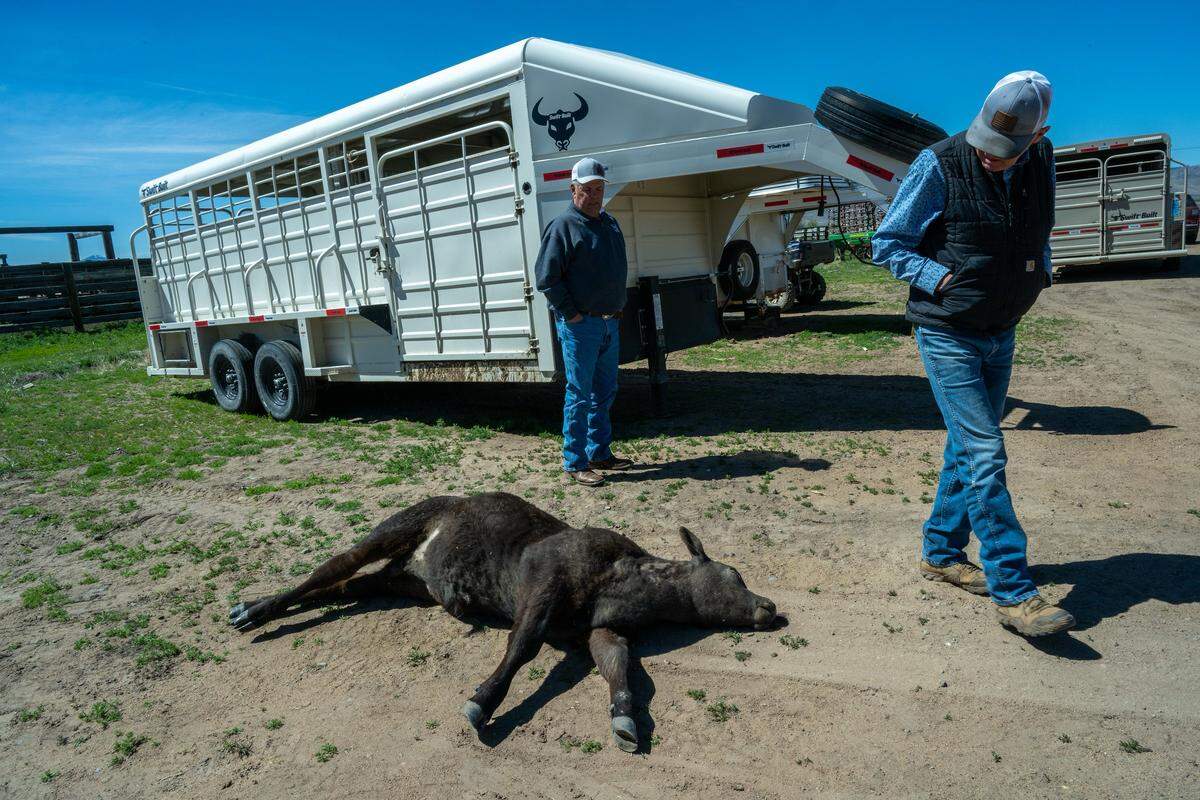
The removal of the pack, along with a state correction that it had mistakenly counted 10 packs, reduced the total number of packs to eight.
Natural Resources Secretary Wade Crowfoot called the situation a crisis, prompting legislative hearings on how California — which prides itself on environmental stewardship — can better manage protected predator populations. In addition to wolves, which cannot be harassed intensively or killed under environmental laws, the state must also find ways to protect people and livestock from protected mountain lions, bears and other species.
An effort to study the reintroduction of grizzly bears is being considered in the state Legislature, and environmental regulators drew controversy last year over whether to extend protections to coyotes.
Amaroq Weiss, senior wolf advocate for the Center for Biological Diversity, welcomed news that the wolf population grew slightly but said she was concerned that the number of breeding pairs declined.
“More wolf packs and more new territories are exactly what we’d want for a wolf population that’s beginning to recover, so that’s clearly a good thing,” she said in a news release. “But I hope 2025 is the only year where we see successful breeding pairs decline.”
It was the deadliest year for California wolves since they recolonized the state. Eight animals died in addition to the four Beyem Seyo wolves killed by wildlife managers, the report said. At least one wolf died during a collaring operation, according to previous Bee reporting. The others were killed in vehicle collisions and other incidents, the report said.
In April, state officials identified three more packs during the first quarter of 2026, potentially bringing the total number of packs to 12. Each of the newly identified packs includes a breeding pair.
The largest wolf pack is the Whaleback pack in Siskiyou County, home to the Klamath National Forest. It had seven members at the end of 2025, including a breeding pair. Nine wolves are classified as dispersers, meaning they are not part of a pack.
Across California, wolves are believed to have killed about 200 cattle and sheep in 2025, the report said.
The state investigated about 250 suspected attacks during the year, up sharply from 74 investigations in 2024.