Sacramento County supervisors consider new rooster rules amid noise complaints
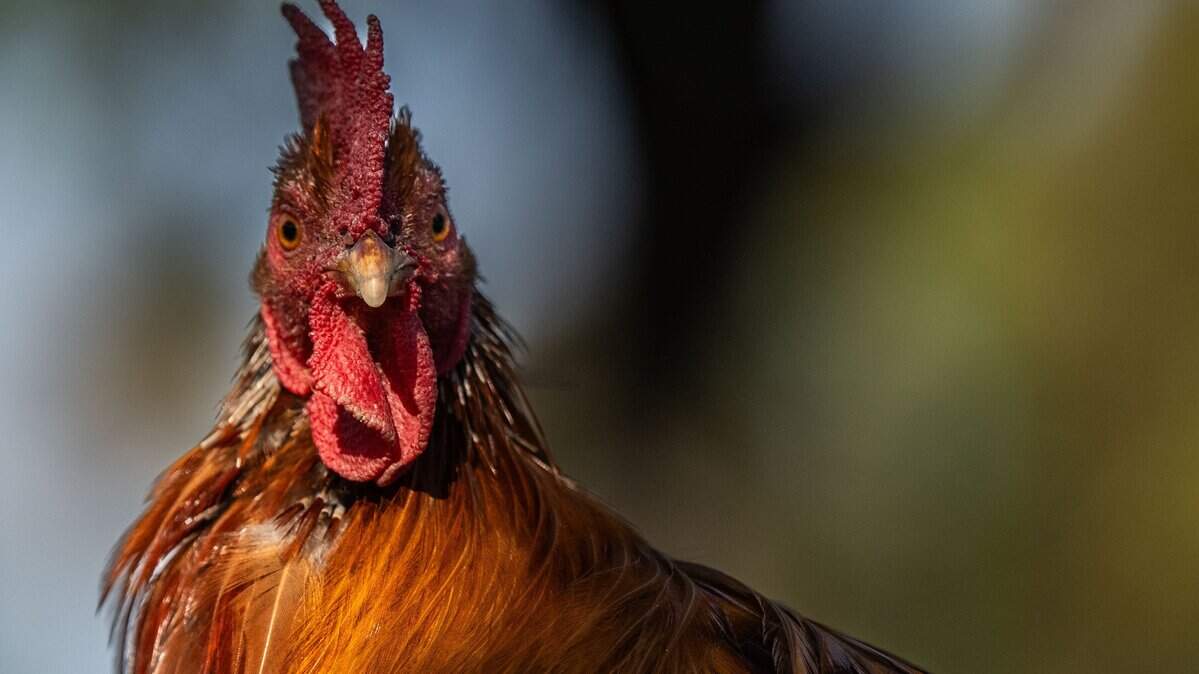
The Sacramento County Board of Supervisors is considering new restrictions on roosters after receiving more than 800 complaints about noise, animal welfare concerns and suspected cockfighting over the past three years.
The amendments, collectively known as the Zoning Code Amendment for Crowing Fowl, were driven by more than 800 complaints related to crowing fowl submitted through Sacramento County’s 311 system from 2022 through July 25, 2025. The majority of the complaints were related to the keeping of roosters and concerns about noise, inhumane treatment and suspected cockfighting.
One point of contention was the existing code’s rule that fowl could be kept on any parcel of land 10,000 square feet, roughly a quarter-acre, or larger.
“Right now, the old 10,000-square-foot rule allows neighbors on small, narrow parcels to keep roosters right up against property lines,” wrote Aysha Sheppard, a resident of Rio Linda, in a public comment to the board. “The constant noise is incredibly disruptive, and it makes it impossible for people to enjoy their own backyards.”
The existing zoning code also does not specify minimum standards for rooster management or care, nor does it establish clear standards for sanitation, animal welfare or confinement practices.
In another public comment, Amber Marshall, who identified herself as a disabled woman living in Rio Linda, reported a family on her street kept “over 25 caged roosters, inhumanely kept in 4x4 cages, uncovered, open to elements and predators that serve no purpose and who crow beginning at 1am and dont stop until some days after 9pm.”
“I am BEGGING you to implement this ASAP,” she wrote in response to a proposal to limit the number of roosters that can be kept on properties.
The proposed changes to the zoning code were also motivated by concerns voiced by the agricultural community and poultry farmers that the potential spread of Highly Pathogenic Avian Influenza, more commonly known as bird flu, due to unregulated keeping of fowl could impact their work.
The amendments recommended to the board included applying county noise ordinances in residential areas; establishing standards for equipment and materials used for incidental animal keeping in addition to existing animal-keeping standards; creating a registration process that would allow “legitimate hobbyists, breeders, and exhibitors” to exceed limits on the number of roosters allowed and reduce minimum lot-size requirements; modifying rooster limits based on lot size; and prohibiting the tethering and mutilation of roosters, according to supporting documents for the board’s meeting agenda.
Enforcement of the zoning code would be complaint-driven, and violators would be given 30 days to comply with regulations. The changes also included proposed modifications to county code, including clarifying definitions of terms such as “incidental agricultural accessory” and “incidental keeping of animals.” The proposed County Code changes also included new definitions for terms including “enclosure,” “restricts normal movement,” “rooster” and “tethering.”
Since December 2024, six public workshops have been held to gather suggestions and complaints, in addition to a recommendation meeting with the Sacramento County Agricultural Advisory Committee in December 2025. At that meeting, the committee recommended the board approve the amendments. The Sacramento County Planning Commission reviewed the amendments in February, voting 3-0 to recommend that the Board approve them.
County staff also sought feedback from community groups and received comments from “external stakeholders.”
One public comment letter from the California Hmong Chamber of Commerce expressed “strong opposition” to the ordinances due to religious freedom concerns.
“For the Hmong community, roosters are integral to ceremonies, offerings, and daily religious expressions,” the letter read. “Restricting the number of roosters would intrude on these practices, effectively pricing out families and undermining long-standing cultural and spiritual customs.”
The letter also cited court cases finding that laws that disproportionately affect religious practices cannot stand unless they meet certain criteria.
“The ordinance, as drafted, risks disproportionately impacting minority religious communities, raising equal-protection and free-exercise concerns, and fostering unnecessary cultural division,” the chamber wrote.
Since the letter was sent, county staff have met with the Hmong community to solicit feedback on a registration process that would allow exceptions to the limits on rooster numbers and lot size.
Other letters expressing concern about the amendments came from county residents who said they were lifelong bird breeders.
“I have been raising and showing chickens all over the west coast for the last 38 years,” wrote Katherine Plumer, who said she had lived in Wilton for nearly all of her life, was a Master Exhibitor in the American Poultry Association and the American Bantam Association, and had studied avian sciences at UC Davis. “It’s no understatement to say that chickens are a huge part of my life.”
Jessie Ortega, president of the California Association for the Preservation of Gamefowl, wrote that the amendments were “a blatant attempt to control the rights of the law-abiding citizens and their private property,” and requested that the county abandon the amendments in favor of better enforcing the existing zoning code.
The agenda’s supporting documents noted that county staff recommended continuing consideration of the ordinances until the board’s June 16 meeting for adoption.
This story was originally published June 9, 2026 at 2:36 PM.