Sacramento area climate programs face uncertain future amid Cap-and-Invest changes
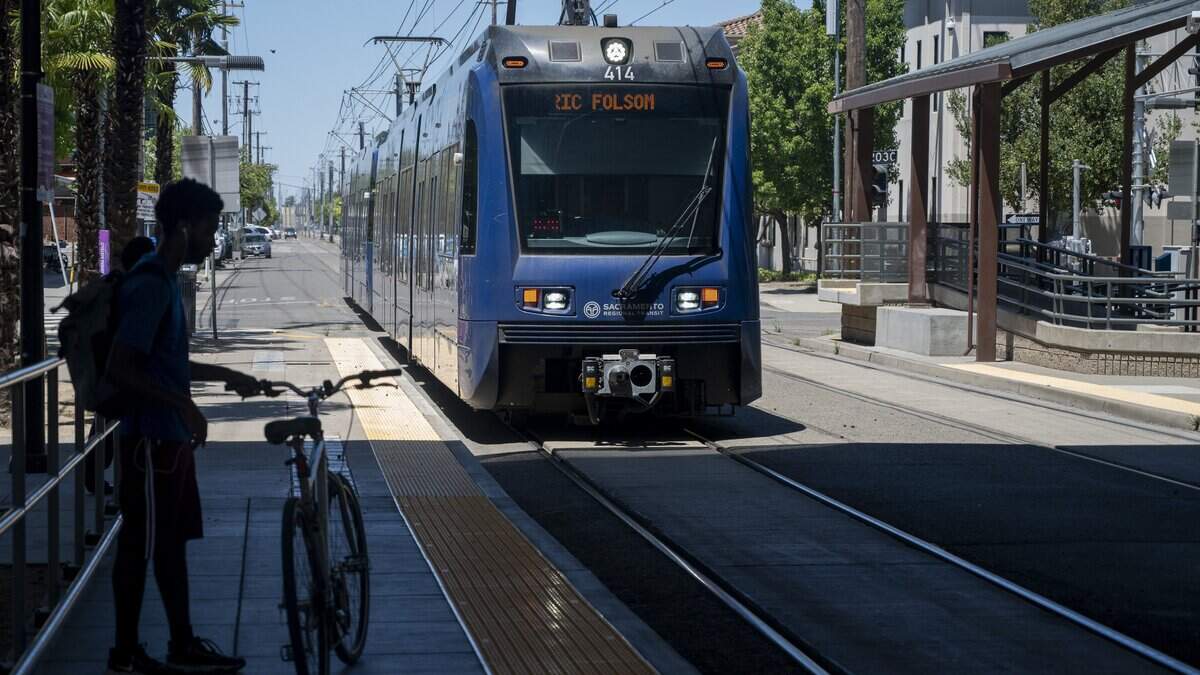
Sacramento County climate programs could face funding uncertainty as state officials sort out how Cap-and-Invest changes will affect revenue that supports local air quality, housing and transportation projects.
Like regions across the state, the Sacramento area uses revenue from California’s Cap-and-Invest program, formerly known as Cap-and-Trade, to fund local climate programs. The state’s marquee climate program auctions emission permits to major polluters and uses the revenue to support climate programs and provide credits to utility customers.
The money has been used to finance programs ranging from community air-quality work to affordable housing near transit, infrastructure upgrades and green transportation projects, helping move the county toward its goal of reaching carbon neutrality by 2045.
But with state analysts warning that the updated Cap-and-Invest program could bring in significantly less auction revenue, local officials are waiting to see what happens to that funding stream.
Community air protection funding
Cap-and-Invest funding helps pay for Sacramento’s Community Air Protection Program and Community Air Protection Incentives. For the Sacramento Metro Air District, the community air protection work is centered in South Sacramento-Florin, a community facing disproportionate exposure to toxic air pollution as defined by Assembly Bill 617, while incentive funding also supports green projects in other disadvantaged communities in the county.
The programs help communities track local air pollution by placing more air monitors in the area, develop their own pollution-reduction plans and fund green projects that replace older diesel vehicles and equipment, such as school buses and heavy-duty trucks, with cleaner options.
Since fiscal year 2017-18, up to $250 million a year in Cap-and-Invest revenue has gone to the state’s Community Air Protection Program and Community Air Protection Incentives. The Sacramento Metro Air District has received more than $30 million in Community Air Protection Incentives funding since 2018.
Janice Lam Snyder, the district’s director of community air protection, said that the funding has allowed the district to engage more with residents and improve the community’s air quality. While saying it is premature to speculate on the exact funding amount or impacts of the updated Cap-and-Invest program, Snyder noted the direct connection between the funding and the district’s air protection work.
“We do know that any changes in funding level could affect the program, and that could affect the pace, scale and timing of their certain programs,” Snyder said.
“But since the state is still working through the details of that … it’s something that we’re going to have to follow pretty closely and evaluate and analyze what the impacts will be moving forward.”
Affordable housing and cleaner transportation
Cap-and-Invest revenue has also funded affordable housing and transportation projects through the Affordable Housing and Sustainable Communities program.
The program has awarded the Sacramento region about $363 million since the program’s first funding round in 2015. The money has been used to build affordable housing and improve transportation access in communities including Sacramento, West Sacramento, Woodland and Yuba City.
In the latest round, the funding supported 618 affordable housing units across Sacramento, West Sacramento and Woodland. The funding was also used to improve transportation access by adding bikeways, repairing sidewalks and upgrading transit signal priority infrastructure.
Funding cuts to the affordable housing program "will negatively impact the region’s ability to meet our state mandated emissions reduction targets,” said James Corless, executive director of the Sacramento Area Council of Governments.
“Our region has made significant gains in housing and transportation solutions, and the state must continue to invest in these types of programs to keep our forward momentum.”