Grand jury: Foster kids at risk of exploitation in Sacramento County temp housing
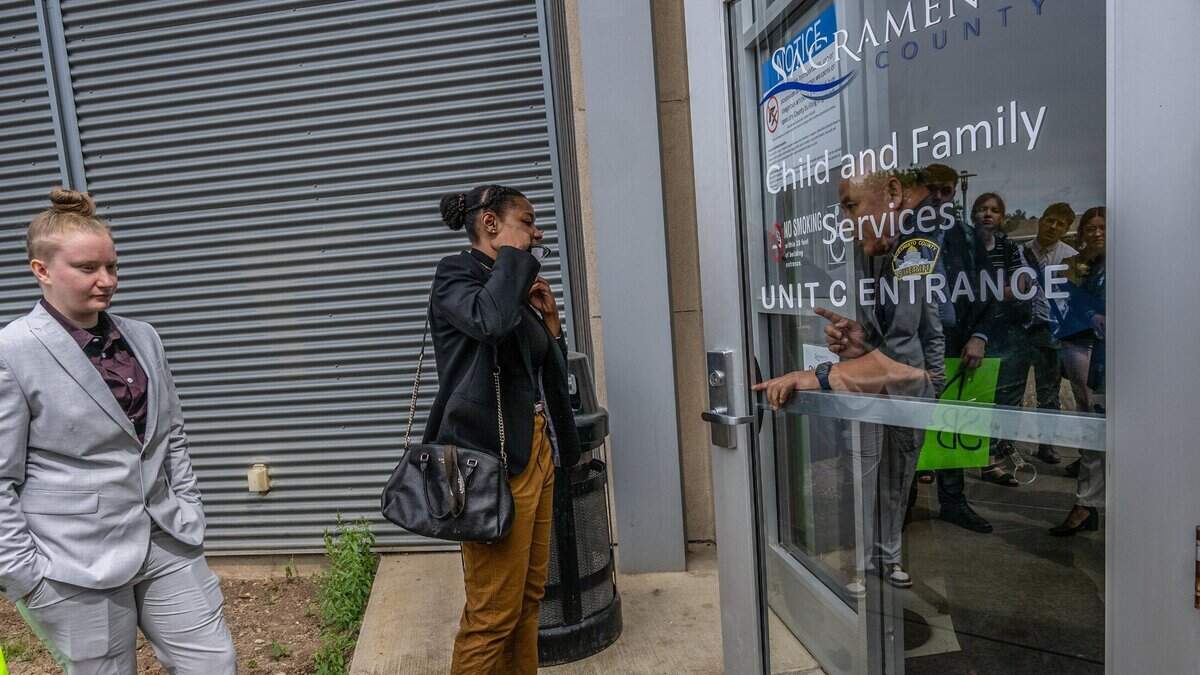
Foster youth living in Sacramento County-run houses while awaiting a permanent home are vulnerable to sexual exploitation, and the staff that runs them is undertrained, a new grand jury report found.
The report, released this week, found that the county should stop moving youths at risk of sexual exploitation into the three “welcome homes,” where foster youth live temporarily while awaiting placement in permanent homes. Since the grand jury’s last examination in 2023, the county has achieved state licensing for the homes and started providing the public and Board of Supervisors data on the hundreds of unauthorized absences per quarter, the report found. However, the county still needs to hire a specialized contractor to run the homes, release additional data on unauthorized absences, and start including sexual exploitation history in their missing person reports to deputies, the report said.
From April to June 2025, the most recent data available, 240 kids left the three “welcome homes” without authorization, the report found. Some were just gone for an hour or two, but any unauthorized absence raises “alarm bells,” the report said.
The California Foster Youth Bill of Rights comes into play when deciding what rules the county can place on the youths.
“Foster youth’s freedom of movement is guaranteed in the Foster Youth Bill of Rights, and provides foster youth with the right to engage in extracurricular school or community activities,” the report said. “However, witnesses the Grand Jury interviewed specifically expressed concerns that youth manipulate the freedom the Bill of Rights allows, resulting in a high number of unauthorized absences.”
Larry Fluharty, the Office of the California Foster Care ombudsperson and an expert in the Foster Youth Bill of Rights, said that while youth have rights of movement, their safety is also important. He said he thinks the county should close the temporary homes altogether.
“The OFCO realizes that youth who leave placement without permission are in jeopardy of great harm while at large and that trafficking of youth is a serious and complicated problem,” Fluharty said. “ ‘Welcome Homes’ are not a placement and therefore not an appropriate placement for any youth.”
Use of ‘Welcome Homes’ replaced former jail facility
The issue of where to place teenagers as they await permanent homes has plagued the county for years. The county in 2022 started using cells in a former juvenile detention facility for the teens, prompting Fluharty to send a letter to the county, reported first by The Sacramento Bee. Under pressure from legislators, the county stopped using the facility for foster youth in 2023, which Fluharty called “progress.”
The county is still not using the former juvenile detention facility, said Macy Obernuefemann, a county spokesperson. Instead it uses the three "welcome homes,” which each have a capacity of six youths, most of whom are 16 and 17. Despite recent county budget cuts for the fiscal year that started Wednesday, the county did not make any cuts to the welcome homes, she said.
The county had no comment on the grand jury report, but Obernuefmann said it would file a response within the required 90 days.
The last time the grand jury did a report on the county’s foster care system, in 2023, the county said it planned to hire a specialized contractor to take over running the temporary homes from the county staff, the report said. That has not happened.
“Inexperienced staff, who receive on the job training, do not possess these skills,” the report said. “Witnesses admit that (the county) was not prepared to operate Welcome Homes and was not in the business of doing so when they opened. They have shown improvement but continue to face challenges with youth who walk away from the Welcome Homes, as seen in (the quarterly reports), and these youth continue to face potential exploitation.”
Grand jury recommends more data on absences
When the youths leave without authorization and the county files missing person reports with the sheriff’s office, it does not always include whether the youth is at-risk of sexual exploitation, the report said. It should by Dec. 31, the report recommended.
It’s unknown how many of the 240 runaways were only gone an hour, or how many were gone longer. The report suggested the county start including those details in its quarterly reports to the Board of Supervisors and public.
“Although Welcome Homes have made progress and the foster youth residents are living in a licensed environment, the lack of specific data regarding unauthorized absences keeps the problem of sexually exploited youth out of the public eye and masks this ongoing serious problem in the county,” the report found.