Lake Natoma swimmers urged to use caution after E. coli detected at beaches
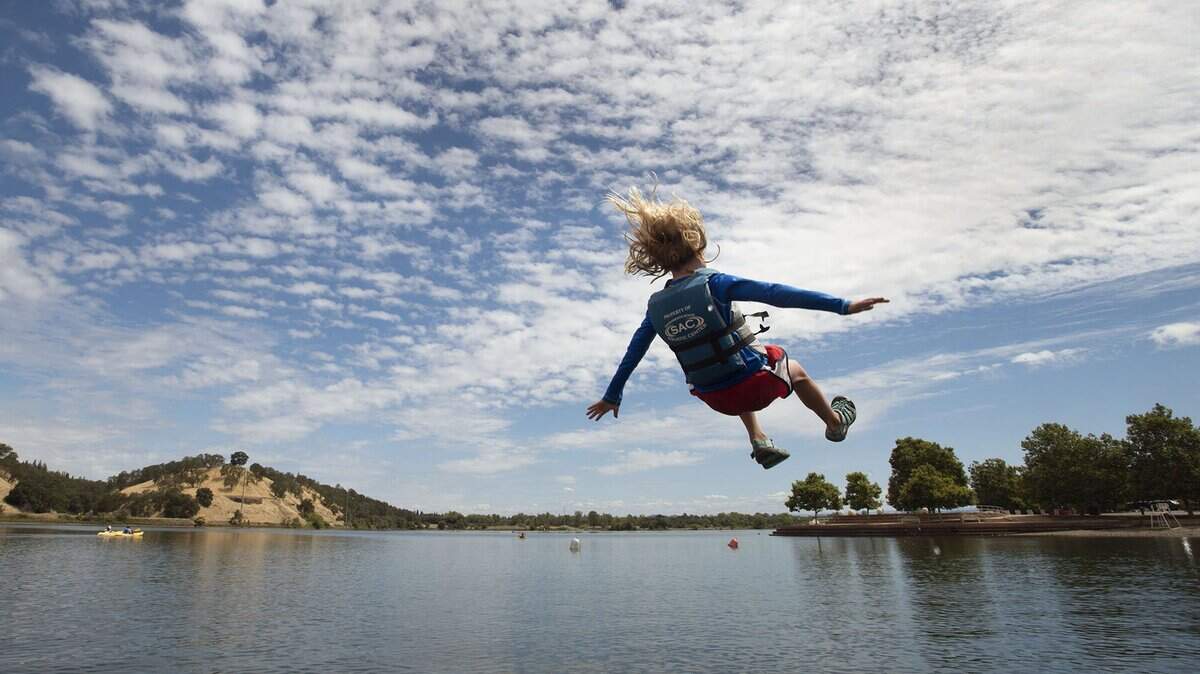
Lake Natoma visitors should use caution when swimming this weekend after elevated levels of E. coli bacteria were detected at several near-shore locations in the reservoir, according to California State Parks officials.
Elevated levels of the bacteria, which indicate fecal pollution, were detected at the Willow Creek Day Use Area, Nimbus Flats and Black Miners Bar Day Use Beach, park rangers said in an alert Wednesday. The affected areas in Folsom Lake State Recreation Area are located around the 4-mile-long reservoir, which helps regulate releases from Folsom Lake upstream.
The Central Valley Regional Water Quality Control Board detected the elevated bacteria levels after testing samples collected in late June, State Parks officials said.
The agency is also monitoring for cyanobacteria, formerly known as blue-green algae, which can form harmful algal blooms that pose risks to people and animals.
To reduce the risk of illness, beach-goers should not drink lake water, avoid swimming with open wounds and shower after leaving the water. The U.S. Centers for Disease Control and Prevention also recommends washing your hands before eating and keeping sand and dirt away from your mouth.
Pet owners should provide clean drinking water, wash their pets with clean water after swimming and prevent them from eating algae clumps or drinking lake or river water, which can expose them to “potentially fatal toxins,” according to State Parks.
Additional E. coli testing will continue throughout the summer. Weekly test results are available on the Surface Water Ambient Monitoring Program Recreational Water Quality Monitoring webpage. Current advisories for harmful algal blooms are available on the Water Quality Monitoring Council website.