
Are wolves eating California cattle? Here's what to know about a new UC Davis study
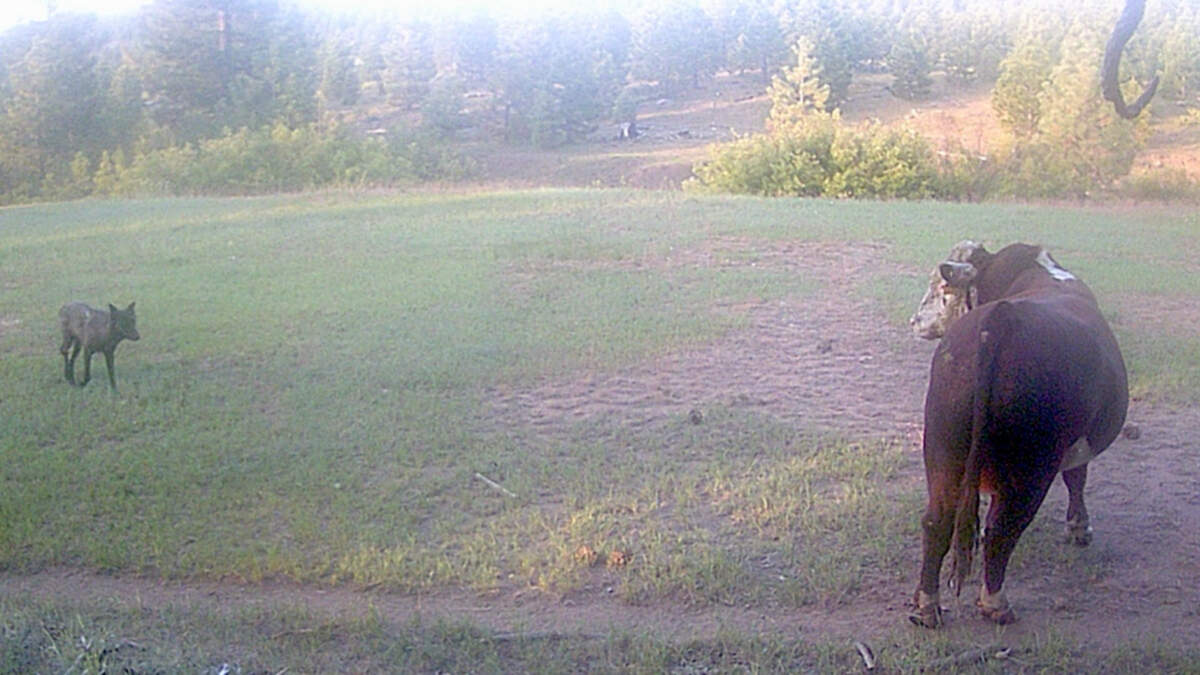
A new UC Davis study reveals that wolves in Northern California are making cattle their main course, with livestock accounting for more than half of what the predators eat. The findings add fresh fuel to California’s growing debate over how to balance wolf conservation with protecting ranchers.
The Bee’s Sharon Bernstein has been covering this issue, including award-winning work documenting the strain on law enforcement and the friction between ranchers and environmentalists. Here’s her story about the study: Are wolves feasting on cattle? UC Davis study shows their diet of livestock
Here are key takeaways:
- DNA from cattle appeared in 72% of wolf scat samples collected during the summers of 2022 and 2023, making up 55% of the wolves’ total diet. Mule deer, wolves’ traditional prey, showed up in just 45% of samples.
- UC Davis agricultural economist Tina Saitone said the cattle industry is “really supporting the conservation success of wolves” in California, arguing the animals are recovering largely because livestock is available as food.
- The study does not distinguish between cattle killed by wolves and those scavenged after dying from other causes. A 2015 USDA report found predators accounted for 2% of adult cattle deaths and 11% of calf deaths.
- Amaroq Weiss, senior wolf advocate at the Center for Biological Diversity, questioned the methodology, saying researchers collected scat only along roads and trails while excluding brushy areas where wolves may eat smaller prey.
- In 2025, the Beyem Seyo pack killed nearly 100 cattle in about seven months in Plumas and Sierra counties, prompting wildlife officials to euthanize four wolves. Natural Resources Secretary Wade Crowfoot called the situation a crisis at a January legislative hearing.