
‘Virtual kidnapping’ schemes targeting Roseville residents, police say
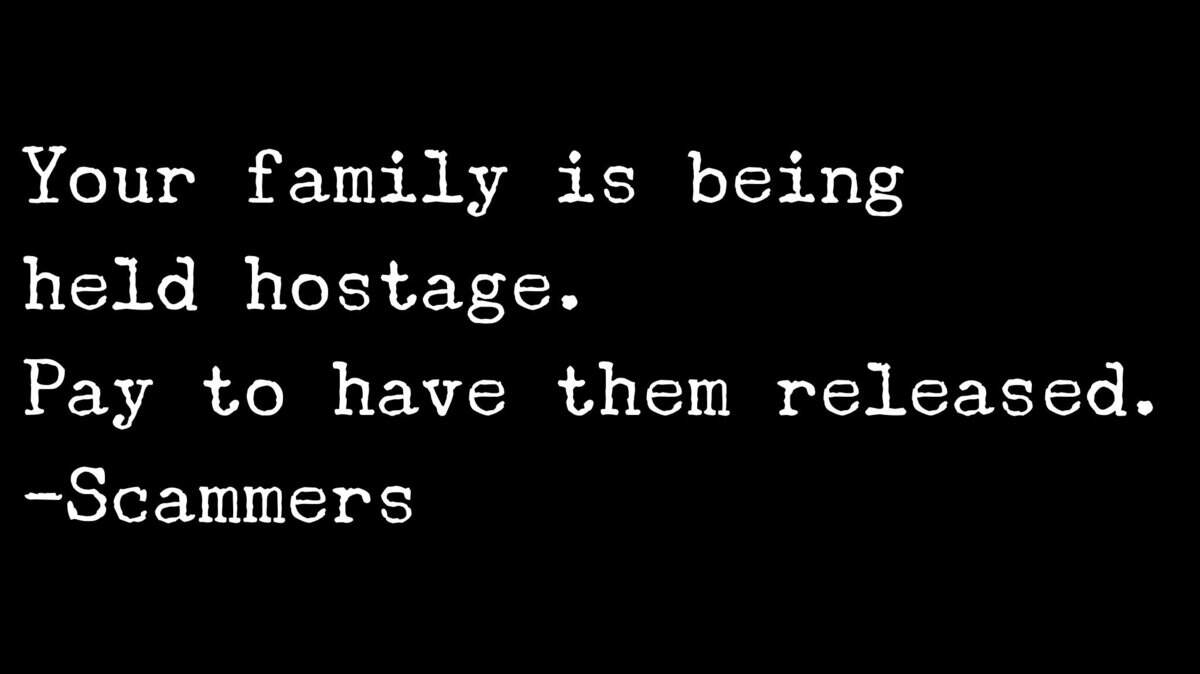
Police have warned Roseville residents Thursday of a new kind of scam to be aware of — what authorities are calling “virtual kidnapping.”
Roseville Police Department officials say they have received several reports of a scam in which a caller will claim to have a scam victim’s family member or members hostage. Scammers then demand money for their release, as police explained Thursday in a Facebook post.
Individuals receive calls from often international numbers, hear a recording of a person screaming and then are given specific directions — including a route to drive — to wire ransom money, Roseville police said.
Police Department spokesperson Rob Baquera said the department has received at least three reports “all stating the same thing, but none have fallen victim” to the scheme so far.
This sort of scam involves international phone numbers and it has been seen in other parts of the country, but appears to be new to the Roseville area, Baquera said.
Here is what Roseville police want potential victims to know regarding these calls, as shared in their Facebook post:
“Here’s what you need to know to protect yourself from potentially falling victim to this scam:
- These scammers will often have pre-recorded messages of individuals yelling for help or screaming
- They will tell you to withdraw funds from your account in order to have your family members released
- Most often these scammers will tell you to stay on the phone and not call the police or something will happen to your family members
- They will ask you to honk your horn while you are in your vehicle so they can hear you are still in your car
- They will usually provide very specific instructions on where you are to drive giving local businesses, banks etc. (They will be looking at a map to make it seem as though they are familiar with the city)
- The phone number will usually come up at being from out of the country or foreign.”
The Facebook post further reminds residents that the vast majority of these types of calls are “completely fake.” One way to debunk them? Call your family members and confirm that they are OK.