
California prisons’ ‘code of silence’ takes center stage in Sacramento courtroom
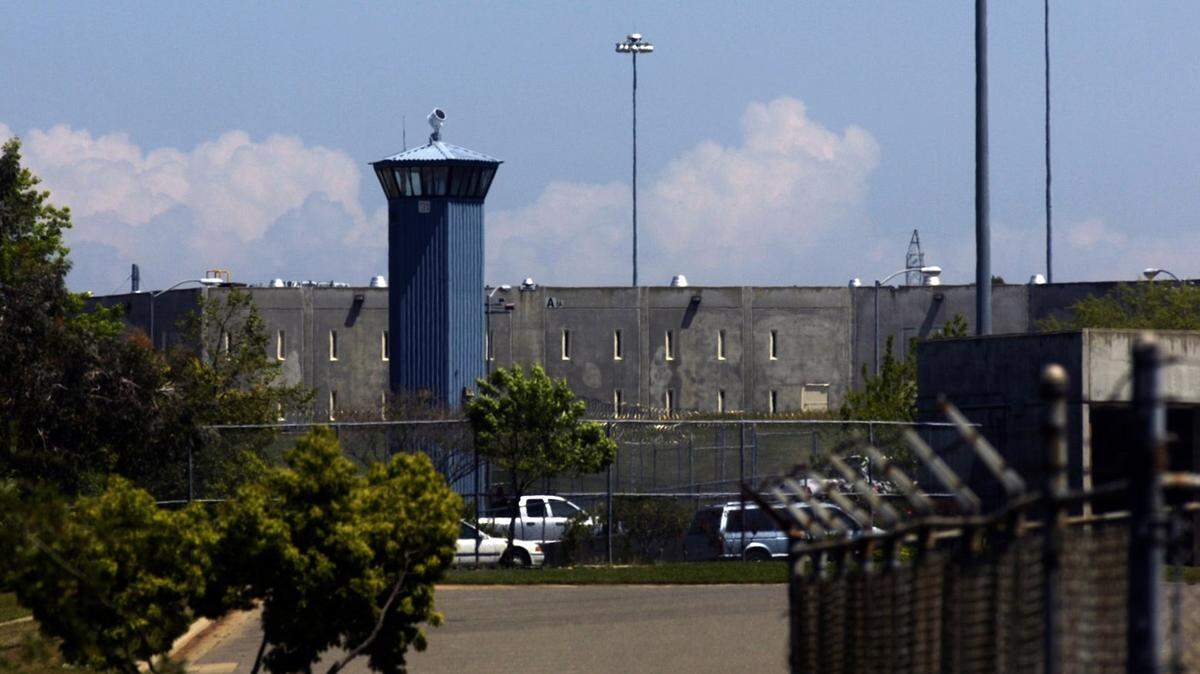
The California prison system’s “Code of Silence” took center stage in a Sacramento courtroom Tuesday as the trial began for an officer accused of ordering a cover-up in a 2016 guard assault on an inmate that led to the 65-year-old prisoner’s death.
Former correctional Sgt. Brenda Villa is the third prison guard to be charged in the incident involving inmate Ronnie Price. She faces charges of conspiracy to commit falsification of records, three counts of falsification of records and lying to a federal grand jury that was investigating the Sept. 15, 2016, incident at California State Prison, Sacramento, also known as New Folsom.
Her trial began Tuesday afternoon in federal court in downtown Sacramento with Assistant U.S. Attorney Rosanne Rust describing the code of silence — or “Green Wall” as it is dubbed for the color of guards’ uniforms — as the basis for Villa’s decision to allegedly order subordinates to file false reports about the assault on Price.
“That code allowed Villa to abandon her duties and participate in the cover-up,” Rust told the jury before Senior U.S. District Judge William B. Shubb.
Accused guard ‘was not part of code of silence’
Villa, who was fired in 2018 along with two other guards who subsequently pleaded guilty, is fighting the charges, with her attorney, Eric Hintz, arguing that she was a 26-year-old sergeant at the time who had been in the job at New Folsom for only two weeks.
“Brenda Villa was not a part of this code of silence,” Hintz told the jury. “To the contrary, we expect the evidence will show that just as Ronnie Price was a victim, in a different way so was she.”
Hintz maintained that Villa was lied to by officers who were present at the scene, and that they failed in their duty to file truthful reports about what happened.
“Brenda Villa has told over the last seven years a consistent, truthful account of the use of force against Ronnie Price,” Hintz said.
And, Hintz said, Villa will take the stand as a witness to defend herself.
“Ms. Villa herself will definitely testify,” he told jurors.
Two guards have already been sent to prison
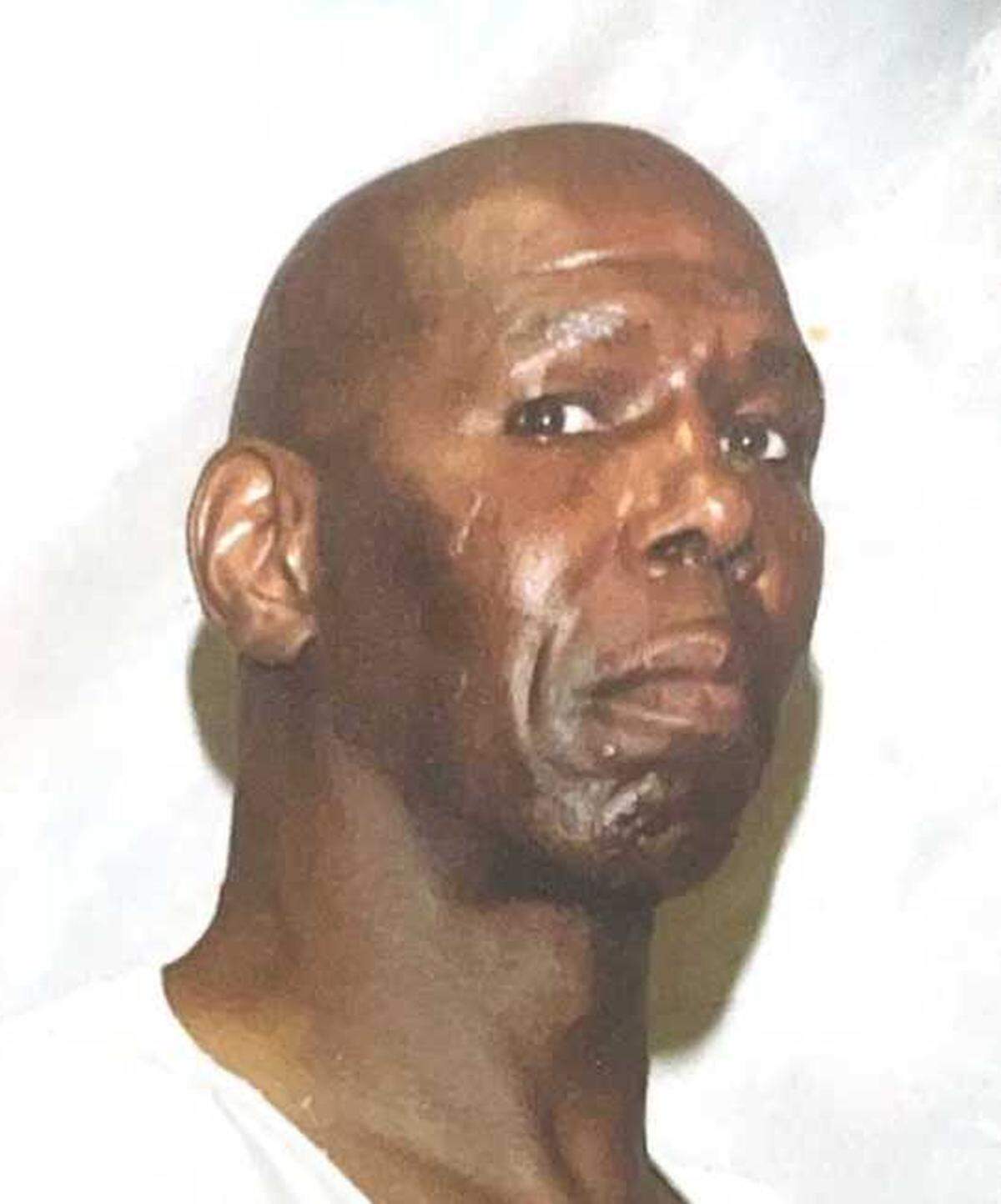
The case, which already has sent two former guards to prison, stems from an afternoon incident during which three guards were escorting inmate Ronnie Price from one cell to another one.
Officer Arturo Pacheco handcuffed Price’s hands behind his back and began moving Price, along with his partner, Ashley Aurich, and a third officer, Arturo Luna.
During the escort, Price stopped walking for a moment, and Pacheco bent down and grabbed his legs, then yanked them back, forcing Price to fall face first onto the concrete floor, where his dentures fell out of his mouth and he began bleeding.
Aurich sounded an alarm and officers began responding to the scene, with Villa arriving first, court documents say.
“Villa immediately took charge,” according to the trial brief filed by Rust and fellow Assistant U.S. Attorney Michael Anderson, who are prosecuting the case together.
She told Aurich to get a camera to document Price’s injuries and, critically, told officers present that anyone involved in a use-of-force against an inmate had to file what the California Department of Corrections and Rehabilitation refers to as an 837 report.
“Villa told the officers whoever touches the inmate writes a report,” the trial brief says.
Inmate died two days after the incident
Price was walked away to a treatment center and later taken to UC Davis Medical Center in an ambulance with a chase car following.
He died there two days later from a pulmonary embolism, and his family has filed a civil rights lawsuit saying they never knew anything about the case until reading news accounts of the cover-up.
According to prosecutors, after the incident Villa emailed officers who had been present to write up their 837 reports on the use of force. She sent a second email five minutes later with more details for them to include.
“After receiving her emails, the officers started working on their drafts,” the trial brief says. “Before submitting theirs, Pacheco and Aurich agreed they would keep theirs ‘in house.’
“Aurich understood this to mean she and Pacheco would purposefully exclude Luna and would write their reports in a similar fashion, so that their recitation of the events matched and their story made Pacheco’s use of force seem justified.”
Having documentation that Luna was present was a problem, though, because he had been involved in another use-of-force incident against an inmate with Pacheco a week earlier “and it looked bad,” the trial brief says.
Guard ordered to file false report, court papers say
Villa told one officer, Dorian Lopez, to edit Luna’s presence out of the report after Lopez had filed it, court papers say, so he followed her orders and resubmitted the report without mentioning that Luna had been present.
He also contacted another relatively new officer, Todd Jones, who responded to the incident, the trial brief says.
“Lopez also contacted Jones to alert him that apparently they were omitting Luna from all reports despite Luna being present and participating in the incident,” the trial brief says. “All subsequent draft and final reports submitted to Villa entirely omitted Luna’s participation in, or presence at, the (Price) incident.
“In the end, Villa only collected reports from five of the six correctional officers who should have submitted reports in violation of CDCR rules and regulations.”
But there was a sixth report: Luna’s.
Luna knew he was required to submit an 837 report because he had witnessed Pacheco’s use of force and because he had used force himself to secure Price after he fell to the floor, the trial brief says.
“To make sure that Luna did not submit a report, Pacheco also contacted Luna and told Luna he did not need to write a report,” the trial brief says. “Luna knew that he was required to write and submit a report under the rules and regulations governing use of force incidents at a CDCR institution.”
So, Luna wrote a report on what had happened, then emailed a copy to himself and printed it out “for safe keeping,” the trial brief says.
“He never submitted his draft to Villa,” the trial brief says. “And, contrary to CDCR protocols, Villa never asked Luna for his report despite his participation in the incident.”
But the report remained on CDCR’s computer servers and eventually was discovered by investigators.
Green Wall or code of silence not sanctioned
The prosecution’s first witness, CDCR internal affairs officer Angela Lujan, testified that any one who uses force against an inmate or witnesses it must file one of the 837 reports, and that the “green wall” or “code of silence” is not sanctioned by prison authorities.
“It’s a group that’s not supposed to exist in CDCR,” she said, adding that participants do not want to be ostracized by fellow officers.
“They do not want to be outcasts, or sometimes people will stop talking to each other and not respond when they’re supposed to respond, or they’ll be labeled a snitch,” she said.
Both sides rested their case Wednesday afternoon after hearing testimony from Luna, Villa and Aurich, who was sentenced in December 2022 to 21 months in prison.
Aurich had been serving her sentence at a federal facility in Texas, but was booked back into the Sacramento County Main Jail in May as the trial approached.
Pacheco, who was sentenced in October to 12 years and seven months in prison, is being held at a federal prison in Texas.
Jurors were told to return to court Thursday afternoon in advance of the case going to them.
This story was originally published July 12, 2023 at 8:59 AM.