Did Sacramento sheriff deputies confiscate enough fentanyl to kill population of Elk Grove?
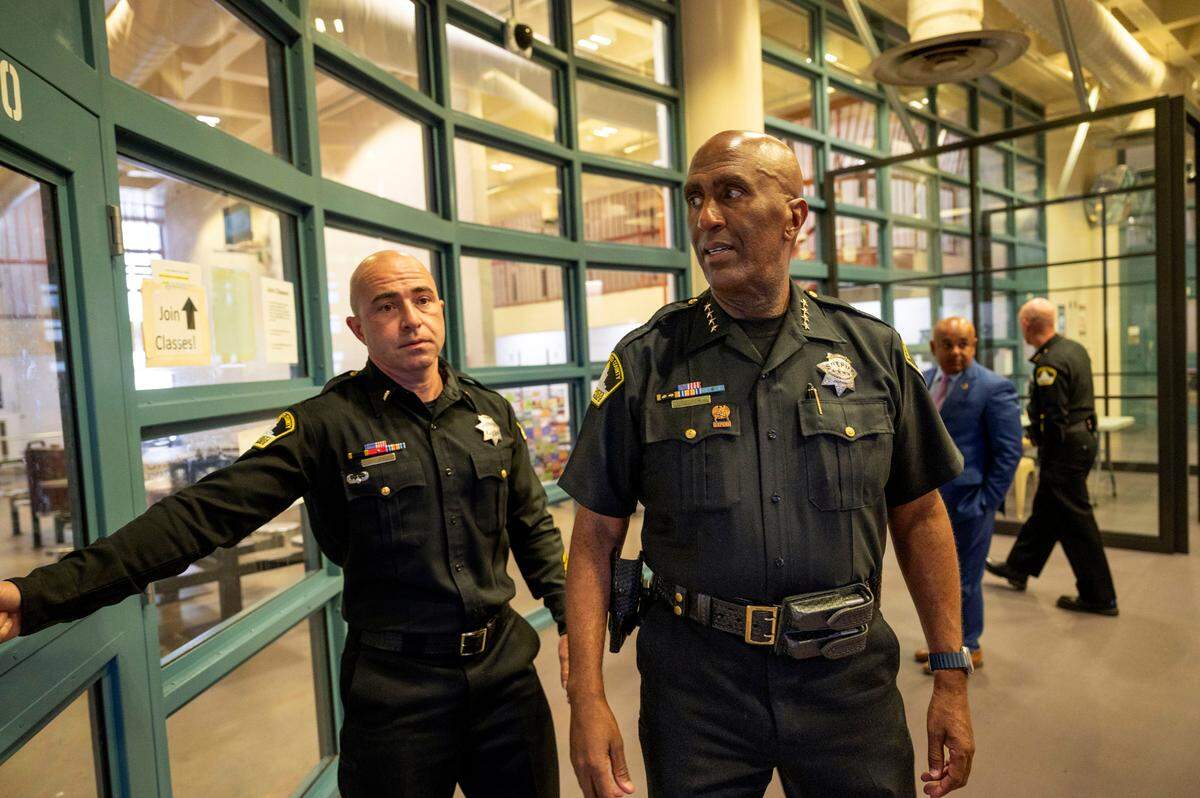
At a news conference earlier this month, Sacramento County Sheriff Jim Cooper said inmates continue to smuggle fentanyl into his jail facilities and called for stricter California laws that punish those selling the deadly synthetic opioid.
Cooper said his deputies have confiscated 500 grams of fentanyl that newly arrested inmates tried to smuggle into his two jail facilities this year.
“That is enough fentanyl to kill the entire population of Elk Grove,” Cooper said Sept. 19 about the confiscated fentanyl.
But can 500 grams of fentanyl kill the entire population of Elk Grove? Yes, it just depends on who is ingesting the fentanyl and whether they’ve used the synthetic opioid before, according to federal authorities.
The sheriff used the population size of the Sacramento County suburb to demonstrate how much fentanyl his deputies have confiscated and how some are so determined to smuggle the potentially deadly drug and sell it to addicted fellow inmates.
Attorneys at the Prison Law Office, which litigated a class action lawsuit regarding jail conditions, said the sheriff hasn’t done enough to stop the flow of smuggled drugs into the jails.
Two milligrams of fentanyl can be lethal depending on a person’s body size, tolerance and past usage, according to the U.S. Drug Enforcement Administration.
Elk Grove’s total population in 2020 was 124,312 people, according to the U.S. Census Bureau. The 500 grams of confiscated fentanyl at the jails equals 500,000 milligrams, enough for 250,000 potentially lethal doses of the synthetic opioid.
A DEA analysis found that counterfeit pills have .02 to 5.1 milligrams of fentanyl per tablet; 42% of pills tested for fentanyl contained at least 2 milligrams of fentanyl, according to federal law enforcement agency’s “Facts about Fentanyl” web page.
Drug dealers mix fentanyl, because of its potency and low cost, with other drugs including heroin, methamphetamine and cocaine, which increases the likelihood of a fatal dose, according to the DEA. It’s possible for someone to take a pill without knowing it contains fentanyl or whether it contains a lethal dose of fentanyl.
So far this year, 153 people in Sacramento have died from fentanyl, according to the Coroner’s Office. There were 402 fentanyl deaths in the county last year; 230 in 2022; 215 in 2021; 108 in 2020; 33 reported deaths in 2019.
Cooper said last week that six out of eight inmates who died while in custody in the past 14 months died from ingesting either fentanyl or other narcotics. He said the other two deaths were due to a medical condition and violence allegedly committed by another inmate.
Fentanyl gets past screening
The confiscated fentanyl Cooper mentioned was found during the booking process. But sheriff’s officials said more gets through.
Sgt. Amar Gandhi, a spokesman for the Sacramento County Sheriff’s Office, said the 500 grams of confiscated fentanyl was found by deputies as inmates were booked either at the downtown Main Jail or the Rio Cosumnes Correctional Center near Elk Grove.
He said the newly arrested inmates or convicted offenders ordered to serve time in jail will try to smuggle the fentanyl into the jail through a variety of methods. The contraband could be hidden in their rectum, tucked underneath a breast, concealed in a stitched hidden pocket or placed inside the mouth.
“This isn’t just one big bust,” Gandhi said. “These are small amounts that trickle in every day. And this is just the stuff we find; not the stuff that gets into the jail that we don’t find.”
Despite three physical searches, including a digital body scan and a strip search and a video warning about fentanyl played for inmates during booking, Cooper said fentanyl continues to be smuggled into the jails. He said those dealing the drugs behind bars are preying on inmates addicted to narcotics.
“It’s impossible for us to catch it all,” he told reporters last week.
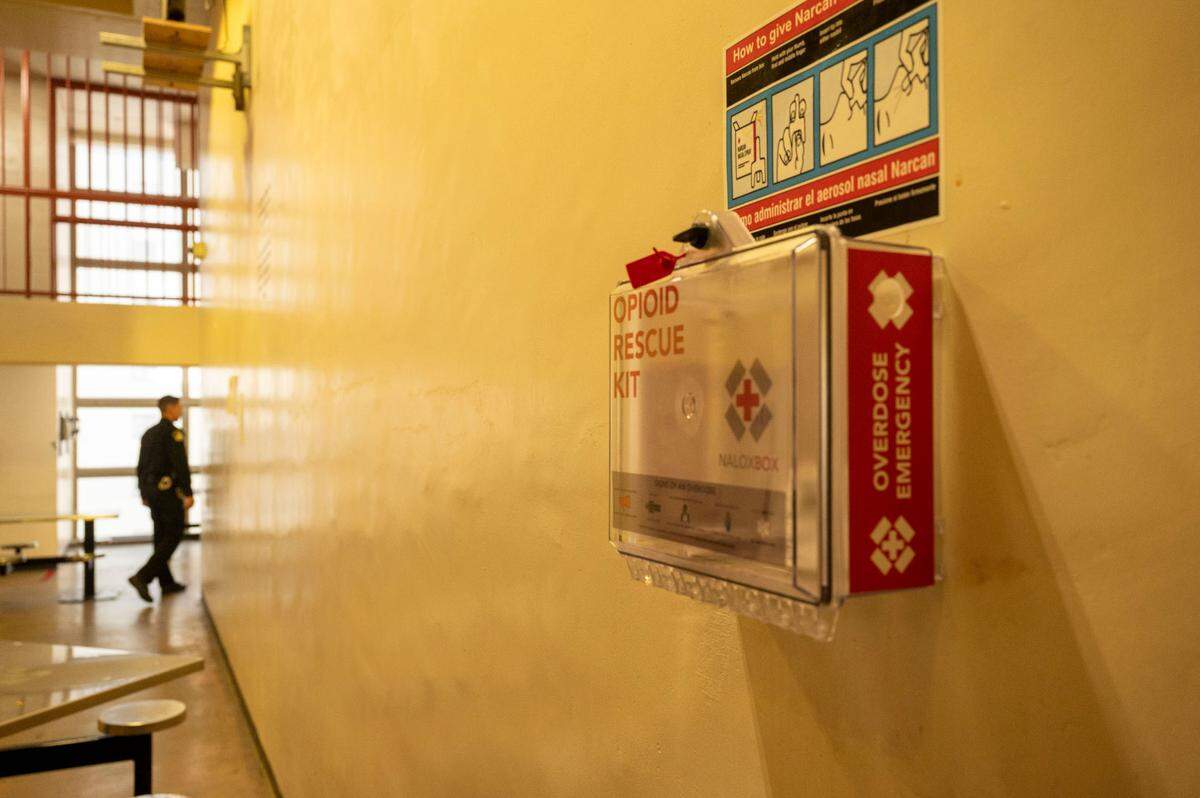
Deputies and medical staff at Cooper’s jails have administered 75 doses of Narcan to revive inmates suffering from a suspected drug overdose this year. Jail staff also place Narcan in the jail cell pods to be accessible to the inmates. Cooper said last week that jail staff have replenished 110 doses of Narcan in the “opioid rescue boxes” in the jail pods, so he worries some inmates are overdosing and not reporting it to jail staff.
More should be done, attorneys say
Attorneys with the Prison Law Office have argued that Cooper hasn’t done enough to stop drug smuggling. The law office litigated a class action lawsuit regarding jail conditions that resulted in a 2019 county settlement called the Mays Consent Decree.
In an August 2023, letter to the sheriff, the attorneys at the Prison Law Office said drugs are widely available inside the jails, and people are dying as a result. The attorneys said the Sheriff’s Office doesn’t have a policy that requires deputies to walk through a scanner or any screening technology to stop jail smuggling.
“They are not required to have their bags or their person searched,” according to the Prison Law Office letter. “They are not required to have clear bags to prevent them from concealing contraband. There are zero security measures in place to prevent custody staff from bringing contraband, including drugs, into the jails.”
“We understand that screening staff is not the entire solution to the substance use-related issues at the jails. But the people who are most frequently walking in and out of the jails must be subject to common sense screening measures to prevent the introduction of drugs to the jails.”

On Wednesday, the sheriff’s spokesman did not respond to the statements made in the Prison Law Office letter, telling The Sacramento Bee the sheriff addressed those issues at last week’s news conference.
Cooper told reporters that the Prison Law Office and other advocates claim deputies are smuggling drugs into the jails, which is not true.
“They’re not bringing the drugs in. We’ve done investigations to make sure,” Cooper said last week. “I wanna make sure my house is in order and my folks are doing what they should be doing.”
A year ago, a Sheriff’s Office investigation into a spike in overdoses at the jail led to the arrest of six people, including a member of the jail medical staff, for their alleged involvement in an operation to smuggle drugs into the jail in exchange for money.
Those arrested included Zareonna Harris, who was working on-call for Avid Healthcare Services, a county contractor. Harris is no longer an Avid employee, according to the company. James Whitfield, Donald Zackery and Tomani Zackery also were arrested in the smuggling investigation into contraband found at the downtown jail. The Sheriff’s Office later arrested two others — Roderick Turk and Dimauri Allendandridge — for allegedly supplying the narcotics.
Margot Mendelson and Patrick Booth, attorneys with the Prison Law Office, said they have not received any indication the Sheriff’s Office has implemented or is planning to implement a policy to screen deputies.
Mendelson said it’s surprising for the sheriff not to implement a screening policy for deputies, which doesn’t reflect the crisis in the wake of a wave of deaths at the jails. She said it’s “not responsible” to increase screening of inmates without any screening for custodial deputies going in and out of the jails.
“We recognize the enormity of the challenge,” Mendelson said about drugs smuggled into the jails. “And it’s not limited to Sacramento.”
Booth said the attorneys at the Prison Law Office has never said they believe deputies are smuggling drugs into the jails. But drugs are still getting inside the jails, which is evident by the overdose deaths of incarcerated people.
“That could be one source of the drugs going in,” Booth said about deputies. “You’d think (the sheriff) would want to do anything to keep drugs out.”
This story was originally published September 26, 2024 at 11:03 AM.