Jury says it’s split over death penalty for Sacramento cop’s killer. What happens next?
The jury deciding the fate of the man who killed Sacramento police rookie Tara O’Sullivan in 2019 was instructed by the judge Tuesday to continue deliberating after they said they could not agree on whether he should be condemned to death.
The jury of seven women and five men told Judge James Arguelles that they were split on whether Adel Sambrano Ramos should be placed on Death Row or spend life in prison after he pleaded guilty to killing O’Sullivan during an ambush attack on her and other officers.
O’Sullivan, who had graduated six months earlier from the Sacramento Police Department’s academy was mortally wounded and lay on the ground nearly an hour before tactical officers were able to secure her rescue. After an hourslong standoff, Ramos surrendered.
Before the jury returned to court, Arguelles landed on his instructions after telling lawyers he was not inclined to declare a mistrial so soon. The jury has been deliberating since Nov. 5 following the trial, a requirement for such a capital case despite his plea.
Once seated, jurors were told they would have to continue deliberating. Arguelles offered several suggestions to the panel including that jurors should role-play to showcase different views of the case and their outcomes. He also encouraged the jury to allow different members to lead the discussions in the hopes of bringing about unanimity.
The case has drawn intense interest from Sacramento’s law enforcement community, with so many Sacramento police officers showing up Tuesday to support O’Sullivan’s family that there was not enough room for all of the visitors in the courtroom. Many had to stay out in the hall.
California has not carried out an execution since 2006, and a moratorium on capital punishment has been in place since shortly after O’Sullivan’s murder. But the death penalty remains on the books, and prosecutors say a future governor could reverse the moratorium and re-open the state’s shuttered execution chamber. More than 600 inmates are under a sentence of death in California, the most in any state.
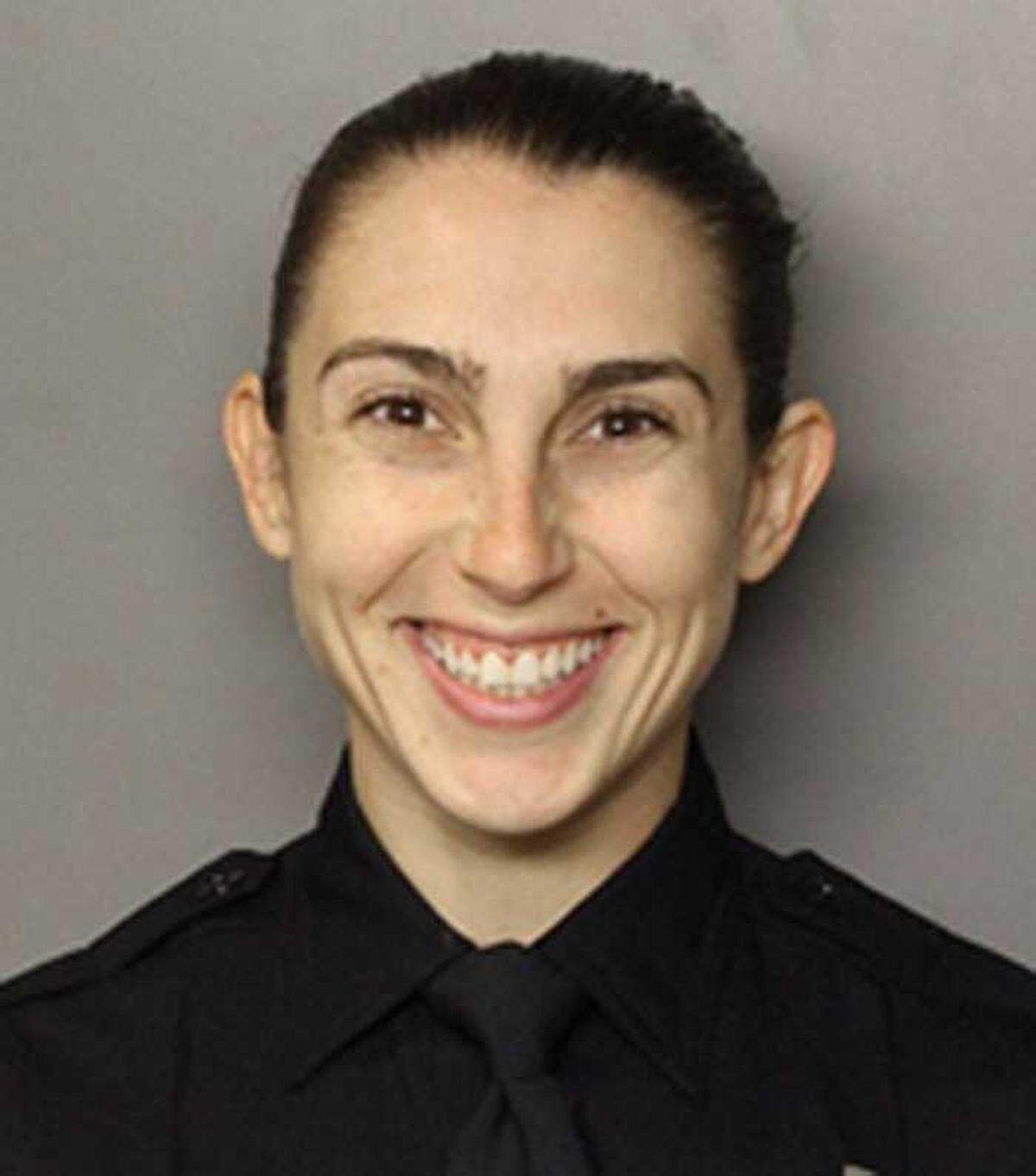
Ramos pleaded guilty on Aug. 30 to felony counts including murder with special circumstances for O’Sullivan’s slaying and attempted murder of another officer at the violent, bloody scene in Del Paso Heights in June 2019. He initially pleaded not guilty, but the trial was delayed as his attorneys argued that he was not mentally competent to stand trial.
O’Sullivan’s murder sent shockwaves through the capital region, and led the city to rename the H Street Bridge over the American River among memorials.
Prosecutor Jeffrey Hightower told jurors that O’Sullivan, who grew up in the Bay Area and graduated from a criminal justice program at Sacramento State, was a devoted young officer who even as a child displayed a keen sense of right and wrong. She was still in training when she urged her partner to respond to a call from Megan Jansa, who at the time lived with Ramos in the Redwood Avenue home she had inherited from her grandfather.
Jansa had left the home amid erratic and threatening behavior by Ramos, and O’Sullivan and her partner and training officer Daniel Chipp decided to accompany her there to retrieve some clothing and her dogs. Ramos, Hightower said, was hiding at the residence behind a series of “murder holes” he had drilled into the walls of the house, enabling him to shoot at the officers while obscuring his location.
The officers searched the property to see if anyone was there. Ramos did not respond to their calls, and Chipp even told other officers via radio that the house might be empty. But suddenly he began shooting, striking O’Sullivan and shouting epithets at her as she lay on the ground, bleeding.
He held the rest of the officers at bay for hours, shooting in several directions from his hiding place, making it impossible for them to rescue her.
His lawyers argued that mental illness and a violent and unstable childhood should be considered mitigating factors in the case, and asked jurors not to sentence Ramos to die.
California has spent $313 million on death penalty prosecutions and appeals in the five years since Newsom imposed a moratorium on executions, an analysis by The Sacramento Bee showed. The state has dismantled the execution chamber at San Quentin and moved nearly all of the inmates out of the old death row.
But prosecutors continue to seek capital punishment in the state, saying it sends a message to defendants and can be a comfort to the families of murder victims.
This story was originally published November 12, 2024 at 2:17 PM.