Man who targeted Christians in Roseville bomb hoax sentenced to 6 years
AI-generated summary reviewed by our newsroom.
- Federal court sentenced Zimnako Salah to six years and a $10,000 fine.
- Prosecutors said he planted a fake bomb at a Roseville church in 2024.
- Investigators found bomb-making materials and framed the hoax as a dry run.
An Iraqi-born Arizona man convicted of planting a hoax bomb at a Christian church in Roseville in 2024 was sentenced Friday in Sacramento federal court in Sacramento to six years in prison.
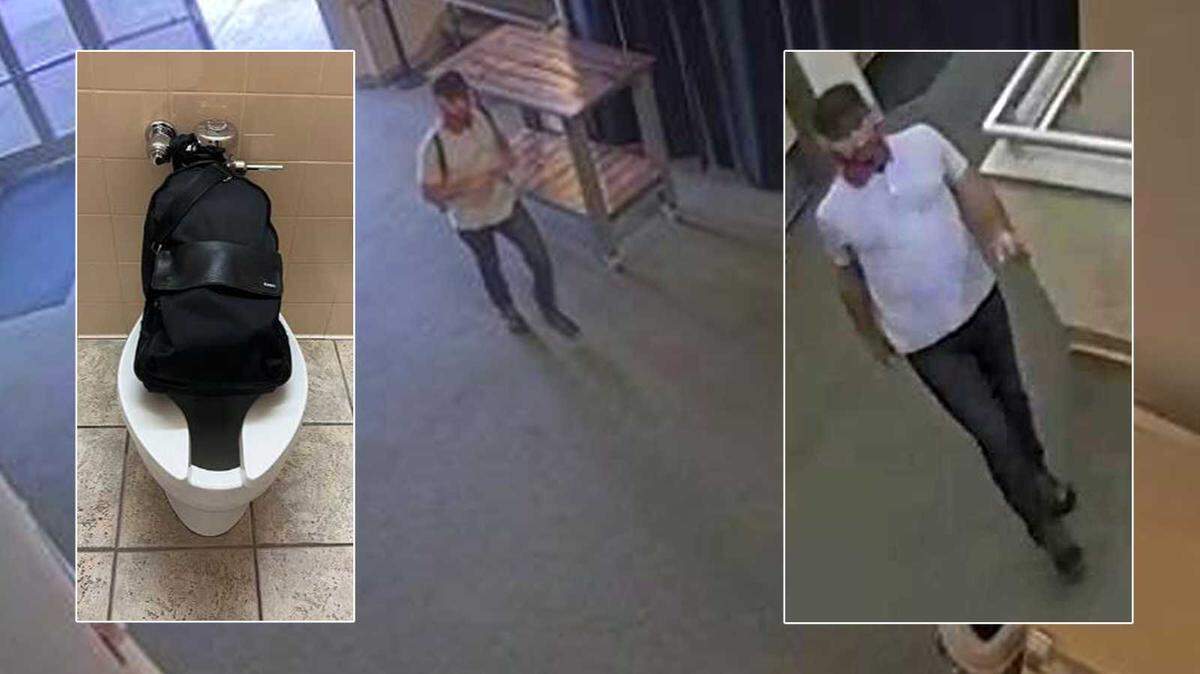
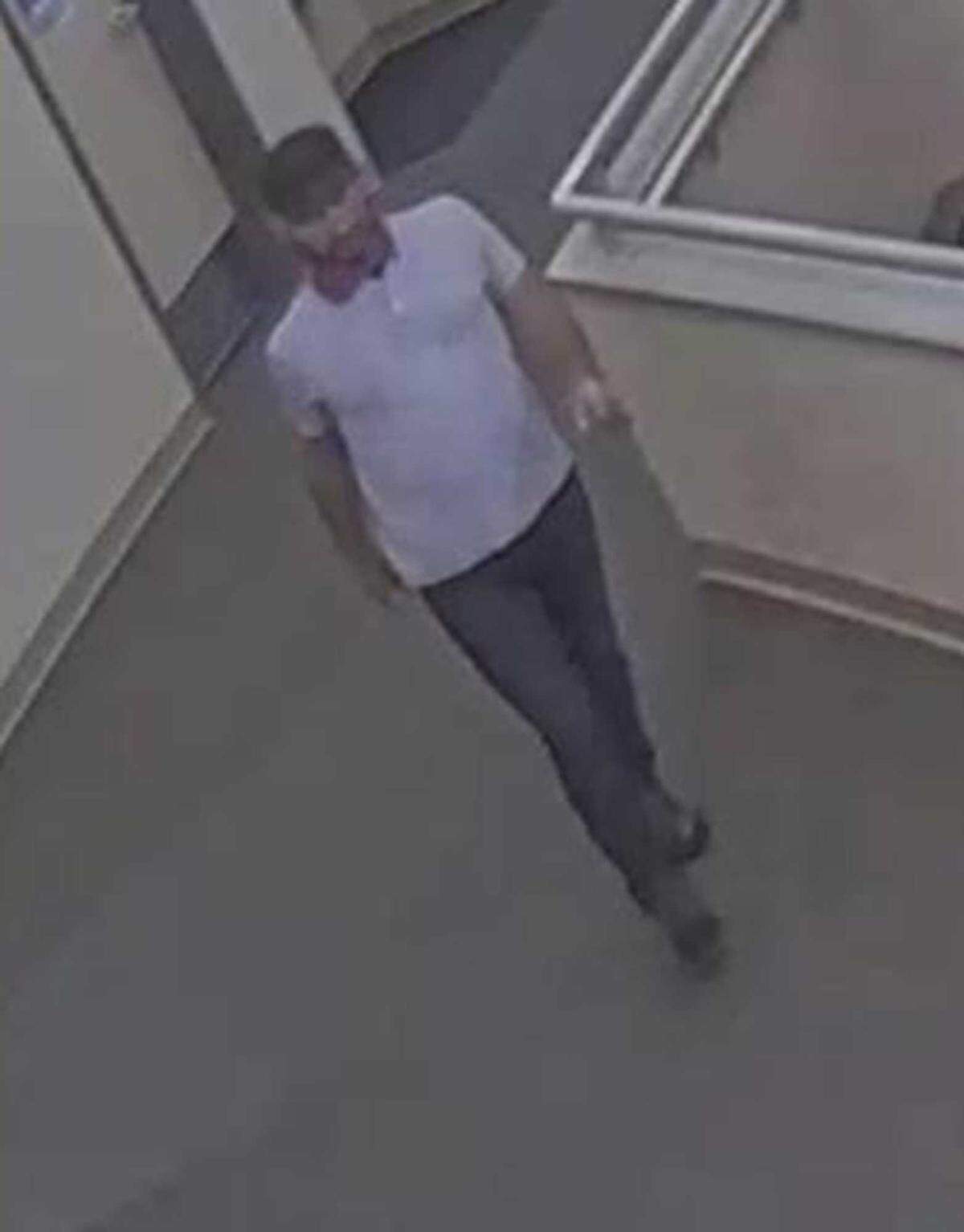
Prosecutors said Zimnako Salah was radicalized online and engaged in a pattern of escalating aggression against churches, ultimately tying a black backpack with a pillow inside to a toilet in the Roseville church that terrified congregants and led people to believe they were about to die.
Salah was convicted in April on one count of planting the hoax bomb and another count of obstructing the free exercise of religion. Prosecutors said he also scouted churches in the San Diego, Phoenix and Denver areas, and planted an additional backpack at the church in Arizona.
When investigators raided a storage unit he had rented in the Denver area, they found materials that could be used for making a bomb, including bits of shrapnel commonly used in so-called improvised explosive devices, prosecutors said in court on Friday and in court documents.
They characterized the Roseville hoax as a dry run for a real attack.
The case drew the attention of U.S. Attorney General Pam Bondi, who called for Salah to receive “severe punishment.”
“This Department of Justice has no tolerance for anyone who targets religious Americans for their faith,” Bondi said when Salah was convicted.
Church security found the backpack after Sunday services in November 2023, according to previous Bee reporting. Special-needs teens in a nearby classroom were quickly moved as volunteers prayed they would not be blown up and tried to decide whether it was safe to open the backpack.
Salah, who lived in Arizona with his mother, told FBI agents he was born in Iraq and had been in the United States for about 20 years. Investigators said his electronic devices showed viewings of radical anti-American videos, and that Salah had made at least one video of his own outside a church in San Francisco.
“A cellphone video, dated November 10, 2023 — two days before the crimes of conviction in Roseville, California — shows Defendant Salah outside a Christian church in San Francisco, California, with a black backpack,” prosecutors said in their sentencing memorandum. “Defendant Salah points to an American flag and says, ‘F--- that flag,’ and ‘America — we’re going to destroy it.’”
On Friday, wearing a black skullcap, long beard and an orange jail sweatsuit, Salah, who was 45 at the time of his conviction, continued to deny planting the backpack or engaging in terrorism.
“I should not be in jail for even one day,” Salah told U.S. District Judge Dena Coggins. “I did not do anything wrong.”
Salah told the judge that he merely forgot his backpack at the church, and later came back to retrieve it.
“I have been locked up for two years for no reason,” he said.
Salah and his attorney, Michael Heumann, challenged his conviction and several aspects of the incarceration recommendations made by prosecutors and federal probation officials in a proceeding that was unusually contentious for a sentencing hearing.
In a memorandum filed with the court, Heumann said that planting the backpack should be considered a lesser offense than phoning in a bomb threat, because the backpack left some room for doubt as to whether it was really a threat.
In court, he made similar arguments, saying that Salah had repudiated terrorism and religious bigotry during his testimony in the trial.
But Coggins said that Salah still had not taken responsibility for his acts, and had expressed no remorse. She spoke pointedly to Salah as he stood next to his attorney.
“You have been dishonest ... and tried to hide evidence,” she said. “You went into a restroom, you strapped a backpack to a toilet. They reasonably believed that it was a bomb.”
She denied Heumann’s motion to dismiss the conviction and his requests to reduce Salah’s recommended sentence.
“You have failed to take any responsibility for your actions,” she told Salah. “And you show no remorse.”
Coggins sentenced Salah to 6 years in federal prison followed by three years of probation. She fined him $10,000 and limited his ability to use the internet or go near the church without supervision from authorities.