
5 things to know about decision to give David Allen Funston elderly parole release
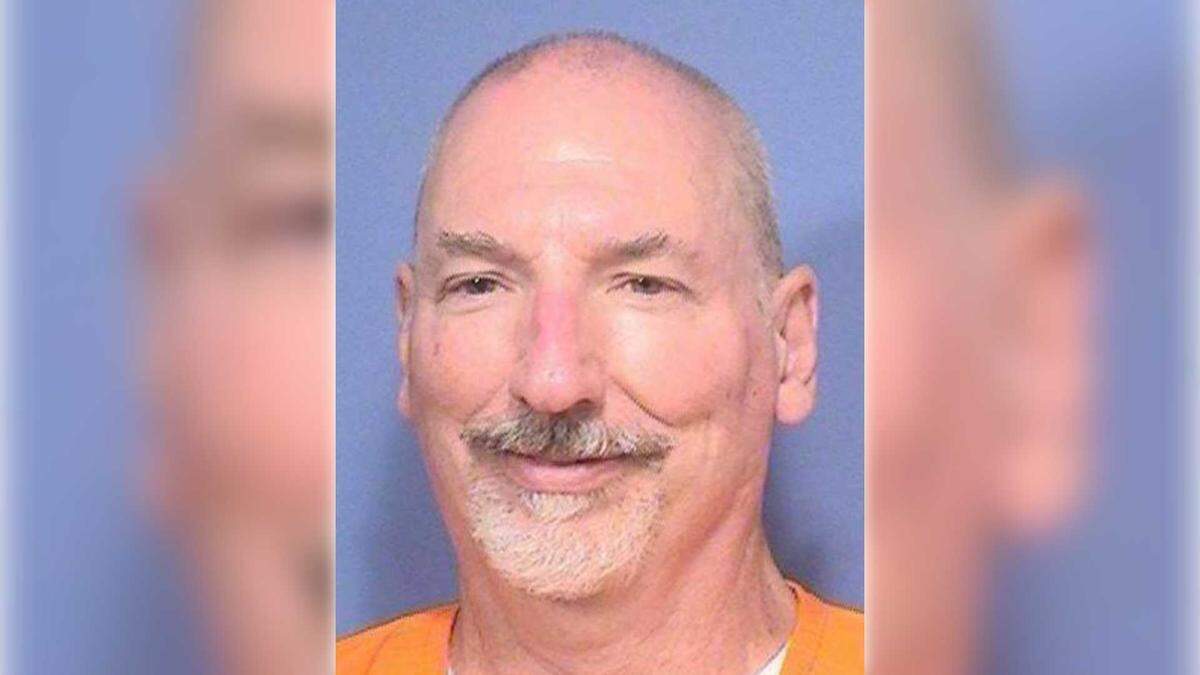
Sacramento County Sheriff Jim Cooper, other officials and victims blasted California parole officials Monday after the Board of Parole Hearings reaffirmed a decision finding David Allen Funston, a serial child rapist serving multiple life terms for a 1995 Sacramento-region crime spree, suitable for elderly parole.
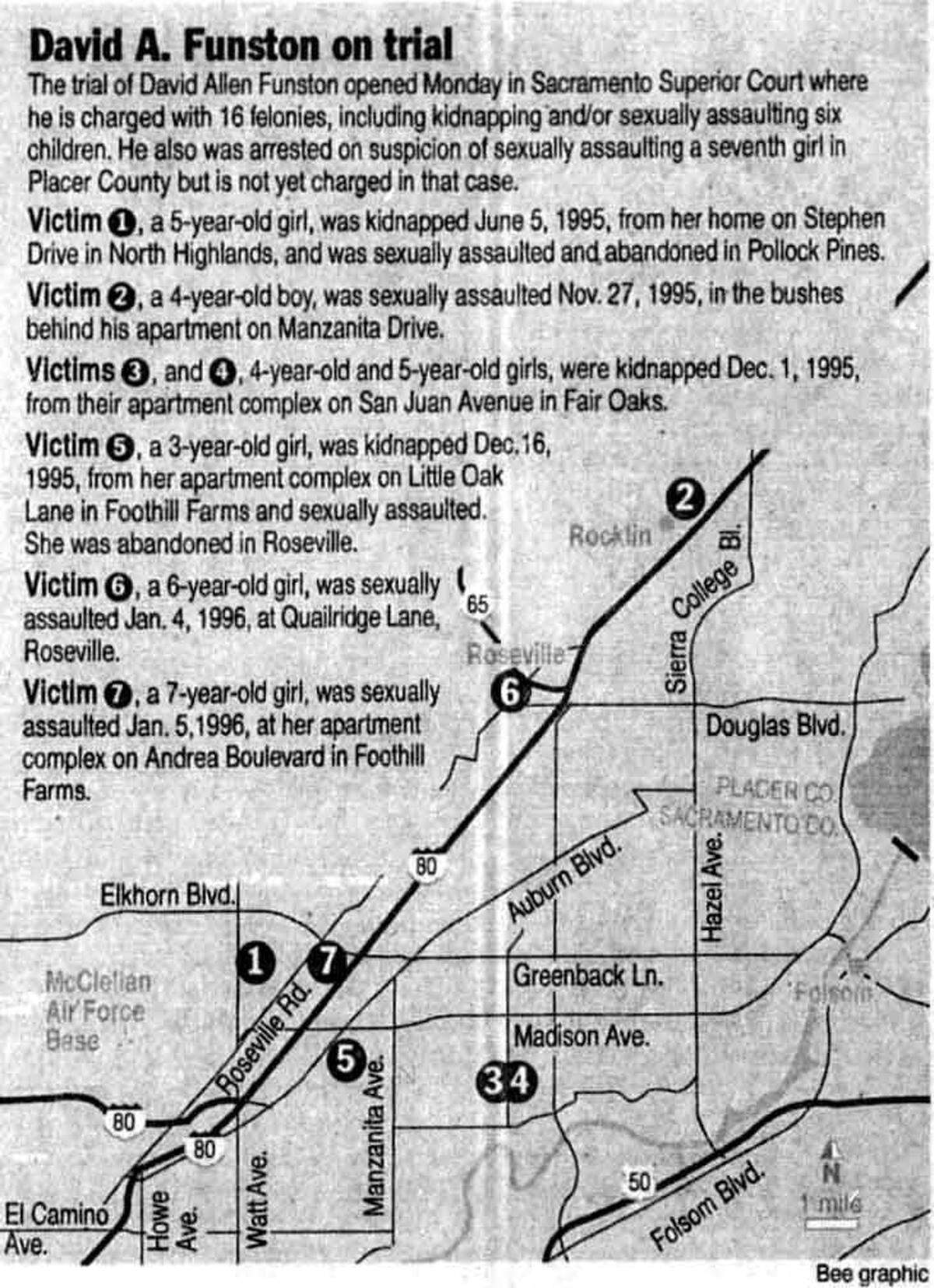
Funston, now 64, was convicted of kidnapping and sexually assaulting multiple children in North Highlands, Foothill Farms, Roseville and elsewhere. A Sacramento County jury sentenced him in 1999 to three consecutive life terms plus additional time that, at the time, was intended to ensure he would never receive a parole hearing.
But under California’s elderly parole law — created after a federal court order to reduce prison overcrowding and later expanded by the Legislature — Funston became eligible after serving more than two decades behind bars.
The state Board of Parole Hearings last week reaffirmed a September decision that found him suitable for release. Here’s what you need to know:
What’s happening to David Allen Funston?
Funston was found suitable for parole by the state Board of Parole Hearings in September, according to the California Department of Corrections and Rehabilitation. He has served 27 years in prison and is housed at the California Institution for Men in Chino.
In January, Gov. Gavin Newsom referred Funston’s case back to the board and asked commissioners to review the decision. At a Wednesday meeting, the panel reaffirmed its decision to recommend that Funston receive parole.
It was not known where or when Funston would be released, or whether he would be classified as a sexually violent predator under state law. CDCR does not provide information on the time or location of parole release, citing safety and security reasons.
How Funston targeted his young victims
Funston cruised Sacramento-area streets during a 1995 crime spree, luring children into his car with toys, dolls and sweets. The North Highlands man, 34 at the time, raped and beat the children in his vehicle and at a home before dumping them along capital region roadsides.
Detectives linked him through eyewitness identifications and DNA evidence to kidnappings and sexual assaults involving children ages 3 to 7. There were eight victims — seven girls and one boy. One 5-year-old was abducted from her North Highlands apartment complex and found hours later in Pollock Pines, 50 miles away.
After three days of deliberations in March 1999, a Sacramento County jury convicted Funston of 16 counts of kidnapping and child molestation. Superior Court Judge Jack Sapunor imposed three consecutive life terms plus additional prison time designed to ensure he would, at the time, never receive a parole hearing.
How California’s elderly parole rules work
California’s elderly parole program originated from a federal court order in the long-running Plata-Coleman prison health care case against the state. The order was aimed at reducing overcrowding. In 2014, a three-judge panel directed CDCR to implement a parole process for incarcerated people who were 60 or older and had served at least 25 years.
Lawmakers codified the program in 2018 by adding Section 3055 to the Penal Code. Nearly three years later, they expanded it, lowering the eligibility age to 50 for people who had served 20 years of continuous incarceration.
Under the expanded law, eligibility begins once an incarcerated person turns 50 and has served at least 20 years in prison. At elderly parole hearings, the Board of Parole Hearings “shall give special consideration to the individual’s age, time served, and diminished physical condition, if any,” when determining suitability for parole.
Sheriff Jim Cooper condemns the decision
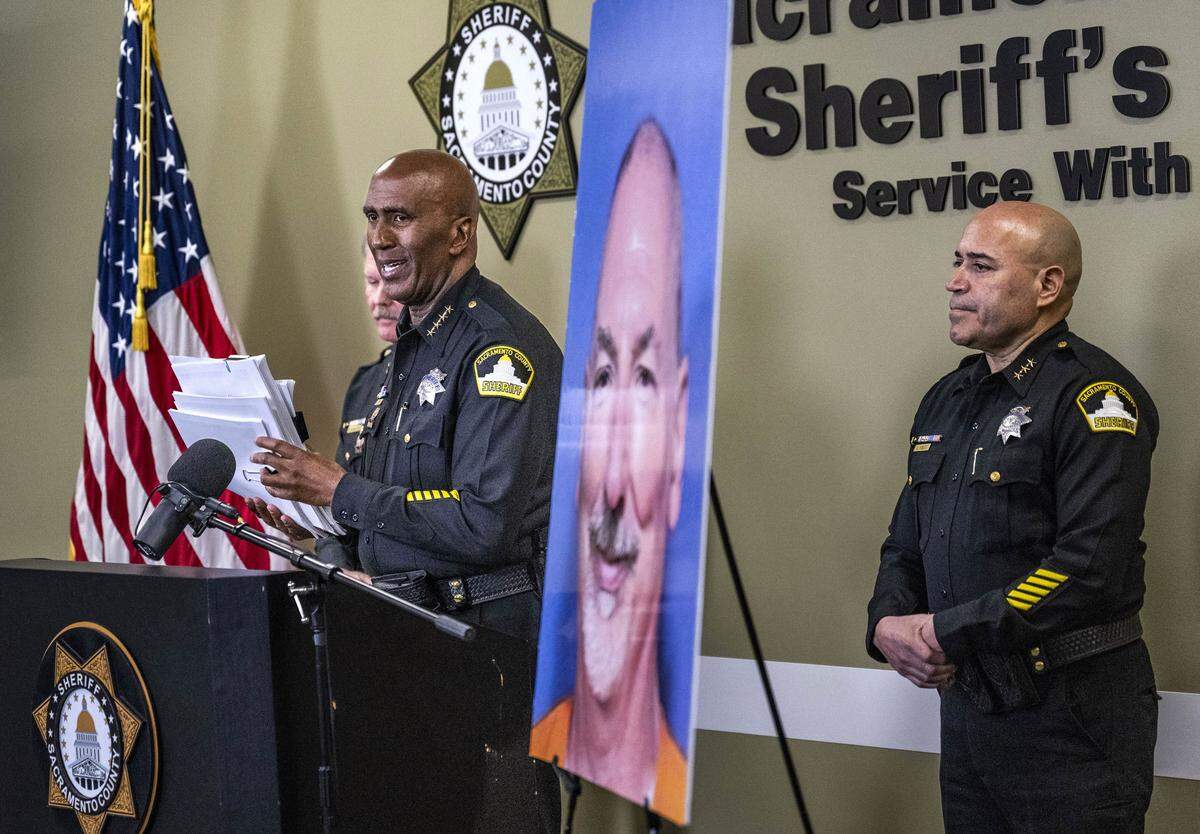
A furious Sacramento County Sheriff Jim Cooper condemned the parole decision at a news conference at the Sheriff’s Office headquarters in Old Foothill Farms.
“He lured them with candy and Barbie dolls. He stole their childhoods. I’ve seen the reports. They’re horrific. To let him out? It doesn’t make sense,” Cooper said.
“The things he did to these kids cannot be undone. Victims come first, especially children. I’m pissed,” Cooper said. He also blasted lawmakers for failing, in his words, to enact legislation to better protect California children from sex predators.
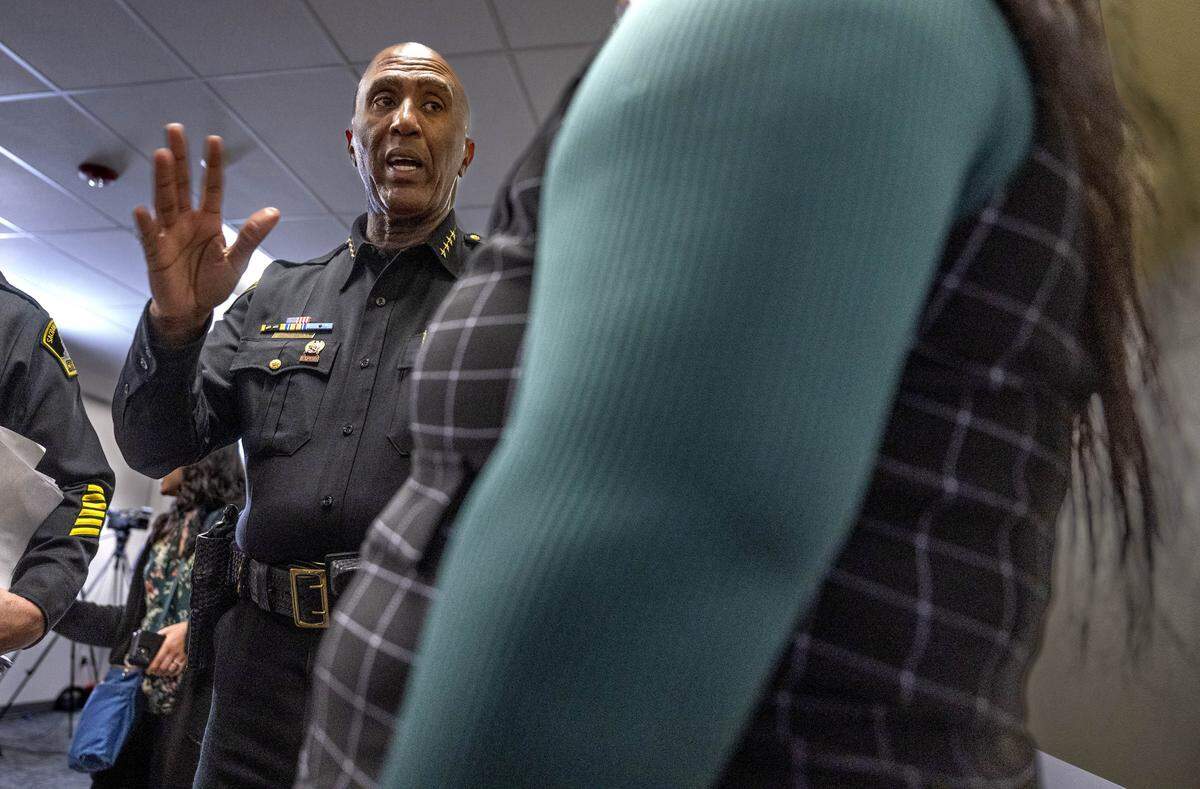
“Protect our children,” Cooper said. “Where’s the compassion for victims? We have to stand up and fight for our kids.”
Victims, detective react to parole decision
The decision angered victims and the investigators who worked the case.
One victim, who was 3 when she was sexually attacked and later testified against Funston at trial, said, “He is a very horrible person. He took innocence from myself and others.”
“The years he’s done are not enough. I stood before him in elementary school and I will do so again,” she said. “He deserves to spend the rest of his life in prison.”
Retired sheriff’s detective Rafael Rodriguez said he was outraged when he learned of Funston’s planned release.
“I was outraged. I was hoping he’d perished in prison long ago,” Rodriguez said. “The victims here? They get a life sentence.”
What’s next?
Newsom referred Funston’s case back to the Board of Parole Hearings in January, asking commissioners to review the decision to grant him elderly parole. At last week’s hearing, the panel reaffirmed its decision to recommend his release.
The case now moves forward under California’s elderly parole process. It was not known where or when Funston would be released, CDCR said, citing its policies on the safety and security of formerly incarcerated individuals.
.JPG)