
DA: Potent marijuana pushed Dominguez to violence in deadly Davis stabbing spree
Carlos Reales Dominguez was plagued by his psychosis. The heavy doses of highly potent marijuana he smoked heightened his symptoms and, a prosecutor said Thursday, pushed him over the edge into murder.
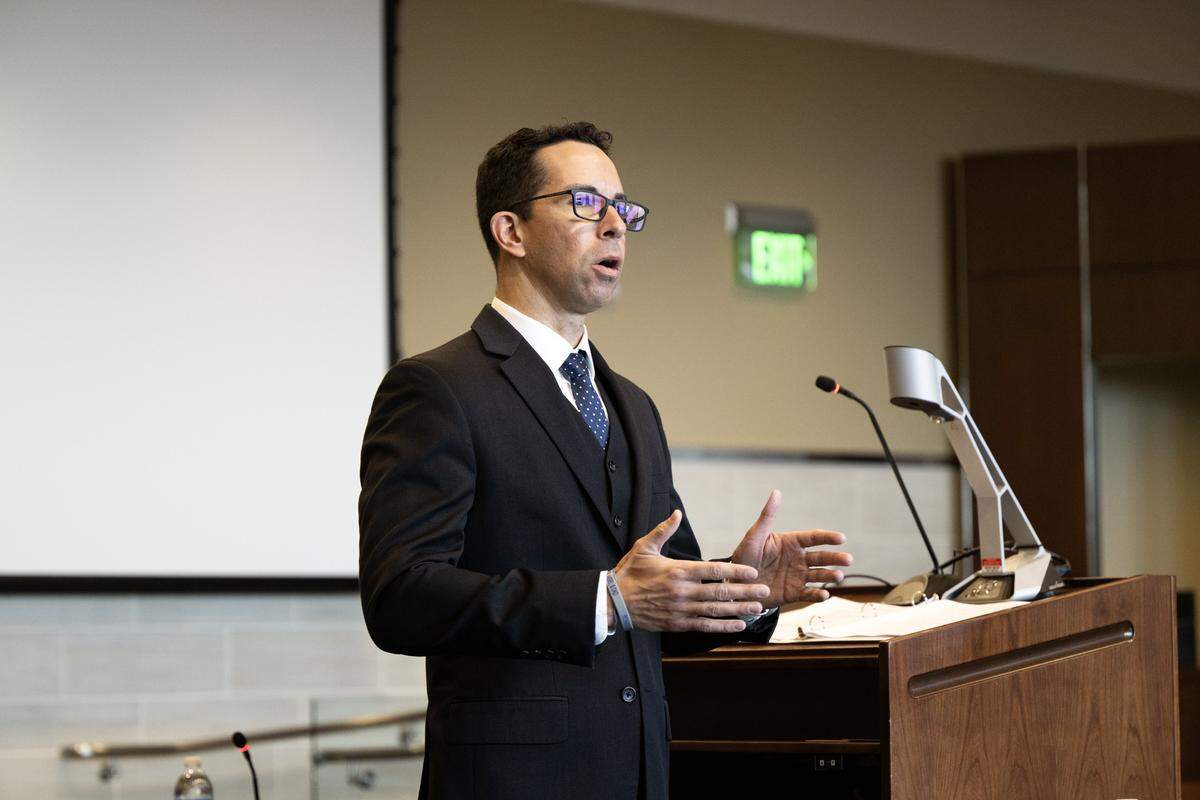
“Cannabis can reveal schizophrenia, or it can exacerbate symptoms, push someone over the edge,” Yolo County Deputy District Attorney Matthew DeMoura told jurors Thursday at the start of Dominguez’s second trial in the deadly 2023 Davis stabbings that killed two men and left a woman fighting for her life.
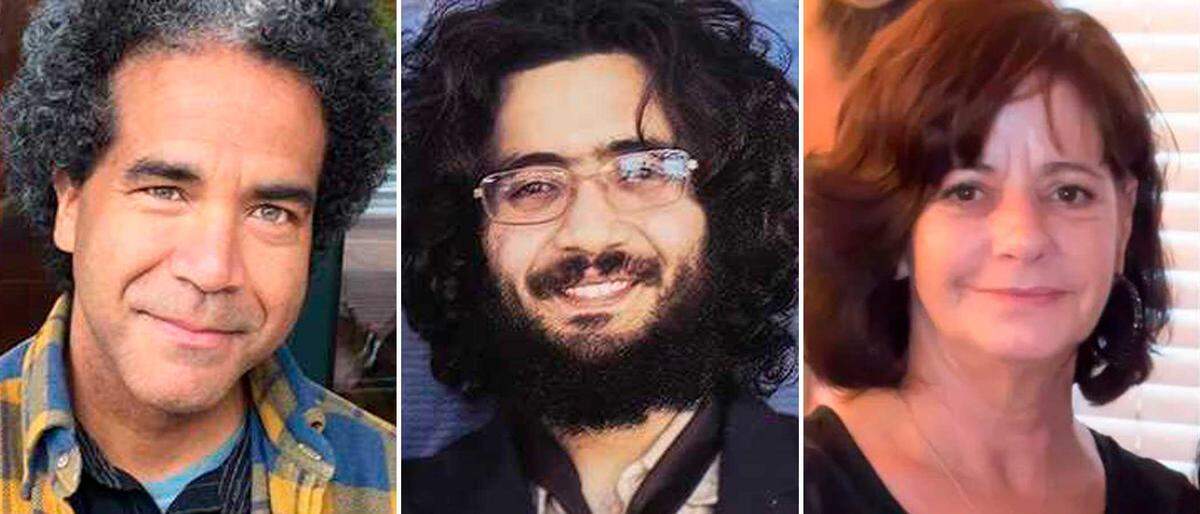
“After the symptoms manifested themselves, he killed two people and stabbed another one,” DeMoura continued. “Even in psychosis, he intended to kill Kimberlee Guillory, Karim Abou Najm, and David Breaux.”
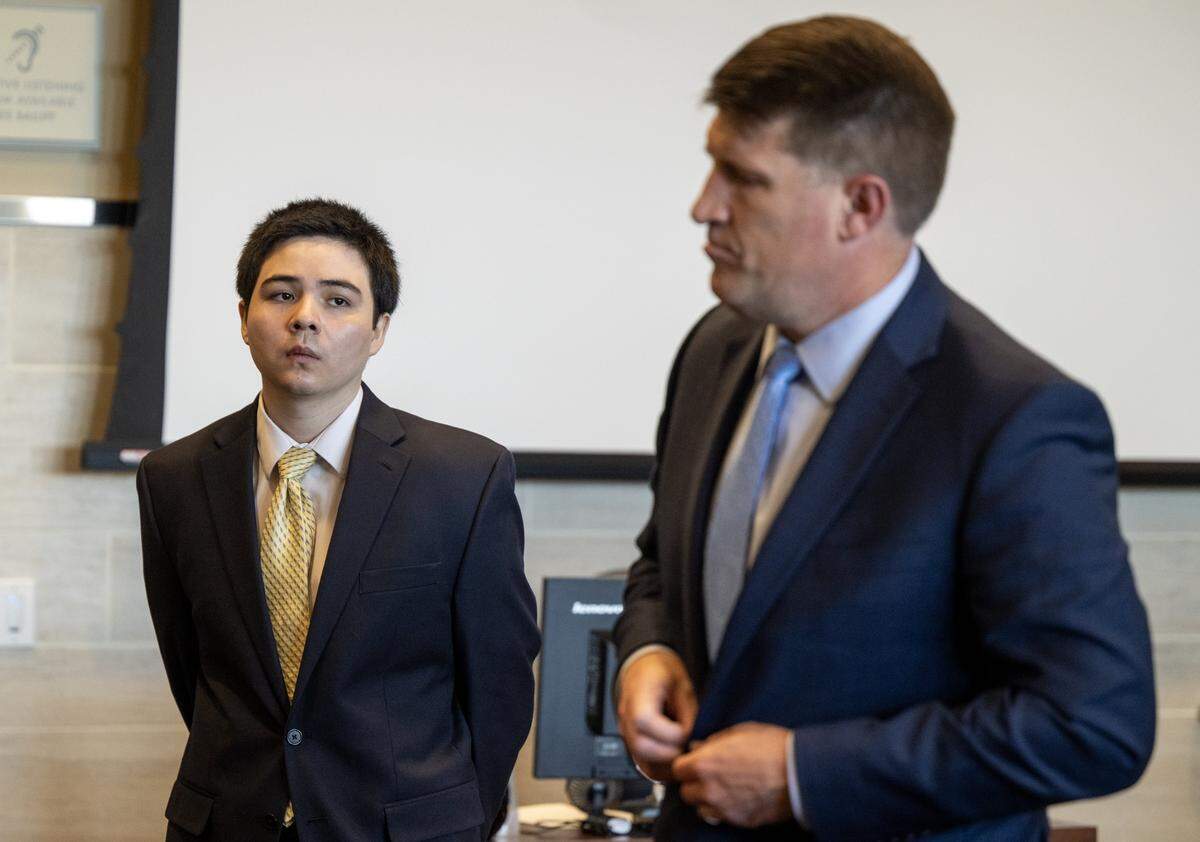
The guilt phase of Dominguez’s trial in Yolo Superior Court in Woodland began Thursday. A second phase to determine whether the former UC Davis student was sane at the time of the attacks three years ago will follow. Dominguez, wearing a dark suit and gold-colored tie, sat silent beside his attorney, Yolo County Deputy Public Defender Daniel Hutchinson.
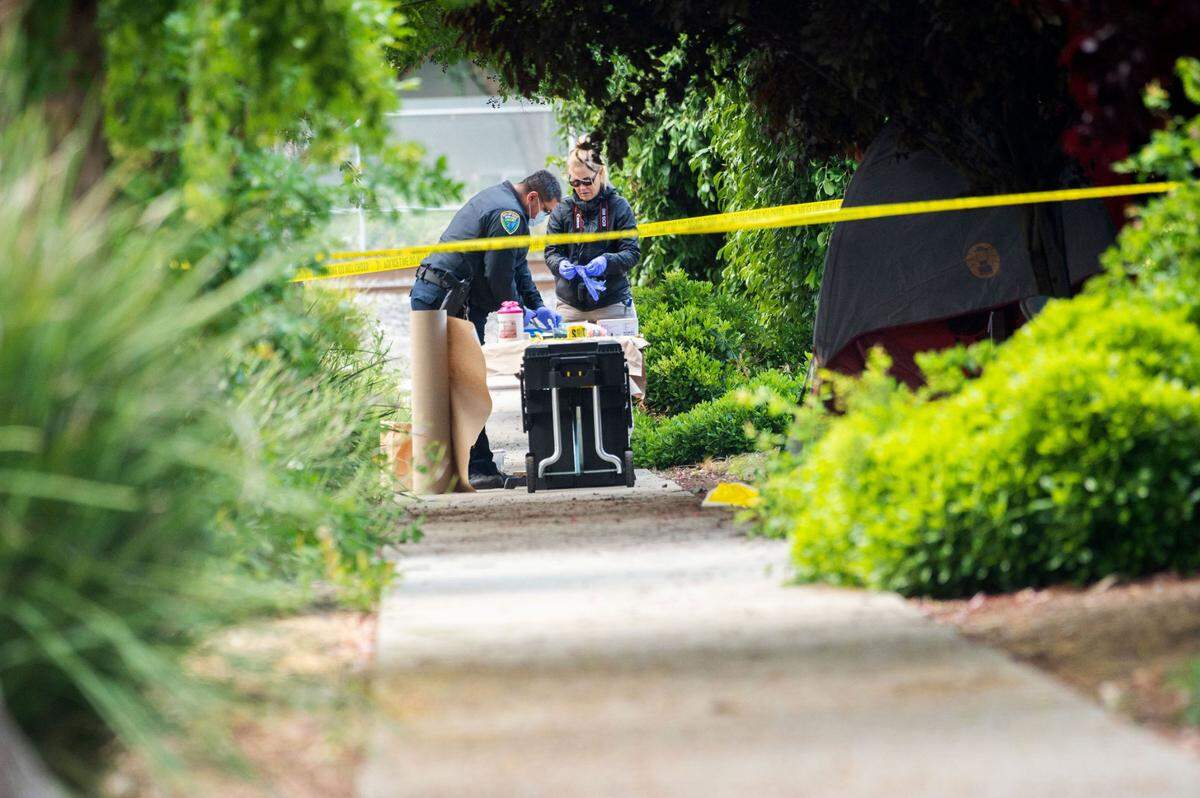
Dominguez entered pleas of not guilty and not guilty by reason of insanity to charges stemming from the April 26, 2023, knife killing of Breaux, 50, in Davis’ Central Park and the April 29, 2023, killing of graduating UC Davis student Abou Najm, 20, along a bicycle path in the city’s Sycamore Park. Days later, on May 1, 2023, Guillory, then 64, was nearly killed in a third stabbing.
Dominguez also pleaded not guilty and not guilty by reason of insanity to attempted murder in Guillory’s attack.
Yolo County jurors last June acquitted Dominguez of second-degree murder in Breaux’s killing and failed to reach verdicts in Abou Najm’s slaying and Guillory’s near-fatal attack, deadlocking on whether to convict or acquit in a case that focused on Dominguez’s mental state at the time of the stabbings.
Prosecutors signaled before a second trial that they would change their strategy to focus on Dominguez’s heavy and prolonged use of potent marijuana and how that contributed to his mental state and the horror that followed.
The violence Dominguez carried out in April and May 2023 was not in dispute, Hutchinson said. He argued that Dominguez, if found guilty, should instead be convicted of involuntary manslaughter rather than murder.
“The question is not of who did it, but what was Carlos’ specific intent, his mental state — a mind decimated by a debilitating mental disease,” Hutchinson told jurors. “Dominguez has schizophrenia.”
Diagnosed by experts, including a former director of Napa State Hospital, and committed to Atascadero State Hospital for months before his first trial, Dominguez remained on anti-psychotic medications three years after the Davis slayings and had not used marijuana but “still experiences symptoms to this day,” Hutchinson said.
He said defense experts would rebut and reject prosecutors’ arguments that excessive marijuana helped fuel Dominguez’s violent spree before tracing the outlines of the defense case.
Dominguez was a successful student-athlete in high school who nevertheless harbored years of childhood trauma: his parents abandoned him in his native El Salvador for lives and livelihoods in the U.S.; he also endured sexual abuse at the hands of a maid in his birth country.
He was ferried by smuggling “coyotes” across the border at age 6 and left to hide from patrolling border agents. He was later reunited with his parents in Oakland, only to endure their abuse and neglect as he became a protector figure for his beloved younger siblings. Hutchinson also described a family history of mental health struggles that presaged his own decline at UC Davis in the months before the killings.
As early as his freshman year, Dominguez had asked friends if they, too, heard voices. By his sophomore year, he had lost friends and relationships, holed up in his room, become increasingly uncommunicative and grown more paranoid, Hutchinson said.
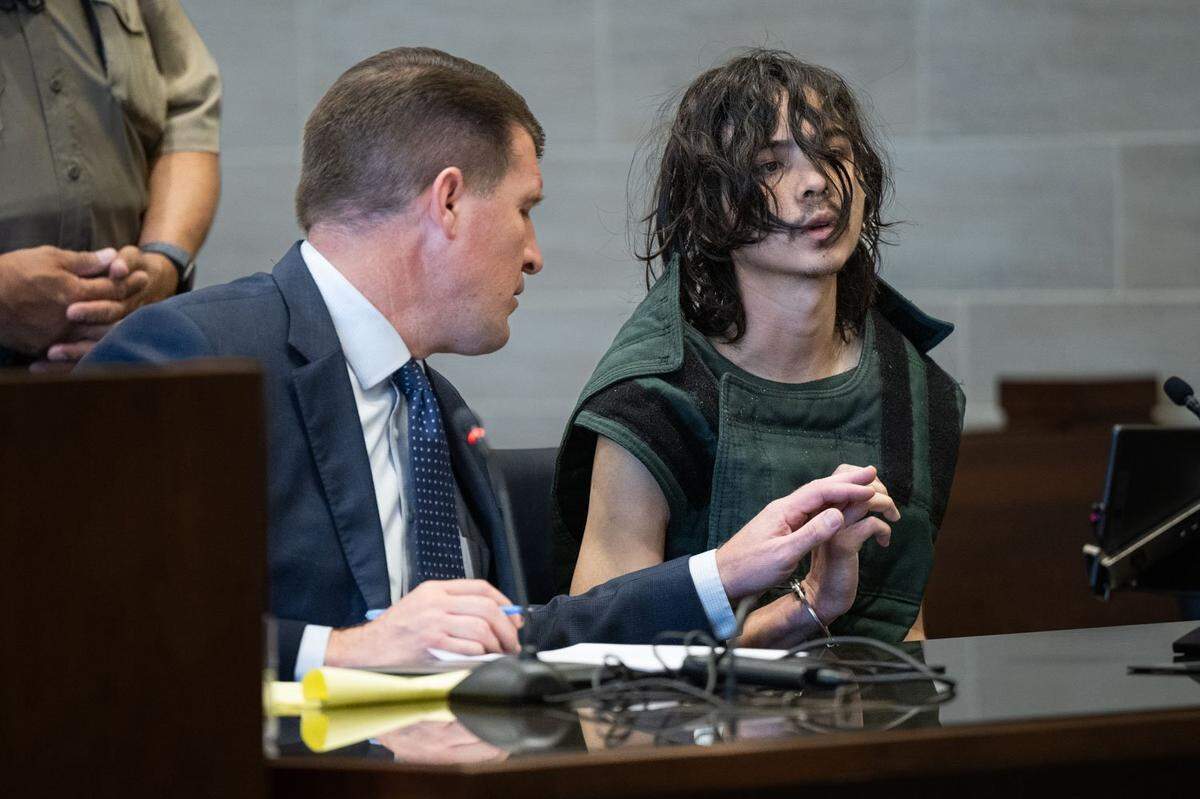
He took bicycle rides to random locations to stare into the sky. At work in local fast-food restaurants, he stared at the walls. At home, he “walked like a zombie,” Hutchinson said.
In April and May 2023, he saw the “shadow figures” that frightened him into violence and heard more voices. A week later, two people were dead. A third barely escaped with her life.
“It’s not just the physical acts,” Hutchinson repeated as he concluded his opening statement, “but what was happening in his mind when he did them.”
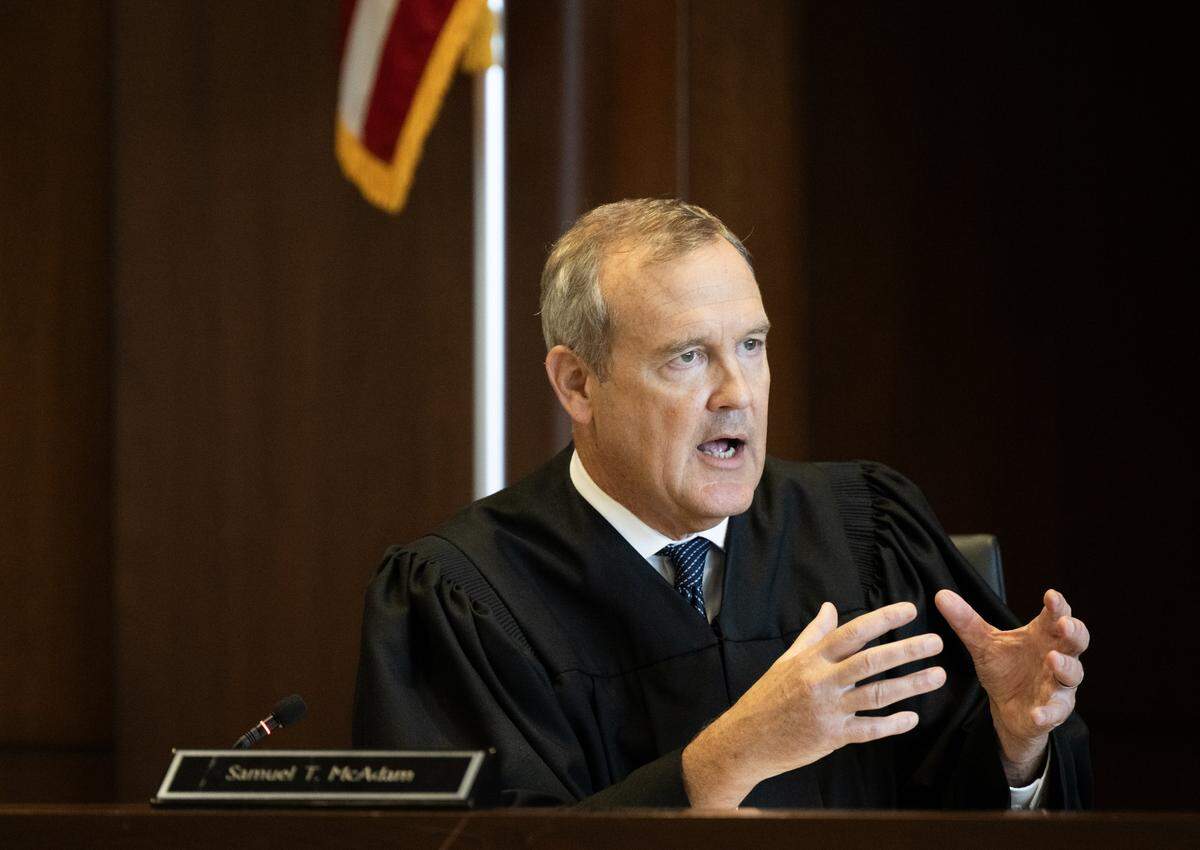
The trial, which is expected to last 10 weeks, continues Friday before Yolo Superior Court Judge Samuel T. McAdam.
.JPG)