
They are the first in their family to attend college. Now they want to uplift others
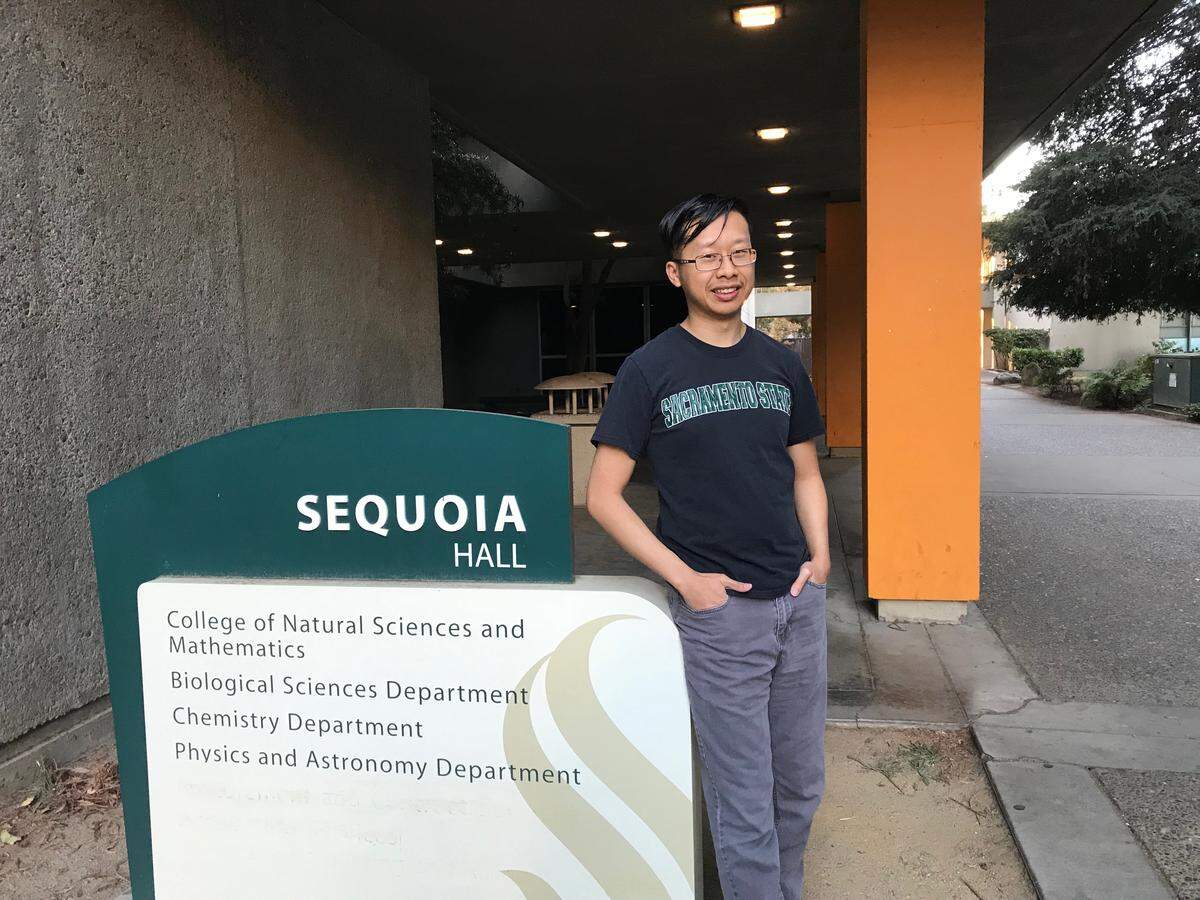
Young Xiong is the first in his family to attend college. The Sacramento State University alum is now a pharmacy graduate student – thanks to help from a federally funded program at the school.
Currently at its ninth year, the Full Circle Project is a two-semester program that has assisted hundreds of students with academic support and leadership opportunities. The framework was designed to prepare students to be successful in college as Sacramento State sees one of the lowest graduation rates for Asian and Pacific Islander students compared to other California State University campuses.
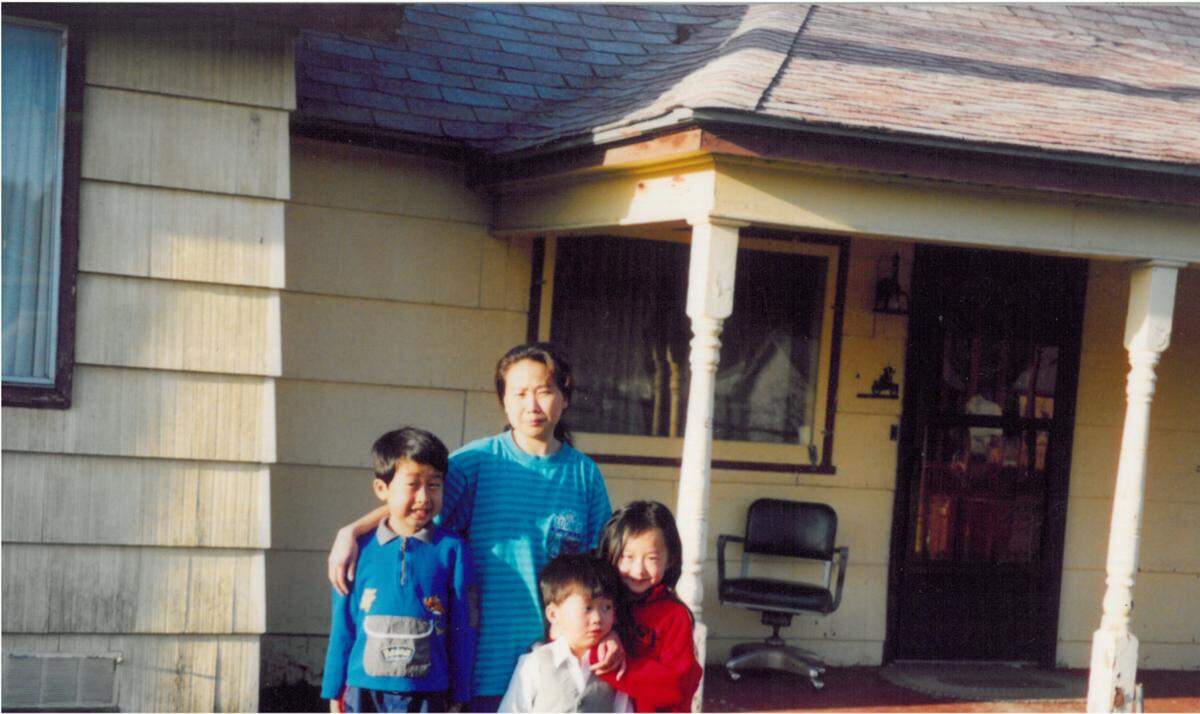
Xiong’s parents were born in Laos during the Secret War and immigrated to the United States as refugees. They never had a proper education, worked minimum-wage jobs and lived paycheck to paycheck. Xiong, 26, and his two siblings were Pell grant recipients, a federal grant awarded to undergraduate students with exceptional financial needs.
The Xiongs went to John F. Kennedy High School in the Pocket-Greenhaven area. They carpooled in high school and even in college. As the first in their family to attend college, they did not know how to navigate the university system for resources and mentorship.
The Full Circle Project fills in this gap. The program offers grant- and scholarship-writing workshops, showing students resources and aids to assist their education. Many second-year students then became peer mentors to help freshmen on how to find articles on the database and navigate the school system – something their parents could not provide support for. The initiative aims to improve students’ retention and graduation rates.
The program’s mandatory ethnic studies courses and identity workshops ask students to reflect on their cultural identity while learning about other cultures.
As of fall 2014, the graduation rates of Asian students who are Pell grant recipients after their fourth year at Sacramento State is at a low point of 8.9 percent, as compared to 11.3 percent of Hispanic or Latino students, 9.6 percent African Americans and 18.7 percent white students, a California State University database shows. The graduation rates for Pacific Islanders is 5.6 percent.
31 percent of grant recipients are the first in their family to attend college, and among them, Hmong students are leading in numbers. From fall 2007 to fall 2017, 68 percent of Hmong students identified as first-generation college students, according to a Sacramento State report. Of the respondents, 93 percent were eligible for Pell grants.
Winnie Hung, Asian American studies lecturer at the university, noticed how students with family members who are college graduates tend to feel more confident to utilize resources like career centers or teacher office hours than first-generation students.
“They did not know how to access these resources and no one in their families is able to give advice to them,” she said.
Sacramento State was awarded two five-year federal institutional strengthening grants by the Department of Education as an Asian American and Native American Pacific Islander-serving institutions in 2011 and 2016 to fund the Full Circle Project. To qualify, at least 50 percent of the student body must qualify for financial aid.
Future federal funding is very limited, so the project is working with the university and private foundations in the community to support the project, said Dr. Timothy Fong, director of the Full Circle Project and an Asian American studies professor at Sacramento State.
Passing down the torch
Paha Xiong, the lone woman among the siblings, said their parents, who are not university educated, don’t understand what a student needs. For example, they asked her to stay at home, not knowing that she stays late at school, which is a better studying environment. The 23-year-old recalled tension at home due to expectations for Hmong women. Unlike her brothers, Xiong parents expect her to do chores, such as cleaning and cooking. Despite letting her pass a bit during her undergraduate years, she said there was a lot of passive aggressiveness from her mother. According to the Sacramento State report, 65 percent of Hmong respondents said family and cultural responsibilities interfered with schoolwork.
Xiong recalled being reluctant to join the program at first, despite her older brother’s recommendation. She didn’t want to be pitied or to ask for help, as she would be associated with being low-income if she joined the program.
“But I needed help,” she said. “You have to accept yourself and get help, and there are always someone wanting to help. There’s no need to be ashamed of who you are.”
Home away from home
The siblings grew to appreciate what the Full Circle Project brought them. Gatherings with food and culture bonded students together, creating a community. Young Xiong hung out with friends he met in the program and they helped each other when facing problems in their studies.
The Full Circle Project team organized events specifically designed to give space and encourage students to talk about taboos, stigma and vulnerability. Paha Xiong remembered opening up to other students about her feelings on never being able to afford leaving her hometown to travel, about food stamps, or living paycheck by paycheck. She held that space and moment “dear to heart.”
“I felt like I am not alone,” she said. “All of us were like, ‘I didn’t know you feel the same way – how come we never talked about that?’ It was empowering.”
She was a student assistant in her second year to host hour-long courses for freshmen in the project to learn and ask questions. She would also frequently check in and counsel them on how they are dealing with schoolwork and stress.
“Our job is to help them in achieving those dreams,” Fong said. “But in return we expect students to give back.”
Tommy Xiong is the youngest sibling and the last to join the program. To him, the most memorable episode was the privilege walk exercise, an activity that encourages participants to confront privileges some individuals have over others. The way to participate is to answer questions by taking a step forward or backward and gauge the distance afterward. Xiong was surprised to find how further front he stood as compared to his sister. He also felt the connection with other students as he listened to their sharing of their stories.
“It made me more grateful to have my siblings to be here to help,” he said.
The Xiong siblings now want to uplift their communities after college.
Young Xiong is a full-scholarship graduate student at Touro University California College of Pharmacy. Herbal medicine is deeply ingrained in Hmong culture to treat illness, such as using tree bark to make tea for curing common colds. However, the side effects are often unknown, Xiong said. He wants to bridge the gap and bring awareness with his expertise and build an open platform to educate patients using herbal medicine.
Tommy Xiong wants to be a math teacher in college upon graduation.
Paha Xiong wants to further her studies in counseling especially on dealing with trauma and domestic violence. She has a better relationship with her mother.
“I stop self-pitying. I let go of that,” she said. “I tell others: You don’t have to stay here forever. We are all here to help you.
“I now know someone paved the way for me and hope I can do that for the next generation to come.”
This story was originally published November 12, 2019 at 4:00 AM.