Gen Z teens missed out on friends in COVID. How a Sacramento campus is helping them connect
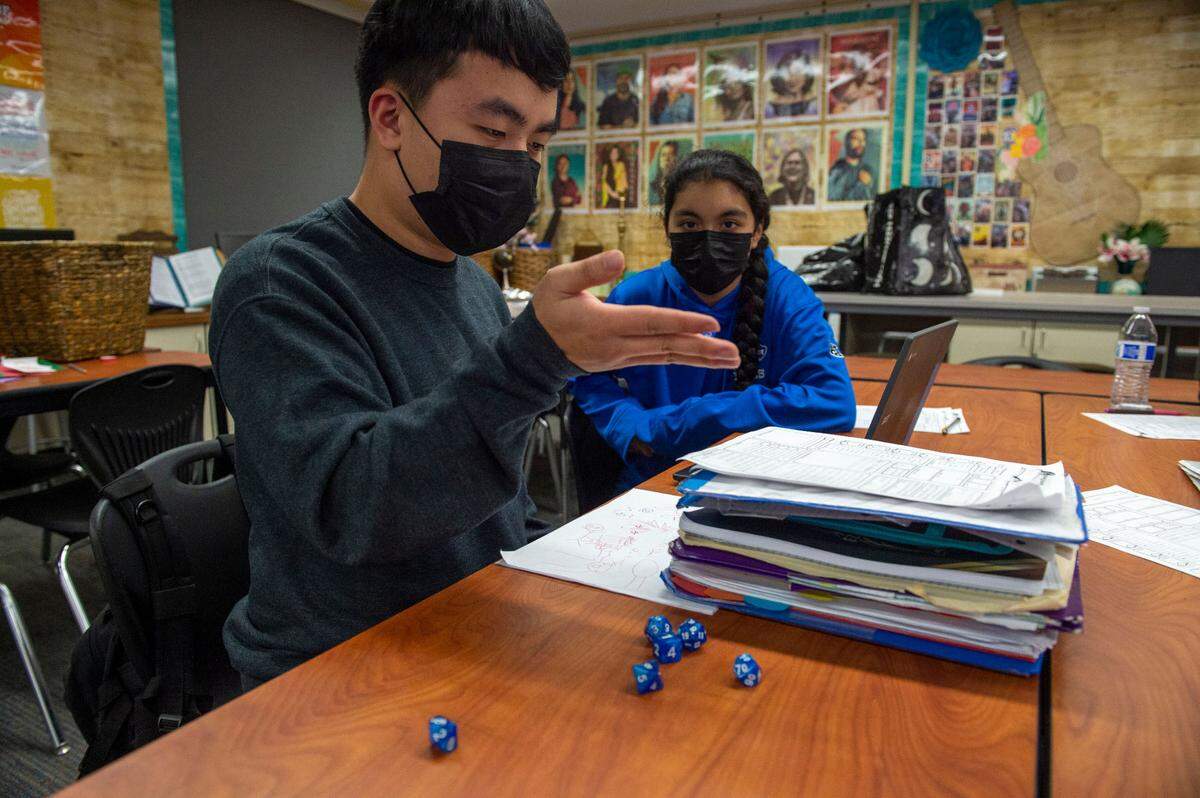
April Granados and Karen Williams plotted their next move in the Florin High School classroom: They were about to be attacked by a bear. Both only 15, the sophomores were desperate to save their lives.
Something dreadful always seems to happen Thursday nights in the Florin Dungeons & Dragons club.
At points, “You feel like you’re a character in the story, and you feel the pressure,” Williams said. “And you know — it’s like you get to experience it.”
Granados cut in: “You’re only limited by the dice and the numbers.”
Although the bear menacing Granados and Williams doesn’t scream “academics,” the club is a strategic part of Florin’s robust after-school programming.
Administrators credit the activities with keeping students engaged in school and, crucially, with helping high schoolers reintegrate after long COVID shutdowns in 2020 and 2021.
Each day, an average of 254 students participate in clubs, sports and tutoring, said Edward Lee, the vice principal who runs after-school programs at Florin in south Sacramento. That’s 15% of the student body any given day.
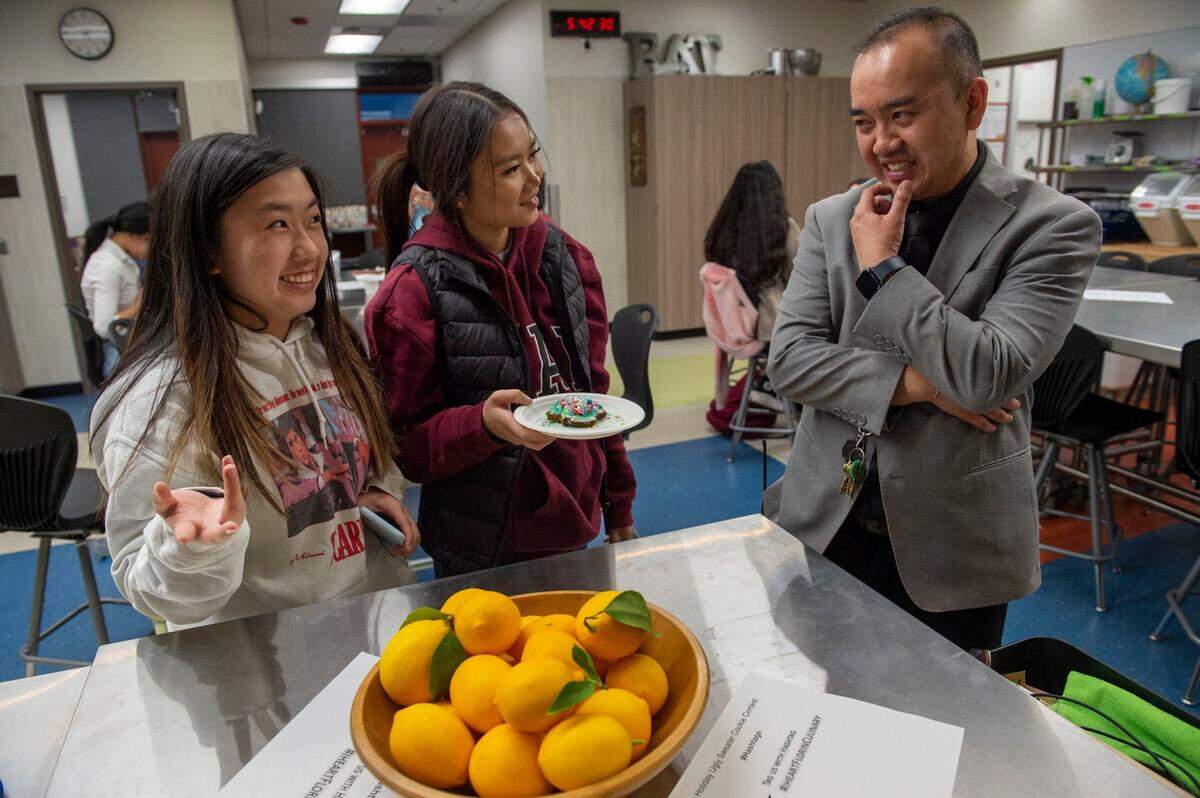
“Of course, when we think of education, or schooling, we just think about the academic approach,” said Lee, singling out tutoring as a traditional example of an activity that helps build academic success.
Tutoring isn’t everything, though.
Lee set out to revamp struggling after-school programs when he started at Florin a year. The tutoring — but also, the silly clubs, he thought — were critical.
“There’s that sense of belonging,” he said. “Do I feel safe when I’m at school? Do I feel like I belong at school? And that’s something that Dungeons & Dragons does; volleyball does that. … When we give (students) those opportunities, they feel like, ‘Hey, I can be at my best; I’m accepted.’ And they feel better about themselves. In turn, they do better academically.”
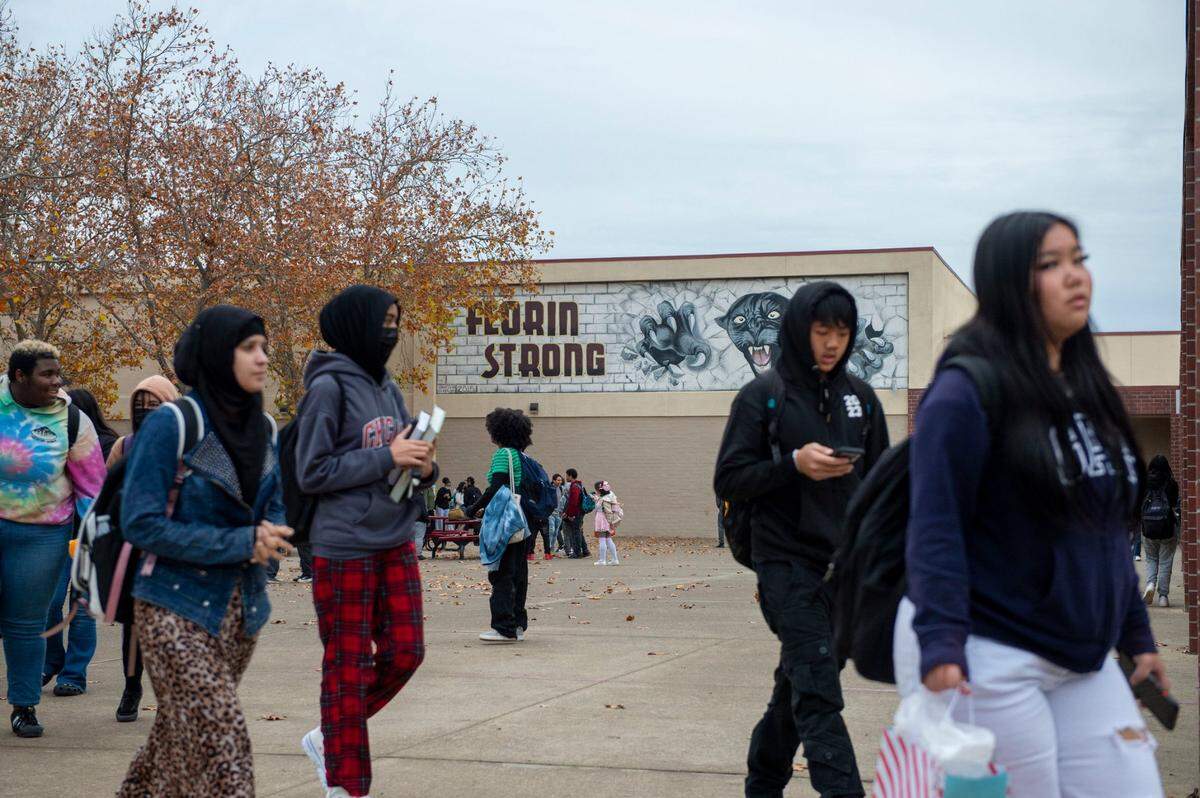
At Florin, the programs are funded by a five-year federal grant distributed by California’s Department of Education. The initial funding predated the pandemic. Now in the first year of the second five-year grant period, staff at the Elk Grove Joint Unified School District campus — like staff at schools nationwide — have approached after-school programming with new urgency as the ongoing COVID pandemic continues to disrupt education and students try to readjust to life on campus.
California lawmakers also recognized a need for more after-school programming coming out of COVID lockdowns. The budget Gov. Gavin Newsom signed in late June included a $7.9 billion learning recovery fund to seed programs that extend the school day, provide tutoring or offer counseling, among other services.
After-school baking, dancing and robots
A walk around Florin High after class reveals a range of activities, from baking to tutoring. Students one afternoon this month decorated “ugly sweater cookies” in a big kitchen classroom; some swayed in the dance club; still others studied in a math tutoring session, where a teacher and peers helped out with homework.
In another lab, students assembled their own robots.
Michael Rosales, the engineering teacher who runs Florin High’s robotics club, said about 20 students come to the club after regular classes. Most of them that afternoon worked on building and then modifying a specific triangular-looking robot that will pick up and possibly shoot colored discs during a tournament in January.
Rosales mostly stood back and watched the young engineers.
“These kids, I don’t help ’em,” the teacher said. Sometimes at competitions, Rosales sees robots that appear to have been made with a significant amount of instructor help. But when Florin students students win, they feel a sense of ownership: “I want my kids to be like, ‘This is my robot.’”
The pandemic has certainly taken a toll on all students at Florin, including Rosales’. The teacher remembered a recent graduate whose incredible robot still sits in a corner of the lab, forever benched because the tournament was canceled due to public health measures.
But that student proved resilient. Still in love with robotics and engineering, Rosales said, he comes back to the club to mentor students. He’s studying engineering in school and working as a mechanic.
South Sacramento teens connect after shutdowns
Anastasiya Zakharchuk, 16, has also found that the robotics club helped her integrate back into campus life. School shutdowns took over her first year of high school.
“It was online, so it kind of sucked,” said the junior. “Freshman year was kind of isolating.”
Zakharchuk’s best friend, Priyasha Kaur, also 16, agreed. “It was very quiet,” Kaur said. “We didn’t make that many connections at all.”
During sophomore year — their first time on-campus at the high school — “I was really (keeping) to myself. I didn’t really want to make friends,” Zakharchuk said. Kaur, an irrepressible extrovert, forged a friendship against the odds, but Zakharchuk was still somewhat lonesome.
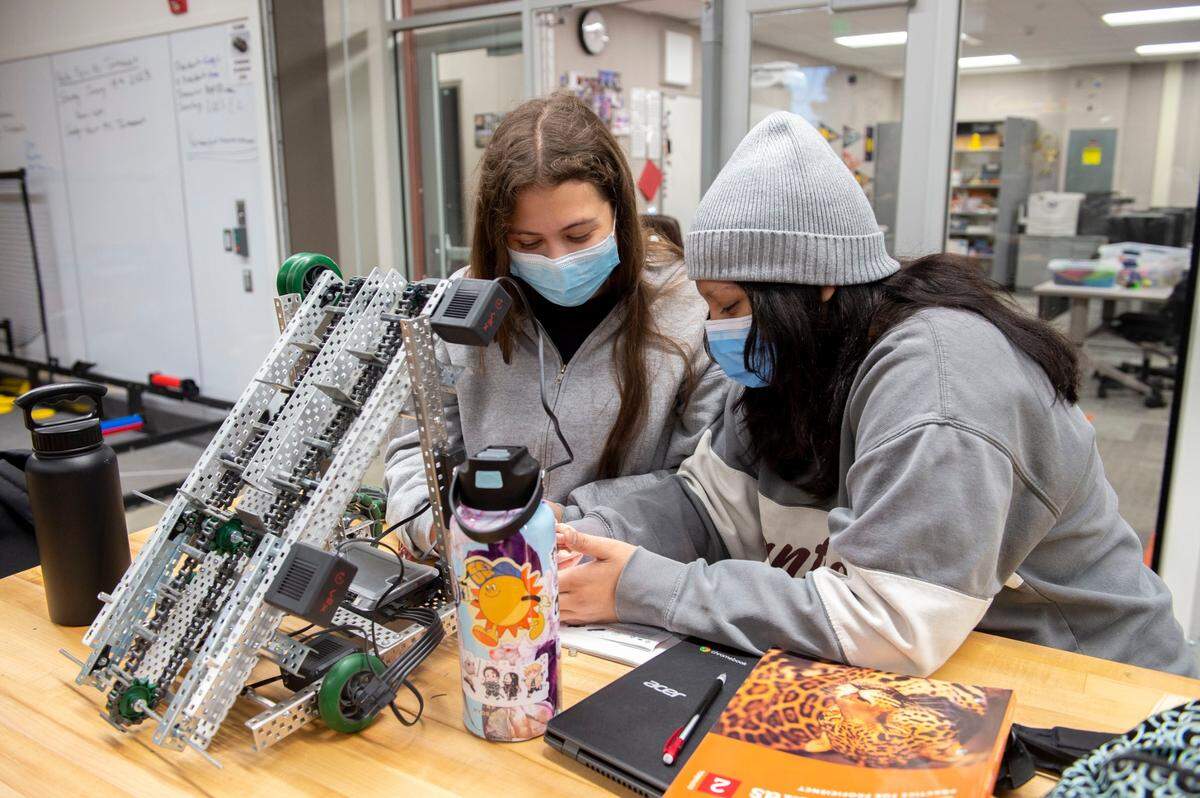
Then, this year, Zakharchuk and Kaur saw Rosales’ booth at a school fair and decided building robots would be a good idea; they joined the robotics club.
Rosales gave the two of them a packet with instructions on how to build a basic robot. With the essentials now completed, they were encouraged to make their own modifications to ready the machine for a potential spot in the tournament.
The club “just helped me so much,” Zakharchuk said. “It helps me spend more time with (friends).”
The juniors say they don’t want to be engineers necessarily; Zakharchuk is just intellectually curious, while Kaur is committed to becoming an attorney (or, failing law, an aerospace engineer).
While they were trying to improve their little triangle guy in the lab, students at the Dungeons & Dragons club became lost in their game.
James Brausch, 17, the senior and dungeon master with a swoop of light hair who founded the Dungeons & Dragons club last year, posed a question to his party: “Do you feel … that when you remember back on sessions, you don’t remember sitting at the table and looking at the stats, you remember what happened in the story? Like you remember how you imagined it?”
Sophomores Granados and Williams nodded back at him. Yes.
Lee, the vice principal, stepped back and saw students growing into their own.
“I do see our kids, they’re trying,” he said. “And (I see) their level of growth. I think with these programs, they’re just going to continue to build more confidence, more sense of belonging.”