
California faculty allege campaign of intimidation by UC leaders during pro-Palestine protests
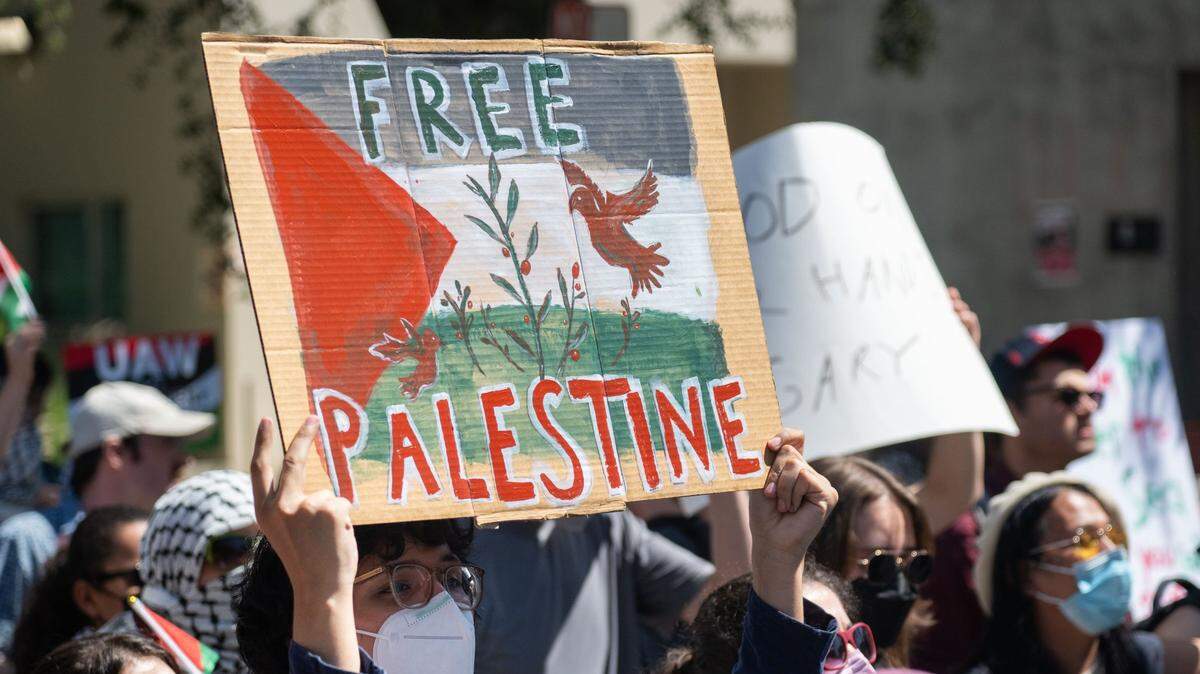
The University of California’s faculty associations describe a campaign of intimidation by UC leaders against faculty including illegal surveillance of professors and use of law enforcement to quash peaceful dissent in a sweeping state labor complaint filed last week.
UC Davis’ faculty association joined faculty associations across the UC system accusing University of California campuses of unfair labor practices during pro-Palestine protests earlier this year.
They describe a campaign of intimidation against faculty that created the climate for the UC’s “systemic chilling of academic freedom” in the voluminous 581-page complaint to the state’s Public Employment Relations Board.
The Council of UC Faculty Associations led the complaint, with faculty at UC San Diego, Irvine, Berkeley, Santa Cruz, San Francisco, and UCLA, the site of some of the most violent actions on campus encampments, in accusing UC campuses of numerous violations against faculty members.
The complaint focuses on the response of UC leaders after graduate workers walked off their jobs in May to protest the treatment of faculty and student Gaza War protesters.
The strike ended June 7 and with it came “new, overbroad restrictions” barring faculty from discussing the strike or other union activities. It signaled the start of what faculty allege was a “relentless campaign” against faculty members who spoke out against the war.
Campuses across the country were embroiled in protests over the ongoing war launched after Palestinian militants attacked Israel Oct. 7, 2023, killing 1,200 people and taking more than 250 captive, including 45 Americans. More than 100 hostages remain held, a third of whom are believed dead, according to the Associated Press. Four American hostages are believed to remain held. Since the attack, more than 41,000 Palestinians have been killed in Israel’s campaign to root out Hamas.
“Throughout nearly the entire period of the Gaza war, the university has engaged in a relentless campaign to chill faculty’s exercise of their academic freedom and to deter them from teaching about the war in a way that does not align with the university’s own position,” the complaint reads in part.
They cited “vague and threatening communications” by campus administrators to faculty warning discipline for teaching outside the scope of course materials and for purportedly “indoctrinating” students.
Faculty members at a number of the campuses in the complaint say they were “surveilled and intimidated” by university officials while participating in the protests.
“In the context of the repressive atmosphere UC has created, these threatening communications can only be read as a warning to faculty that they must not exercise their academic freedom to teach about issues related to Israel and Palestine in a way that the university does not approve of,” the complaint reads.
UCLA was the site of violent attacks by counterprotesters against the encampments and an aggressive crackdown on the camps by law enforcement.
Counterprotesters routed the UCLA encampments, bloodied students and injured faculty members at the encampments in a late-night attack April 30 into the early hours of May 1. Faculty members in the complaint likened the scene to a “war zone,” and alleged UC officials did little, waiting hours before calling in law enforcement to quell the chaos. Law enforcement evicted protesters and tore down the encampments on May 2.
UC Davis was one of three campuses — UC Berkeley and UC Riverside being the others — that arrived at a peaceful resolution with its encampment, which had grown to as many as 200 students. More than a month of negotiations between UC Davis Chancellor Gary May and the student group Popular University for the Liberation of Palestine concluded in June.
Campus leaders in May had thanked students for keeping the encampments safe and noted May’s remarks at the beginning of the protests that students would not be disciplined for speech protected by the First Amendment.
The sides agreed to improve academic offerings related to Palestine and Arab-American studies; and a proposal regarding improved accountability related to UC investments, according to the complaint, but the faculty groups say the UC Davis deal was short-lived.
The agreement was “summarily rejected in its totality” by the UC Board of Regents, who then barred May from engaging in further talks and disallowed the agreements related to academic studies, the faculty associations allege.
UC Davis student protesters took down their encampment June 20.
.JPG)