Sacramento City Unified School District faces fiscal insolvency, again
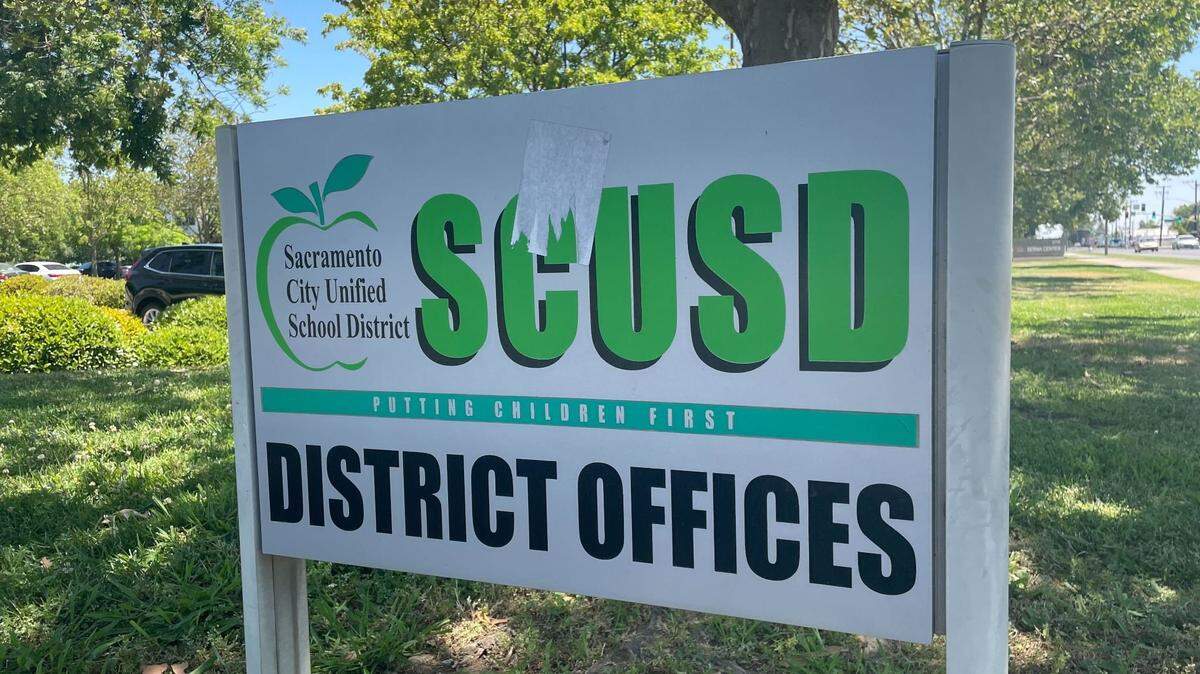
As Sacramento City Unified School District faces a $43 million budget deficit, it must prove fiscal solvency to prevent county intervention.
The district enacted a spending freeze in October after receiving the news that it dipped significantly into its reserves to pay for a “flood” of costs that cropped up at the end of the year, including unbudgeted expenses related to payroll, contracts, books, special education and maintenance.
District personnel projected negative cash flow for the following two years, amounting to an $88 million deficit in the 2027-28 school year if the district does not correct its spending. Dipping below the state-required 2% reserve puts the district at risk of the Sacramento County Office of Education or the state intervening to take control of its budget.
Correcting cash flow will mean more than just a spending freeze — SCOE estimates that the district will need to come up with about $35 million in savings to stay solvent. The district’s chief business officer Janea Marking said that the changes necessitated by the deficit “will be difficult and will most certainly impact our community.”
SCOE sent a formal notice to SCUSD determining the district was unlikely to meet its financial obligations, triggering a process in which the district must prove that it can be fiscally solvent.
In response to the notice, the district must adopt an interim financial report that shows the district will be able to meet its reserve requirement for the current and following two years and submit a fiscal recovery plan to the county by Dec. 1.
If the district fails to meet deadlines, it empowers SCOE to step into the district’s financial recovery planning.
Marking will present SCUSD trustees with a draft fiscal solvency plan and a proposed framework for reducing costs at a board meeting Thursday night.
SCUSD faced a similar crisis in 2019, narrowly avoiding state takeover after facing a $30 million deficit that a state auditor said was caused by a failure to proactively address its financial challenges.
This story was originally published November 6, 2025 at 2:01 PM.