4 things to know about the budget crisis facing Sacramento City schools
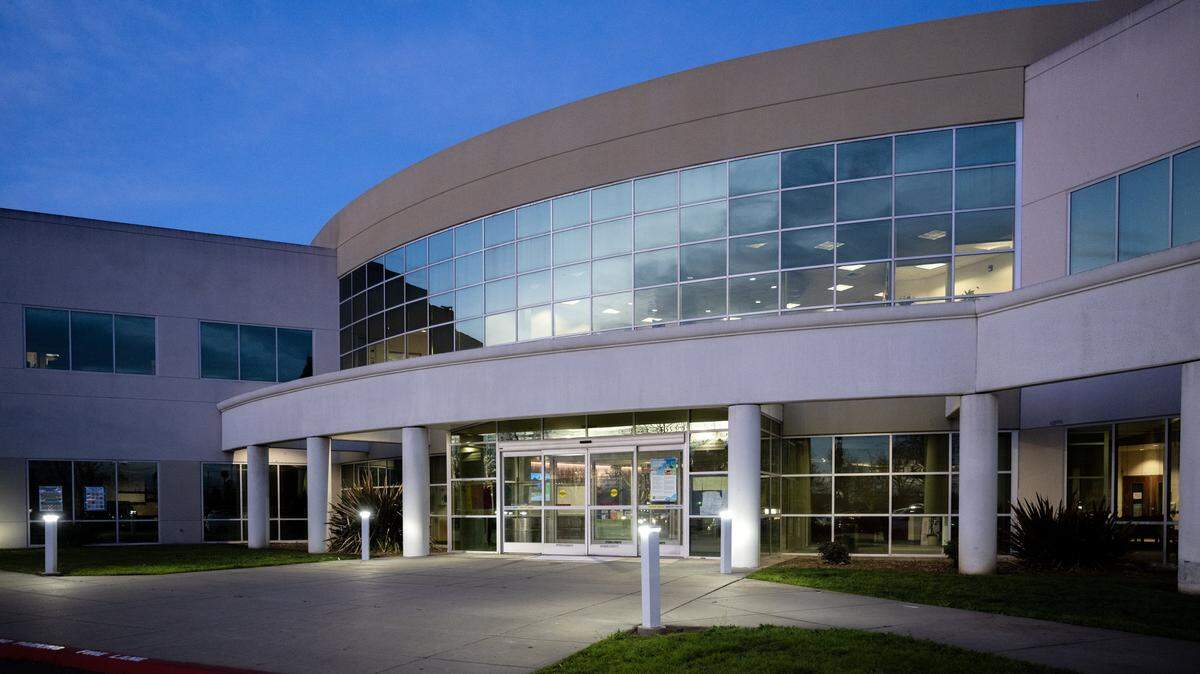
In the effort to stay fiscally solvent, Sacramento City Unified School District leaders are navigating an absolute mess.
Major staffing challenges and clashes with labor partners make addressing a budget shortfall now amounting to $170 million this year an even more harrowing task.
While school leaders are hopeful that they will be able to avoid running out of spendable money — which would trigger a state takeover — they do not have a lot of time to improve their cash flow. The district is set to run out of money as soon as September.
“State receivership is not an option,” trustee Taylor Kayatta said at a February board meeting.
“It’s a surrender of our community’s voice that will be truly devastating to our district, our city and our communities.”
Insolvency would mean taking out a 20-year loan from the state, incurring extra expenses that could otherwise go to educational programming. The district’s school board would lose significant decision-making authority.
Here is what to know as of April 8.
1. The problem is more dire than ever, but it’s not new.
The problems detailed with SCUSD’s finances in a state agency’s 2019 report are remarkably similar to those in a fall 2025 report. In short, the district’s spending has outpaced its income. A 10% drop in enrollment since the 2019-20 school year means a significant drop in revenue, but costs related to staffing and contracts have steadily increased.
The cost of special education in particular has skyrocketed. According to the state’s Fiscal Crisis & Management Assistance Team, the district spent $46 million of general fund money on special education in the 2013-14 school year. In 2025-26, the district is on track to spend $172 million.
For a few years the crisis was masked by COVID-era grants that offset the looming shortfall. But after those funds dried up and the district saw around $80 million in unexpected spending at the end of last school year, the deficit finally caught up.
2. Hundreds are set to be laid off.
In a controversial move, the school board opted to issue lay off notices for every member of the district office’s central staff — including the district’s top leader, Cancy McArn. While district leaders do not plan for the Serna Center to be empty come July 1, they say that the mass layoff notices allow the district to be flexible come May 15, when final staffing decisions will be made.
In addition to central office staff, around 270 classified positions are slated to be eliminated, although a number of these positions are currently vacant. Cuts to the district’s transitional kindergarten aides and the consolidation of preschool programs have also proven controversial.
3. Several leaders are new or temporary or both.
Longtime district employee Lisa Allen suddenly stepped down from her role as superintendent in early February. Board President Tara Jeane said that the decision was mutually agreed upon and not directly related to the budget situation.
Another longtime SCUSD employee, Human Relations Chief Cancy McArn, stepped in to fill the interim position, inheriting a district in crisis.
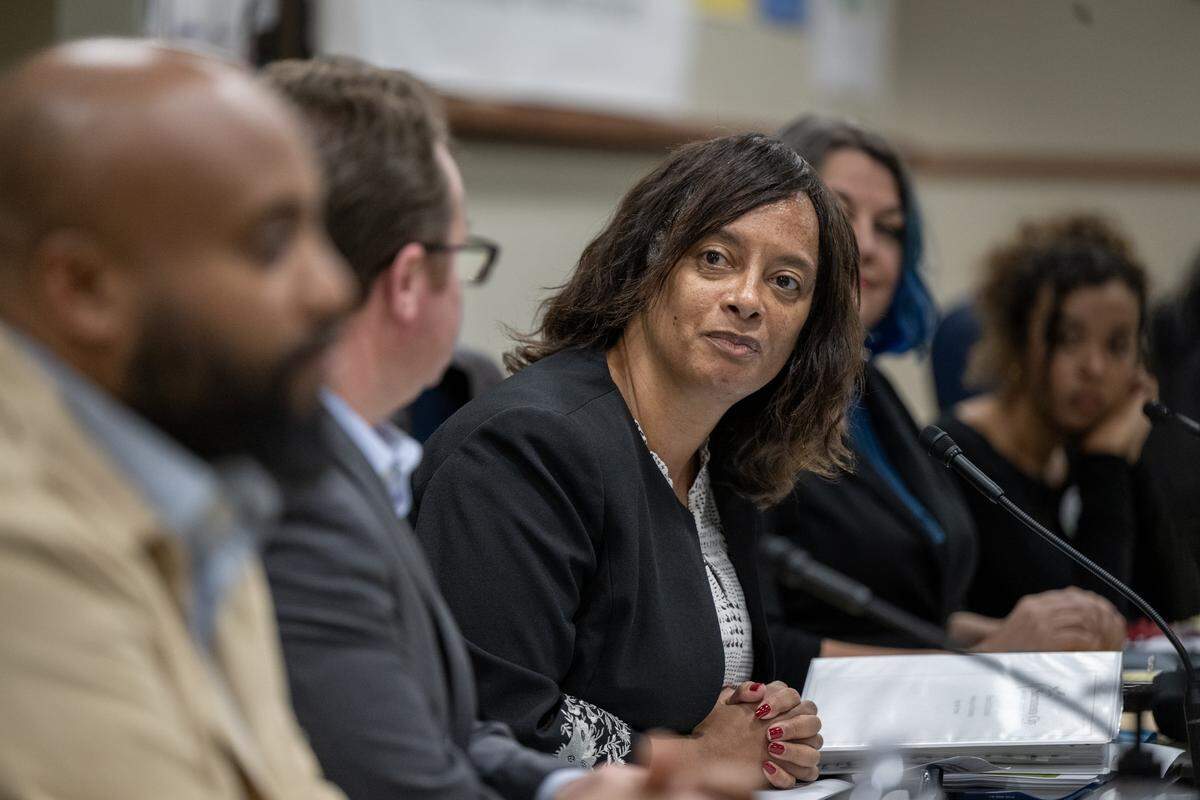
The leadership in the budget department has also shifted. Chief Business Officer Janea Marking resigned in December and the hiring process to replace her began in mid-March. Lisa Grant-Dawson, previously of Oakland Unified School District, stepped into the interim role on Jan. 5.
Just a few days later, Cindy Tao, the district’s assistant superintendent of business services, was placed on leave. Tao has faced internal investigations related to claims of fiscal mismanagement and poor workplace conduct.
Deputy Superintendent Mary Hardin Young is slated to retire at the end of the school year. The district’s chief academic officer, deputy chief of schools and head of special education are all filled with interim arrangements.
4. Tensions are high.
As much as leaders like McArn are emphasizing teamwork among staff and the community to address the crisis, cracks are beginning to show between district leaders, staff members and those overseeing the district’s financial decisions.
The members of the board are not happy with the job performance of district staff, and continually ask for an updated fiscal solvency plan so they can make “hard decisions” about the budget. Instead, the number attached to the deficit has ballooned.
Trustees have grilled newcomer Grant-Dawson from the dais as she revealed worsening numbers. Seeking more manpower, the board voted to consult with HYA corporation to provide fiscal services for the district to the tune of up to $400,000.
The county fiscal adviser, Luz Cazares, killed that contract. Her reasoning matched that of Mike Fine, head of FCMAT, who had previously warned Jeane to not hire the consulting company and to instead support Grant-Dawson. Jeane and Kayatta were open about their frustration with the county’s intervention.
There is also tension among labor units, with workers being outspoken about their belief that the board unfairly favors teachers over other district staffers when making cuts. Nonteaching staff members said they were unfairly bearing the fallout of the financial crisis as teachers enjoy a new contract that resulted in significant raises and a boost in staffing.