Newsom signs bill to boost special ed spending as Sacramento schools struggle
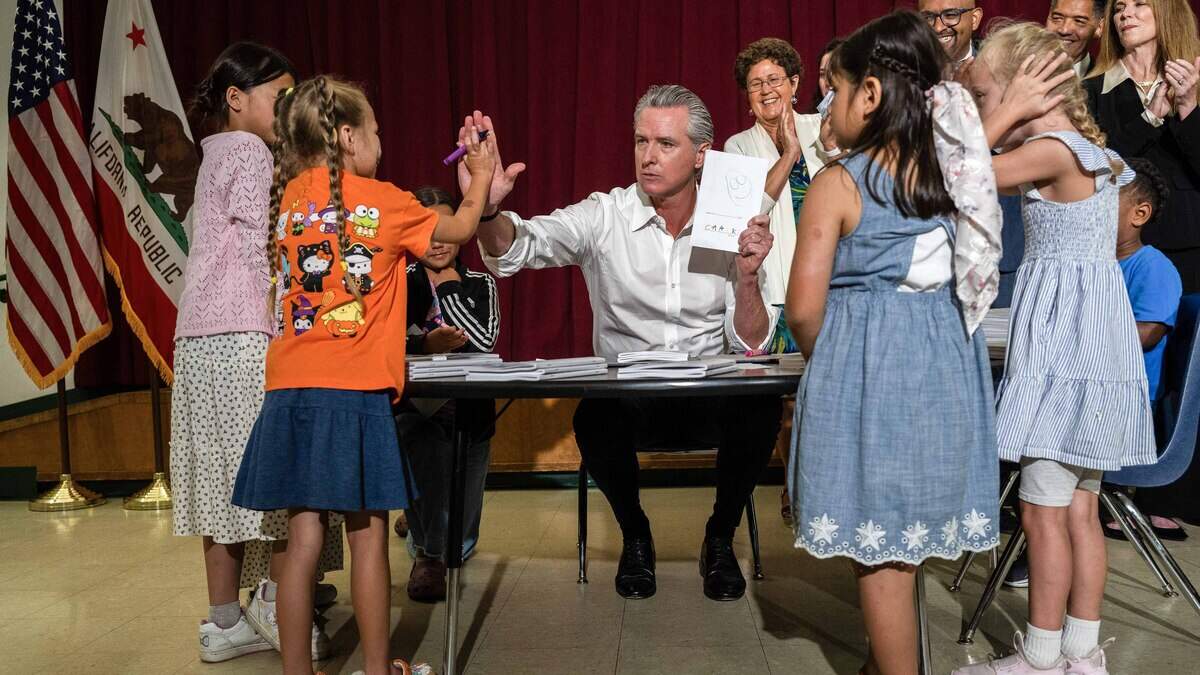
Gov. Gavin Newsom signed legislation Thursday that includes a $2.4 billion increase for special education programs in California schools, calling the budget a step toward improving services for students across the state.
The event took place at Willett Elementary School in Davis, where Newsom was joined by state education officials and lawmakers including Assembly members David Alvarez and Darshana Patel, and California Board of Education President Linda Darling-Hammond.
“The investments now are about to take place and shape to answer the concern that these are dollars moving forward. I can’t make up for the past,” Newsom said during a news conference.
“We’ve been muddling along, doing better than we were in the past,” Newsom said. He acknowledged concerns that rising special education costs were helping push districts such as Sacramento City Unified toward fiscal insolvency, an indication that the state’s previous efforts were “not good enough.”
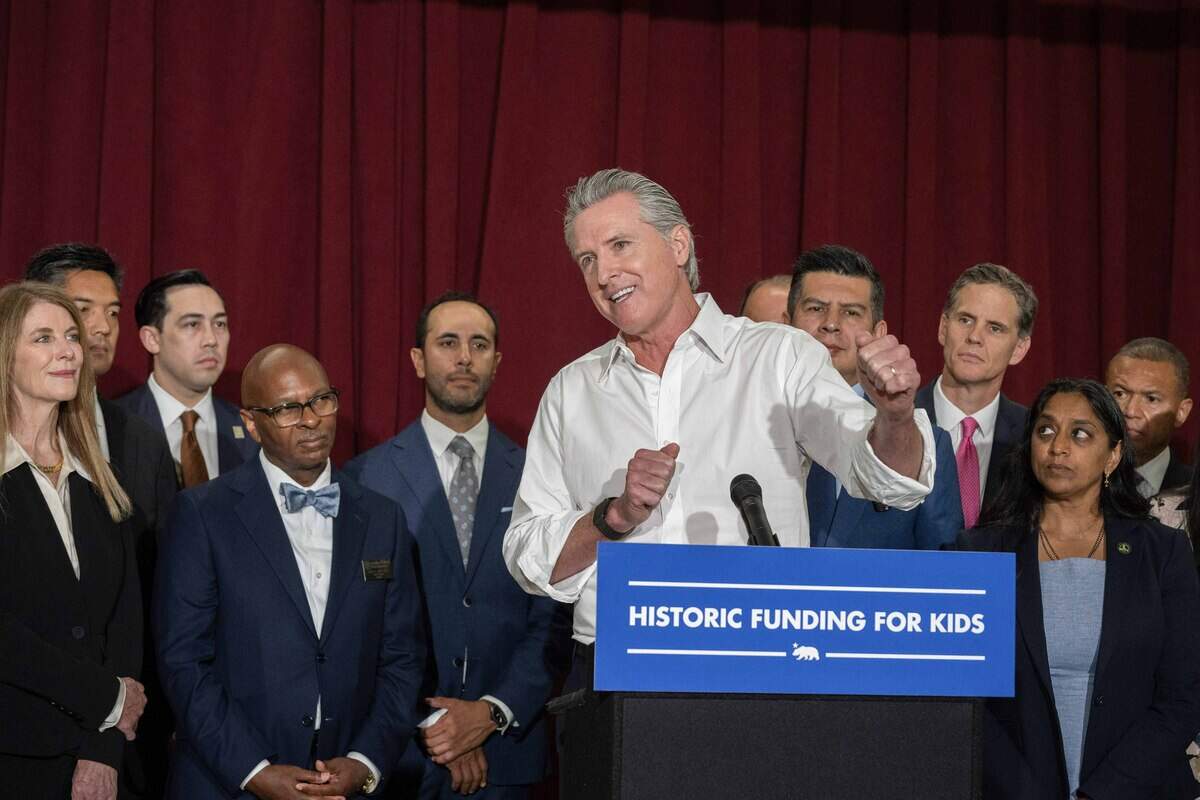
Darling-Hammond said one way the state plans to ensure the money reaches students is by preparing and recruiting teachers who can meet their needs, while Patel pointed to a “suite of solutions” in the budget and said local education agencies must ensure the resources go to the students who need them.
The $2.4 billion increase in special education funding comes after the Natomas Unified, Sacramento City Unified and Twin Rivers Unified school districts were criticized for their treatment of students with disabilities in a Sacramento County Grand Jury report.
For Sacramento City Unified, which has been scrambling for months to close a more than $170 million deficit and avoid state receivership, special education costs have become a major driver of the district’s financial strain.
The district’s unrestricted general fund contribution to special education was $73.6 million in 2018-19, before the pandemic, and has since climbed to $172.2 million in the 2025-26 school year.
“For those school districts that have those students with higher cost levels, there’s now a pool of money that they can tap into,” Petal said, adding that the budget includes money to train educators for inclusive classrooms, help districts cover high-cost special education placements and support diploma pathways.
“Those funds have been oversubscribed for years, and we’re now finally approaching levels where maybe we’ll right-size that fund and actually meet the needs of the families that are seeking it.”
This story was originally published July 9, 2026 at 2:12 PM.