Did stay-at-home orders stop coronavirus? What study found in tiny California town
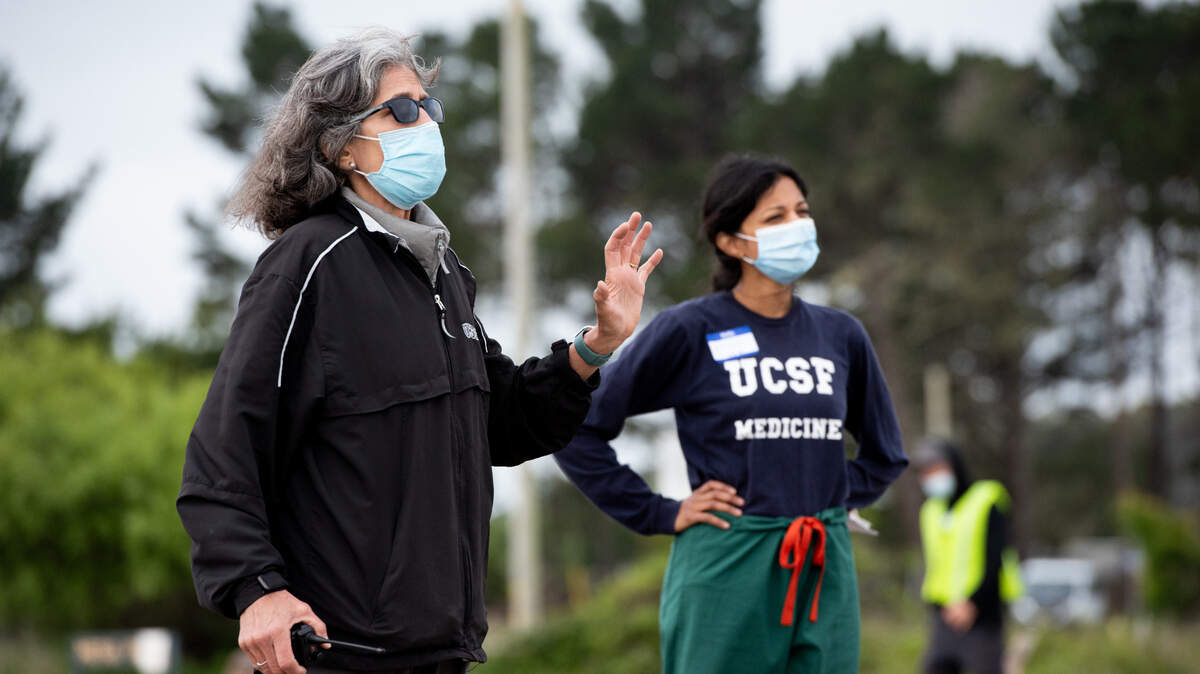
In the isolated Northern California town of Bolinas, no more than three out of every 1,000 residents had antibodies indicating they previously had a case of COVID-19, according to researchers at the University of California, San Francisco.
The research team found in earlier diagnostic testing that Bolinas reidents were negative for active infections with the new coronavirus. More formally known as SARS-CoV-2, it causes COVID-19, and researchers were interested to learn how it spread in a small Marin County town.
“Our goal with this study was to understand how widely the novel coronavirus had spread in a relatively isolated community like Bolinas before or soon after the stay-home orders went into effect,” said study leader Dr. Bryan Greenhouse, an associate professor in the UCSF Division of HIV, Infectious Disease and Global Medicine. “These antibody results, along with the previously reported PCR data, suggest that few if any people in Bolinas had ever been infected by the virus as of the end of April.”
UCSF did comprehensive COVID-19 testing April 20-24 on 1,880 residents, essential workers, and first responders living at the southern tip of the Point Reyes National Seashore. It’s accessible by mostly unmarked rural roads.
Greenhouse said they are sharing test results with each individual and are preparing a public report. He cautioned that the presence of antibodies doesn’t necessarily mean an individual is immune to future infection from COVID-19.
“There’s a lot we still don’t know about antibody responses to this virus,” he said, as part of statements in a news release on the study. “While the antibody tests we used are amongst the most accurate available, no test is perfect, and individual results should be taken with a grain of salt. We have taken test performance into account to produce our estimate of how many people in the community as a whole were likely to have been previously infected with the virus.”
Project leaders did say, however, that the results show a positive outcome from early efforts by the state and county to impose stay-at-home orders.
Dr. Aenor Sawyer, a Bolinas resident and a UCSF orthopedist, served as medical director for the testing program. She said she hoped that this communitywide surveillance, which used both diagnostic and antibody testing will reveal possible transmission patterns for COVID-19 and provide insight into the effectiveness of public health strategies such as masking, physical distancing, hand-washing, and tracing contacts.
The research team collected samples for both a commercial COVID-19 antibody test produced by Abbott and an in-house assay performed at UCSF, then combined the results to estimate population-level infection rates.
“This work has ... shed light on the feasibility and importance of more access to reliable testing,” said Sawyer. “There is still much to learn about which antibody tests are most reliable and how to use the antibody information once obtained. This can only be achieved by expanding access to reliable tests and leveraging academic partners to extract meaning from the results.”
The researchers noted that Bolinas residents, businesses and leaders had to take extra steps to ensure everyone in town had access to what they needed to prevent the spread of the new coronavirus. Bolinas residents have a median annual income of $56,000, below the U.S. average, and 15 percent of residents live below the poverty level.
This story was originally published June 11, 2020 at 4:39 PM.