Retired California Hospital Association leader C. Duane Dauner, 80, dies after solo car crash
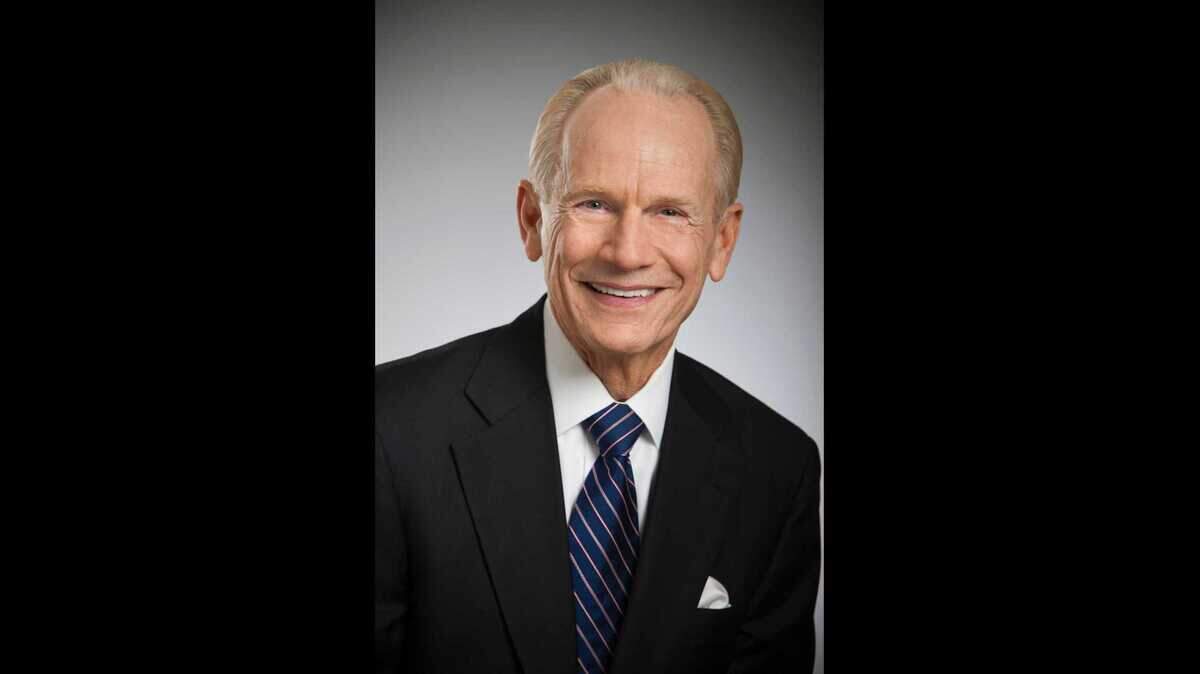
Described as “an unrelenting advocate for universal health care coverage,” retired California Hospital Association leader C. Duane Dauner died Monday after a solo car crash near his home in Palm Desert. He was 80.
Dauner was the chief executive officer of the hospital association from 1985 until he retired in 2017. He continued to serve on several hospital system boards after he left the trade group.
“California’s hospitals have lost a true champion with the tragic and untimely passing of C. Duane Dauner,” said Carmela Coyle, president and CEO of the association. “For more than three decades, Duane steered California’s hospitals through some of the most pivotal moments in our state’s health care evolution.”
Political consultant David Townsend, who developed a friendship with Dauner that endured for more than three decades, recalled the challenges Dauner faced upon his arrival to California’s capital in the 1980s.
“I’d just run a successful statewide initiative for them, but they had to borrow money to pay for the initiative,” Townsend said. “So when Duane arrived on the scene as CEO, his first week on the job, he had to take out a line of credit to make payroll.”
At the time, Townsend said, the association’s headquarters were in the basement of a building on K Street that no longer exists.
“When it was all said and done, the California Hospital Association is the most powerful trade association in California,” Townsend said. “He just transformed that organization from literally in debt in a basement to building two of the more prominent office buildings in the (downtown) core and creating a highly professional operation. He was a top-flight lobbyist. He was a builder, and he was a modest guy.”
Dauner shunned accolades, Townsend said, declining offers from the hospital association to put up a plaque for his service or name any real estate after him when he retired.
Whatever Dauner accomplished, he wanted the light to shine on the needs of California hospitals, their patients and their mission, said Sacramento Mayor Darrell Steinberg and Diana Dooley, the former secretary of the California Department of Health and Human Services.
They and Townsend described Dauner as a old-school gentleman with an impressive work ethic. Dauner also set an incredible example of civility, always speaking of only the good he saw in people, they said.
His service was so treasured, Townsend said, that Dooley once told him that each incoming board “president of the California Hospital Association had only one real objective: not to let Duane quit on their year.”
Steinberg said Dauner was the driving force behind Proposition 63, the Mental Health Services Act that funds county mental health services through a 1 percent tax on the adjusted gross incomes above $1 million.
“He helped me a lot there, so it’s a very tough day. It’s a big loss,” Steinberg said. “He was brilliant, really just brilliant, in his scope of knowledge and understanding of the whole world of health care. He was decent. He was generous. I never saw him raise his voice, but he was always so prepared and understood how to move something forward.”
Years later, Dauner married Steinberg’s aunt, and the two men got to know each other personally. He was so self-effacing, Steinberg said, that he certainly would not have wanted to have an article written about him, but it’s important that Californians know his contributions.
Coyle noted that Dauner’s forward-thinking leadership resulted in the establishment of the Hospital Quality Institute, aimed at improving the quality and safety of hospital care, and the Hospital Fee Program, which has brought billions in new federal funding to California’s Medi-Cal program.
Dooley said that Dauner’s creativity, his lack of partisanship, his respect for what others brought to the table secured him a seat in shaping not only the Mental Health Services Act but also the Patient Protection and Affordable Care Act and many other prominent health care issues of the last three decades.
He was “the dean of the whole hospital industry throughout the nation. He was the longest-serving state association director, and he was very engaged in the direct negotiations over the terms of the (ACA) itself and then on the implementation in California,” Dooley said. “He was very committed to making it work. I think that’s an example of how he never let partisanship interfere with his objectives for meeting the needs of California hospitals and patients.”
Dauner is survived by his wife, Diane; a son and daughter; and several grandchildren.
This story was originally published July 14, 2020 at 7:11 PM.