UC Health system builds COVID-19 patient database in race for treatment breakthrough
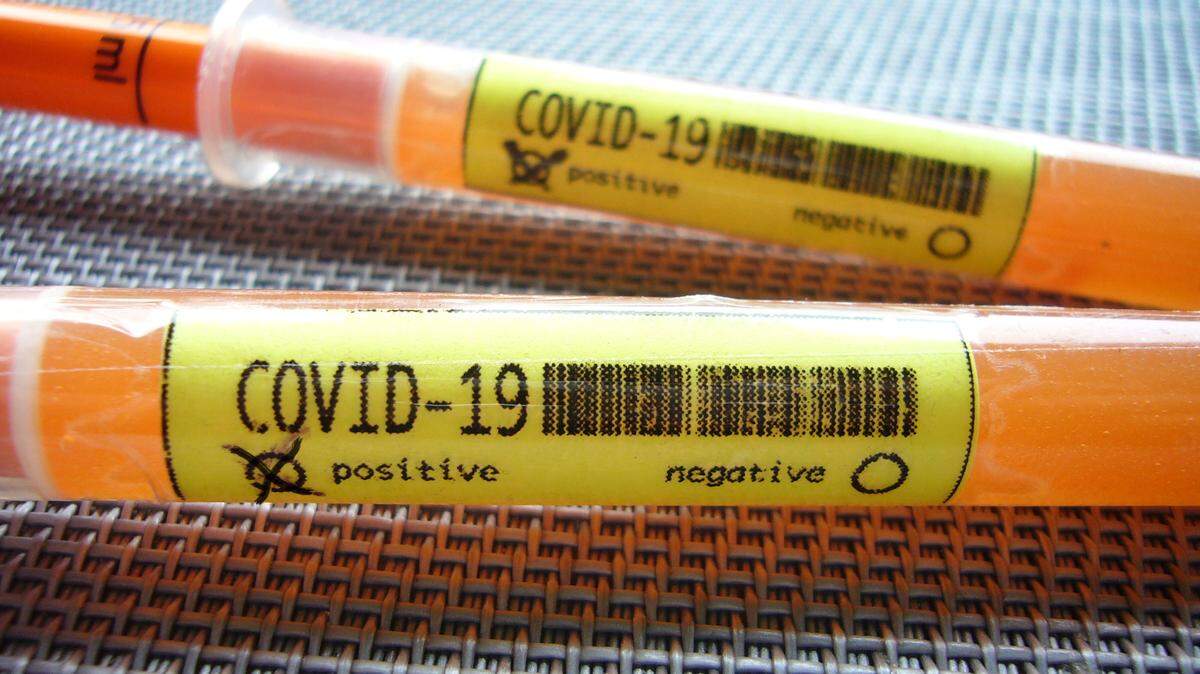
The University of California Health has gathered information on all COVID-19 patients treated at its five academic health systems into one secure database that UC researchers can study to quickly advance new theories and potential treatments.
The database contains more than 460 million pieces of information, all stripped of details that could identify a single patient, as federal law requires. Researchers will be able to see things such as medication orders, blood sugar and other test results, admission details, discharge details, COVID test results, vital signs, race, ethnicity, and sex of the patients.
“Aggregating and using our collective clinical data in this safe and responsible way is one of a series of initiatives to speed up ‘bench to bedside’ research to treatment,” said Dr. Atul Butte, chief data scientist for University of California Health. “With the scale of the pandemic, we need as many UC researchers as possible to work on treatment options.”
Butte said the first version of the database, known as the University of California COVID Research Data Set, or UC CORDS, was up and running in mid-May, and his team has been enhancing the data set and honing compatibility as they began training researchers in how to use it.
“Having access to this diverse data set that is already integrated may contain insights into COVID-19 that they (UC researchers) may not find elsewhere, and can make their work more efficient,” said Butte, a distinguished professor at University of California, San Francisco. “This type of dataset may provide a window into patterns they might not have otherwise been able to identify.”
The richness of the data will only grow, he said, as the UC’s five academic medical systems — UC Davis Health, UC San Diego Health, UC Irvine Health, UCLA Health and UC San Francisco Health — treat more patients infected with the new coronavirus, the pathogen that causes COVID-19.
Dr. Carrie L. Byington, the executive vice president of University of California Health and an infectious disease expert, said UC wanted to ensure the data contained information on patient diversity along with details such as age, pre-existing medical conditions and medications, and previous treatments. Otherwise, she said, findings could be skewed due to the homogeneity of the population.
Hundreds of UC researchers have shown interest in the database, Butte said. That number includes Jonathan Watanabe, associate director at the Samueli College of Health Sciences at the University of California, Irvine. He is studying the use of telehealth during the pandemic and selection of medications.
“UC CORDS...gives you insights into clinical practices in much closer to real-time and is representative of a broader patient population than any one organization would have on its own, which is critical for research during the pandemic,” Watanabe said. “This kind of approach to aggregating and sharing data is what we need to create more accessible large, long-term data sets that help avoid a rush to conclusions based on questionable correlations and selection bias.”
The new database also will save researchers a significant amount of time, Watanabe said, because it’s already integrated and harmonized data from multiple, separate data sets.
Even as UC Health pursues this track, it continues to participate in national efforts to find effective COVID-19 therapies, Butte said. That includes the National Institute of Health’s ACT Network’s work to develop open access to patient data, also stripped of identifying information, from electronic medical record data from leading U.S. academic health centers.
“The scale and speed of the pandemic calls for unprecedented...cooperation and collaboration, and we can meet that need while maintaining safe, respectful, and responsible use of this data,” Butte said.
This story was originally published July 16, 2020 at 5:00 AM.