California, other states reach $6B settlement with Sacklers, Purdue over opioid epidemic
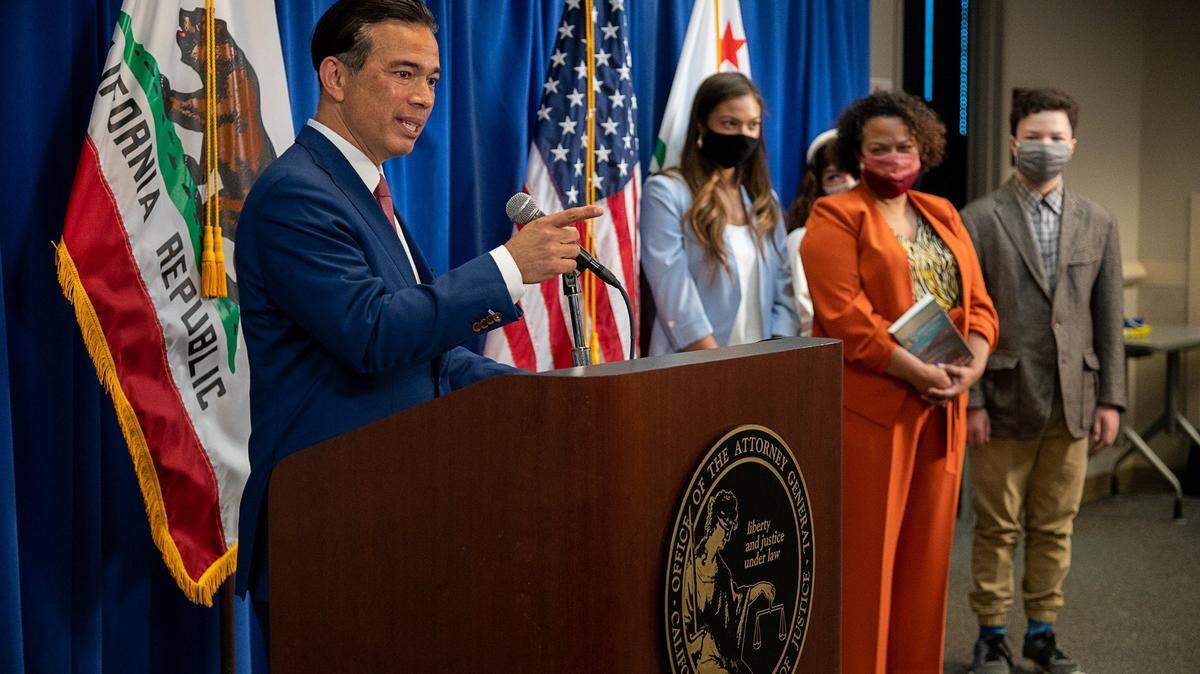
California Attorney General Rob Bonta announced Thursday that California and other states have reached a $6 billion settlement with Purdue Pharma and its founding family, the Sacklers, over their role in the opioid crisis.
“No settlement can reverse the devastating harm Purdue and the Sacklers have caused this country through their illegal practices that led to the opioid epidemic,” Bonta said. “Nearly one million lives have been lost – a number that continues to rise – and more continue to struggle with addiction. This is a crisis that calls not only for accountability from the companies that have caused it, but real relief for the communities working to control it.”
If the settlement is approved by the court, California would receive roughly $486 million as part of the agreement, Bonta said, with the rest going to 49 other states and the District of Columbia. The Sacklers have agreed to allow removal of their family name from buildings and institutions, he said, and they will pay up to $1.675 billion over the $4.325 billion they had previously agreed to as part of Purdue Pharma’s bankruptcy reorganization.
The settlement allows Purdue Pharma to proceed with that bankruptcy plan. California, Connecticut, Delaware, Maryland, Oregon, Rhode Island, Vermont, Washington, and the District of Columbia objected to and ultimately appealed the plan, saying it was inadequate.
The states noted that, even though the Sacklers had never sought bankruptcy protection, the bankruptcy court had approved a plan that prevented states like California from pursuing claims against the family. A U.S. district court judge ruled in December that the bankruptcy court lacked the authority to give this protection to the Sacklers.
The Sacklers have since agreed to pay out more than $1 billion to secure releases from the ten states that objected to the bankruptcy plan, but Purdue Pharma is appealing the ruling.
“Today’s announcement also underscores a key injustice in our nation’s bankruptcy system,” Bonta said. “This settlement is possible only because we fought confirmation of the Purdue bankruptcy plan, which would have given the Sackler’s protection from civil liability through non-consensual third-party releases. Once we threatened that liability shield, the Sacklers agreed to pay an additional billion dollars, underscoring the harm nonconsensual third-party releases can cause, and the uneven playing field they can provide the wealthy.”
As part of Purdue Pharma’s bankruptcy plan, the company would be dissolved or sold by 2024 and the Sackler family would be banned from the opioid business. The Sacklers and Purdue Pharma had withheld many documents that they said were privileged legal advice, but as part of the settlement announced Thursday, they have agreed to release those documents.
Bonta said that nothing in Thursday’s settlement or in the bankruptcy reorganization precludes law enforcement from seeking criminal charges against the Sacklers.
At the request of state attorneys general, a mediator also urged the bankruptcy court to require members of the Sackler family to attend a public hearing where victims or their survivors could speak directly to them.
Prior to the Thursday announcement, the California Department of Justice has helped secure up to $32.5 billion in legal settlements nationwide, including a $573 million settlement with McKinsey & Co. and a $26 billion agreement with opioid manufacturer Johnson & Johnson and distributors Cardinal, McKesson, and AmerisourceBergen. California communities will receive $2.6 billion as part of those agreements.