Union representing 22,000 nurses blasts Kaiser over staff shortages amid contract talks
Hundreds of registered nurses at Kaiser Permanente greeted customers outside their employers’ medical centers Thursday to share their concerns about what they call unsafe working conditions and chronic staffing shortages.
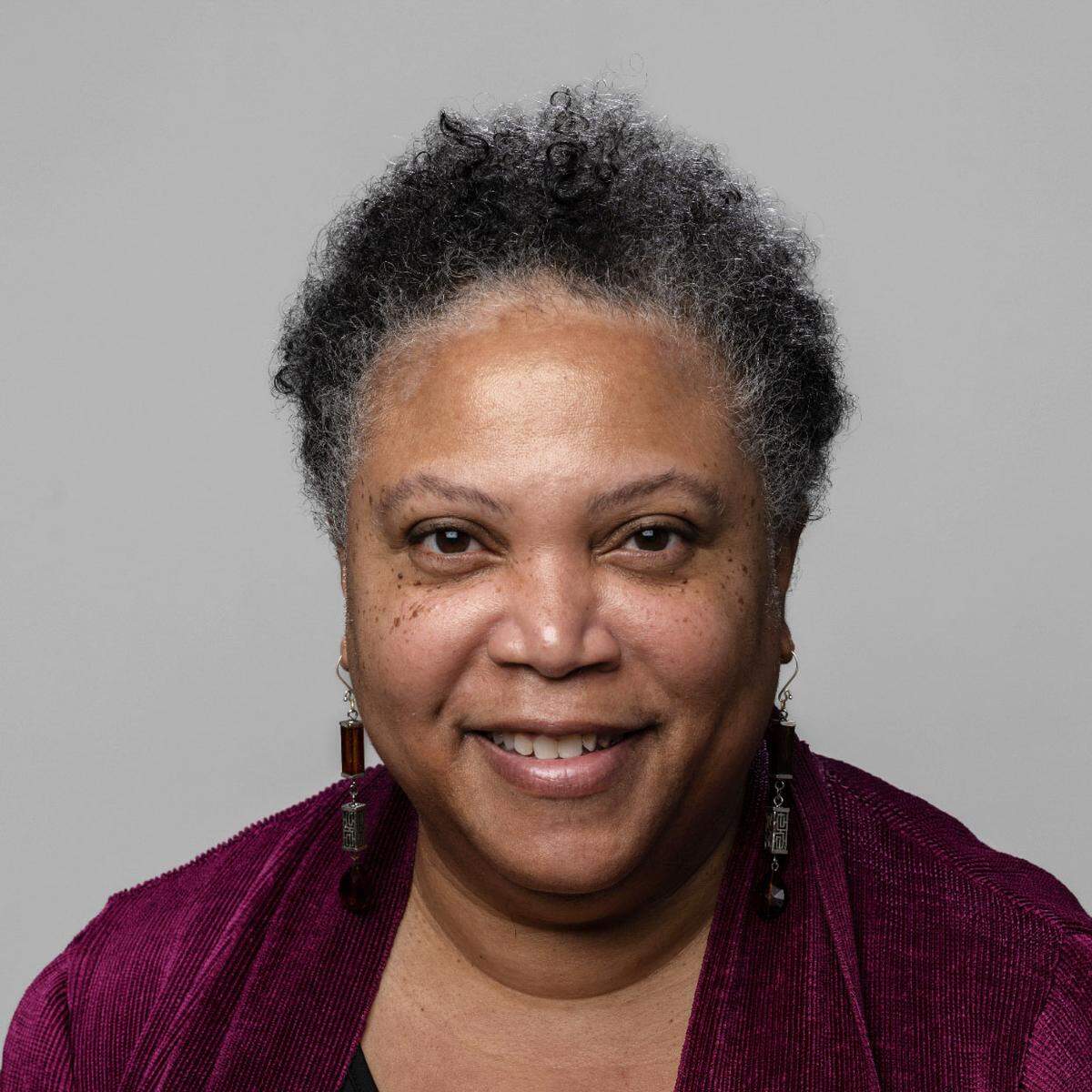
RN Cathy Kennedy, who works in the neonatal intensive care unit at Kaiser’s Roseville Medical Center, said she and about 22,000 other members of the California Nursing Association are fighting to ensure patients don’t face long waits for care in emergency rooms or elsewhere.
“Kaiser made more than $14 billion during the first two years of the COVID-19 pandemic, and yet we are still struggling with chronic short staffing statewide,” said Kennedy, who’s one of the union’s four presidents. “We need more nurses to provide the care our patients deserve. There is simply no reason or excuse for nurses to be short-staffed this long into the pandemic.”
Debora Catsavas, senior vice president of human resources for Kaiser Permanente Northern California, said that Kaiser has not been immune to staffing shortages that have been plaguing many hospitals.
“We hear the fatigue and frustration of our nurses, and we continue to work effectively to hire and retain skilled, dedicated nurses,” she said. “In spite of the acute shortage of nurses in the state, our commitment to being the best place for nurses to work has enabled Kaiser Permanente Northern California to hire 3,288 additional nurses to date since 2021 of which 650 were new graduates ... hired through our nurse residency program.”
While hospitals have cited a shortage of available personnel, nursing professor Linda Aiken of the University of Pennsylvania wrote a 2021 column for the New York Times in which she noted that the supply of nurses in the U.S. is actually robust. There are problems, she said, that simply cannot be remedied by increasing the number of nurses.
“We find ourselves too often with a shortage of nursing care,” Aiken wrote. “Many decades of research reveal two major reasons: First, poor working conditions, including not enough permanent employer-funded positions for nurses in hospitals, nursing homes and schools. And second, the failure of states to enact policies that establish and enforce safe nurse staffing; enable nurses to practice where they are needed, which is often across state borders; and modernize nurse licensing rules so that nurses can use their full education and expertise.”
The nurses’ pickets coincided with a separate strike at Kaiser. About 2,000 mental health clinicians represented by the National Union of Healthcare Workers have been on strike since Aug. 15 as the press Kaiser over working conditions.
Locally, nurses picketed for two hours Thursday at Kaiser medical centers at 6600 Bruceville Road in South Sacramento, 1600 Eureka Road in Roseville and 2025 Morse Ave. in Sacramento. They also picketed at 18 other locations across Northern California and at Los Angeles Medical Center in Southern California.
This informational picketing came one day after the nurses’ union contract expires with Kaiser. The management and union have been bargaining a new labor agreement since June.
Kennedy, who has worked at Kaiser since 1982, said that nurses are concerned that the company has been shifting some acute-care patients to care at home, monitoring their progress via laptop computers or other devices.
On the company website, Kaiser officials said that studies have shown that more patients want to receive care in their homes and the the “advanced care at home” program was created with these individuals in mind.
Nurses also remain concerned about the supply of face masks and other personal protective equipment needed to treat patients with infectious diseases and the availability of company-run training programs like the one that Kennedy said allowed her to become a neonatal intensive care unit nurse.
“We’re putting the pressure on Kaiser to say, if you value the registered nurse,” Kennedy said, “then you need to put into place not only new graduate programs but also cross training opportunities for nurses who want to move from one specialty to the next and also for nurses who may want to come back to the acute-care hospital settings.”
This story was originally published September 1, 2022 at 6:00 AM.