Health insurance for $10 or less? Sacramento leaders trumpet ‘the best deal in town’
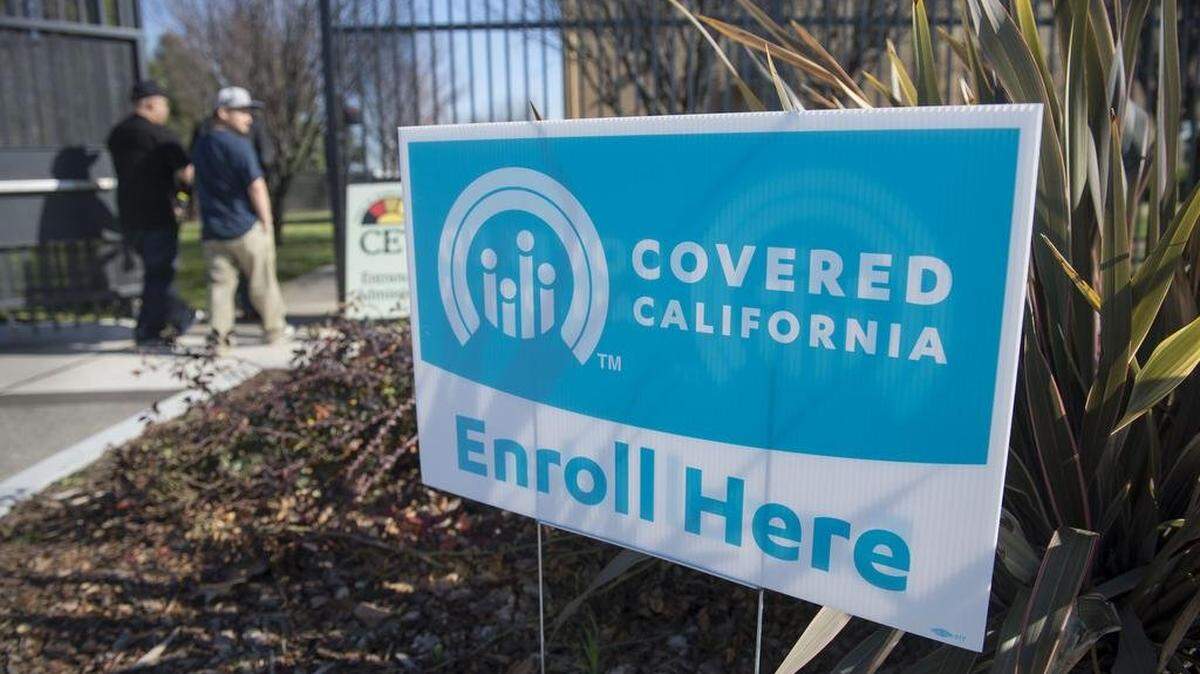
If you don’t have health insurance, you should know that there’s a place you can go starting Nov. 1 to shop and find “the best deal in town” on a health insurance policy.
That place is Covered California, and two-thirds of the 5.9 million state residents who have signed up for a health plan at the site pay a monthly premium of $10 or less for a health plan that covers them if their families experience unexpected medical challenges.
That monthly payment of $10 or less buys peace of mind, said U.S. Rep. Ami Bera, a physician and Elk Grove Democrat who’s had to counsel patients who didn’t have insurance.
“As a doctor, there’s no worse feeling than when you’re sitting there with a patient who has a condition that you want to diagnose,” Bera said. “Maybe it’s a potential cancer or something else, and they’re uninsured, and you can see the struggle on their face where they’re trying to figure out: ‘Hey, I gotta pay my mortgage or I’ve got to put food on the table. How do I pay for this test?’”
Bera and other elected and appointed leaders spread the word Tuesday about the start of open enrollment for health insurance at an event at Sacramento’s California State Library.
The sign-up period begins Friday and ends Jan. 31, 2025.
Open enrollment is the one time of year when Californians can sign up for insurance coverage without the need for a qualifying reason such as a job loss or a new baby.
In the Sacramento region, 125,000 residents are uninsured, even though 63,000 of them are eligible for Covered California subsidies and 62,000 can get Medi-Cal coverage at no cost, said Jessica Altman, the executive director of Covered California.
Nearly 90% of Covered California enrollees receive state or federal financial assistance to pay their health care premiums. Statewide, more than 1.3 million residents are uninsured.
Covered California insurers offer four different levels of health insurance coverage: Bronze policies cover 60% of average annual costs; silver, 73%; gold, 80%; and platinum, 90%. With silver plans, costs may be lower based on household income. Enrollees qualify for free preventive care.
Many premiums cost about as much as a movie ticket
For the price of a movie ticket, said U.S. Health and Human Services Secretary Xavier Becerra, many Sacramento-area parents can ensure that they can take their child to the doctor or hospital when there’s an emergency. He described the monthly premiums of $10 or less as “the best deal in town.”
Congress approved enhanced premium tax credits in 2021 that are available through next year, Altman said, but that extra assistance has to be re-authorized in 2025 to ensure it will still be there in 2026 and beyond.
Although millions have recognized that Covered California offers bargains for health insurance coverage, Altman said that her agency’s research shows that there are thousands who still aren’t aware of what Covered California actually does, how health insurance works or how to maximize their plan benefits.
This lack of health literacy, she said, means that many Californians are missing out on a deal that could reduce their stress and improve their well-being. That’s why Covered California is teaming up with the California State Library and a network of hundreds of local libraries around the state to educate potential enrollees.
“California libraries are community anchors that provide information, programs and community connections to millions of people of all ages,” said California State Librarian Greg Lucas “On behalf of the state’s 1,027 local libraries, the State Library looks forward to working with Covered California to connect consumers with the resources and pathways they need to find the right health coverage.”
Sign up by Dec. 31 to start coverage on Jan. 1
Consumers must sign up by Dec. 31 to get coverage that starts Jan. 1. Those who sign up in January won’t have coverage until Feb. 1. To keep policies active, premiums must be paid on time.
When consumers are enrolling, they should have proof of identity, proof of citizenship or immigration status, proof of income and a proof of social security number. If you don’t have these documents, that doesn’t mean you don’t qualify for coverage. Call Covered California or seek assistance from an enrollment counselor.
The Affordable Care Act created a federal marketplace and state-based exchanges like Covered California where insurers are allowed to sell only policies that meet mandated standards, said U.S. Rep. Doris Matsui, D-Sacramento, who worked on the legislation.
Gone are the days when insurers can discriminate against people who have pre-existing conditions, and they must offer policies that allow parents to continue coverage of college-age students, she said.
This year, the Biden-Harris administration granted 2025 eligibility to young immigrants who have been granted temporary protection from deportation and work authorization through the Deferred Action for Childhood Arrivals, or DACA, program. Estimates indicate there are about 40,000 DACA recipients in California who qualify for coverage. In addition, Covered California will also have a special-enrollment period for DACA recipients that begins Nov. 1, allowing them to sign up for coverage starting in December as well as enrolling for 2025.
There are a variety of ways to sign up for coverage: The Covered California website, for instance, provides a shop and compare tool for do-it-yourselfers. Some people prefer the human touch and weigh the decision with an insurance agent or an enrollment agent at a community-based organization. Others call Covered California or use the agency’s online chat function to get help.
The way to get this kind of financial help is to apply for coverage through Covered California. A premium tax credit is based on your income and household information. People with incomes between 100–400% of the federal poverty level (FPL) qualify for a tax credit to lower the monthly cost of health insurance.
This story was originally published October 30, 2024 at 5:00 AM.