What bug bit me in California? Pest control expert explains what to look for
AI-generated summary reviewed by our newsroom.
- Environment often indicates culprit, not appearance of bug bite alone.
- Mosquito, flea and bed bug bites remain most common across California.
- Clean, avoid scratching and monitor bites for infection or allergic signs.
After a long day out and about in California, you may notice a few bug bites on your leg.
What caused those red, itchy bumps? Was it a mosquito, a spider or something worse?
In California, there are three common culprits behind most bites, according to pest expert Stephen Tahija, owner of Next Generation Pest Control in Manteca.
“Mosquitos, fleas and bed bugs are your big three,” he said.
Here’s how to tell what bit you and the best ways to treat bites from insects and arachnids:

How can I tell what bug bit me?
Tahija said it can be difficult to tell what bit you, since many bug bites typically look like the same.
“Everyone reacts differently,” he said. “There’s no common way to tell by appearance. It’s actually based on location on your body.”
He said that your environment can offer a few clues.
For example, you’re more likely to have been bitten by mosquitoes if you’ve been near standing water, including wet grass and clogged gutters, or spent time at the lake.
Flea bites could be the result of pets, stray dogs and cats or wildlife such as raccoons or coyotes hanging around your home.
“Bed bugs are only caused if you bring them into your home. It’s the only way to get them,” Tahija said. “That includes if you have a friend over.”
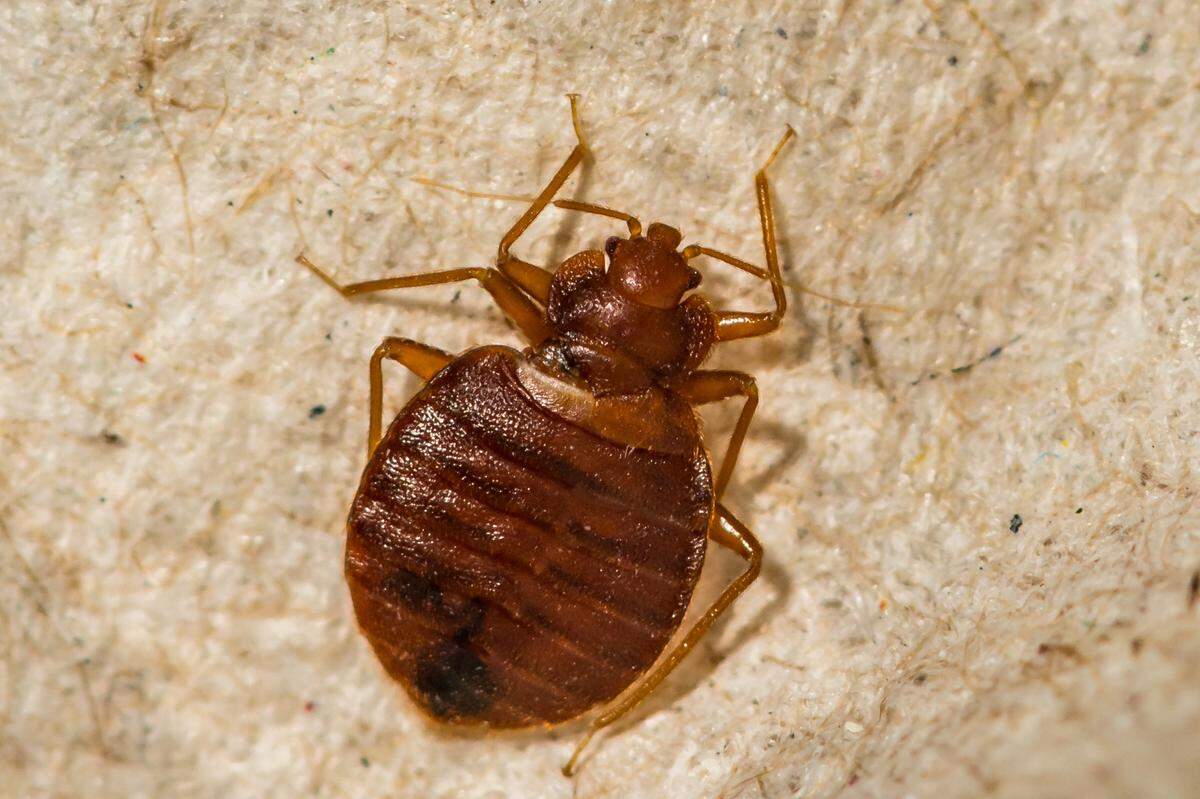
What do bed bug bites look like?
Bed bug bites can cause red rashes, welts, swelling or appear in clusters or straight lines, Tahija said, adding that the biggest clue is where the bites show up.
“If it’s on your upper respiratory system, including (your) neck, face, chest or arms, it’s a bed bug bite,” he said.
Other signs of bed bugs include “rusty or reddish stains on bed sheets or mattresses” or small, dark spots on the fabric, the U.S. Environmental Protection Agency said on its website.
“It looks almost as if someone took a pen and started putting dots around your bed,” Tahija said. “Those are their droppings.”
Bed bugs are active year-round, experts say, but they tend to be more common around the holidays when people have guests staying over.
If you’re getting bitten while in bed but the bites aren’t on your upper body, Tahija added, you might be dealing with carpet beetles instead.
“Carpet beetle larvae have tiny hairs that can irritate your skin and cause reactions that look just like bug bites,” Tahija said.
Adult carpet beetles are small, oval-shaped insects about one-eighth of an inch long.
“Their colors can vary, but they’re often tan or red,” Tahija said. “Carpet beetles are more common in the spring. That’s when everyone is gardening and bringing plants indoors not knowing they can have carpet beetles.”
What are common flea bite symptoms?
Flea bites look like red spots surrounded by reddened halos, according to Cleveland Clinic.
“Flea bites are always going to be on your legs from your knees down,” Tahija said. “That’s the area that they stick to.”
Flea bites can also happen year-round.
“There’s no real season for them,” Tahija said. “It all depends on the population of stray animals and abandoned houses. Those attribute to fleas.”
Unless the infected animal receives treatment to remove fleas, he said, the tiny pests will reproduce rapidly.
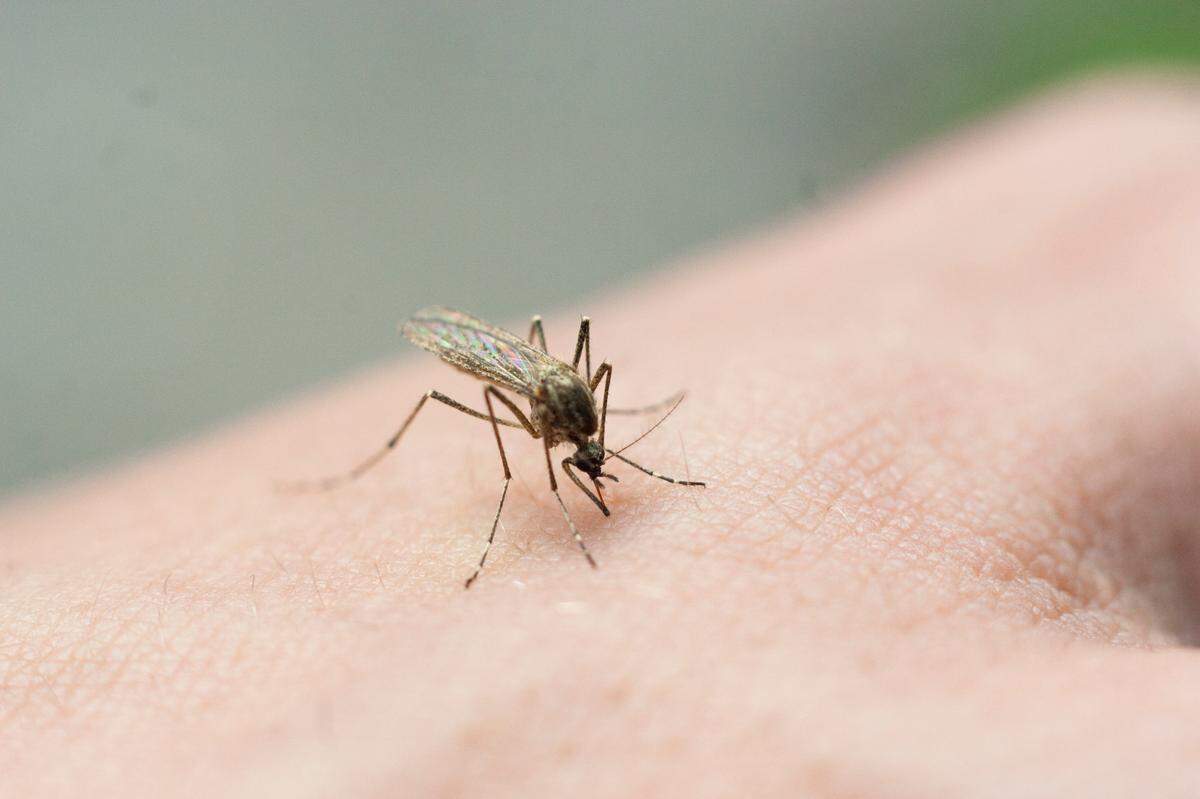
How can I tell if a mosquito bit me?
Mosquitos will “bite you anywhere,” Tahija said, adding that “mosquito bites can happen year-round.”
Mosquito bites appear as puffy red bumps, with a red dot or blister in the center.
Whether mosquitoes are a big problem in California depends largely on the weather.
“If California has had a lot of rain or standing water, mosquito activity goes up,” Tahija said. “A drier year means you’ll see fewer mosquitoes.”
How do I treat mosquito, flea and bed bug bites?
If you’re bitten by a bug, Tahia said, “The first thing you should do is clean the infected area with soap and water.”
“Icing it will also be your biggest relief,” he added.
You should avoid scrathing the bite as that will make the bite worse.
“By scratching it, you are increasing the swelling and itchiness,” Tahija said.
Over-the-counter remedies, such as antihistamines and hydrocortisone cream, can also help ease bug bite symptoms, but treatment can vary depending on how your body reacts.
In most cases, bug bites aren’t serious — but it depends on the type of bug and whether it can carry disease.
“Mosquitoes, ticks and fleas can spread illnesses like West Nile virus or Zika (virus),” he said.
After a bite, be on the lookout for signs of infection, a spreading rash or fever.
“That’s when people should address the issue and go see a doctor,” Tahija said.
What are other insects to look out for in California?
According to pest company Orkin, here are other bug bites to look out for in California:
- Ant: Bites typically cause redness, swelling and moderate pain. In some cases, bites can trigger allergic reactions, such as sneezing or trouble breathing — especially in people who are allergic to bee or wasp stings.
- Blister beetle: Bites can cause blisters or welts within hours. To avoid irritation, it’s important not to crush the beetle on your skin and instead gently remove it.
- Brown recluse spider: Bites often cause redness, swelling and sometimes a blister, with symptoms including itching, skin sores, fever, nausea and muscle pain.
- Fire ant: Bites usually appear as red welts or bumps that can turn into blisters, often forming a semi-circle pattern, and cause a painful burning or stinging sensation.
- Horsefly: Bites typically result in a bleeding red bump that is painful, itchy and sore. Bites can become infected if not properly treated.
- Lice: Bites usually appear as bumps in areas with body hair and can cause bluish skin reactions. Symptoms include intense itching and the presence of tiny white eggs in the hair.
- Spider: Bites usually show two small puncture marks, with symptoms varying by species. Some bites can cause cramps, sweating and rash, while other bites can cause fever and nausea.
- Tick: Bites appear as red bumps and sometimes a bullseye rash associated with Lyme disease, causing itching and burning. Be alert for fever, headache and fatigue, which could signal infection.