
Will Congress limit the cost to consumers of life-saving EpiPens?

AI-generated summary reviewed by our newsroom.
- Legislation would cap epinephrine costs at $60 for a two-pack nationwide.
- Proposed cap aims to reduce out-of-pocket costs for 33 million allergy patients.
- Bill mirrors 2022 insulin cap, shifting cost burden to drugmakers, not taxpayers.
Looking for financial relief from the cost of life-saving EpiPens for people at risk of severe allergic reactions? Members of Congress are considering helping.
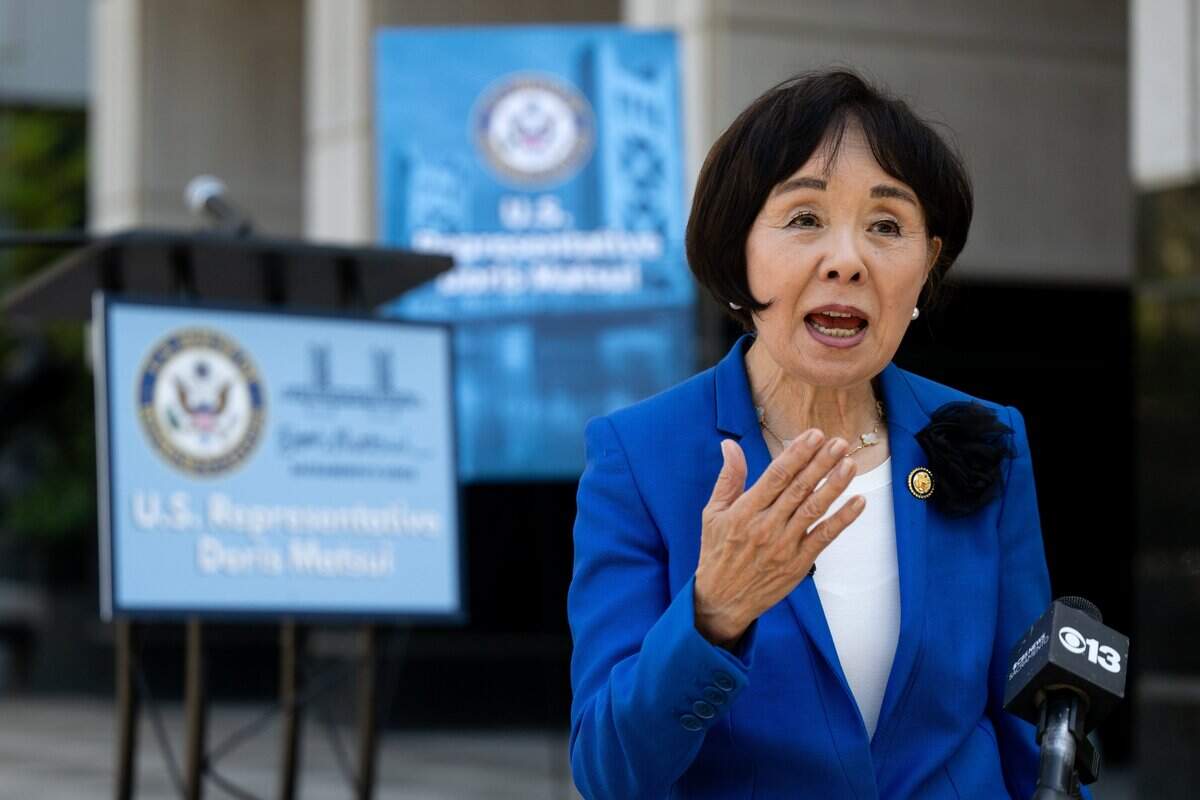
A proposal by Reps. Doris Matsui, D-Sacramento, and Maxwell Frost, D-Florida, would limit out-of-pocket costs for EpiPens — $60 for a two-pack rather than $100 or more depending on insurance coverage — and other methods of dispensing epinephrine.
Matsui got involved as she watched her grandson cope with a severe peanut allergy.
Four years ago, she was one of those who successfully pushed hard for the FASTER Act, which now requires that sesame be labeled as an allergen on packaged foods.
She tried last year to pass legislation to limit costs for EpiPens, syringe-based auto-injectors, but it went nowhere. This year’s version also includes all epinephrine delivery systems, including nasal sprays and sublingual films, which are taken orally..
The cost of auto-injectors can range from $100 to $700, according to Nissa Shaffi, director of advocacy at the Allergy & Asthma Network, which supports the bill. About 20 million Americans have food allergies, and 225 people die every year from anaphylaxis after severe reactions to food, insect stings or bites, medications or other substances.
People who are at risk of severe allergic reactions are advised to carry EpiPens with them at all times.
Like all medication, epinephrine in all its methods of delivery has an expiration date and has to be replaced once it passes the effective date.
Hundreds of dollars in costs
Supporters of the bill estimate that even insured people deal with annual costs totaling $650 due to high deductibles.
Matsui’s office estimates that families could save up to hundreds of dollars each year and as much as $13,000 while a child uses their parents’ insurance.
AHIP, the industry trade group, sent The Bee this statement:
“No one should be priced out of access to life-saving medications, yet drugmakers continue to set and raise their exorbitant prices unchecked,” it said.
“While drugmakers relentlessly lobby for a blank check to continue overcharging Americans, health plans will continue to work constructively with policymakers to support commonsense, bipartisan reforms to lower drug prices, including cracking down on drugmakers’ anticompetitive practices.”
PhRMA, the trade group of biotechnology and biopharmaceutical research firms, did not comment.
Matsui’s office maintains that limiting the cost won’t mean dipping into the U.S. treasury.
Such caps on expenses have a recent precedent. George Hatamiya, Matsui’s spokesman, noted that Congress approved capping insulin costs at $35 per month for seniors under the 2022 Inflation Reduction Act, which also allowed Medicare to negotiate some drug prices.
“The EpiPen Act builds on that same principle. Big Pharma would have to absorb the brunt of the cost difference here rather than the food allergy families who sacrifice every day to afford something that is a necessity,” he said. “There’d be no direct cost to the government.”
.jpg)