Food aid is back but SNAP shutdown scare weighs on California college students
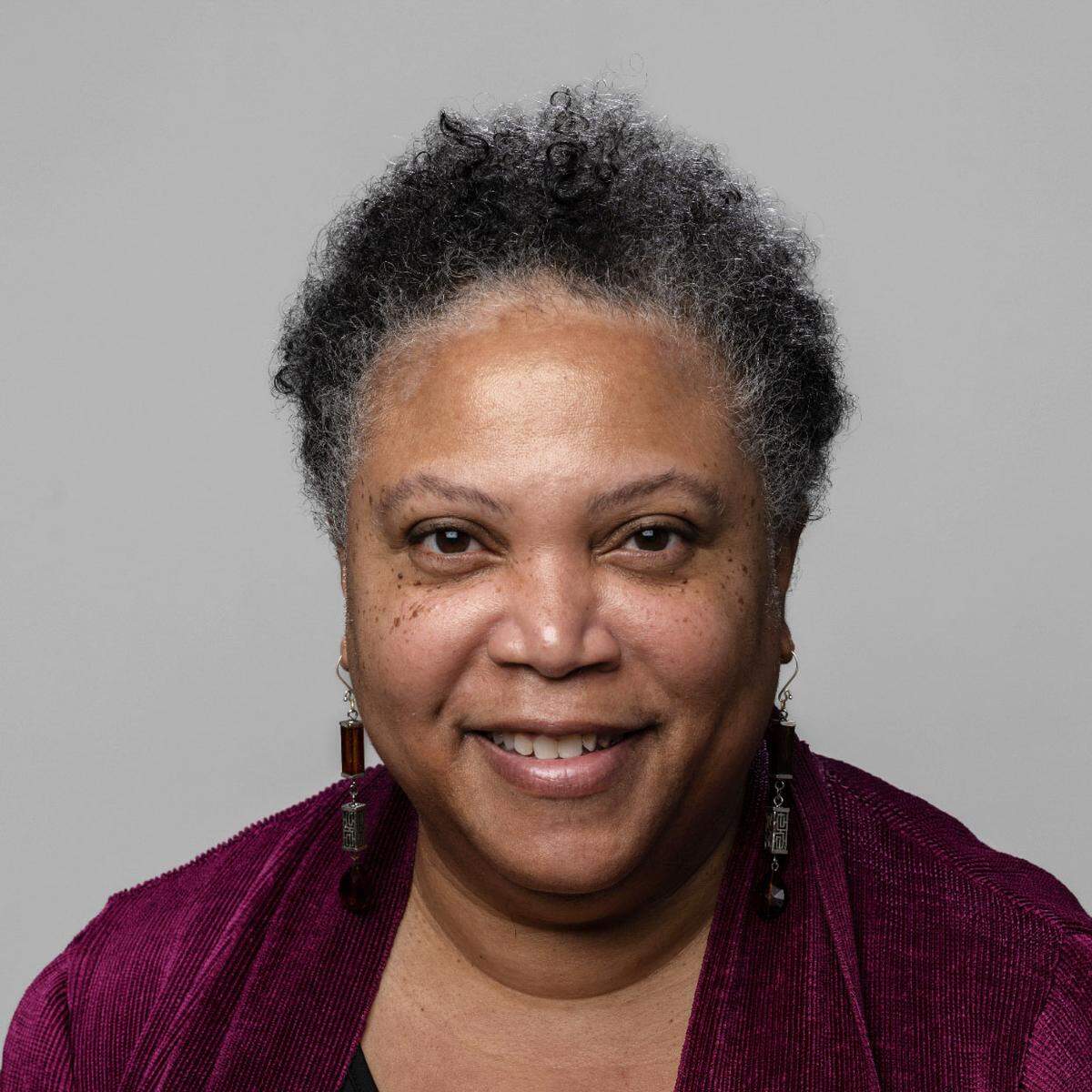
The day before Halloween, with rent due and the cupboards thinning, 30-year-old UC Santa Cruz student Erin Clews took her last $40 and made a strategy run.
She grabbed a mega-bag of pizza rolls — “like 130 pieces” — a big pack of ramen, some milk for herself and her two sons. As the end of the month approached, she was trying to stretch those groceries until Nov. 10 when she usually sees her CalFresh benefits, California’s version of SNAP, load on her card.
The federal shutdown is over, and the money once again flowing. But for Clews and thousands of other California college students, the whiplash of almost losing that assistance is reshaping how they think about school, parenting and the state’s most important anti-hunger program.
“This was a really stressful event, and it made me realize this could happen any time,” Clews said. “It really impacts how we will navigate moving forward.”
A federal judge ordered the Trump administration to fully fund November SNAP benefits despite the shutdown, rejecting a plan to cover a fraction of the usual aid.
California rushed to disburse payments, and Clews had hers by Nov. 10, the same date that Congress passed a compromise to reopen the federal government. That deal protects full SNAP funding through Sept. 30, 2026.

Clews, a fourth-year history major, is grateful but wary.
“I would urge other people in similar situations to myself, even those who aren’t, to really get involved and invested in their communities to figure out what resources are available but also how to support each other and ensuring no children face the threat of a hungry stomach,” she said.
Clews walks the talk, drawing on her experience in California’s foster youth system to press for changes to institutional policies that often overlook the realities facing low-income students. In 2023, for instance, she worked with John Burton Advocates for Youth to help pass Assembly Bill 789, allowing students to cite major life responsibilities and hardships when appealing financial aid decisions based on academic progress.
Student mom vows to never let kids go hungry
Her path to this forested hillside campus is paved with the kind of disruptions that policymakers often talk about in the abstract.
She aged out of foster care while she was still in high school, “pretty much ... immediately pregnant, immediately homeless.” She tried community college at Ventura College in her late teens while working full-time and raising a newborn, then dropped out under the weight of it all.
For years, she cycled through low-wage jobs — restaurants, coffee shops, retail, even dental assisting.
“I feel like with my older son, I pretty much missed the first four years of his life because I was working, and when I had my second one, I felt determined that I didn’t want to do that,” Clews said.
Still, at University of California, Santa Cruz, she still works to make ends meet. During the COVID-19 pandemic, she made late night DoorDash deliveries while juggling her classes and home-schooling one of her sons.
CalFresh has been the constant in that decade-plus of scrambling. She first signed up at 18, after leaving a group home and moving to Los Angeles.
“I was struggling on every single front and needed any help I could get,” she said. “Because I was technically homeless, I was able to get hot food at certain restaurants in L.A. That was really helpful to me because I didn’t necessarily have a place to cook.”
Today, as a student-parent in Santa Cruz County, that benefit is bigger but still not enough. Her monthly CalFresh allotment was recently reduced from around $1,000 to about $730 as she hit time limits on assistance, a change that came about two months ago.
“It’s definitely not enough to completely feed us,” she said. “I have two young boys who regularly eat us out of the house, so I definitely always have to supplement it. But Santa Cruz is also a very expensive place to live.”
Every month, Clews said, she has typically used her entire CalFresh benefit by the end of the third week. This is a common occurrence, said south Sacramento nonprofit leader Jackie Rose, who runs a food pantry where many families come to get the groceries they need to survive until the next month’s benefits arrive.
Food is just one piece of a tight budget that also has to cover a car payment of more than $300, auto insurance and a phone bill that is a little more than $100., Clews said. When the shutdown threatened to pause her food benefits on Nov. 10, she started doing mental triage.
“My biggest thing right now that I would have to consider not paying is probably my car payment and my phone bill,” she said. “My kids need to eat.”
When she talks about them, her voice breaks.
“I will skip every meal ... so that they can have a little bit more,” she said, before dissolving into tears. “I don’t talk to them about this stuff. They have no idea that this is going on. I want them to be able to go into the cupboards, and there’s always food there. ... I never want them to go hungry.”
The shutdown scare is over, but Clews’ fears aren’t: “Who’s to say they don’t take it all away?”
414,000 students were at risk of losing CalFresh
Roughly 414,000 California college students received CalFresh in the 2022-23 academic year at community colleges, a California State University campus or a University of California campus, according to new research from the California Policy Lab and the California College Data and Policy Project.
That amounts to about one in seven community college students and one in five UC and CSU undergraduates.
Many, many food-insecure students do not receive CalFresh assistance, though they may be eligible. Half of students surveyed at California community colleges and in the CSU system reported being worried about where there next meal would come from.
In that context, even a monthlong pause in CalFresh benefits could determine whether students stay enrolled at all, said Emily Tupper, a licensed social worker director of Sacramento State’s Crisis Assistance and Resource Education Support center. She said demand for food resources remains high at the new basic needs center she leads.
“When you’re really worried and thinking about where your next meal comes from ... it really makes your academic journey more complicated,” said Tupper, director of crisis assistance and resource education support, or CARES, and campus wellness . “That continuous stress of your basic needs really has a deleterious effect on your physical and emotional health and overall well-being.”
The shutdown didn’t create student hunger. Rather, it exposed how precarious the safety net is.
“We remain on alert to support our students who are experiencing food insecurity, and continued uncertainty even after the SNAP benefits have been issued,” Tupper said Monday.
The Foundation for California Community Colleges reported similar concerns about hunger among its student population, and spokesperson Elisa Smith said the nonprofit partner of the state’s 116 community colleges has not dialed back the emergency fundraising drive it launched when it looked like CalFresh payments might stop.
The deal in Washington means Clews can exhale a bit.
If CalFresh flows smoothly through next year, she said, “I won’t have the fear and anxiety of whether I’m gonna have enough to eat.”