Sacramento’s Sutter brings new therapy to treat hard-to-beat depression
AI-generated summary reviewed by our newsroom.
- Sutter Health launches SAINT electromagnetic therapy in Sacramento for refractory depression
- SAINT delivers targeted MRI-guided magnetic pulses across five days, accelerating response
- Local capacity limited; Sutter and UCD expect demand to exceed three new weekly slots
Sutter Health is bringing a new, faster treatment for serious depression to the Sacramento region, the first local health system to introduce the SAINT electromagnetic treatment developed at Stanford University.
SAINT, short for Stanford Accelerated Intelligent Neuromodulation Therapy, uses magnets to gently stimulate a small part of the brain linked to depression. It is meant for adults whose depression has not improved after trying at least two antidepressant medicines.
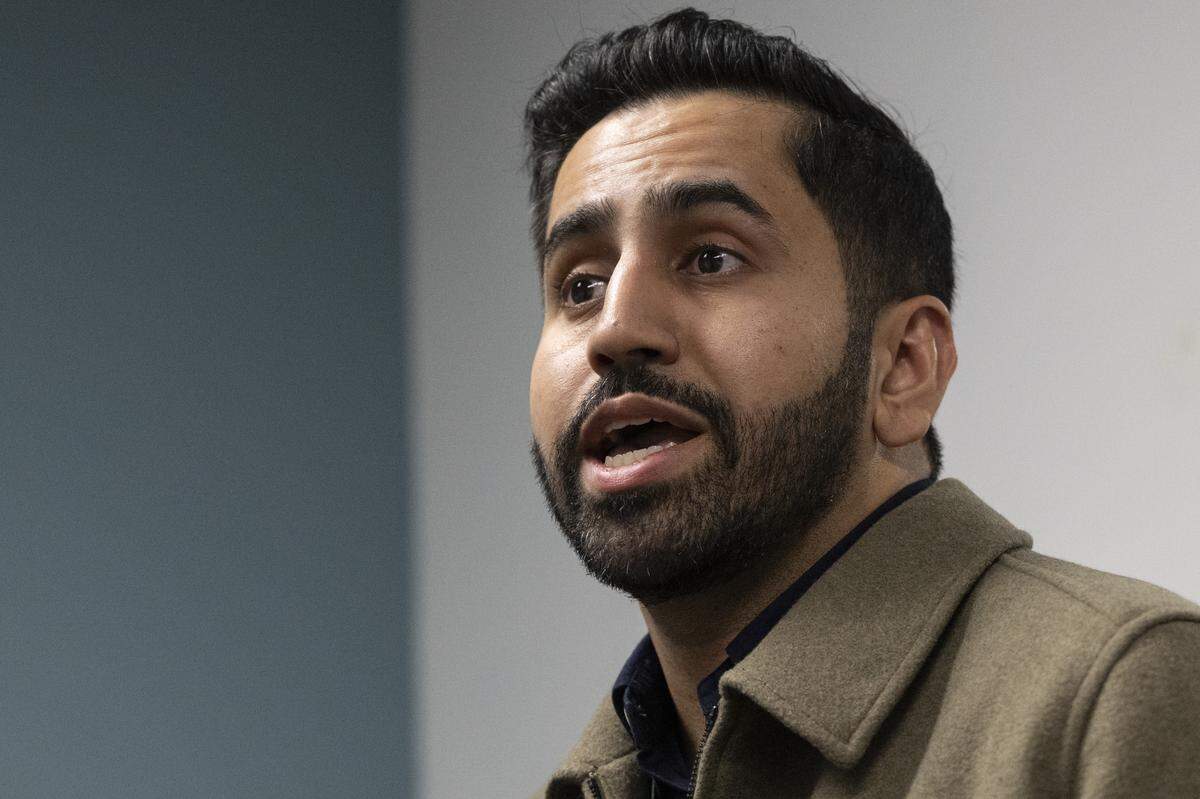
“This is a way for us to take advantage of the way your brain is wired,” said Dr. Hammad Khan, the director of interventional psychiatry at Sacramento’s Sutter Center for Psychiatry. “It helps us start to turn the lights back on. We’re creating connectivity. We’re creating energy connections between different parts of the brain where we’re able to get you functioning again.”
A second local health system, UC Davis Health, will start offering the treatment early next year, said Dr. Debra Kahn, the director of the UCDH Advanced Psychiatric Therapeutics Clinic at 3301 C St. in the East Sacramento neighborhood.
Khan said his psychiatric hospital, located at 7700 Folsom Blvd., is ready to start treating patients now, making it only the eighth site in California with this technology. Often, he said, his team sees a surge of patients who realize during the holidays that their medication regimen just isn’t helping.
“We often see folks much, much too late in the process,” Khan said. “They perhaps have been suffering for weeks and months, if not years ... Our advice to them, often is, let’s get you in faster. Let’s talk to you about options.”
Because SAINT has been so effective, Dr. Helen Kales, chair of psychiatry and behavioral sciences at UC Davis Health, said she expects the demand for this treatment to quickly outstrip the number of patients that both Sutter and UCD can accommodate: three new patients a week.
Roughly 70% to 80% of patients treated with the technology have gotten better, results that are far better than with traditional transcranial magnetic stimulation, or TMS, or with some electroconvulsive therapy, or ECT.
Many patients opt for SAINT because it delivers results faster, but patients may have to pay thousands of dollars out of pocket to cover the costs since many commercial insurers do not yet cover it. Medicare, however, does.
With traditional TMS, patients go through one 20-minute session a day for about 35 visits. It can be difficult for someone with severe depression to motivate themselves to continue until they experience changes, said Khan, because that might not come until they’re halfway through the treatment.
With SAINT, patients undergo treatment for just five days, getting 10-minute bursts of magnetic pulses hourly for 10 hours a day. SAINT is the commercial version of a Stanford treatment approach developed by Dr. Nolan Williams. He also suffered from depression and died by suicide in October.
Williams made a monumental contribution to understanding and treating depression, Khan said, and his loss is profound for the profession. As Williams was studying accelerated TMS treatments, Khan said, he and his team realized that the brain needed breaks between treatments to rest and respond to the treatment.
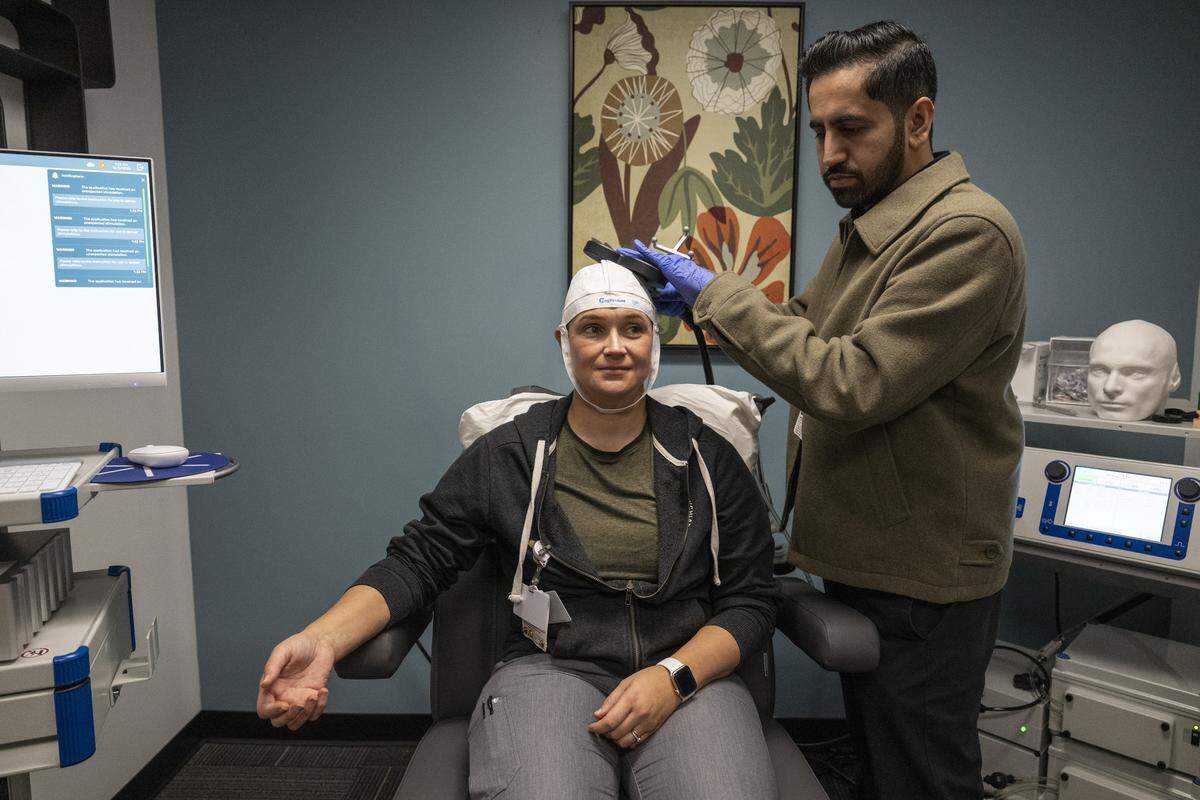
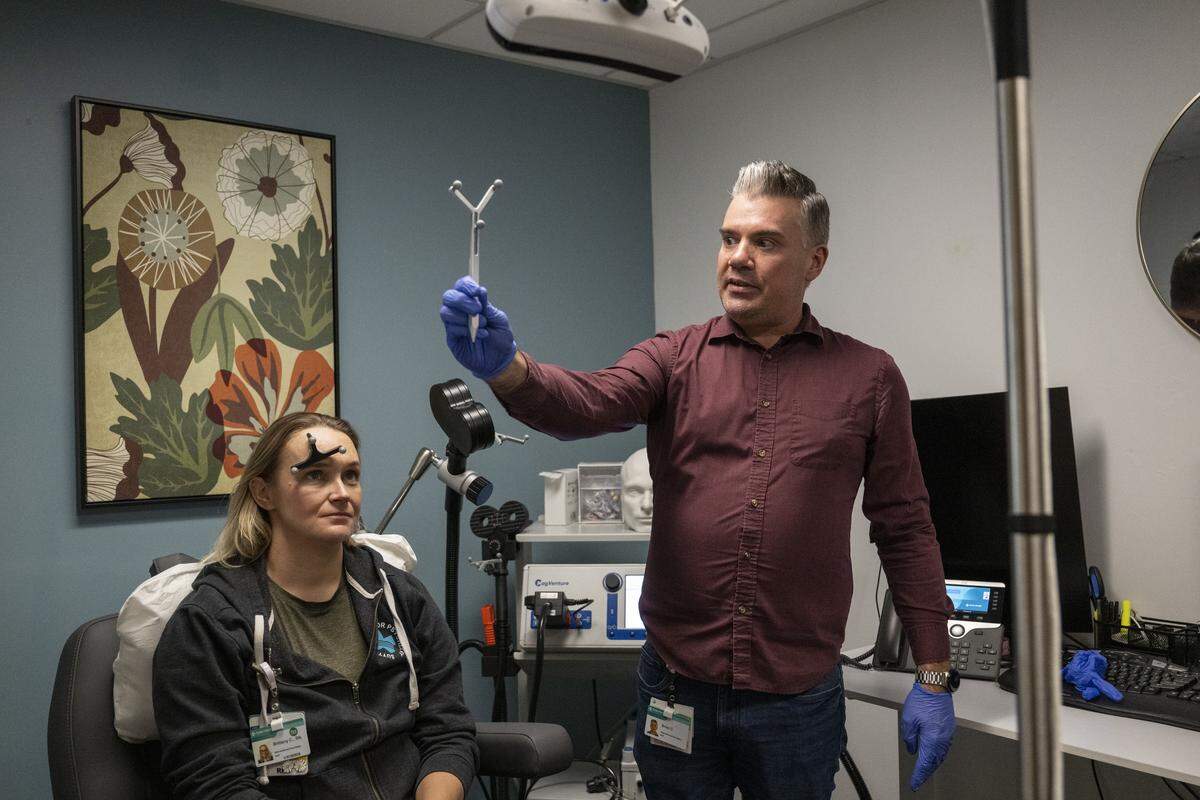
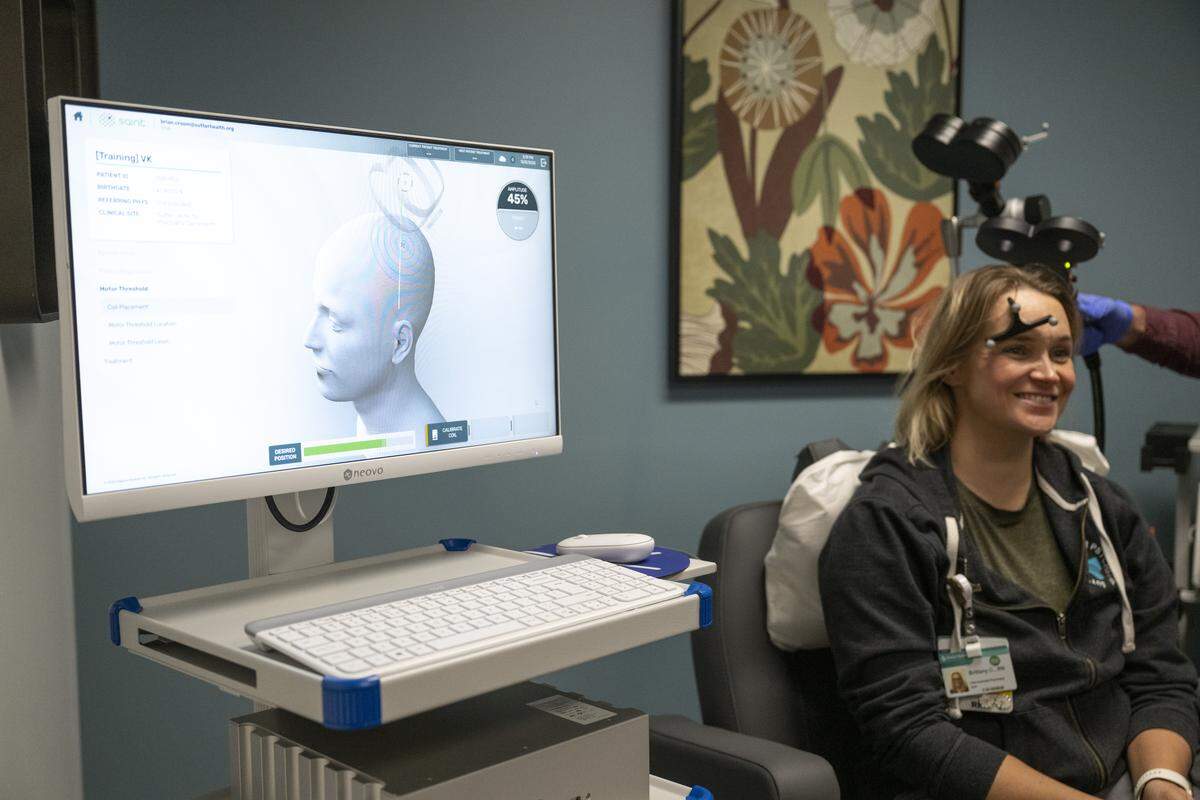
With SAINT, researchers use MRI’s to pinpoint the precise area of each patient’s dorsolateral prefrontal cortex to treat, Khan said, and it’s uploaded for computer analysis. They also do a mapping process, using test pulses to map the part of the brain that controls movement. If the spot is correct, a patient’s hand or thumb may twitch.
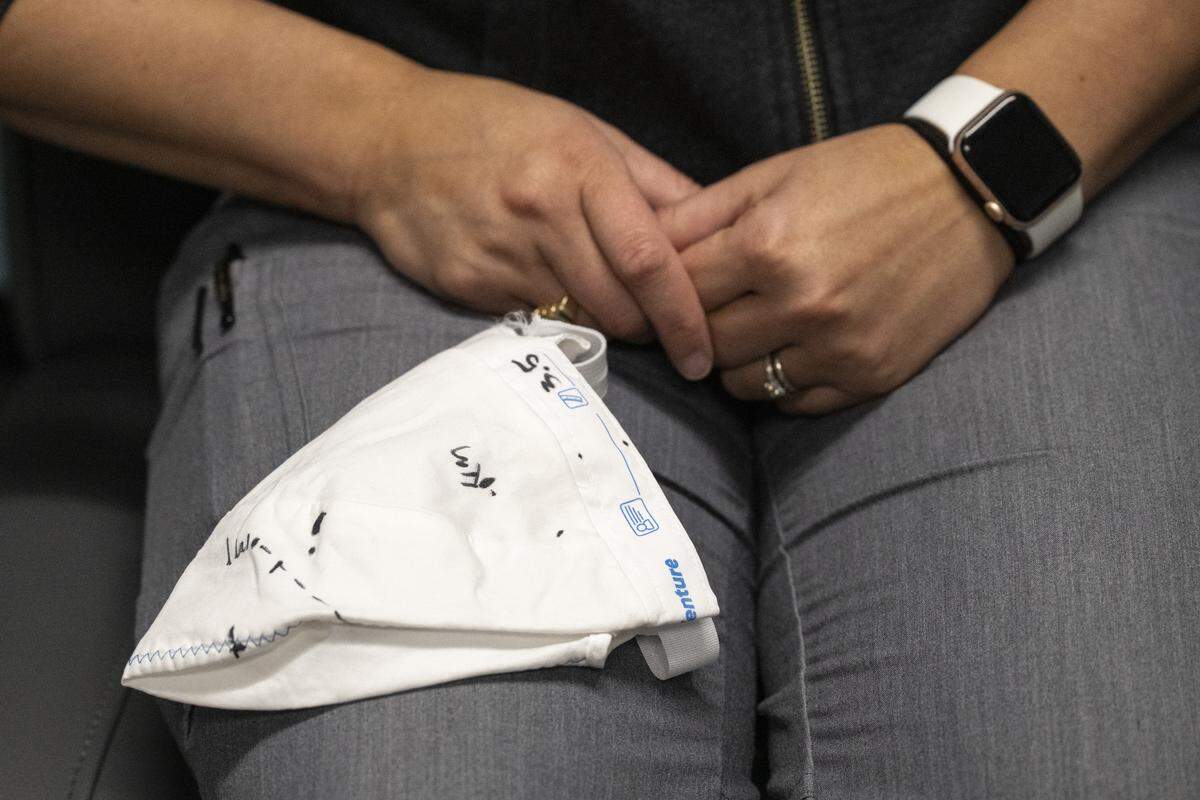
That’s what happened as Khan demonstrated the technique on registered nurse Brittany Chik.
It’s “almost like a tap on my head,” Chik said. “It makes me giggle when my hand twitches.”
Usint both the MRI and the mapping technique, Khan said, doctors know exactly what strength of pulses to deliver and where to deliver them, no matter how the patient is sitting in the chair.
During SAINT treatment, a patient sits in a chair with a paddle containing a magnetic coil placed near their head. The coil sends a sequence of brief magnetic pulses that affect brain activity without surgery and without putting the patient so sleep.
“It’s totally noninvasive,” Khan said. “It’s something that’s delivered while you’re fully awake. A lot of folks are listening to music, perhaps reading a book, watching television while they’re doing this.”
This story was originally published December 9, 2025 at 3:48 PM.