
Why is the air unhealthy in Sacramento? What the air quality index says
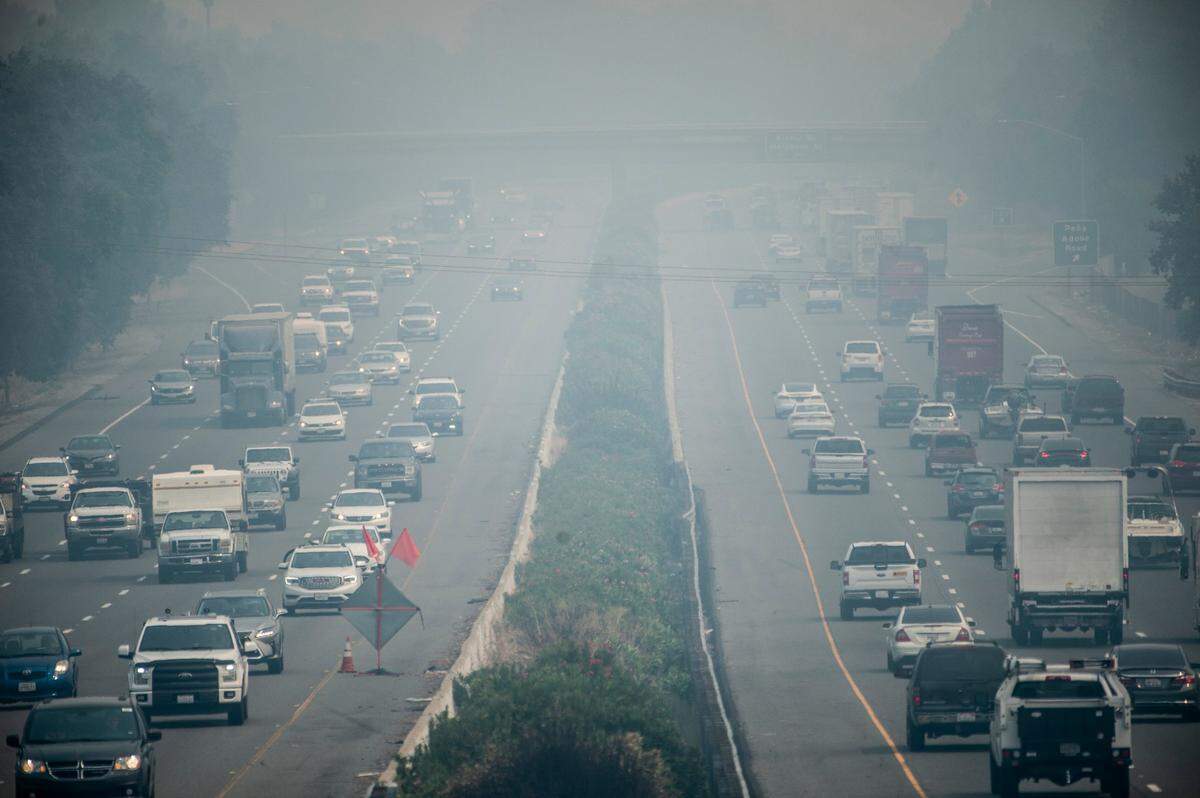
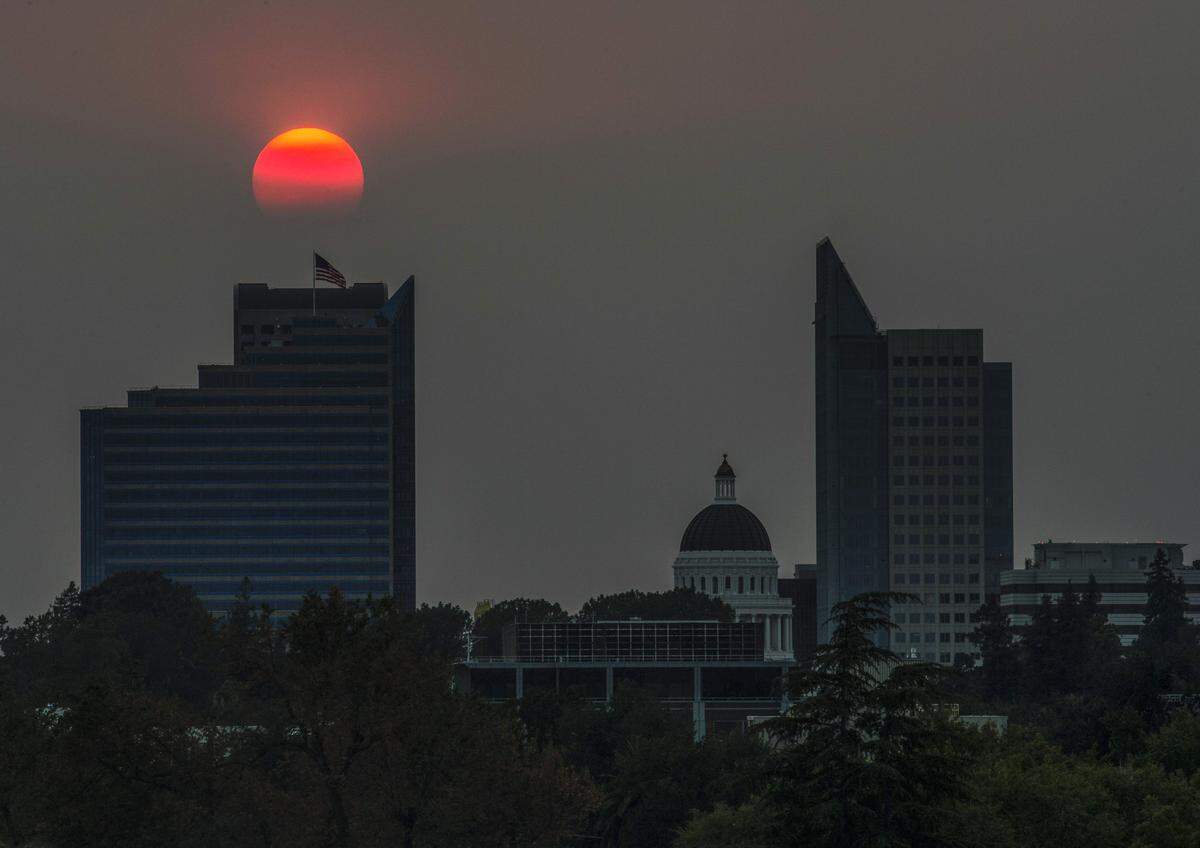
The Sacramento area woke up to a sheer haze permeating the Valley air, thanks to fine pollutants settling near the ground.
According to IQAir, the county’s air quality was “unhealthy for sensitive groups” on Thursday morning, due to fine particulate matter. Sacramento County also put a wood burning restriction into place for Thursday in response to the poor air quality.
Here’s what you should know.
How does the air quality index work?
Air quality is measured by the density of certain pollutants in the air. The Air Quality Index, the U.S. metric for pollutants, identifies the risk of harm from air pollution.
The index uses six categories of hazard based on pollutant density and assigns the air a specific number based on how harmful a pollutant’s density may be to humans.
According to the federal government’s AirNow program, these are the levels of risk for air pollution:
- Good: Index level 0-50. Air quality is satisfactory and air pollution poses little or no risk.
- Moderate: Index level 51-100. Air quality is acceptable. However, there may be a risk for some people, particularly those who are unusually sensitive to air pollution.
- Unhealthy for sensitive groups: Index level 101-150. Members of sensitive groups may experience health effects. The general public is less likely to be affected.
- Unhealthy: Index level 151-200. Some members of the general public may experience health effects; members of sensitive groups may experience more serious health effects.
- Very unhealthy: Index level 201-300. Health alert: The risk of health effects is increased for everyone.
- Hazardous: Index level 301 and above. Health warning of emergency conditions: everyone is more likely to be affected.
On Thursday morning, the fine particulate matter level was above 100 points, placing it in the “unhealthy for sensitive groups” category, according to IQAir. By the afternoon, the pollutant density lowered enough to re-classify the air quality to “moderate,” IQAir reports indicated.
What causes poor air quality?
A variety of pollutants can reduce the air quality, according to the Sacramento Metropolitan Air Quality Management District.
In the capital region, ground-level ozone and particulate matter are the two most common pollutants, the district said on its website.
On Thursday, fine particulate matter, was the primary cause of the unhealthy air. According to the Sac Metro Air District, this type of particulate can include irritants like soot, smoke, metals, chemicals, dust, tire rubber and more.
The fine particulate matter can form from direct sources like fire smoke or by chemical reactions occurring in the atmosphere, according to the air district. In the winter, it often stems from wood-burning stoves and fireplaces.
What makes pollutants stay in the air?
According to IQAir, a number of natural weather and human phenomena can contribute to the air quality worsening.
In December, in the midst of the extended temperature inversion with thick tule fog, air quality was regularly poor throughout California.
During temperature inversions — when cool air is trapped close to the ground and held stagnant — pollutants are not able to disperse, according to IQAir. When factoring in human activities of driving, industrial work and wood burning, the pollutant density and air quality can worsen.
How can I protect myself from unhealthy air quality?
The Sac Metro Air District says fine particulate matter pollutants pose the greatest health threats due to their possibility of entering the bloodstream and settling deep in the lung’s airways.
Some of the health effects from exposure to polluted air, according to the Sac Metro Air District, can include:
- Respiratory symptoms, including irritation of the airways, coughing or difficulty breathing
- Flare-ups of asthma, chronic obstructive pulmonary disease (COPD), bronchitis and emphysema
- New chronic respiratory disease in children
- Chronic bronchitis
- Irregular heartbeat
- Nonfatal heart attacks
- Premature death in people with heart or lung disease
Individuals with heart or lung diseases, outdoor workers, pregnant people, children under 14 and athletes who exercise outdoors are most at risk of adverse effects, according to the metro air district.
The Sacramento region’s Spare The Air program recommends reducing driving in gas vehicles by taking public transportation, carpooling and combining multiple errands into one car trip to help lower emissions.
For personal protection, the program suggests avoiding exposure to the air during its peak midday hours, ventilating enclosed spaces frequently, switching to electric appliances and avoiding aerosol products indoors.
Additionally, limiting household wood fires can reduce the amount of particulates entering the air.
Sacramento County was under a Stage 1 burning restriction from the metro air district Thursday, which criminalizes burning wood fires in most cases. People using pellet stoves or EPA-certified stoves and fireplace inserts that do not emit visible smoke are permitted to burn during the restrictions.
From November to February, the county may restrict wood burning on days when fine particulate matter is forecast to reach harmful levels. The Sac Metro Air District’s website has the most up-to-date information on burning restrictions.
.jpg)