What is RSV? Who is most at risk in California? Here’s how to identify symptoms
AI-generated summary reviewed by our newsroom.
- RSV cases and hospitalizations in California are rising this winter season.
- Infants and older adults face higher risk of severe RSV infection.
- Vaccination and hygiene help prevent spread.
Respiratory syncytial virus — commonly known as RSV — is once again spreading across California, according to state health officials.
RSV cases are rising as the winter respiratory illness season reaches its peak.
While respiratory viruses including influenza, COVID-19 and RSV spread all year, they’re typically more active from October through March, according to the California Department of Public Health.
As RSV cases increase, hospitalizations are also climbing — especially among children and older adults, the state health department said in a Jan. 16 news release.
The latest data from the California Department of Public Health show 4.5% test positivity, with more than 16,000 positive RSV tests reported statewide, as of Monday, Jan. 20
Since the start of the respiratory illness season, which began in July, there have been a little more than 2,000 RSV-related hospitalizations and three deaths.
What are symptoms of RSV — and who is most at risk in California?
Here’s what you need to know about the illness:
What is RSV?
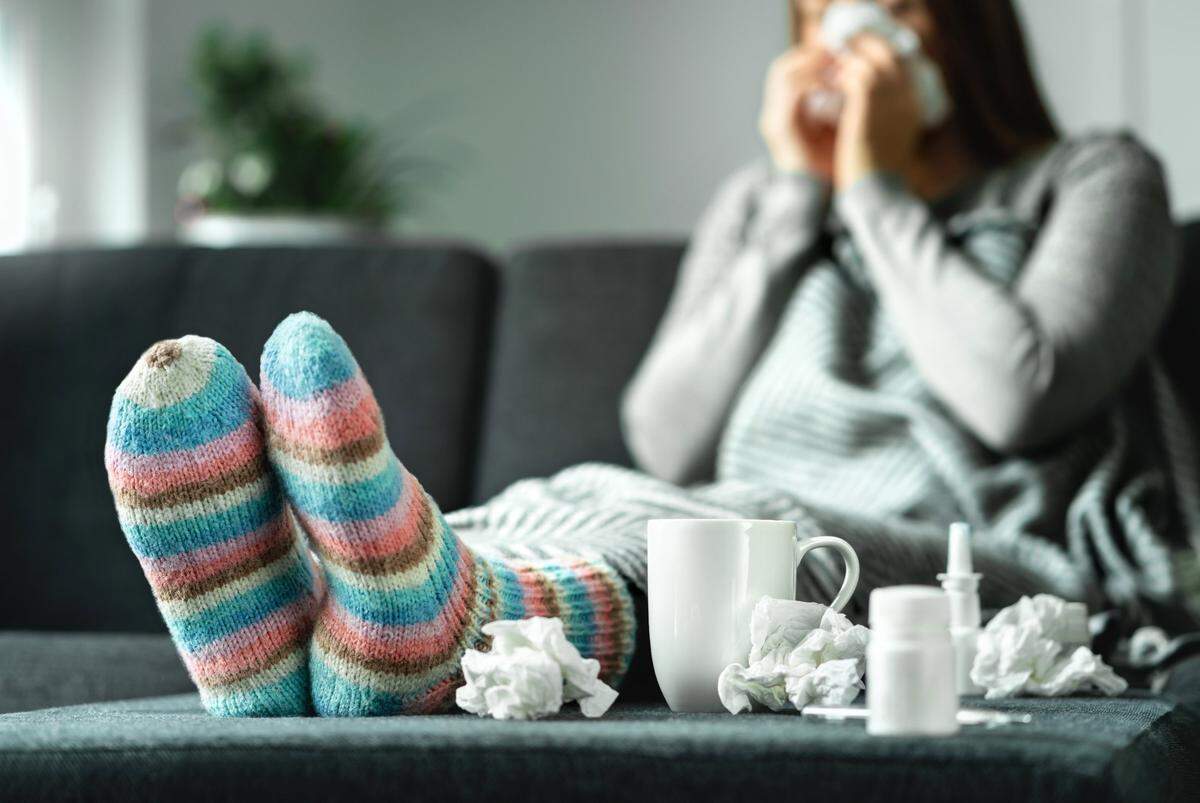
RSV is a common respiratory virus that infects the nose, throat and lungs, according to the federal Centers for Disease Control and Prevention.
RSV spreads easily by having close contact with someone who’s infected or by being nearby when an infected person coughs or sneezes.
RSV infections are most common from late fall through early spring, typically peaking in December and January.
“RSV symptoms are not specific, which makes it difficult to distinguish RSV from the common cold or other respiratory viruses” like the flu or COVID-19, the CDC said on its website.
What are symptoms of RSV?
According to the CDC, symptoms of RSV can include:
- Fever
- Cough
- Runny nose
- Wheezing in very young babies
- Difficulty breathing
The illness usually clears up on its own within one to two weeks, according to the Mayo Clinic.
However, RSV can become serious for people at higher risk.
Who is most at risk in California?
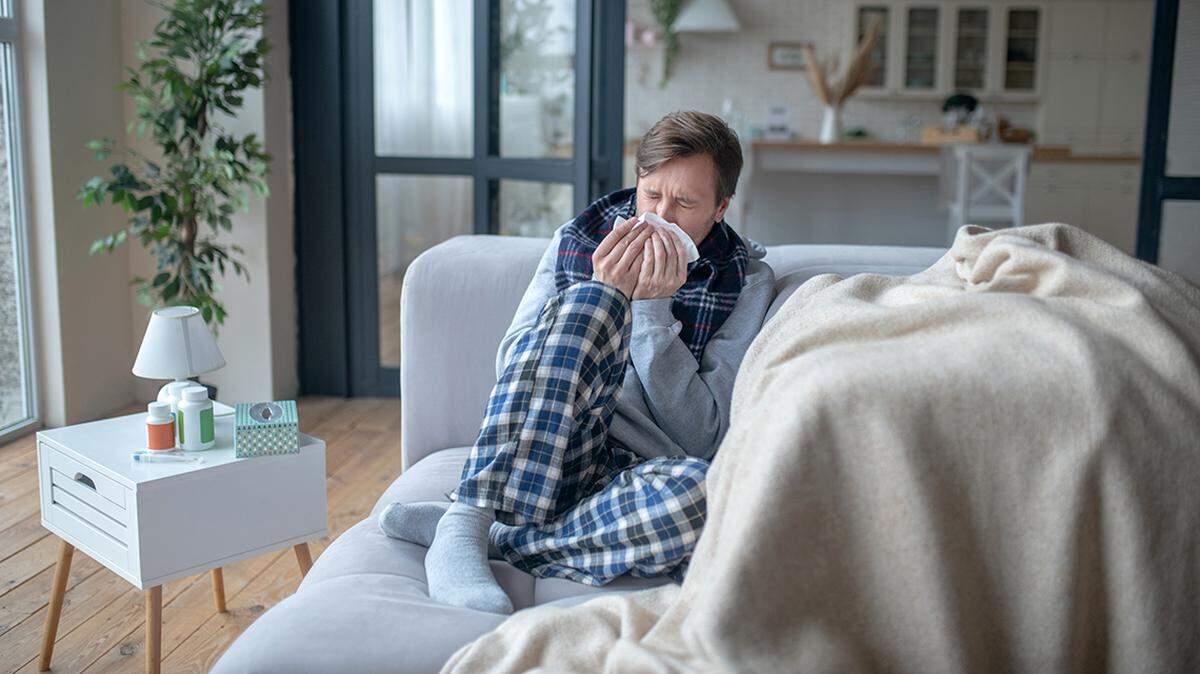
In severe cases, RSV can lead to pneumonia, inflammation of the airways in the lung, hospitalization and even death, according to the CDC.
“RSV can be dangerous for infants and older adults,” the CDC said.
According to the Mayo Clinic, older adults with a serious RSV infection can show the following symptoms:
- Fever
- Severe cough
- Wheezing
- Rapid or difficulty breathing
- Bluish skin color due to lack of oxygen
Symptoms of severe RSV infection in infants include:
- Rapid or difficulty breathing with skin and chest muscles pulling inward during each breath
- Coughing
- Difficulty feeding
- Excessive tiredness
- Irritability
People with RSV should seek medical care right away if they have trouble breathing, develop a high fever or notice a bluish color on the lips, fingernails or other areas of the skin, according to the Mayo Clinic.
How can I test for RSV?
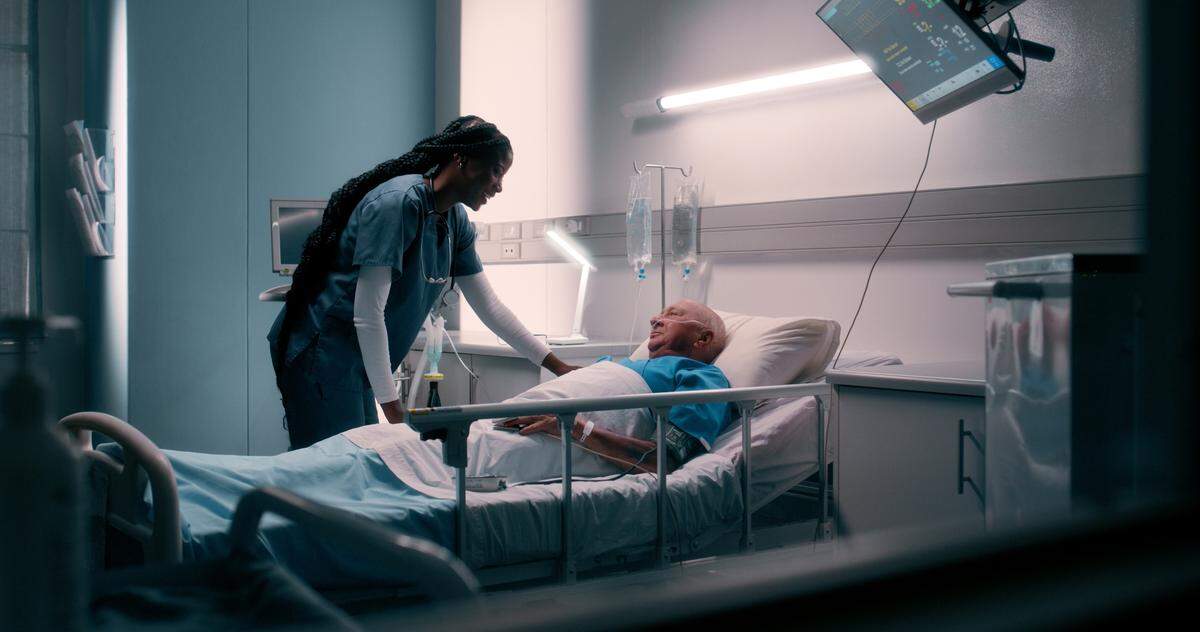
Though tests aren’t usually necessary to diagnose RSV, they can help diagnose complications or rule out other respiratory viruses that can cause similar symptoms, according to the Mayo Clinic.
These tests can include chest X-rays, swabbing the inside of the mouth or nose, pulse oximetry to detect levels of oxygen and blood tests.
Who should get RSV vaccine?
A vaccine that helps protect against RSV is available, according to the California Department of Public Health.
The state health department said RSV vaccination is recommended for older adults, pregnant people and young children.
Adults 75 and older — as well as adults 50 and older with health conditions, such as diabetes and cancer, that raise their risk of severe illness — are encouraged to get vaccinated.
For people who are pregnant, the state health department recommends getting the RSV vaccine between 32 and 36 weeks of pregnancy, especially during the peak RSV season from September through January.
“Pregnant people should not get the RSV vaccine if they received it during a prior pregnancy,” the California Department of Public Health said on its website.
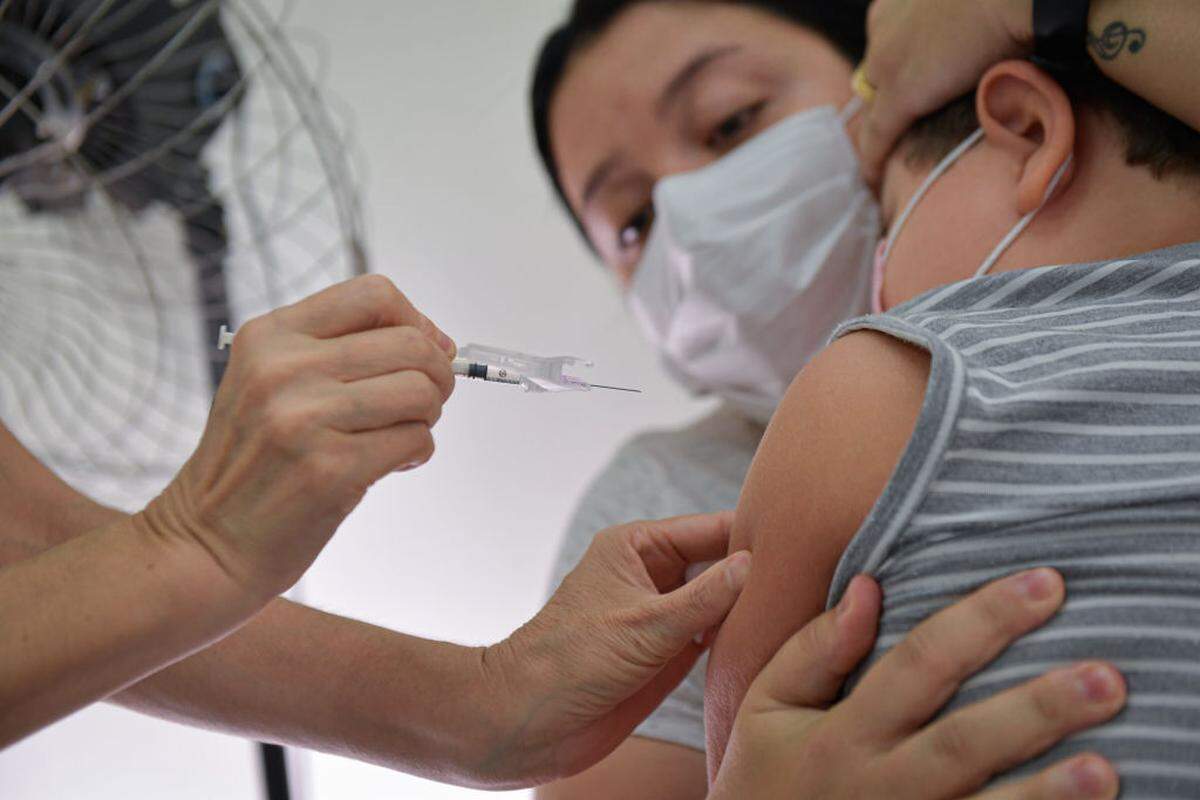
If a parent was not vaccinated while pregnant, the state department recommends that infants receive RSV immunization at 8 months through 19 months of age.
“Infants need protection from either the prenatal RSV vaccine or infant immunization, but not both,” the department said.
How can I lower my risk of getting RSV?
In addition to vaccination, the state health department recommends these steps to help prevent the spread of the illness:
- Stay home to lower risk of infection.
- Wear a mask in crowded spaces.
- Wash and sanitize your hands.
- Cover your cough or sneeze.