
Placer County declares localized outbreak after 3 measles cases found among family
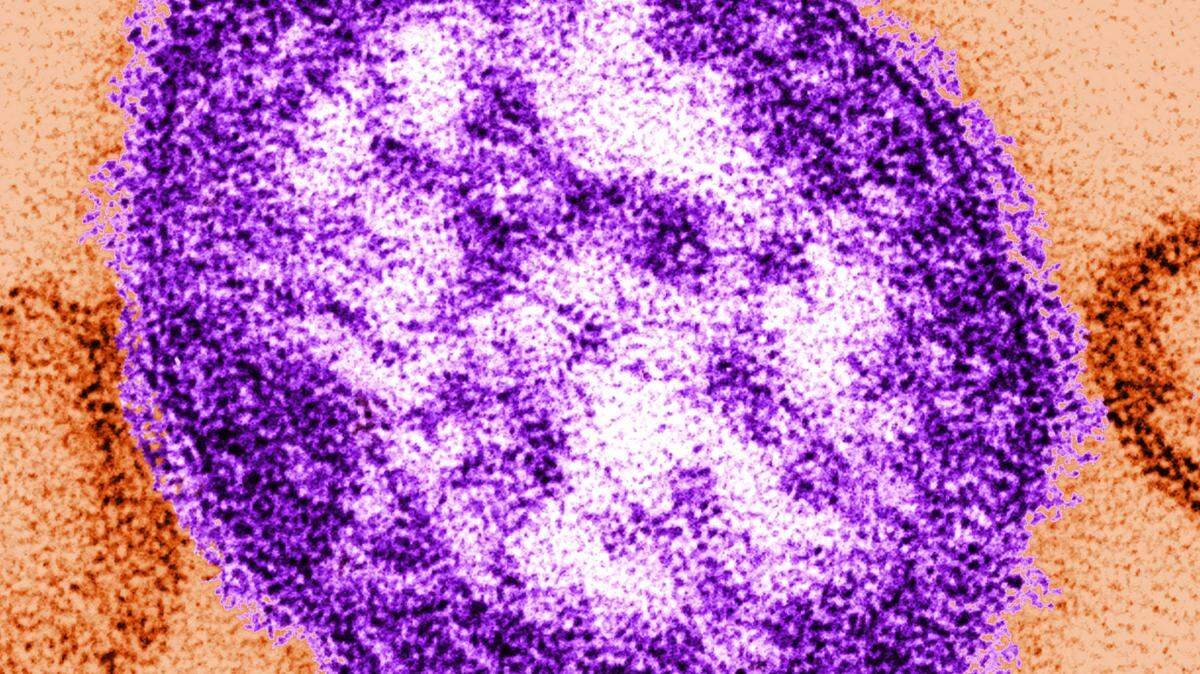
Three new measles cases have been confirmed in Placer County, prompting health authorities to declare a localized outbreak, though authorities said the risk to the broader public remained low.
The cases involved three teenagers in a single family and were linked through household exposure, Placer County Public Health officials said in a statement Monday. Officials said they suspected a fourth case involving another family member.
“We believe the risk to the general public remains low, as this outbreak appears to be contained within an extended family,” said Placer County Health Officer Dr. Rob Oldham. “Nonetheless, it’s a good reminder to take proactive steps, especially when traveling to states or countries with active measles spread.”
The family may initially have been exposed by an extended family member who doesn’t reside in Placer County, but who recently traveled to South Carolina, the state at the center of the nation’s largest outbreak. South Carolina public health officials have reported 985 measles cases centered around the state’s Spartanburg County, as of Feb. 27. The U.S. Centers for Disease Control and Prevention has tallied 1,136 measles cases to date nationwide.
Placer County health officials said the only child enrolled in school was the suspected case, but the student was not on campus during the infectious period because of a scheduled school break.
“There were no school exposures and no public exposure risks reported for this localized outbreak,” health officials said.
Placer County health officials said they could not independently confirm the vaccination status of each patient, but all were recovering at home.
Measles is a highly contagious viral disease that disproportionately affects people who are unvaccinated. Children and people who are pregnant face the highest risk of severe illness and death.
About 90% of unvaccinated people exposed to measles will contract the disease. Infected individuals can spread the virus from about four days before a rash appears through four days after it begins.
Symptoms include fever lasting about two days, runny nose, conjunctivitis — also known as pink eye — and a rash.
Public health officials urged residents to confirm they are vaccinated, particularly before traveling to other states or countries or visiting crowded destinations such as airports, large events or theme parks.
.JPG)