Historic Sacramento Bee protest photos on exhibit for archives crawl
By Nathaniel Levine
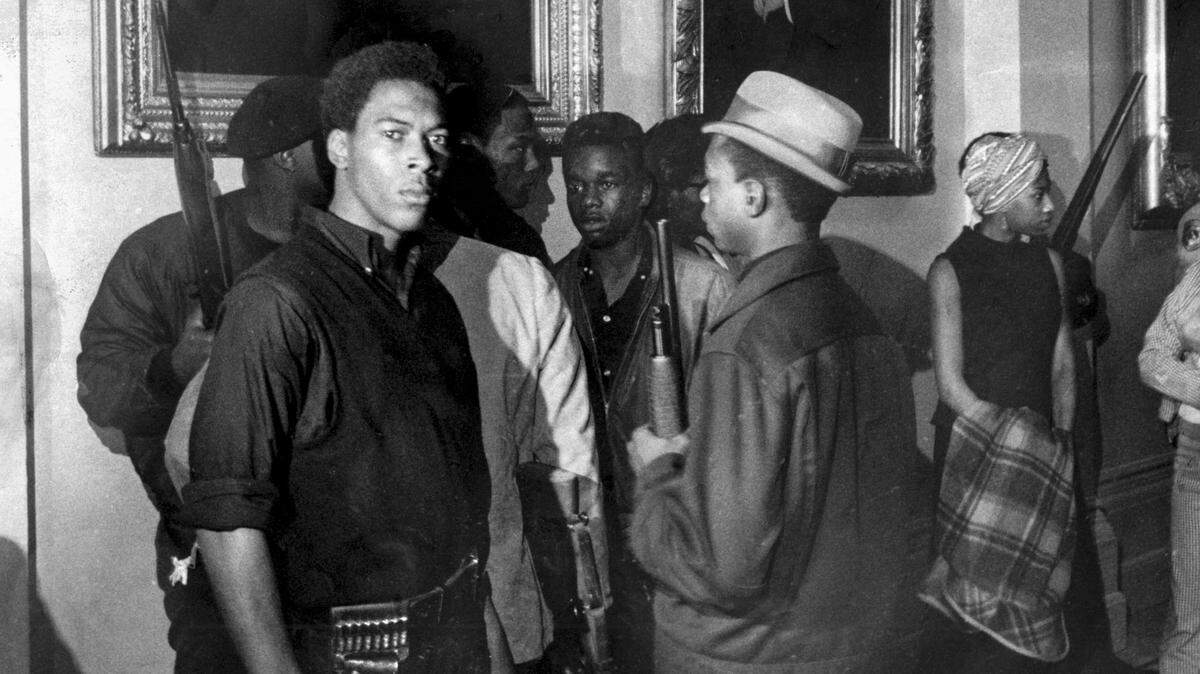
Armed members of the Black Panther Party stand in the corridor of the Capitol in Sacramento with guns May 2, 1967. They were protesting the Mulford Act, which sought to make open carry of loaded firearms illegal. Don Mulford (R-Piedmont) had proposed the bill in response to armed Black Panther patrols of police in Oakland, which had been initiated as a check on police harassment of black residents. This photo is part of an exhibit at the Center for Sacramento History on Oct. 26, 2019.
Bee file via the Center for Sacramento History
Historic images of protest captured by Sacramento Bee photographers will be on exhibit at the Center for Sacramento History as part of the annual Sacramento Archives Crawl on Saturday, Oct. 26.
The Bee’s archive of negatives and prints, up to the time the paper switched to digital photography, is one of many collections available at the history center for public research by appointment. The history center is at 551 Sequoia Pacific Boulevard.
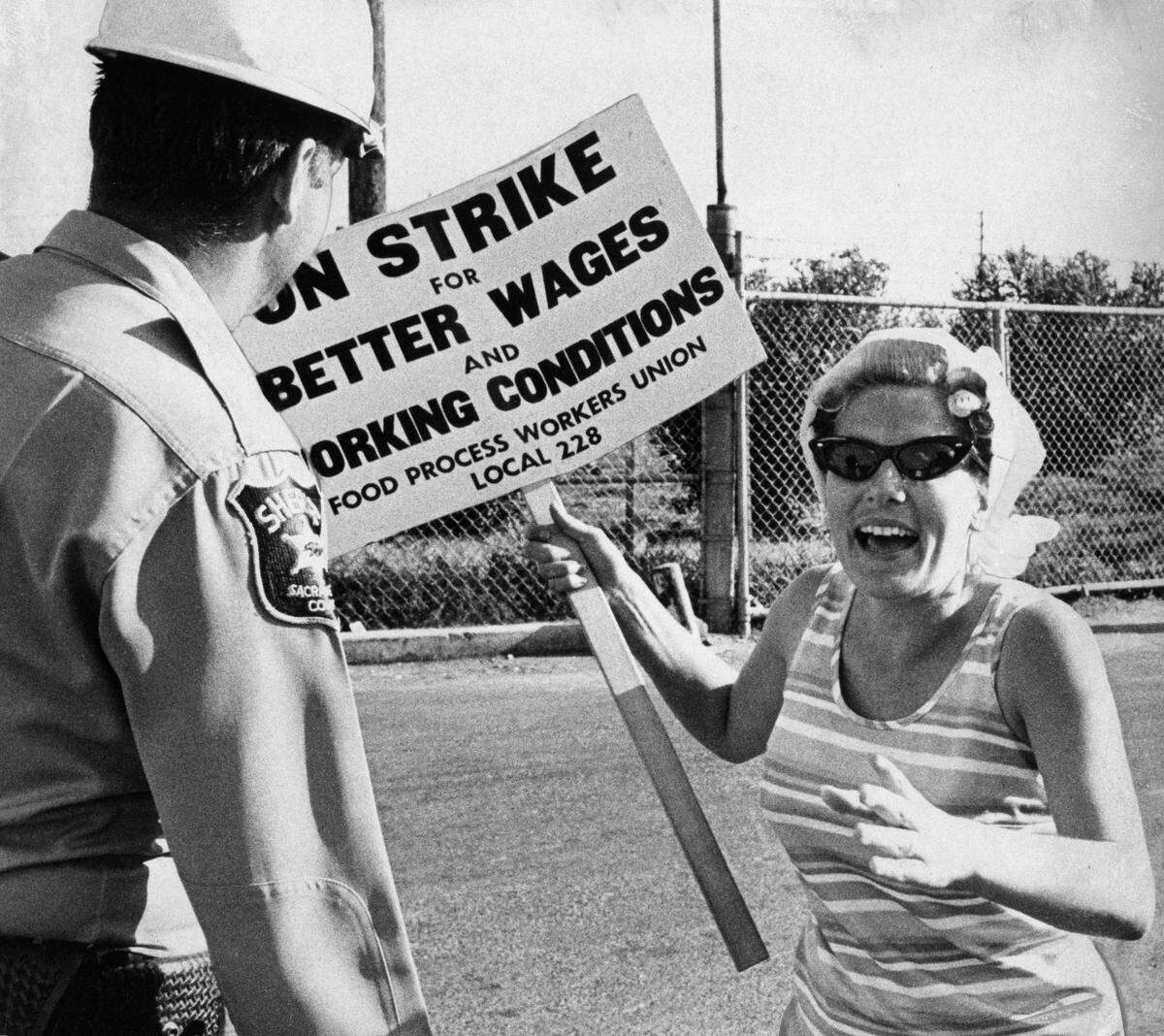
This unidentifed woman confronted by Sacramento Sheriff’s deputies on Aug. 14, 1968, as she tried to stop a truck of tomatoes from entering the Campbell’s Soup plant on the second day of a strike by members of Food Process Workers Union Local 288. A later photo shows her being forcibly taken into custody. Ward Sharrer Bee file via the Center for Sacramento History
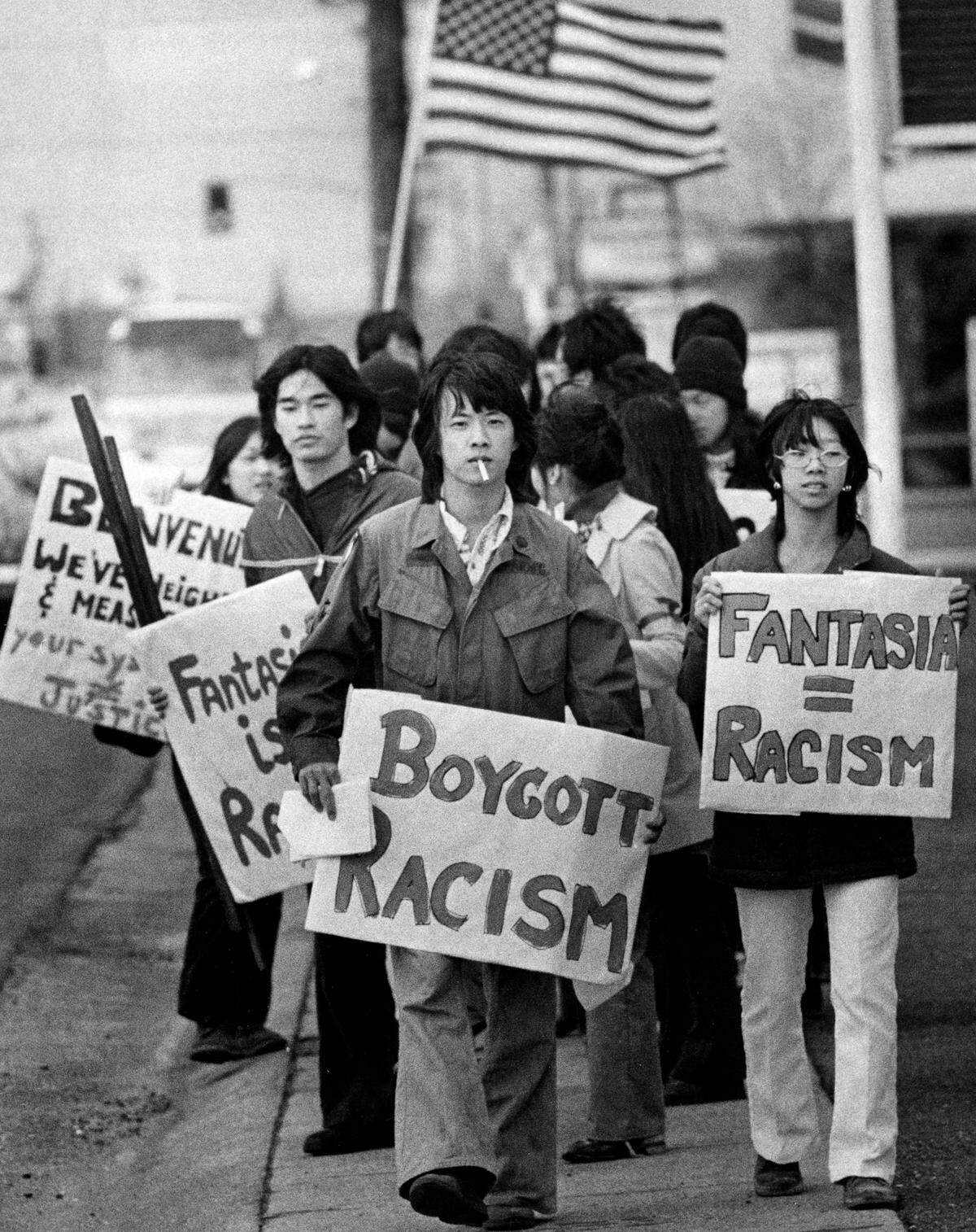
Picketers march to against signs depicting racist Asian caricatures and pidgin English at the Fantasia Miniature Golf Course at 3421 Arden Way on Sunday, March 3, 1974. Protests over the signs began in 1971, and owner Dan Benvenuti made changes to 10 signs in 1972. In a “sidewalk agreement” on Sunday, Benvenuti and the protestors agreed to terms leading to the removal of the rest of the signs. Dick Schmidt Bee file via the Center for Sacramento History
John F. Kennedy High School students hold a poster of Black Panther Huey Newton as they protest police response to a fight at their school on Oct. 2, 1968. About 40 black and white students got into a racially tinged brawl that day, and police arrested 16 students – 14 black, 2 white. The violence continued the next day when 10 white teens armed with clubs attacked several black students. All 10 were arrested. Owen Brewer Bee file via the Center for Sacramento History
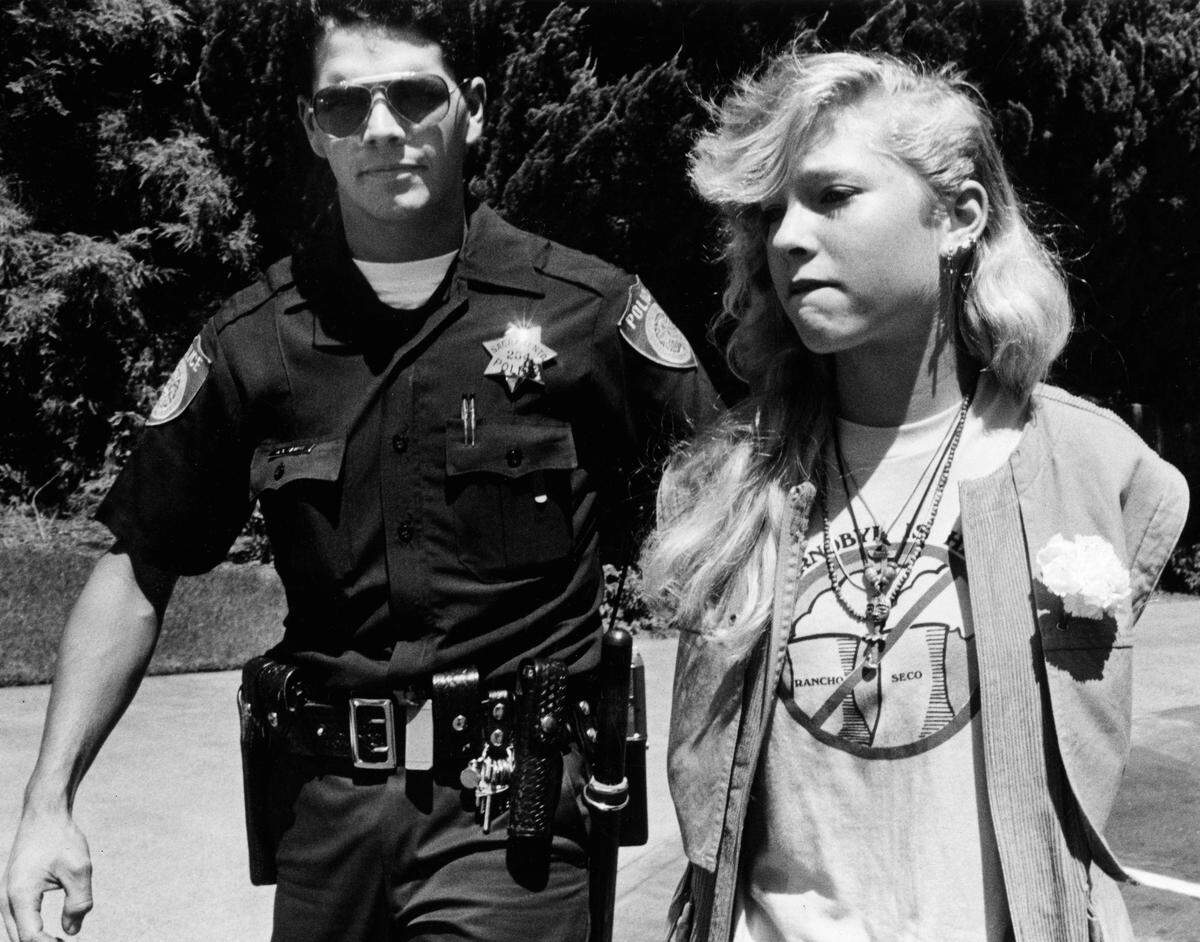
Morgan Miller, 15, was arrested on Aug. 11, 1986 at SMUD headquarters while protesting the Rancho Seco nuclear power plant. In 1989, Sacramento County became the first community to shut down a nuclear plant by popular vote. Susie Post Bee file via the Center for Sacramento History
This story was originally published October 24, 2019 at 11:30 AM.

.jpg "JFK High - Negative - Bewer 1968 (2).jpg")