
A nearly 150-year-old trunk continues to inspire curiosity in Sacramento youth
On the third floor of the Sacramento History Museum in Old Sacramento, one of the smallest exhibits has made the biggest impact on young Sacramentans.
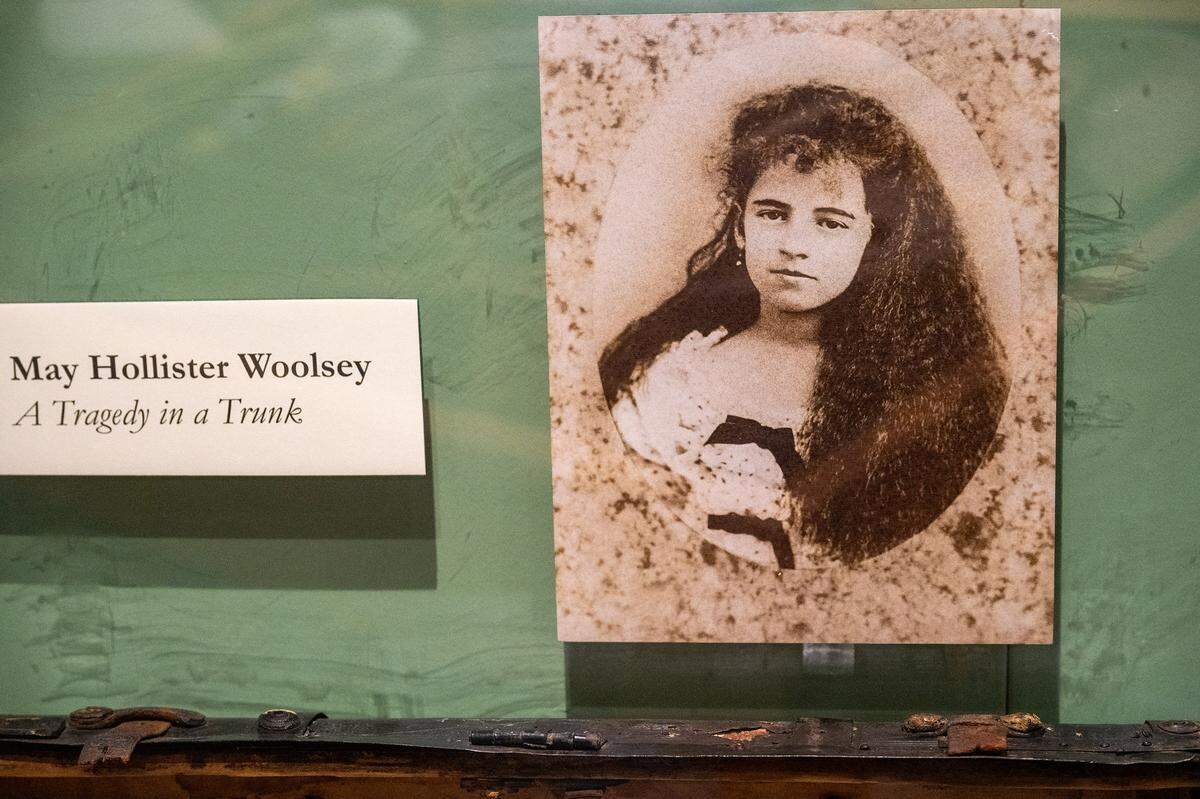
The story of May Woolsey, a young girl who lived in Sacramento in the 1860s and 1870s, is enshrined in a prominent space in the history museum after an unexpected find nearly 50 years ago made it possible.
“I still get chills because it’s so important that we were able to find that discovery,” said Delta Mello, the executive director of the Sacramento History Museum. “It’s just wonderful.”
Woolsey’s story has educated young Sacramento students on the city’s history and has enraptured history enthusiasts with its chance discovery as it lives on in perpetuity at the Old Sacramento Waterfront.
The story of May Woolsey
Woolsey was born Nov. 13, 1866 to Luther and Mary Woolsey, who lived in what is now downtown Sacramento.
In September 1879, the girl died of viral encephalitis — presumed to have been transmitted by a mosquito — just weeks before her 13th birthday.
Not much was known about Woolsey’s life and what happened with her family following her death, for about 100 years. In 1979, the newest homeowner of the Woolseys’s 916 E St. home, Ed Duffy, was renovating, and he discovered an old trunk inside the walls.
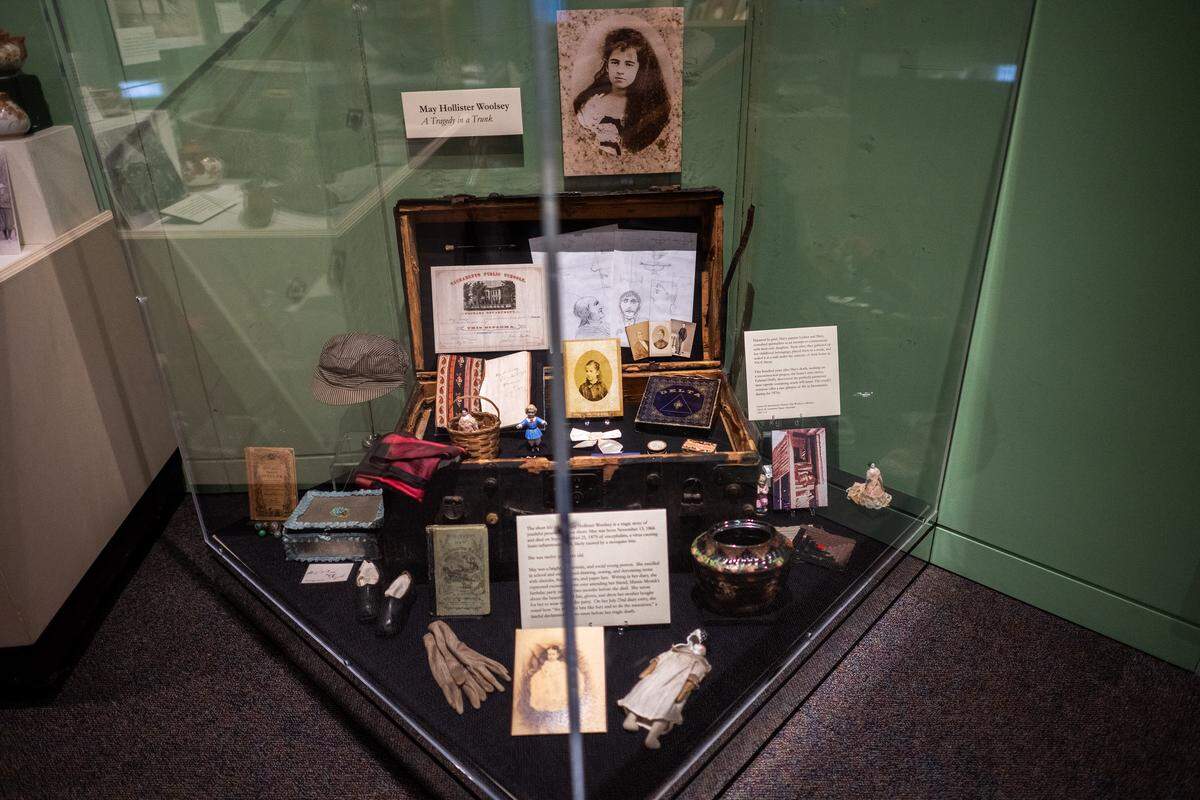
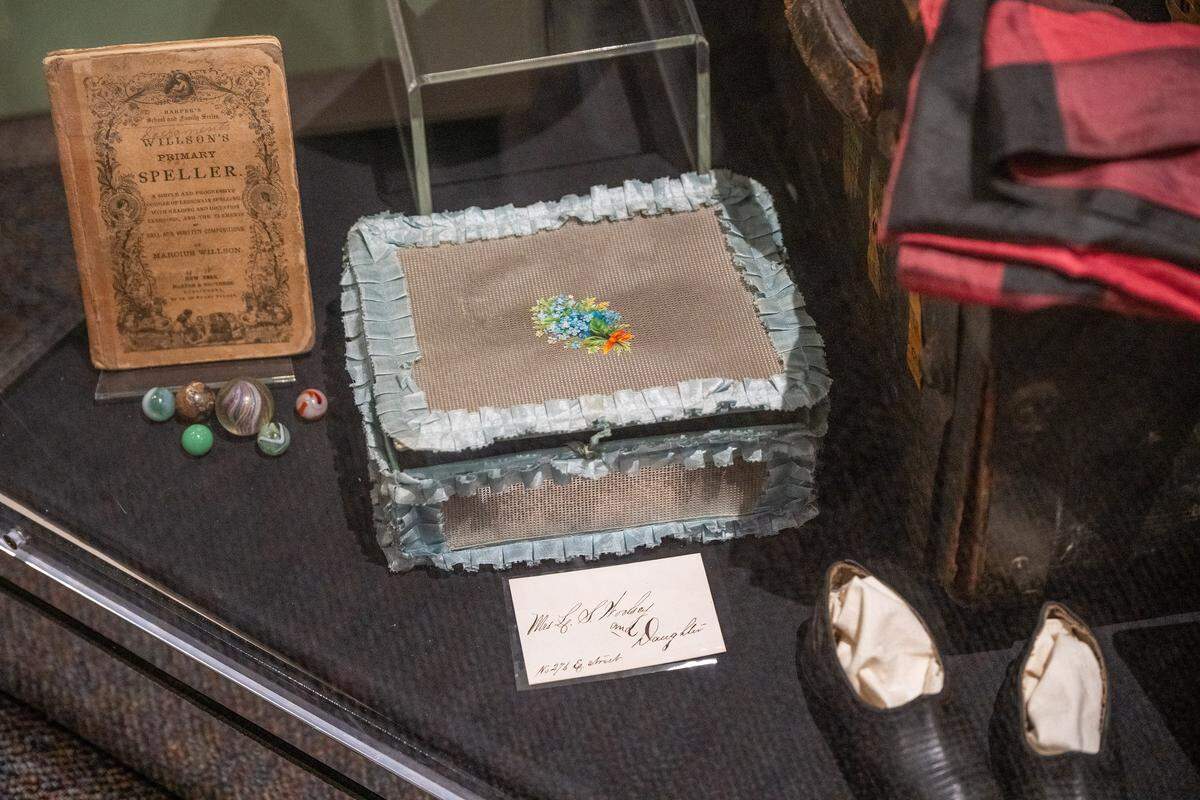
In the trunk was more than 500 items that appeared to belong to a young Victorian-era girl. A city historian helped piece together information to identify the girl, according to Mello, and the city’s quest to learn more about Woolsey was underway.
Sacramento Bee articles from the time requested anyone with information about the family reach out to Duffy so he could “restore (the house’s) facade accurately.”
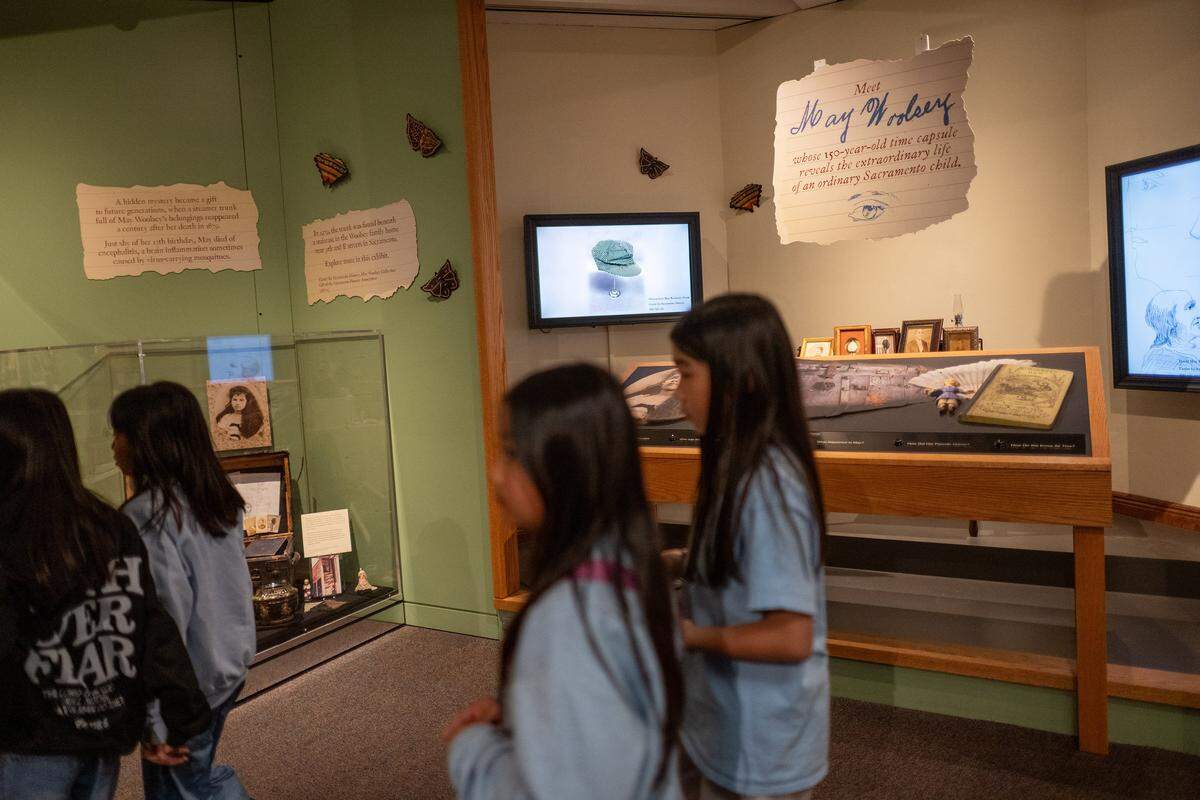
Woolsey’s trunk — which historians have yet to confirm why it was hidden within the house — contained toys, Woolsey’s childhood artwork and writings, daily personal affects, an ornate hand fan, a railroad cap from her father’s time working at the rail yards, portraits, books and many more items that defined a prepubescent girl in the late 1800s.
“Unfortunately, she died when she was only 12 years old, and that would have been the end of it except for the fact that (her) trunk was discovered, and all of a sudden, we were opened up to what her life was like,” Mello said. “It’s just wonderful to learn about that.”
Keeping Woolsey alive, nearly 150 years later
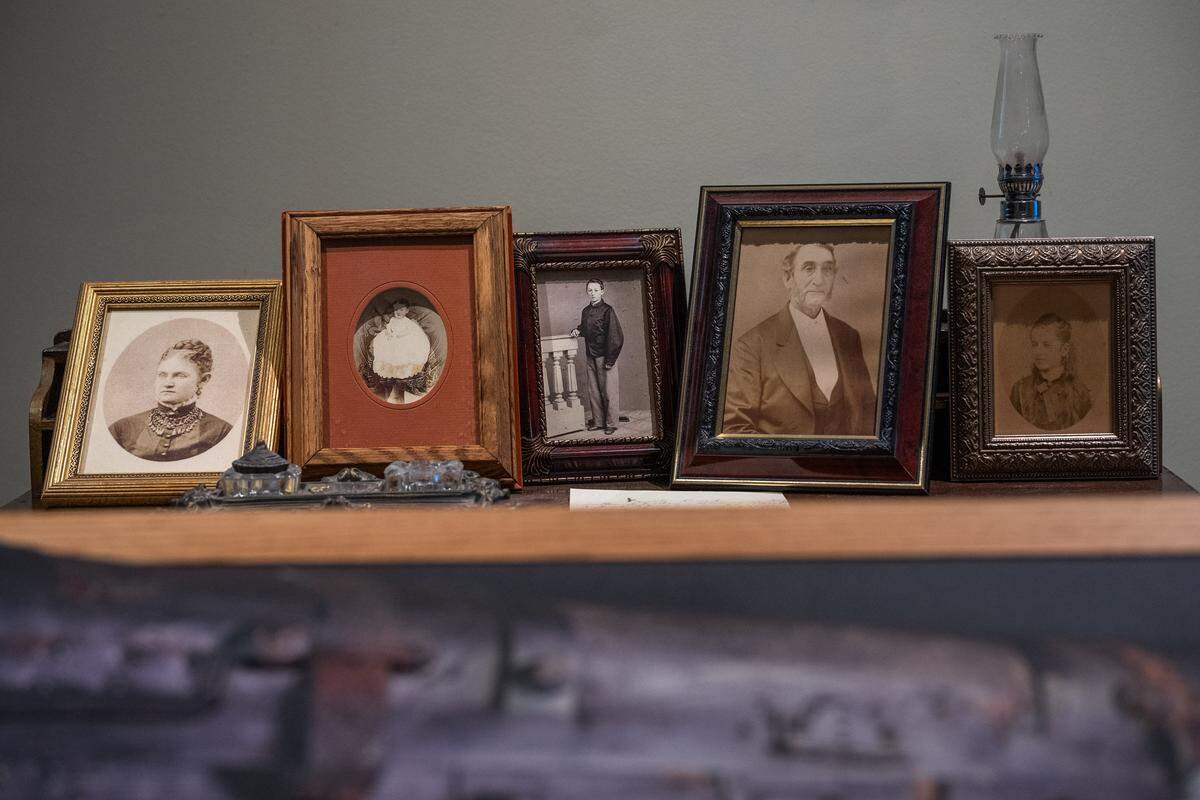
Woolsey’s story has been in the Sacramento History Museum since it was built in 1985, according to Mello. Though most of the hundreds of historic items are held and preserved by the Center for Sacramento History, a small handful are regularly rotated out in the museum’s highly popular exhibit.
“My favorite items are probably her writings,” Mello said. “It’s unfortunate there’s no full diary ... but there’s some pages from it, so somebody though that was important enough to put in here.”
In her writings, Woolsey recounted what her life was like and what mattered to her in the 12 short years she lived. Around the time she was alive, the Transcontinental Railroad was in its first years operating and the U.S. celebrated its centennial, which both made appearances in her journaling, Mello said.
In addition to the original trunk and items on display, the Center for Sacramento History and the history museum created a mock trunk inspired by the original for school programs throughout the region.
According to Mello, the program focuses on the concept of a time capsule, asking current students approaching Woolsey’s age what would be important for them to include. Students also learn about what Sacramento was like during Woolsey’s time.
“We put them into groups (and ask) ‘What do you think it is? What do you think it was used for? Why do you think it’s there?’” she said. “It’s so fun to hear what they say because they make connections that adults don’t make.”
Expanding the exhibit
As one of the cornerstone exhibits in the Sacramento History Museum, the Woolsey display has housed new upgrades and technologies the museum hoped to check out.
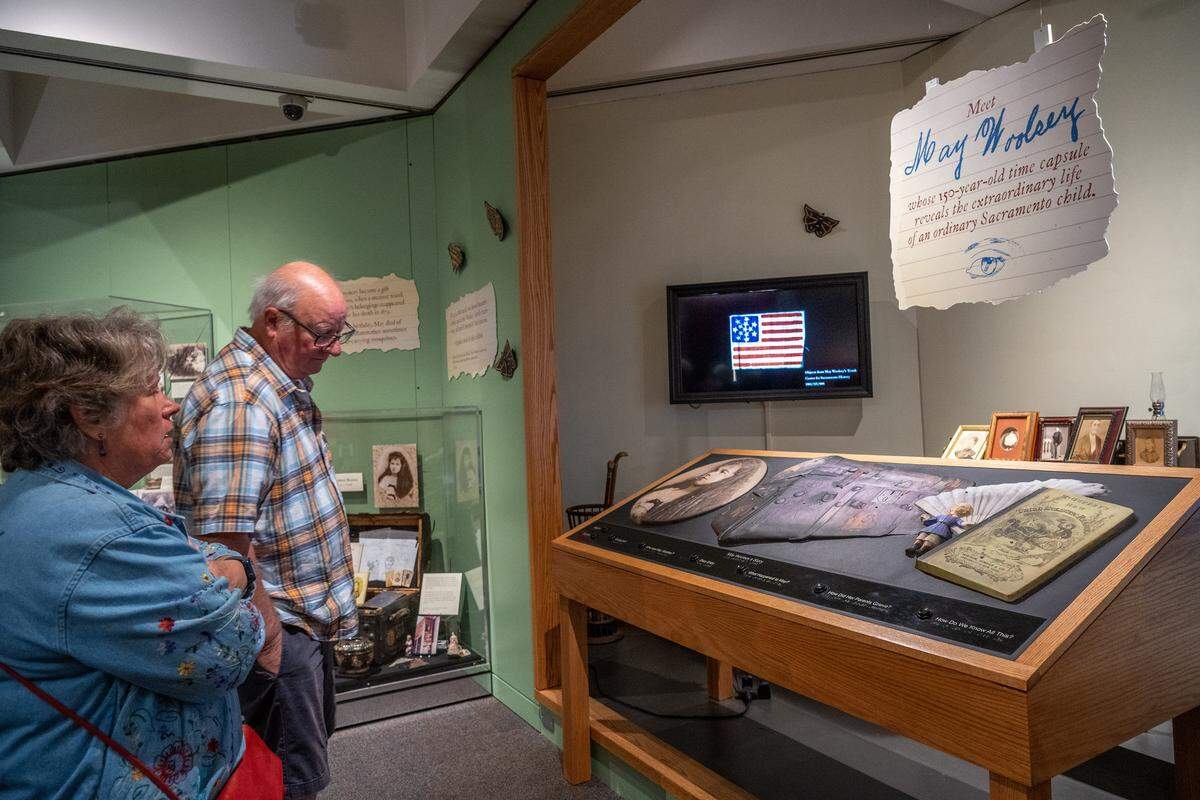
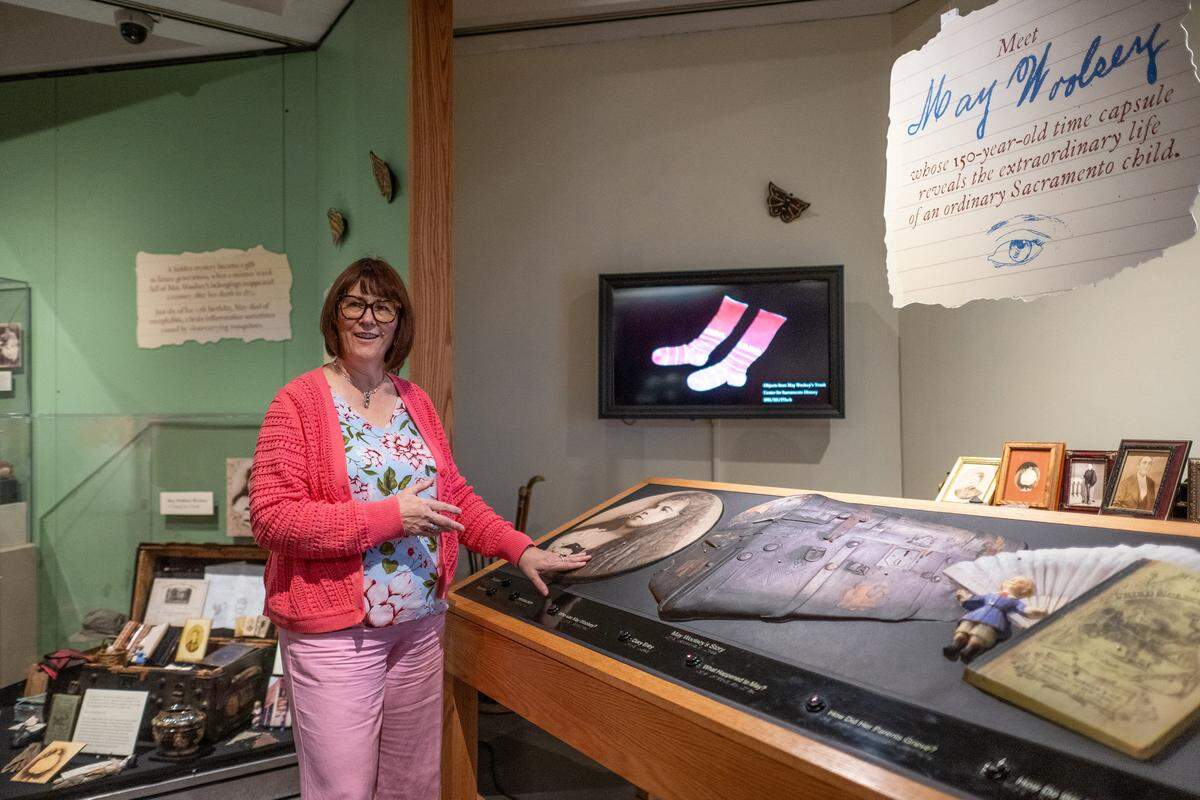
In 2023, the history museum implemented a new interactive feature to the exhibit, a tactile and audio-based feature that gives vision-impaired visitors a chance to hear about Woolsey while touching a raised image of the exhibit’s items. Mello said the museum worked with the Society For The Blind to guide the concept.
A plastic board is embedded with buttons, braille writing and large tactile images with small metal sensors. When touched, the buttons and sensors trigger recorded audio descriptions available in English and Spanish, which share Woolsey’s story and describe physical elements like the girl’s long hair.
“Anytime you improve accessibility ... the residual effect is that you improve it for everyone,” Mello said. “Now I get to hear the voice as well. Now I can run my fingers over it and feel the features of it.”
In the coming years, Mello said her team is looking to expand Woolsey’s reach even further by renovating an area of the museum — which currently displays historic agricultural equipment — to be a child-centric exhibit combining the history of Sacramento children with play and interaction.
“It takes some really creative people that know how to make interactive things that you can do that connect with whatever that learning objective is,” Mello said. “We want to have a place where adults and children are learning together, because adults are fascinated by this just as much as kids are.”
Plans for this expansion are still in the earliest stages, but the executive director said her team is working on determining big-picture aspects, such as the expansion’s estimated cost. Mello said she expects the museum will do some community fundraising to support the revamped area.
“It’s a Sacramento story, and that’s what’s so wonderful about it for us here in Sacramento,” Mello said.
.jpg)